
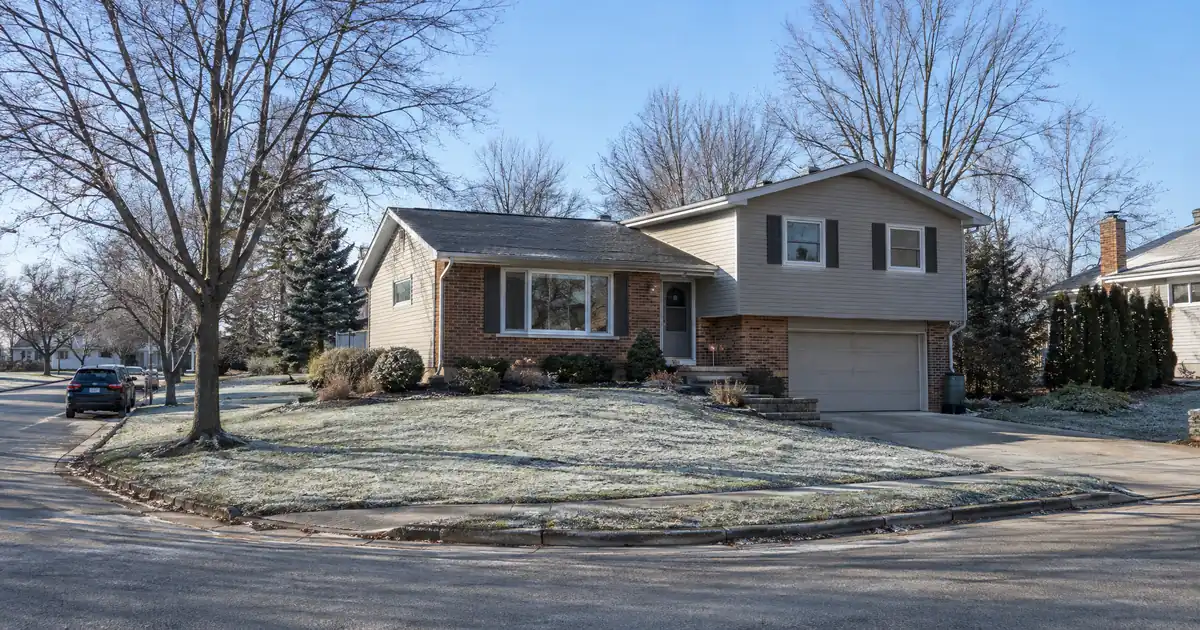
The Quick Read: Consolidating rentals into one DSCR loan means a single blanket note pays off the separate mortgages on two or more investment properties, tests rent against debt service across the whole pool, and sends the leftover equity to you as cash, up to 75% of pooled value on a cash-out. The loan is built on the properties’ rental income, not your personal income. The catch is that every property secures the same note.
- Cash-out is capped at 75% of pooled value on investment rentals, subject to lender guidelines.
- Coverage is tested on the pool, so strong rentals can offset a weak one.
- Each property still gets its own valuation and rent evidence.
- Release terms decide how easily you can sell one property later.
- Pulling cash out raises the debt, which pulls the coverage number down.
Key Terms Defined
DSCR (debt service coverage ratio): monthly rent divided by the full monthly obligation of principal, interest, taxes, insurance, and association dues.
PITIA: the abbreviation for that full monthly obligation.
Blanket (portfolio) loan: one loan secured by several properties, with one payment.
Cross-collateralization: every pledged property secures the whole loan, not just its own slice.
Release clause: the loan term that lets you sell one property by paying down a set amount instead of the entire note.
Seasoning: the ownership period a lender wants before it will cash you out. Most programs look for about six months from title recording.
Cash-out refinance: a new, larger loan that pays off the old one and hands you the difference in cash.
What Does Consolidating Actually Mean?
It means replacing several loans with one. A blanket mortgage covers multiple properties under a single lien structure, and it is usually paired with a release clause so you can sell one property without retiring the whole debt. Many lenders also use the word portfolio for the same product. Strictly, a portfolio loan is one a lender keeps on its own books, but in everyday investor talk the two terms overlap.
A DSCR cash-out on one rental replaces that one property’s first loan. Each rental keeps its own note. A blanket puts everything on one note, with one servicer and one payment.
DSCR loans are designed for non-owner-occupied investment properties. Because they are business-purpose investor loans, they are reviewed differently from a standard owner-occupied mortgage. The file qualifies primarily on property-level rental income covering the payment, subject to lender guidelines.
How Does Underwriting Treat a Consolidation?
Across the wholesale network, the lender tests the combined rent against the combined payment. It also orders a valuation and a market-rent opinion on every property. Consolidation does not skip appraisals.
Here is the sequence on most files:
1. Define the pool. Pick the rentals, confirm title and entity ownership, and confirm each one is an investment property.
2. Build the schedule. Gather leases, rents, payoff statements, insurance, tax information, and occupancy for every property.
3. Order valuations. Each property needs a valuation and a rent schedule. Single-family rentals typically get a rent schedule appraisal, and small multifamily gets an operating income appraisal.
4. Run the coverage test. Total rent used for lender review is divided by total PITIA across the pool.
5. Check leverage. The loan has to fit under the program’s ceiling against pooled value.
6. Allocate the loan. The documents assign each property a share of the balance. That share later drives the release price.
7. Negotiate release terms before closing. After closing, you have no leverage to change them.
8. Pay off and fund. Title pays off the old liens, and the remaining proceeds are your cash.
The pooling effect is the real advantage. A rental that covers only thin margins can ride along with stronger ones. A single rental below 1.00 coverage can sit in the pool, but the lender reviews pooled coverage, leverage, and terms, and that is subject to underwriting.
The test counts rent against the payment, nothing else. Clearing 1.00 is not the same as positive cash flow. Repairs, vacancy, management, utilities, and capital expenses all sit outside the calculation.
Which Consolidation Structures Exist?
Two structures cover most requests. Which one fits depends mainly on how many properties you own and how long you want the debt to run. The figures below are program ceilings and floors from select lenders in the network, not quotes.
| Factor | 30-year portfolio loan | Rental portfolio term loan |
|---|---|---|
| Properties | 2 to 20 | 5 or more properties or units |
| Loan size | $300,000 to $5,000,000 | $500,000 to $50,000,000 |
| Max leverage | Up to 80% (purchase, rate-and-term) | Up to 75% of value |
| Term | 30 years, interest-only available | Fixed 3, 5, 7, or 10 years, balloon at maturity |
| Recourse | Personal guarantee typical | Recourse or non-recourse |
| Prepayment | Per loan documents | Yield maintenance |
Larger balances in both columns go on review. Cash-out on either structure never exceeds 75% of pooled value on standard rentals. Coverage on the 30-year loan is measured on the pool, with a 1.00 floor. Property types include single-family, two-to-four unit, condo, and townhome, and the term loan also takes small multifamily.
Credit floors start around 640 and rise to 680 or 720 on some structures. Some programs require a special-purpose entity, typically an LLC, subject to lender program eligibility. Non-recourse means the lender looks to the real estate, with recourse limited to carve-outs such as fraud and bankruptcy.
The term loan balloons at maturity, so you plan a refinance or sale before it comes due.
Not every property qualifies. Owner-occupied homes, co-ops, mixed-use and commercial property are excluded. Manufactured homes, log homes, and barndominiums are not offered in these programs.
What Does the Cash-Out Math Look Like?
Take a modeled pool of three rentals with similar debt service. Their individual coverage ratios are 1.30, 1.10, and 0.95. These are assumptions, not market data.
Average them and the pooled coverage lands near 1.12. The strongest rental carries the weakest.
Now add the cash-out. Say the new loan lifts total debt service by about 10% to fund the proceeds. Pooled coverage slides from about 1.12 to about 1.02. It still clears 1.00, but the cushion is gone. Push the cash-out higher and the pool falls under the floor, which shrinks the cash you can take.
Equity works the same way. Suppose the existing balances total 55% of pooled value. The 75% ceiling leaves a slice of value above those balances, and closing costs, payoff charges, and reserves come out of that. The remainder is your cash. That figure is a ceiling, not a promise.
Two things can change the answer:
- Coverage binds first. A pool with thin rents can hit the 1.00 floor before it hits the leverage ceiling.
- Leverage binds first. A pool with strong rents but modest equity will stop at the ceiling, and no amount of rent changes that.
The strongest files clear both tests: enough equity and enough rental coverage. For a sense of how sponsors weigh the pool, see Lendmire’s piece Is One Portfolio Cash-Out Refinance Worth It for Five or More Rentals?.
A recently bought property can sit in the pool, but inside the first six months of ownership the cash-out amount is capped by the seasoning rule. Short-term rentals carry a tighter 70% cash-out ceiling, against 75% on standard rentals. Mixed pools of both types are underwritten on the lowest ceiling that applies. Final terms depend on the lender’s guidelines, the property type, and the borrower’s complete credit picture.
Should You Consolidate or Cash Out Each Property Separately?
Consolidate when your rentals are similar, seasoned, and you plan to hold them together. Separate loans win when you want flexibility to sell, refinance, or finance one property at a time. A single closing is simpler, but the simplicity has a price.
| Factor | One blanket loan | Separate loans |
|---|---|---|
| Payments | One | One per property |
| Exit flexibility | Depends on release terms | Sell any property freely |
| Risk | Cross-collateralized | Contained per property |
| Coverage test | Pooled | Property by property |
| Best fit | Uniform, long-hold pool | Mixed goals and timelines |
Lendmire’s article Can You Split a Portfolio Loan Into Cash-Out Refinances on 5+ Rentals? covers the opposite move.
Across the wholesale network, the files that run into trouble are rarely the ones that miss on coverage. They are the ones where the investor planned to sell a property in a year or two and never read the release language. If an exit is likely, treat the release terms as seriously as the pricing.
What Could Shrink Your Cash-Out?
Several things can quietly reduce proceeds. Most of them show up before closing, which is when you can still adjust.
- Ratio dilution. More cash means more debt service, which lowers pooled coverage.
- Appraisal gaps. A lower valuation on one property reduces pooled value and tightens leverage.
- Prepayment penalties. The loans you are paying off may carry their own penalties. These can erase the benefit of consolidating.
- Losing a lower-cost loan. A blanket replaces every existing first mortgage, including the ones you would rather keep.
- Reserves. Programs typically ask for about six months of PITIA, and about nine months on loans above $1,500,000. Terms vary by lender and loan size.
- Vacancy. Every property needs a lease or an appraiser-supported market rent.
Run the existing loans through a payoff check first. The CFPB describes a cash-out refinance as tapping home equity and notes the tradeoff of rolling other debt into a mortgage. That tradeoff applies to investors too, because the new debt is secured by your properties.
Where Does the General Rule Break?
The general rule is that one loan simplifies things. Four edge cases break it.
No release clause means no partial sale. A standard mortgage carries a due-on-sale clause. A blanket’s release clause is what allows part of the collateral to be sold with only a partial repayment. Without it, selling one property usually means paying off the whole loan.
The release price runs above the allocated balance. Expect to pay down more than the property’s share of the debt. That means you net less on a sale than the allocation suggests. Release terms are not standardized, so compare them across lenders.
The remaining pool is retested. After a property is released, the lender may recheck coverage and leverage on what is left. With only two properties, the one you keep has to carry the leftover balance alone.
Cross-collateralization is real. Every property secures the whole loan.
Who Should Consolidate, and Who Should Skip It?
Consolidating suits investors with several seasoned, similar rentals and a long hold. It also helps when conventional limits get in the way. The Fannie Mae selling guide caps how many financed properties one borrower can carry on conventional loans, which is one reason investors with larger portfolios look at DSCR financing. That cap does not govern DSCR files.
Skip consolidation if you plan to sell soon, if your rentals are very different in quality, or if the existing loans are cheap and prepayment-free. In those cases separate cash-outs on the strongest properties often make more sense.
The full picture of how these loans work is in Lendmire’s complete DSCR loans guide. One tax sentence applies here: tax treatment can depend on how the funds are used and how the property is held, so keep clear records and speak with a qualified tax professional before relying on any deduction.
Frequently Asked Questions
Can I refinance several rentals into one loan?
Yes, through a blanket or portfolio structure. The 30-year portfolio loan takes 2 to 20 properties under one note. The rental portfolio term loan is built for five or more properties. Eligibility depends on lender guidelines, credit, and property review.
Can I take cash out at the same time?
Yes, up to 75% of pooled value on standard rentals, subject to lender guidelines. Coverage and reserves can bring the amount lower. Properties held under about six months fall under the seasoning rule, which caps the cash-out.
What if one property is vacant or weak?
Pooled coverage is what gets tested, so stronger properties can offset it. Every property still needs a lease or an appraiser-supported market rent. A property under 1.00 coverage can sit in the pool, but pooled coverage, leverage, and terms are what underwriting reviews.
Can I sell one property later?
Only on the terms of the release clause. The release price usually runs above the property’s allocated balance, and the remaining pool may be retested. Get the release terms in writing before you close.
Can I consolidate existing DSCR loans?
Yes. The new blanket note pays off the old loans, including existing DSCR loans. Check each one for prepayment penalties first.
Next Steps
If you are buying or refinancing a rental property and want to see how the numbers work, Lendmire can help you compare DSCR loan options based on the property income, credit profile, leverage, and investor goals. As a broker, Lendmire arranges financing through select lenders in its wholesale network, across 41 markets including Washington, D.C. Program terms vary by lender, and nothing here is a commitment to lend.
For how equity extraction works on an investment property, see Lendmire’s guide to cash-out refinance on an investment property.
About Lendmire
Lendmire, NMLS# 2371349, is a non-QM mortgage broker serving real estate investors in 41 markets, including Washington, D.C., through DSCR investor loan programs. Qualification is generally reviewed around the subject property’s rental income, not the borrower’s W-2 history — a practical fit for LLC-titled portfolios and self-employed investors. All scenarios remain subject to lender review and program guidelines. Two consecutive Scotsman Guide Top Mortgage Workplace recognitions (2025, 2026).
Get Started
Ready to find the right loan for you?
In about 30 seconds you can review financing options available for your investment property. No commitment required.
Informational only. Not a Loan Estimate, approval, or commitment to lend. Program availability and eligibility are subject to lender guidelines, credit approval, property review, and underwriting.
References
1. CFPB: Cash-Out Mortgage Refinance Borrowers Improve Credit Scores
2. Fannie Mae Selling Guide B2-2-03: Multiple Financed Properties Same Borrower
This article is part of Lendmire’s investment property cash-out refinance program — full qualification details, guidelines, and scenarios live on the program page.
Related reading: Can an LLC With a Few Rentals Get a Non-Recourse DSCR Portfolio Loan? · Can You Get a DSCR Loan for an Airbnb in Iowa? · How to Consolidate LLC Rentals Into One Portfolio DSCR Loan
Brandon Miller
Founder & CEO, Mortgage Loan Originator, Lendmire LLC
- Mortgage Loan Originator · NMLS# 1129696 · Verify on NMLS Consumer Access
- North Carolina Real Estate Broker · License# 343312 · Verify on NCREC
- North Carolina Insurance Producer · License# 19053198 · Property, Casualty, Life, Health · Verify on NAIC SBS
- Lendmire LLC · Firm NMLS# 2371349 · Verify firm licensure
Compliance and disclosures. Lendmire (NMLS# 2371349) is a licensed mortgage broker and is not a direct lender, depository institution, financial advisor, or tax professional. Content in this article is general market analysis and educational information — not financial, legal, or tax advice for any specific situation. Lendmire does not guarantee loan approval; every transaction is subject to underwriting by the funding lender. Mortgage pricing and loan program guidelines are subject to change at any time without notice and vary by borrower characteristics, property type, and state regulations. Lendmire complies with Equal Housing Opportunity. Licensure verification: NMLS Consumer Access.