
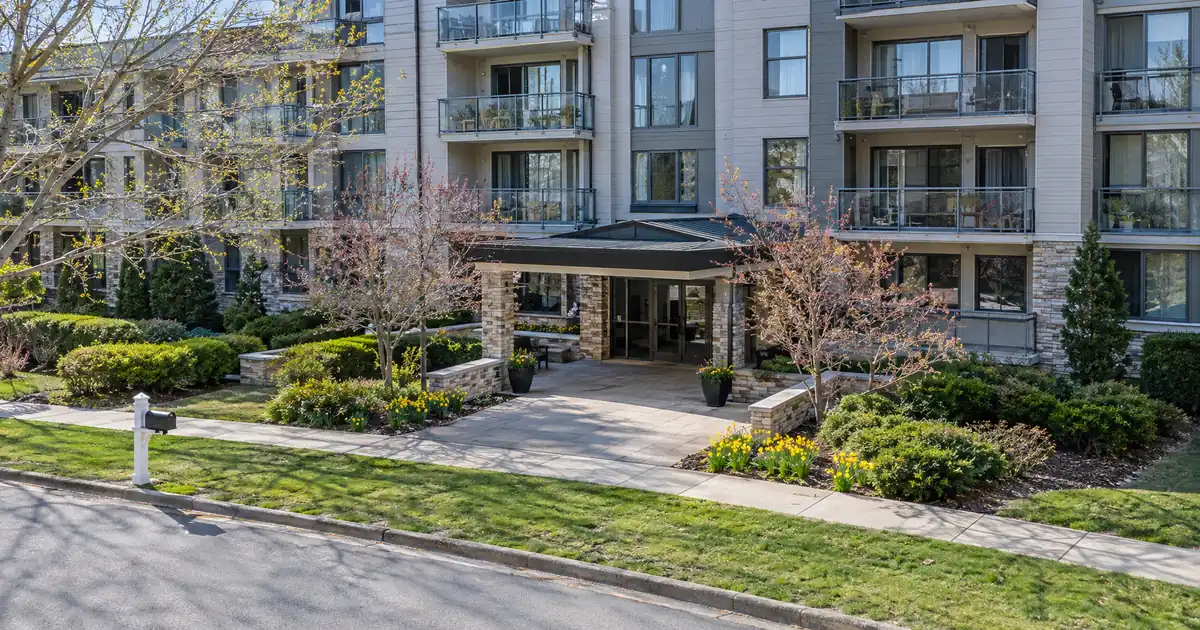
The Quick Read: An investor in another state can finance a condotel with a DSCR loan, because the file is judged on the building and the unit’s rental income, not on where the borrower lives. Distance is not the hurdle. The project review, the rental-pool paperwork, and the income evidence are.
- Short-term rental purchases typically reach up to 75% LTV, with a 640 minimum score and about 12 months of hosting history expected.
- Short-term rental refinances and cash-outs top out around 70% LTV, with coverage of 1.00 on both purchase and refinance files.
- Agency loans generally exclude condotels, so most buyers choose between a DSCR loan and cash.
- The income figure that counts is the owner’s distribution from the rental program, not the hotel’s headline room revenue.
- Securities-law status of a rental pool is a legal question the loan does not answer.
Key Terms Defined
Condotel: an individually deeded condo unit in a hotel-operated building, usually placed in a rental pool when the owner is not using it.
Rental pool: an arrangement where the operator rents units as hotel inventory and splits revenue with owners by formula.
DSCR: the property’s monthly rent or rental income divided by its monthly housing payment (principal, interest, taxes, insurance, and HOA dues).
PITIA: the full monthly obligation in that ratio, including association dues.
Non-warrantable: a condo project that falls outside agency project rules, for reasons such as rental restrictions, commercial space, or litigation.
Branded residence: a condo tied to a hotel brand with no front desk or rental pool. It is often just a non-warrantable condo.
Short-Term Rental Calculator
Run the STR numbers in your market
Rate source: Freddie Mac 30-yr average via FRED® — Federal Reserve Bank of St. Louis · effective Oct 15, 2026
Prefilled with starting assumptions — enter your nightly rate, occupancy, taxes, and insurance for a more accurate picture.
Short-term rental income is documented with a 12-month history or a market data report. Program parameters update from Lendmire’s centralized guideline source.
As of Oct 15, 2026 · General Freddie Mac market benchmark, not a Lendmire loan offer. Nightly rate, occupancy, taxes, and insurance are editable estimates. Qualifying income for short-term rentals varies by program — some use appraisal market rent, others use documented STR history or projections — and is confirmed in underwriting. Not a Loan Estimate, approval, or commitment to lend. Program availability and eligibility are subject to lender guidelines, credit approval, property review, and underwriting.
Why Do Out-of-State Buyers Use DSCR Loans for Condotels?
Agency financing does not fit condotels. The Fannie Mae Selling Guide lists rental-pooling and revenue-sharing agreements that restrict owner occupancy, hotel-company management that also runs short-term rentals, and mandatory rental pooling as ineligible project features. That is contrast only. DSCR loans are not agency products. They are business-purpose investor loans, reviewed differently from a standard owner-occupied mortgage.
A DSCR loan qualifies primarily on property-level rental income covering the payment, subject to lender guidelines. That suits an out-of-state buyer. Nobody asks how far you live from the unit. They ask what the unit earns and whether the building is acceptable.
Across the wholesale network, the pattern is steady. Condotels land in the non-QM channel, and the project gets reviewed against each program’s own guidelines. Those guidelines differ from lender to lender, which is why one building can fit one program and miss another. Lendmire’s complete DSCR loans guide covers the base mechanics if you are new to the product.
How Underwriting Treats a Condotel, Step by Step
1. Classify the building. Is it a true condotel with a registration desk and managed rental pool, or a branded residence that is simply a non-warrantable condo? Programs treat the two differently, and misclassifying the building is a common error that changes leverage.
2. Review the project. The lender looks at the HOA and the building: the rental program, the hotel operator, litigation, insurance, reserves, unit size, and kitchen. Each program sets its own limits. Some decline a mandatory pool with no opt-out. Others allow it. Check the guidelines before you spend on an appraisal.
3. Choose the income evidence. A condotel has no lease. The usual evidence is the operator’s trailing-12-month statement, platform or bank-deposit history, an appraiser’s short-term rental analysis, or a data-service projection on a purchase. Documented history generally carries more weight than a projection. Many files need about 12 months of hosting history.
4. Order the appraisal. The appraiser values the real estate and returns a rent schedule. For a one-unit condo that is Form 1007. McKissock notes the form documents monthly rent and does not capture nightly rates, vacancy, or business expenses, and that income is the lender’s decision. Fannie Mae’s June 2024 Appraiser Update, reproduced in a Nevada Real Estate Division packet, says multiplying a nightly rate by 30 is incorrect. Some appraisal firms, such as Class Valuation, argue a narrative income analysis serves short-term rentals better than the 1007.
5. Run the coverage ratio. Qualifying income divided by PITIA, with HOA dues in the denominator. Short-term rental files on this network start at 1.00 for both purchases and refinances. Stronger ratios open better pricing and leverage. Sub-1.00 coverage is available through select lenders in the network, with leverage and terms adjusted.
6. Close from a distance. The borrower typically needs remote or mobile notary logistics. Closing in an LLC is common, subject to lender program eligibility, so confirm vesting rules before you form the entity.
What Income Number Actually Counts?
The owner’s distribution, not the hotel’s gross. This is the condotel-specific wrinkle. The investor often receives only a share of room revenue after operator splits and resort or FF&E fees. A legal explainer on how condotels work describes personal-use caps, peak-season blackouts, and formula-based pooled distributions. Stated splits near 50/50 are common, but the effective split after deductions is often worse for the owner.
So ask for the operator’s owner-distribution statements before you make an offer. Two units in the same building can show different numbers depending on room type and use history.
Coverage is also not cash flow. DSCR compares rent to PITIA only. Repairs, vacancy, management, utilities, and capex sit outside the calculation. A file can clear 1.00 and still lose money after resort fees and a thin season.
Run Both Scenarios Before You Offer
Picture a one-unit condo in a hotel building with documented operator statements. Run two versions of the same file. In the first, you use the trailing-12 owner distribution. In the second, you use a data-service projection, which lenders typically discount. The same unit can show a comfortable ratio on the first and a tight one on the second.
Now stress the denominator. A modest rise in HOA dues, or a special assessment, pulls the ratio down without touching income. These inputs are modeled assumptions, not market data. The point is the sensitivity: on condotels, dues are usually the swing factor. A unit that sits at 1.10x with current dues may sit near 1.00x after an increase. Build in that margin before you commit earnest money.
A larger down payment lowers the monthly payment and can lift the ratio. It never erases leverage caps, credit floors, reserve rules, or property eligibility. The strongest files clear both tests: enough equity and enough rental coverage.
Where the General Rule Breaks
Mandatory pool or restricted owner use. Some programs decline these. Others accept them. It is program-specific, so the lender match matters more here than on a standard rental.
“Hotel” in the project name or hotel licensing of the operator. Agency guides flag this, and many non-QM programs screen on it too.
Branded residences. No pool, no desk. These are often handled as non-warrantable condos, not condotels.
Tiny units and kitchenettes. Many programs set a minimum square footage and want a full kitchen. The range across lenders is wide, so a unit rejected by one program may fit another.
No operating history. A new purchase leans on projections, which are typically discounted. A pool operator may have no record for your specific unit.
Government-backed loans. FHA and VA generally do not fit condotels, so those are not a fallback.
Ineligible property types. Manufactured homes, log homes, and barndominiums are not offered in the network’s DSCR programs, and that holds regardless of rental income.
Securities-law status. A condo sold with participation in a rental pool can be treated as a security. A federal appeals opinion describes SEC Release 33-5347 as treating a condominium offered with a rental pool that way. The loan does not resolve this. Have an attorney review the offering, because it can affect resale and liquidity.
DSCR vs. conventional financing
There are two common ways to finance an investment property, and they qualify you differently — here’s how investors weigh them.
Why investors choose it
- Qualifies on the property’s rental income — no personal tax returns, W-2s, or pay stubs needed to document income.
- No personal debt-to-income ceiling to clear, so existing mortgages and obligations don’t cap your borrowing the same way.
- Can be closed in an LLC, keeping the property inside a business entity.
- Built for scaling — not held to the limit on number of financed properties that conventional financing applies.
- Underwriting centers on the deal: generally qualifies when the rent covers the payment, a 1.00x coverage ratio being a common baseline (confirmed in underwriting).
- Designed specifically for investment property, including long-term and, where the program allows, short-term rentals.
Where it’s strong
- Often the lowest ongoing financing cost for a buyer who fully qualifies on personal income — a fit for a first property or a cost-first purchase.
Trade-offs for investors
- Requires full personal income documentation and must fit within a debt-to-income limit — salary, existing debts, and other mortgages all count.
- Typically held in your personal name rather than a business entity.
- Caps how many financed properties you can carry, which can become a ceiling as a portfolio grows.
- Evaluates you as a borrower as much as the property, which usually means more paperwork.
How investors usually choose: a first or single property often optimizes for the lowest financing cost; portfolio builders often optimize for leverage, vesting in an LLC, and scaling past conventional caps. The right answer depends on your goals, the property, and current guidelines — both paths run through select lenders in Lendmire’s wholesale network, with eligibility and terms confirmed in underwriting.
Vet the Building From Afar
You cannot walk the lobby, so build a remote team and a document list.
- Ask the operator for: trailing-12 owner statements, the rental-pool agreement, the fee schedule, and the revenue-split definition (gross versus net).
- Ask the HOA for: the condo questionnaire, budget, reserve status, litigation disclosure, insurance certificate, and any pending special assessments.
- Ask a local attorney for: a read of the rental-pool agreement and any securities-law issue.
- Ask a local agent and title company for: comparable condotel sales and the vesting and closing requirements.
Short-term rental rules can vary by city, county, HOA, and property type, so investors should confirm local rules before relying on projected rental income. In a condotel, the building’s declaration often binds you more tightly than the municipality does.
What Reserves, Credit, and Entity Setup Look Like
Reserves vary by lender, leverage, loan size, and transaction type. About 6 months of PITIA is common, and loans above $1,500,000 typically step up to about 9 months. Short-term rental files generally expect a 640 or higher score. Standard programs run loans up to $3,000,000, and above $2,500,000 the network generally holds to 30-year fixed structures. Extended terms and interest-only periods are available through select lenders.
Review details stay subject to lender guidelines, credit approval, and property review. Nothing here is a commitment to lend.
Is a Condotel the Right Out-of-State Buy?
| Factor | Condotel | Standard STR condo |
|---|---|---|
| Income source | Owner share of pool revenue | Your own bookings |
| Owner-use limits | Common | Set by HOA only |
| Project review | Heavier | Lighter |
| Resale buyers | Thinner pool | Broader pool |
| Management burden | Low | Higher |
A condotel suits an investor who wants hands-off ownership and accepts a thinner resale market and a lower net share. A standard short-term rental condo gives more control and a wider buyer pool, with more management work. Run the coverage ratio on both before choosing. Tax treatment can depend on how the funds are used and how the property is held; investors should keep clear records and speak with a qualified tax professional before relying on any deduction.
If you are buying or refinancing a rental property and want to see how the numbers work, Lendmire can help you compare DSCR loan options based on the property income, credit profile, leverage, and investor goals. Lendmire is a mortgage broker arranging financing through select lenders in its wholesale network across 41 markets, including Washington, D.C.
Frequently Asked Questions
Can I buy a condotel in a state where I don’t live?
Yes. A DSCR file looks at the property and the building, not the borrower’s home state. The practical work is remote: closing logistics, a local attorney, and documents from the operator and HOA.
Is a condotel the same as a non-warrantable condo?
No. Every condotel is typically non-warrantable for agency purposes, but not every non-warrantable condo is a condotel. A branded residence with no desk or rental pool is usually just a non-warrantable condo, and programs may treat the two differently.
Can I use the unit personally?
Often only within limits. Rental pools commonly cap owner use and set peak-season blackouts. Because these programs finance investment property, heavy personal use can also conflict with program terms. Read the pool agreement before you offer.
What if the coverage ratio comes in under 1.00?
Short-term rental files here start at 1.00, but a separate path through select lenders in the network takes coverage below 1.00, with leverage and terms adjusted. A larger down payment can also lift the ratio. Eligibility still depends on credit, reserves, and the property review.
Can I hold the condotel in an LLC?
Often yes, subject to lender program eligibility. Confirm the program’s vesting rules before you form the entity, since the entity state and guarantor setup can affect the file.
Investors focused on short-term rentals can review DSCR loans for Airbnb and short-term rentals.
About Lendmire
Lendmire (NMLS# 2371349), a non-QM mortgage broker serving investors in 41 markets including Washington, D.C., helps structure DSCR scenarios commonly evaluated around a property’s rental income rather than personal income paperwork, subject to lender guidelines. A Scotsman Guide Top Mortgage Workplace in 2025 and 2026, Lendmire places loans through wholesale investor lenders and is not a direct lender.
Get Started
Ready to find the right loan for you?
In about 30 seconds you can review financing options available for your investment property. No commitment required.
Informational only. Not a Loan Estimate, approval, or commitment to lend. Program availability and eligibility are subject to lender guidelines, credit approval, property review, and underwriting.
References
1. Fannie Mae Selling Guide, Ineligible Projects
2. McKissock, Form 1007 and Short-Term Rental Appraisals
3. Fannie Mae Appraiser Update on Short-Term Rentals (Nevada Real Estate Division packet)
5. LegalClarity, How a Condotel Works
6. Federal appeals opinion, 839 F.2d 560
This article is part of Lendmire’s short-term rental loan program — full qualification details, guidelines, and scenarios live on the program page.
Related reading: How the 14-Day Owner-Use Rule Works on a Short-Term Rental Loan · Airbnb vs Long-Term Rental: Which Is Easier to Finance? · How a Short-Term Rental Loan Works on a 2-4 Unit Property
Brandon Miller
Founder & CEO, Mortgage Loan Originator, Lendmire LLC
- Mortgage Loan Originator · NMLS# 1129696 · Verify on NMLS Consumer Access
- North Carolina Real Estate Broker · License# 343312 · Verify on NCREC
- North Carolina Insurance Producer · License# 19053198 · Property, Casualty, Life, Health · Verify on NAIC SBS
- Lendmire LLC · Firm NMLS# 2371349 · Verify firm licensure
Important disclosures. Lendmire (NMLS# 2371349) is a licensed mortgage brokerage. Lendmire is not a direct lender, depository institution, or financial advisor. All loan inquiries are subject to lender underwriting; this article does not constitute a commitment to lend. Rates, terms, and program guidelines are subject to change without notice and vary by borrower profile, property type, and state. Information in this article is general in nature and is not financial, legal, or tax advice. Equal Housing Opportunity. NMLS Consumer Access: nmlsconsumeraccess.org.