
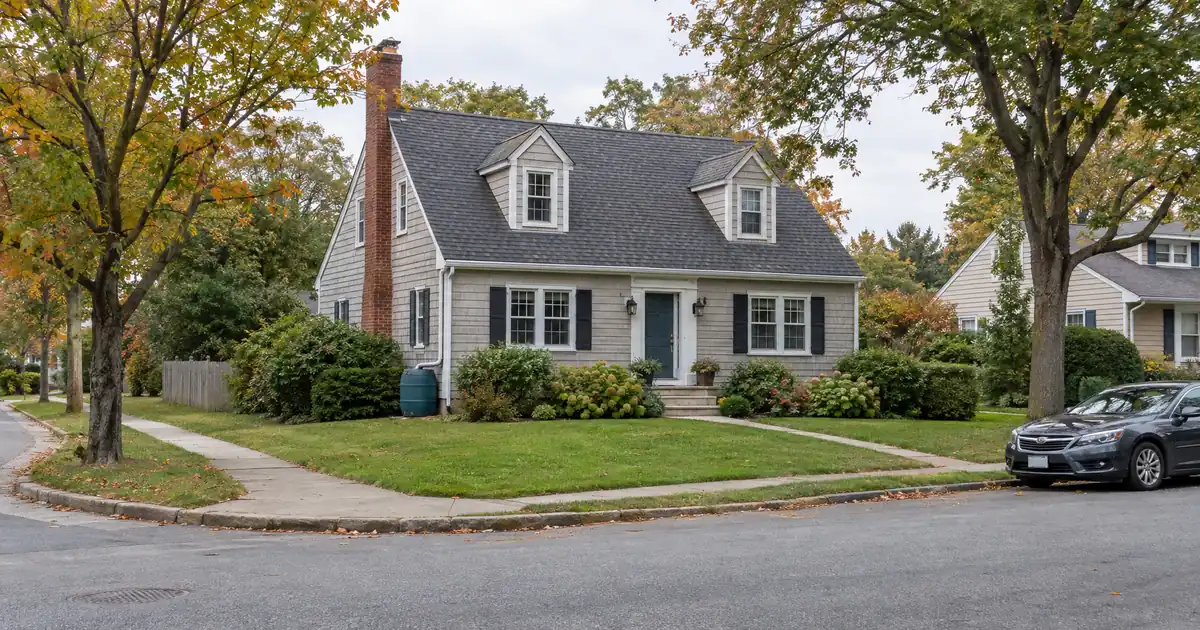
The Quick Read: Usually yes, on DSCR investor programs that accept entity borrowers: the LLC stays on title, signs the new note and mortgage, and you sign a separate personal guaranty. The new loan pays off the old lien at closing, and nothing gets deeded to your personal name. Being out-of-state adds entity paperwork, not a different loan.
- The LLC borrows and keeps title; you guarantee personally.
- DSCR loans qualify primarily on property-level rental income covering the payment, subject to lender guidelines.
- Your home state rarely decides anything. The property’s state and the LLC’s formation state matter more.
- Conventional lenders usually want personal-name title. That is lender policy, not a rule for investor loans.
- Never deed a mortgaged property into an LLC just to set up a refinance. That step carries real risk.
A quick definition before we go further. A DSCR loan is an investor loan that checks whether the rent covers the full monthly payment (principal, interest, taxes, insurance, and any HOA dues) rather than leaning on your personal income. If you want the full picture, Lendmire’s complete DSCR loans guide walks through it.
DSCR Cash-Out Calculator
Run the cash-out numbers in your market
Rate source: Freddie Mac 30-yr average via FRED® — Federal Reserve Bank of St. Louis · effective Oct 15, 2026
Prefilled with starting assumptions — enter your property’s value, balance, taxes, and insurance for a more accurate picture.
Program parameters update from Lendmire’s centralized guideline source. Taxes and insurance are editable estimates.
As of Oct 15, 2026 · General Freddie Mac market benchmark, not a Lendmire loan offer. Property value, balance, taxes, and insurance are editable estimates. Maximum loan-to-value varies by lender, program, property type, and seasoning. Not a Loan Estimate, approval, or commitment to lend. Program availability and eligibility are subject to lender guidelines, credit approval, property review, and underwriting.
Why Do Some Lenders Say “Move Title” and Others Don’t?
Conventional loans are built for individuals, so those lenders ask you to deed the property out of the LLC. DSCR lenders are built for investors and lend to entities as a matter of course. Same property, different product, different answer.
Across the wholesale network Lendmire works through, most DSCR programs accept an LLC as the borrower, subject to program entity eligibility. A few lenders lend only to individuals, so the question to settle first is whether the program takes entities at all.
That is why you hear “deed it out” so often. An investor who walks into a big retail lender gets that advice, and it is accurate for that lender. It just is not the only path.
Because an LLC rental is a business-purpose loan, it is reviewed differently from a standard owner-occupied mortgage. The lender decides the primary purpose of the credit case by case under the business-purpose exemption in the federal truth-in-lending rulebook. A tenant-occupied rental held by an LLC is the plain case.
Does Being Out-of-State Change Anything?
It changes your paperwork, not your eligibility. Three different states can be involved, and each does a different job. Keeping them apart is the whole trick.
| State | What it controls | Matters to the lender? |
|---|---|---|
| Where you live | Mailing address, signing logistics | Rarely a deciding factor |
| Where the LLC was formed | Entity existence, good standing | Yes, proof of good standing |
| Where the property sits | Title, closing process, local registration | Yes, usually the most |
Say you live in one state, formed your LLC in a second, and own a rental in a third. The lender wants proof the LLC exists and is in good standing. It also typically wants proof the LLC is registered to hold property where the rental sits.
That registration is called foreign qualification. “Foreign” here just means formed in another U.S. state, not offshore, as ZenBusiness explains. It registers your existing LLC in a second state. It does not create a second LLC.
Whether owning a rental alone triggers that registration depends on the state, so treat it as state-specific and ask an attorney or the property state’s Secretary of State. Even where the law does not require it, a lender may still ask for it as a program condition.
One real tradeoff: Wolters Kluwer notes that qualifying a single LLC in a second state exposes all of that LLC’s assets to its debts. Investors with several out-of-state rentals often weigh a separate LLC per state to ring-fence liability.
Where Does Your Title Sit Today?
Your starting position decides the path. Find your row.
| Starting position | What happens | Deed needed? |
|---|---|---|
| LLC holds title, loan in LLC’s name | Refinance pays off old lien | No |
| LLC holds title, loan in your name | New loan to LLC; old lien paid off | Usually no |
| Free-and-clear in the LLC | Cash-out refinance, proceeds as cash | No |
| Title in your personal name | Vest in LLC at refinance closing | Handled at closing |
| LLC owned by a trust or another LLC | Extra documents, more review | Lender-specific |
If the LLC already holds title, the refinance is simple. The old loan gets paid off and title does not move. Names must match everywhere: note, deed of trust, title policy, insurance, and lease. A mismatch is the most common thing that stalls an otherwise clean file.
What Are the Steps, and Who Does Each One?
Five steps cover it, and each has a clear owner.
1. Confirm vesting (you and the broker). Check that the LLC’s exact legal name is on title, insurance, and the lease.
2. Document signing authority (you or your attorney). The operating agreement or a resolution should authorize borrowing and name who signs for the LLC. Multi-member LLCs need this spelled out.
3. Sign the personal guaranty (you). The LLC does not remove the guarantor. Multi-member LLCs typically require guaranties from members above an ownership threshold the program sets.
4. Appraisal and rent schedule (lender’s appraiser). A single-family rental uses Form 1007. A two-to-four-unit property uses Form 1025. Title vesting does not change the coverage math.
5. Close (title company). The title company issues the policy in the LLC’s name and pays off the old lien from proceeds.
For an out-of-state owner, closing is mostly a logistics question. Ask the title company early about mobile or remote notary options, who signs for the LLC, and where proceeds are wired. Proceeds should route to the LLC’s own bank account, not your personal one. Property-state closing customs vary, including whether an attorney or a title company runs the closing, so confirm that up front.
What Does the Lender Look at Beyond the Entity?
The entity gets you in the door. The property and the guarantor decide the terms.
Across the network, purchase leverage on most files lands at 75%–80% LTV (loan-to-value, the loan as a share of the property’s value). A cash-out refinance on a standard rental tops out around 75% LTV, with about six months of seasoning, meaning a waiting period after you acquire the property, as the common expectation. Rate-and-term refinances can reach higher on select programs, subject to lender guidelines.
Credit matters on the guarantor’s side. A 620 floor exists in parts of the network, most programs want around 660, and 700+ opens the strongest leverage tiers. Reserves vary by lender, leverage, and loan size, commonly around six months of PITIA (the full monthly payment including taxes and insurance). Conservative rate-and-term files at modest leverage under $1,500,000 can see reserves waived, and larger loans typically step up to about nine months.
On coverage, 1.00 is where many select programs start, meaning rent equals the full payment. A separate select-lender path takes coverage below 1.00, with leverage and terms adjusted. Stronger ratios open better pricing and leverage.
One caution. Clearing 1.00 is not the same as positive cash flow. Repairs, vacancy, management, utilities, and capital expenses sit outside the calculation.
Standard programs run up to $3,000,000, and above $2,500,000 the network generally holds to 30-year fixed structures. Manufactured homes, log homes, and barndominiums are not offered through these DSCR programs, regardless of how the title is held.
Across files like these, the entity package is where timing quietly slips. Investors with LLCs formed years ago often discover an expired good-standing certificate or a missing foreign registration only after they apply. Pulling both before you start prevents the most common delay.
What If You Think About Deeding Out Anyway?
Deeding out is sometimes the right call, but it should be a deliberate choice, not a default. It makes sense if the only lender you can reach lends to individuals, or if you are comparing a program that does not accept entities.
The costs are real. Between the deed-out and the deed back, the property sits in your personal name, and you lose the LLC’s separation during that gap. It is also two transfers, which means added title work and possible seasoning questions.
The deed back is the riskiest part. Federal law generally lets a lender enforce a due-on-sale clause, which lets it demand full repayment when title transfers. The Garn–St Germain Act lists exceptions, including some for residential property with fewer than five units. As WealthCounsel explains, a transfer to an LLC is not on that list.
Many lenders never act on such a transfer, but the right exists. That is not a safe plan.
The same logic applies in reverse. If your rental is still in your personal name with a live mortgage, do not deed it into the LLC first. The cleaner route is to vest title in the LLC at the refinance closing, so the old loan is paid off in the same transaction.
You may see a claim that a land trust step is protected under the same law. That claim is unverified, and the protection depends on conditions the statute and regulation leave unclear. Treat it as something to run past an attorney, not a workaround.
Does the LLC Protect You From the Loan?
No. An LLC is not a shield from the lender. A personal guaranty is standard, so the loan typically stays recourse to you as a person.
What the LLC does protect is separation from the rest of your assets in many other situations, such as a tenant claim. It also keeps your name off public property searches in many cases, which some investors value for privacy. Those benefits are why many investors keep the entity in place through a refinance.
Two related myths are worth clearing. An LLC does not need its own credit or income, because the property’s rent drives lender review while your credit gets reviewed. And a “foreign” LLC is not offshore.
If you later move into the property yourself, that changes the picture. It stops being a plain business-purpose rental, so talk to your lender before any occupancy change.
Tax treatment can depend on how the funds are used and how the property is held; investors should keep clear records and speak with a qualified tax professional before relying on any deduction.
Worked Example: An Investor in One State, an LLC in Another, a Rental in a Third
Picture an investor who lives in one state and formed an LLC in a second. The LLC owns a duplex in a third state, and the title is clean and in the LLC’s name. The investor wants to replace the old loan.
Modeled assumptions: the rent schedule supports roughly 1.15x coverage on the full payment, and the refinance sits at 75% LTV or below on a standard rental. These are illustrative inputs, not market data. Terms vary by lender guidelines, property type, leverage, credit profile, and full file review.
The path runs like this. The investor pulls a current good-standing certificate from the formation state. The investor also confirms the LLC is registered in the property’s state. The operating agreement names who signs, and the investor signs the guaranty. The title company issues the new policy in the LLC’s name, and the old lien is paid off at closing.
Nothing was deeded. The investor never held the property personally. That is the whole point.
If coverage came in below 1.00 instead, a select-lender path in the network takes coverage under 1.00 with leverage and terms adjusted. Qualification stays subject to lender guidelines, credit approval, and property review.
Key Terms Defined
Vesting: how title is held, meaning whose exact legal name is on the deed.
Due-on-sale clause: a loan term letting the lender demand full repayment if the property’s ownership transfers.
Seasoning: the waiting period between acquiring a property and refinancing it.
Guarantor: the person who signs a personal promise to repay if the LLC does not.
Coverage ratio (DSCR): monthly rent divided by the full monthly payment, including principal, interest, taxes, insurance, and HOA dues.
Foreign qualification: registering an LLC formed in one state to operate in another state.
What to Confirm Before You Apply
- The program accepts entity borrowers.
- The LLC’s name matches title, insurance, and the lease exactly.
- The good-standing certificate is current, and foreign registration is in place if needed.
- The operating agreement names who signs and authorizes the borrowing.
- You know who the guarantors are, and each is ready to sign.
- Your title company can handle remote signing if you cannot attend.
This is general information, not legal or tax advice. Consult a qualified attorney or CPA about your own entity, state registration, and tax situation.
If you are buying or refinancing a rental property and want to see how the numbers work, Lendmire, a mortgage broker arranging DSCR financing through select lenders across 41 markets including Washington, D.C., can help you compare loan options based on the property income, credit profile, leverage, and investor goals. For the related mechanics, see Lendmire’s piece How to Refinance an Out-of-State LLC Rental With a DSCR Loan and its article on whether you can cash-out refinance an LLC rental without moving title. You can also reach the team at 828-256-2183.
Frequently Asked Questions
Do I have to live near the property I refinance?
No. Your home state rarely decides eligibility on a DSCR loan, because the file centers on the property’s rent and the guarantor’s credit. What matters is where the property sits and where the LLC is registered. Remote signing logistics are the practical piece to plan.
Does my LLC have to be formed in the same state as the property?
No, but the lender typically wants proof the LLC is registered to hold property where the rental sits. If it was formed elsewhere, that usually means foreign qualification in the property’s state.
Can I refinance a free-and-clear LLC rental?
Yes, subject to program eligibility. With no existing lien, the loan is a cash-out refinance, and all proceeds come to you as cash. Cash-out on a standard rental tops out around 75% LTV across most of the network, with about six months of seasoning as the common expectation. Exact terms depend on the lender’s guidelines, property type, leverage, and a full review of the borrower’s file.
Does the LLC make the loan non-recourse?
No. A personal guaranty is standard, so you stay personally liable. Multi-member LLCs typically need guaranties from members above a program-set ownership threshold.
What if my LLC is owned by a trust or another LLC?
These layered structures are possible on some programs, but they need extra documents and more review. The details are lender-specific, so confirm entity acceptance against the program before you apply.
For current guidelines and terms, see Lendmire’s DSCR loan programs page.
About Lendmire
Lendmire — NMLS# 2371349 — is a DSCR and non-QM mortgage brokerage with investor loan programs in 41 markets, including Washington, D.C. DSCR eligibility is commonly reviewed by the lender around property-level rent rather than personal income documentation, subject to lender guidelines, and the brokerage helps arrange financing for LLC-owned portfolios beyond conventional financed-property limits. Recognized by Scotsman Guide as a Top Mortgage Workplace in 2025 and 2026.
Get Started
Ready to find the right loan for you?
In about 30 seconds you can review financing options available for your investment property. No commitment required.
Informational only. Not a Loan Estimate, approval, or commitment to lend. Program availability and eligibility are subject to lender guidelines, credit approval, property review, and underwriting.
References
2. ZenBusiness, Out-of-State LLC
3. Wolters Kluwer, Doing Business in Another State
4. Cornell LII, 12 U.S.C. §1701j-3 (Garn–St Germain Act)
5. WealthCounsel, Transferring Title of Mortgaged Real Property
This article is part of Lendmire’s DSCR loan program — full qualification details, guidelines, and scenarios live on the program page.
Related reading: DSCR Purchase LTV vs Refinance LTV on a Rental Property · How an Out-of-State LLC Owner Refinances a Rental With a DSCR Loan · How to Refinance a DSCR Loan When Moving a Mid-Term Rental to Airbnb
Brandon Miller
Founder & CEO, Mortgage Loan Originator, Lendmire LLC
- Mortgage Loan Originator · NMLS# 1129696 · Verify on NMLS Consumer Access
- North Carolina Real Estate Broker · License# 343312 · Verify on NCREC
- North Carolina Insurance Producer · License# 19053198 · Property, Casualty, Life, Health · Verify on NAIC SBS
- Lendmire LLC · Firm NMLS# 2371349 · Verify firm licensure
Disclosure information. Lendmire is a state-licensed mortgage brokerage under NMLS# 2371349. Lendmire is not a depository institution, direct lender, or financial advisor — all loans referenced are placed through wholesale lender partners and are subject to each lender's underwriting standards. This article is provided for general informational purposes and is not a commitment to lend, nor does it constitute financial, legal, or tax advice. Loan programs, terms, rates, and qualification standards change without notice and depend on borrower profile, property type, and the state in which the subject property is located. Equal Housing Opportunity provider. NMLS Consumer Access: nmlsconsumeraccess.org.