
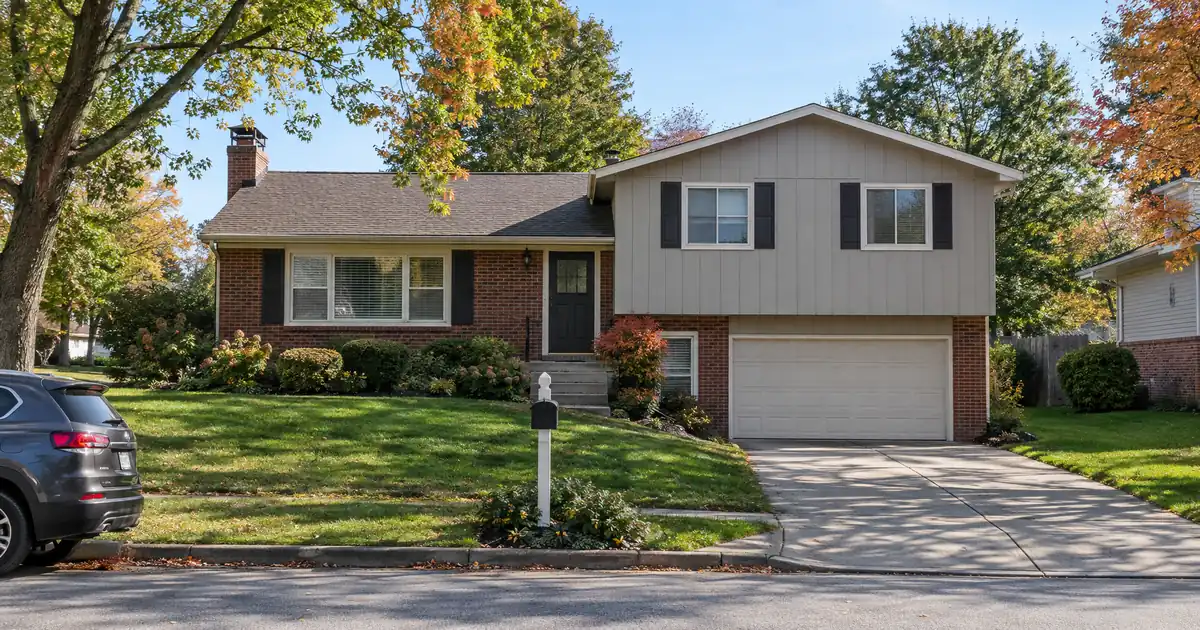
The Quick Read: A rental with no mortgage can still fund a roof through a cash-out refinance, because any new first-lien loan that returns cash to the owner is a cash-out, even when there is no old balance to pay off. Across most of the wholesale network, the loan tops out around 75% LTV on a cash-out of a standard investment property, and the new payment still has to be covered by the rent. Final terms depend on the lender’s guidelines, the property type, and the borrower’s complete credit picture.
- A paid-off rental is still treated as a cash-out, so cash-out leverage caps and seasoning apply.
- Cash-out on a standard rental tops out around 75% LTV; short-term rental collateral is lower, at 70%.
- About 6 months of ownership from title recording is the common seasoning expectation.
- Rent must cover the new payment at the program’s coverage floor, and 1.00 is where select programs start.
- A passing coverage ratio does not mean the property cash-flows after the roof bill. Each figure is subject to lender guidelines and a complete review of property type, leverage, and credit.
Does a Paid-Off Rental Count as Cash-Out?
Yes. A new loan on a free-and-clear rental is a cash-out refinance, because the whole loan, less costs, goes to the owner. There is no old lien to retire. This surprises owners who assume that no mortgage means a simple transaction with easier terms.
DSCR Cash-Out Calculator
Run the cash-out numbers in your market
Rate source: Freddie Mac 30-yr average via FRED® — Federal Reserve Bank of St. Louis · effective Oct 29, 2026
Prefilled with starting assumptions — enter your property’s value, balance, taxes, and insurance for a more accurate picture.
Program parameters update from Lendmire’s centralized guideline source. Taxes and insurance are editable estimates.
As of Oct 29, 2026 · General Freddie Mac market benchmark, not a Lendmire loan offer. Property value, balance, taxes, and insurance are editable estimates. Maximum loan-to-value varies by lender, program, property type, and seasoning. Not a Loan Estimate, approval, or commitment to lend. Program availability and eligibility are subject to lender guidelines, credit approval, property review, and underwriting.
Free-and-clear status does not raise the leverage ceiling. The same cash-out cap applies as on a property with a balance, and the same seasoning check applies. Many owners also assume a clean title earns extra leverage. It does not.
Proceeds on these files are not tied to one use. DSCR loans are designed for non-owner-occupied investment properties. Because they are business-purpose investor loans, they are reviewed differently from a standard owner-occupied mortgage. A roof on the collateral property is a natural business use, and it is easy to document.
How the Equity Turns Into Roof Money
The loan is sized as a percentage of appraised value, then tested against rent. The appraiser sets value. Value times the leverage cap gives the maximum loan. Because there is no payoff, the net amount you receive is the loan minus closing costs, any prepayment structure, and reserves the lender requires you to hold.
Run the numbers on a rental appraised at $400,000. At the 75% cash-out ceiling, the maximum loan is a fixed share of that value. The roof bill is rarely close to that ceiling. So the real decision is how much to borrow, not how much you can borrow. Leverage, reserves, and pricing vary by lender and program; the final terms follow the full file review.
That distinction matters. The roof contractor’s invoice is the target. Borrowing the maximum adds debt service you don’t need, and a larger loan lowers coverage. Sizing the loan to the roof bill plus costs and a cushion keeps the coverage ratio healthier.
How the Appraisal and the Roof Interact
The appraisal is where roof condition can show up. Appraisers estimate a roof’s remaining economic life. A roof near the end of its life can bring a value adjustment or a condition on the report. Consumer-facing explainers such as Opendoor describe this general mechanism, though they speak mostly to owner-occupied sales.
Whether a given DSCR program imposes a roof condition or a repair holdback is a lender-guideline question. Programs differ. Some ignore an aging roof if the appraiser notes no active damage. Others want the issue addressed. That is one reason a broker who sees many lenders’ guidelines is useful here.
The practical risk is a value hit that shrinks the loan below the roof bill. An active leak makes it worse, because damage can spread while the deal works. Photographs, a contractor estimate, and a written scope help the appraiser and the lender understand the condition. An appraisal can be reviewed through a reconsideration request if comps or condition adjustments look off, with documented recent sales to support it.
A completed roof may support a higher appraised value, depending on comps and underwriter review. Do not count on a specific lift.
How Underwriting Treats the File, Step by Step
This is the sequence on most files placed through the network.
1. Collateral and use. The property must be a non-owner-occupied rental. The roof is on that same property.
2. Appraisal. The report includes a rent schedule, using form 1007 for a single-family rental or form 1025 for a 2-4 unit property. Value drives the maximum loan.
3. Seasoning check. About 6 months of ownership from title recording is the common expectation for cash-out. A property bought for cash recently may be sized differently until that period passes. Delayed-financing treatment exists with some lenders, but terms vary.
4. Coverage test. DSCR compares rent to PITIA: principal, interest, taxes, insurance, and any association dues. Select programs start at 1.00. Stronger ratios open better pricing and leverage. A separate select-lender path takes coverage below 1.00, with leverage and terms adjusted.
5. Credit and reserves. A 620 floor exists in parts of the network, most programs want around 660, and 700+ unlocks the strongest tiers. Reserves commonly run around 6 months of PITIA, stepping up to about 9 months on loans above $1,500,000.
6. Funding and documentation. The new lien is recorded and net proceeds go to the owner. Keep the contractor invoice, proof of payment, the lease or rent evidence, and the settlement statement together.
Subject to lender guidelines, the file qualifies primarily on property-level rental income covering the payment. Credit, reserves, and property eligibility still apply. Loan sizes run up to $3,000,000 on standard programs (smaller balances available through select lenders), and balances under the standard minimum route through select lenders in the network.
For the broader program picture, see the complete DSCR loans guide.
The Coverage Test Is Not a Cash-Flow Test
Clearing 1.00 does not mean the property makes money. The ratio looks at rent against PITIA only. Repairs, vacancy, management, utilities, and capital spending sit outside it.
A roof makes this gap obvious. Say you take a loan sized to the roof, and rent covers the new payment at roughly 1.25x. The file may pass. But the roof was a real cash cost, and the new payment is a real monthly cost. Both come out of your pocket before profit.
A larger down payment on a purchase lowers the payment and can lift coverage. A cash-out is the opposite direction: more loan, more payment, lower coverage. Borrowing less than the cap is the lever you control. Our walkthrough on checking that the rent covers a cash-out refinance on a paid-off rental covers the ratio math in detail.
Where the General Rule Breaks
Several edge cases change the answer.
Short-term rental collateral. Cash-out on a short-term rental is capped lower, at 70%, versus 75% on a standard rental. Expect a 640+ score and about 12 months of hosting history. Short-term rental rules can vary by city, county, HOA, and property type, so investors should confirm local rules before relying on projected rental income.
Recent cash purchase. If you bought the property for cash within the last several months, seasoning is the issue. Some lenders size to purchase price plus documented rehab until the period passes. Others make you wait. Check this before you order the roof, not after.
Small cash back. Some lenders treat a very small cash amount at closing as a rate-and-term transaction. Thresholds vary by program, and a file that returns meaningful cash should be assumed to be cash-out. A rate-and-term refinance carries no cash back and runs a higher leverage ceiling, but it does not apply when you want roof money.
Roof as a condition. An end-of-life roof can lead to a required repair, a holdback, or a value adjustment. This is a lender-overlay question. FHA and VA have their own minimum-life standards, but those do not govern DSCR files.
Ineligible property types. Manufactured homes (single- and double-wide), log homes, and barndominiums are not offered in the network’s DSCR programs, however old the roof or large the equity.
Prepayment structure. Many DSCR programs carry a prepayment period. If you expect to sell or refinance again soon, factor that in before borrowing.
Repair or Capital Improvement? The Tax Read
Tax treatment can depend on how the funds are used and how the property is held; investors should keep clear records and speak with a qualified tax professional before relying on any deduction.
One point matters for planning. A full roof replacement is generally capitalized and depreciated, not deducted in one year. Landlord Studio explains the repair-versus-improvement split. A patch for a small leak is treated differently.
Structures and Variations
The spine is the 30-year fixed. Extended terms (40-year) and interest-only periods are available through select lenders in the network, and ARM structures exist for investors who want them. Interest-only can improve the coverage ratio on a roof-sized loan, though it changes how the balance behaves over time. Above $2,500,000, the network generally holds to 30-year fixed structures.
Below-1.00 coverage is available through select lenders in the network, with leverage and terms adjusted. No-ratio structures are available only through select lenders, generally for borrowers who already own a primary residence. Neither is the default path.
Key Terms Defined
Cash-out refinance: A new first-lien loan that returns cash to the owner after costs.
Free and clear: A property with no mortgage or other lien against it.
DSCR: The ratio of rent used for lender review to the full housing payment on the property.
Seasoning: The ownership period a lender expects before it allows cash-out, measured from title recording.
Capital improvement: Work that replaces or materially upgrades a major part of the property, such as a full roof.
The Investor Decision in Practice
Start with the roof bill and a contractor’s written scope. Then ask three questions.
First, does the property meet seasoning? If it was bought for cash recently, confirm treatment before committing. Second, does rent cover the new payment at a ratio the program accepts, with room to spare? Third, does the loan size leave enough cushion for costs and reserves without borrowing the cap?
Compare funding routes by what each does to the file. Paying cash drains reserves and may leave you short for the next deal. A cash-out preserves cash but adds permanent debt service. A smaller loan costs less to carry. On a paid-off rental with strong rent, borrowing just enough for the roof is often the cleaner structure. On a thin-rent property, the added payment may push coverage too low, and paying cash from reserves may be the better call.
A related article How to Cash-Out Refinance a Paid-Off Rental for a Roof or System Repair covers the repair-funding angle in more depth.
Terms for cash proceeds follow the use of funds, which is another reason to keep a clean paper trail from invoice to payment.
If you are buying or refinancing a rental property and want to see how the numbers work, Lendmire can help you compare DSCR loan options based on the property income, credit profile, leverage, and investor goals. Lendmire is a broker arranging financing through select lenders in its wholesale network across 41 markets, including Washington, D.C. Programs change, and every file is underwritten individually. Nothing here is a commitment to lend. Call 828-256-2183.
Frequently Asked Questions
Can I refinance a rental I own outright?
Yes. It is processed as a cash-out refinance. Cash-out leverage tops out around 75% LTV on a standard investment property, and about 6 months of ownership is the common seasoning expectation. Rent must also cover the new payment. Terms vary by lender guidelines, property type, leverage, credit profile, and full file review.
How much of the roof cost can I borrow?
Up to the cash-out ceiling, but the amount depends on appraised value, coverage, and reserves. Most investors do better borrowing just the roof cost plus closing costs and a cushion. A smaller loan keeps the coverage ratio stronger.
Does the age of the roof affect the loan?
Yes, it can. Appraisers estimate remaining economic life, and an end-of-life roof may bring a value adjustment or a repair condition. Lender overlays differ, so ask before ordering the appraisal.
If my coverage ratio passes, will the property cash-flow?
Not necessarily. The ratio compares rent to PITIA only.
Does a short-term rental get the same leverage?
No. Short-term rental cash-out is capped lower, at 70%, versus 75% on a standard rental.
For how equity extraction works on an investment property, see Lendmire’s guide to cash-out refinance on an investment property.
About Lendmire
Lendmire (NMLS# 2371349) is a mortgage brokerage focused on DSCR investor financing, helping arrange programs through wholesale and investor-lending channels in 41 markets, including Washington, D.C. DSCR loans are evaluated by the lender on property cash flow rather than personal income, subject to lender guidelines, supporting LLC closings and accommodating investors with four or more financed properties. Scotsman Guide Top Mortgage Workplace in both 2025 and 2026.
Get Started
Ready to find the right loan for you?
See your offer in seconds. No credit pull, no obligation.
Informational only. Not a Loan Estimate, approval, or commitment to lend. Program availability and eligibility are subject to lender guidelines, credit approval, property review, and underwriting.
References
1. Opendoor
This article is part of Lendmire’s investment property cash-out refinance program — full qualification details, guidelines, and scenarios live on the program page.
Related reading: How Lenders Underwrite a Short-Term Rental Cash-Out Refinance to Pay Off a Private Note · DSCR vs. Conventional Cash-Out Refinance for a St. Charles MO Rental
Brandon Miller
Founder & CEO, Mortgage Loan Originator, Lendmire LLC
- Mortgage Loan Originator · NMLS# 1129696 · Verify on NMLS Consumer Access
- North Carolina Real Estate Broker · License# 343312 · Verify on NCREC
- North Carolina Insurance Producer · License# 19053198 · Property, Casualty, Life, Health · Verify on NAIC SBS
- Lendmire LLC · Firm NMLS# 2371349 · Verify firm licensure
Disclosures. The information presented in this article is general market commentary, not financial, legal, or tax advice. Lendmire is a mortgage brokerage (NMLS# 2371349) — not a direct lender or depository institution — and loan placement is subject to lender underwriting. Nothing in this content represents a commitment to lend. Loan terms, pricing, and program availability vary based on borrower qualifications, property characteristics, and state of subject property, and are subject to change at any time. Lendmire complies with Equal Housing Opportunity requirements. Consumer access: nmlsconsumeraccess.org.