
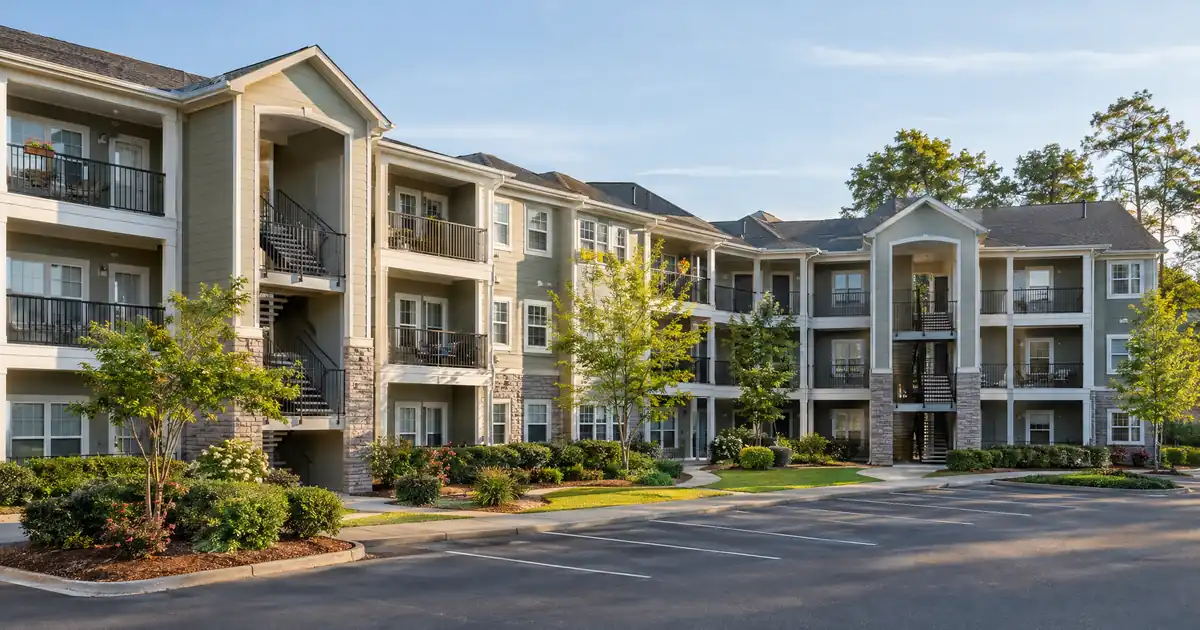
The Quick Read: A permitted basement apartment can usually be counted as rental income and as living space in the value, while an unpermitted one is often left out of both, so the loan is sized on what is legal. A jumbo loan is simply a loan above the agency size limit, and that size does not change this rule.
- Legality is set by the local building department, not by the lender.
- A permitted unit may support rent used for lender review through an appraisal-based market rent or an eligible lease, subject to program rules.
- An unpermitted unit is usually excluded from rent used for lender review and may be discounted in value. The deal has to work without it.
- Rent collected from tenants is not the same as rent a lender can count.
- Run the property-income test and the personal-income test before you order an appraisal.
The Honest Answer on Who Each Option Is For
A permitted unit is for the investor who wants the basement rent to carry real weight in the loan. An unpermitted unit is for the investor who can make the numbers work on the legal part of the property and treats the basement as upside. Here is the catch: the second investor takes on risks that sit outside the loan.
“Jumbo” only tells you the balance is above the agency limit. It says nothing about how the file is underwritten. A traditional full-documentation jumbo looks at your personal income. A DSCR loan looks at the property. DSCR stands for debt service coverage ratio, and it compares a property’s monthly rent to its monthly housing obligation. The two paths treat a basement unit differently, which is why the permit question matters before you pick one.
Side-by-Side
The columns below compare a permitted unit with an unpermitted one. The entity-vesting and reserve rows note how each loan path treats them: DSCR files in the wholesale network Lendmire places with, and traditional jumbo files by published industry norms, which vary by investor. Everything is subject to lender guidelines and individual underwriting.
| Factor | Permitted unit | Unpermitted unit |
|---|---|---|
| Legal status | Backed by permit sign-off or C of O | No approval on record |
| Review basis | Unit rent may count toward coverage | Often excluded from rent used for lender review |
| Documentation | C of O, plans, appraisal rent, lease | Appraisal legal-use notes, disclosure, insurance proof |
| Value treatment | Can count as a unit or living area | May be excluded or discounted |
| Property type | Can read as a legal 2-unit or ADU | May read as one unit plus finished space |
| Entity vesting | DSCR: LLC often allowed; jumbo: usually personal name | Same norms, with added insurance scrutiny |
| Reserves | Set by loan size and transaction type | Same, plus a cushion if the unit is excluded |
| Cure effort | None needed | Legalize, close on legal income, or switch programs |
Key Terms Defined
Certificate of occupancy (C of O): the local sign-off that a building, or a specific unit, is approved for its stated use.
Egress: a legal way out in an emergency, usually a code-sized window or a second exit. A basement with no windows and one door often fails here.
Legal non-conforming: a unit that was lawful when built but no longer matches current rules. It is grandfathered, which is different from illegal.
Rent used for program review: the rent a lender will count. It can be an appraisal-supported market rent or an eligible lease. It is not whatever the tenant happens to pay.
PITIA: principal, interest, taxes, insurance, and association dues. This is the full monthly housing obligation the rent is measured against.
Does a Jumbo Loan Change the Rules?
Not on legality. Loan size sets the scrutiny, the reserve expectations, and the documents. It does not rewrite what makes a unit legal. That comes from the local building department, usually shown on a C of O or a permit final.
On the DSCR side, the network Lendmire works with generally handles loans up to $3,000,000 on standard programs. Reserves vary by lender, leverage, and loan size. They commonly run around 6 months of PITIA, and loans above $1,500,000 typically step up to about 9 months. Strong coverage helps pricing and leverage. It does not erase a reserve rule or a property eligibility rule.
DSCR loans are designed for non-owner-occupied investment properties. Because they are business-purpose investor loans, they are reviewed differently from a standard owner-occupied mortgage. Lendmire’s complete DSCR loans guide covers the basics if the structure is new to you.
A brief contrast with the agency world is useful. Freddie Mac’s ADU guidance says an appraiser cannot ignore an accessory unit just because comparable sales are scarce. The analysis must be supported and documented in the report. That rule governs agency loans, not DSCR files. Still, it shows the direction of travel: the unit has to be addressed on paper, not waved away.
How the Appraiser and Underwriter See the Space
The appraiser reports what the property is and what the market supports. They are not a building inspector. They review public records and the visible facts, then give a legal-use conclusion, a view of the unit count, and a rent opinion.
Appraisers commonly use two forms for rent. Form 1007 covers a one-unit rent schedule. Form 1025, with its operating income statement, covers 2-4 units.
Then the underwriter applies the program rules to that report. If the basement counts, the unit adds to rent used for eligibility review. If it is excluded, the file is sized on the remaining legal rent.
Value is a separate question. Schumacher Appraisal’s overview of unpermitted additions explains that appraisers often leave unpermitted space out of finished area or discount it. Treatment varies by appraiser and by lender. Treat any claim of a uniform rule with suspicion.
Insurance is the other gate. Insurers may not stand behind an unapproved rental unit. Ask for written confirmation of coverage before you rely on the unit. A policy that excludes the basement leaves a hole no loan structure can fill.
Picture a property with two legal units and a third apartment in the basement. Say the two legal units alone cover the payment at about 1.05x. With the basement counted, coverage might climb toward 1.30x. Those are modeled assumptions, not market data. If the basement is unpermitted, the file is judged at 1.05x.
Now flip it. Say the legal units alone sit near 0.92x. The file now needs a different path. Coverage below 1.00 is available through select lenders in the network, with leverage and terms adjusted. A lender would still review it against credit, reserves, and the property.
One caution on the math. Clearing 1.00 is not the same as positive cash flow. DSCR compares rent to PITIA only. Repairs, vacancy, management, utilities, and capex all sit outside it. A basement unit that adds coverage on paper can still be a drag after real costs.
When a Permitted Unit Is the Better Fit
A permitted unit is the better fit when you want the rent to help carry the loan. It gives the appraiser a clean framework and gives the underwriter paper to point to.
Choose this route in these situations:
- You are stretching on leverage. On an investment-property purchase, most files land at 75% to 80% LTV. LTV is loan-to-value, the loan as a share of the property’s value. When the basement rent counts, coverage has more room, which can matter at higher leverage.
- Coverage is close to the edge. Many select programs start at 1.00. Counted basement rent can be the difference between clearing and missing. Stronger ratios also open better terms.
- You plan a cash-out later. A cash-out refinance on an investment property tops out around 75% LTV across most of the network. About 6 months of seasoning is the common expectation. A clean legal-use record makes that second appraisal easier.
- You want an easy exit. Disclosure and permit questions return at sale. Paper in hand removes the argument.
- You hold in an entity. Many DSCR programs allow LLC vesting, subject to program eligibility. A documented, insurable unit makes that file simpler to review.
Documentation is the price of admission. Pull the C of O or permit final from the building department, compare the unit count to the listing, and gather the lease or rent schedule. Ask the insurer to list the units on the declarations page.
Permitted does not mean higher value. A permit does not dictate the appraiser’s conclusion. It just makes the framework cleaner.
When an Unpermitted Unit Is the Better Fit
An unpermitted unit is rarely better in itself. It is the better fit when the price reflects the risk and the loan does not depend on the basement.
It can make sense when:
- The legal property stands on its own. If the legal units clear coverage without the basement, the apartment becomes upside. That is the workable structure: qualify on legal income only.
- You are pricing the space as storage. If the offer treats the basement as finished space and nothing more, the appraisal gap hurts less.
- A cure is realistic. Many jurisdictions allow retroactive permits if the work meets current code. MeasureFloorPlan’s explainer on unpermitted square footage covers this. Outcomes vary. Egress and ceiling height are the usual blockers.
- You can absorb the downside. Fines, deconversion orders, and insurance problems are real. They fall on you, not on the lender.
Here is a plain way to think about it. The stronger play might be buying the legal portion and treating the basement as a bonus. Investors who need the basement rent to qualify are betting on a unit the lender may not count. That is a genuine toss-up on price, but a poor bet on structure.
Egress deserves its own warning. A basement with no windows and a single way in and out is a common failure. Definitions are local, too. Skybriz’s explainer on New York City rules says a cellar sits more than half below curb level and almost never qualifies as a legal apartment. That is one city’s rule, shown only as an illustration of how strict local definitions can be.
On files where a basement unit is in question, the cleanest structures tend to share a pattern. The investor is reviewed on legal income alone, gets insurance confirmation in writing, and treats basement rent as a reserve cushion. The messiest files are the ones where the purchase price quietly assumed the basement rent from day one. The appraisal comes back with the unit excluded, and the whole deal shifts.
What to Check Before You Order the Appraisal
Order matters here. Do the homework first so the appraisal fee does not go toward the wrong program.
1. Pull records. Get the C of O or permit history from the local building department. Compare the legal unit count to what the listing claims.
2. Run both tests. Check the property-income path and the personal-income path. A full-documentation jumbo leans on your income and paperwork. A DSCR file leans on the property.
3. Check the physical basics. Look at windows, exits, and ceiling height. Fixing egress is often the hardest part.
4. Call the insurer. Ask whether the basement unit is covered and get it in writing.
5. Model without the basement. If the file fails without it, rethink the price or the program.
6. Plan for a low appraisal. Know your options before the report arrives. Those are negotiating a credit, legalizing, or walking away.
Cure Paths if the Unit Is Unpermitted
There are three honest paths. Legalize the unit first, which costs money and may not be possible. Close on the legal portion only, which keeps the deal simple. Or move to a different program that reviews the file another way.
Your credit also shapes the options. A 620 floor exists in parts of the network, and most programs want around 660. A score of 700 or higher unlocks the strongest leverage tiers. A stronger profile gives you more room if the appraisal shifts the numbers.
Bigger down payments help, but only to a point. More equity lowers the payment and can lift coverage. It does not erase leverage caps, credit floors, reserve rules, or property eligibility. The strongest files clear both tests: enough equity and enough rental coverage.
Property type matters too. Manufactured homes, log homes, and barndominiums are not offered in the network’s DSCR programs, and a basement apartment does not change that. Ask about property eligibility before you pay for anything.
For more on the jumbo side of the lender market, see Lendmire’s piece Bank Jumbo vs Wholesale Jumbo vs Credit Union Jumbo Loans.
The Verdict
Pick the permitted unit when the basement rent needs to do real work. It carries the documents, supports the appraisal, and keeps both the qualification and the exit clean.
Pick the unpermitted unit only when the legal part of the property clears coverage on its own and the price reflects the risk. Treat the basement rent as upside, not as qualifying income. Insurance and enforcement risk stay with you either way.
Tax treatment varies; consult a qualified professional.
If you are buying or refinancing a rental property and want to see how the numbers work, Lendmire can help you compare DSCR loan options based on the property income, credit profile, leverage, and investor goals. As a broker, Lendmire arranges financing through select lenders in its wholesale network across 41 markets, including Washington, D.C. Programs change, and every file is underwritten individually. Nothing here is a commitment to lend.
Frequently Asked Questions
Can I get a jumbo loan on a home with an unpermitted basement apartment?
It depends on the program. The loan can often proceed when the property qualifies without the unit. If the unit is excluded, the file is sized on the legal portion only. Illegal use, safety problems, and unsupported value are what stop a file, not unpermitted work by itself.
Does basement rent count toward qualifying income?
Rent from a permitted unit may count, through an appraisal-supported market rent or an eligible lease. Rent from an unpermitted unit is usually excluded. Collected rent does not automatically become qualifying income. Treatment varies by program and by lender.
Will the appraiser count it as a second unit?
Only if the evidence supports it. The appraiser reports legal-use status, zoning, and what the market supports. A basement without approval may be treated as finished space, a non-conforming use, or an illegal unit. Practice varies by appraiser, so ask for the legal-use commentary.
Does a permit make the basement legal to rent?
Not always. A building permit and legal rental status are separate questions. Zoning and certificate of occupancy status also matter. Check the local building department for the unit’s approved use.
Do I need an LLC for this type of loan?
Not necessarily. Many DSCR programs allow LLC borrowers, subject to program eligibility, while a traditional jumbo is typically in a personal name. Insurance and liability questions apply either way, since an LLC may not always shield personal assets.
About Lendmire
Lendmire — NMLS# 2371349 — is a mortgage brokerage specializing in DSCR investor loans, helping arrange financing across 41 markets, including Washington, D.C., through wholesale and investor-lending channels. The model centers on property-level rental income reviewed by the lender rather than W-2 documentation, subject to lender guidelines, suiting entity-owned and multi-property investors. Lendmire holds Scotsman Guide Top Mortgage Workplace recognition for 2025 and 2026.
Get Started
Ready to find the right loan for you?
In about 30 seconds you can review financing options available for your investment property. No commitment required.
Informational only. Not a Loan Estimate, approval, or commitment to lend. Program availability and eligibility are subject to lender guidelines, credit approval, property review, and underwriting.
References
2. Schumacher Appraisal, valuing unpermitted additions
3. MeasureFloorPlan, unpermitted square footage and appraisal
4. Skybriz, illegal basement apartment rules
This article is part of Lendmire’s DSCR loan program — full qualification details, guidelines, and scenarios live on the program page.
Related reading: Can a Tiny-Home Rental Qualify for a DSCR Loan? · DSCR Loan Requirements Versus a Local Bank’s Commercial Loan · DSCR Loan vs Bank Commercial Loan on a Small Apartment Building
Brandon Miller
Founder & CEO, Mortgage Loan Originator, Lendmire LLC
- Mortgage Loan Originator · NMLS# 1129696 · Verify on NMLS Consumer Access
- North Carolina Real Estate Broker · License# 343312 · Verify on NCREC
- North Carolina Insurance Producer · License# 19053198 · Property, Casualty, Life, Health · Verify on NAIC SBS
- Lendmire LLC · Firm NMLS# 2371349 · Verify firm licensure
Compliance and disclosures. Lendmire (NMLS# 2371349) is a licensed mortgage broker and is not a direct lender, depository institution, financial advisor, or tax professional. Content in this article is general market analysis and educational information — not financial, legal, or tax advice for any specific situation. Lendmire does not guarantee loan approval; every transaction is subject to underwriting by the funding lender. Mortgage pricing and loan program guidelines are subject to change at any time without notice and vary by borrower characteristics, property type, and state regulations. Lendmire complies with Equal Housing Opportunity. Licensure verification: NMLS Consumer Access.