
The Quick Read: A DSCR second lien is a separate loan recorded behind your existing first mortgage on one rental, and it qualifies primarily on property-level rental income covering the combined payment, subject to lender guidelines, as long as the combined loan-to-value fits the junior lender’s ceiling. The first loan stays in place, so you keep its terms. Every dollar of new debt lowers your coverage and raises your combined leverage at the same time.
- Two tests decide the file: combined leverage and combined coverage. Either one can fail on its own.
- Rent must cover the first payment, the second payment, taxes, insurance and any association dues together.
- Equity is not cash. The lender’s combined ceiling, not your equity, caps what you can pull.
- Clearing 1.00x coverage does not mean positive cash flow.
- Select lenders in Lendmire’s wholesale network offer these seconds, and every file is underwritten individually.
What Does “Portfolio” Mean Here?
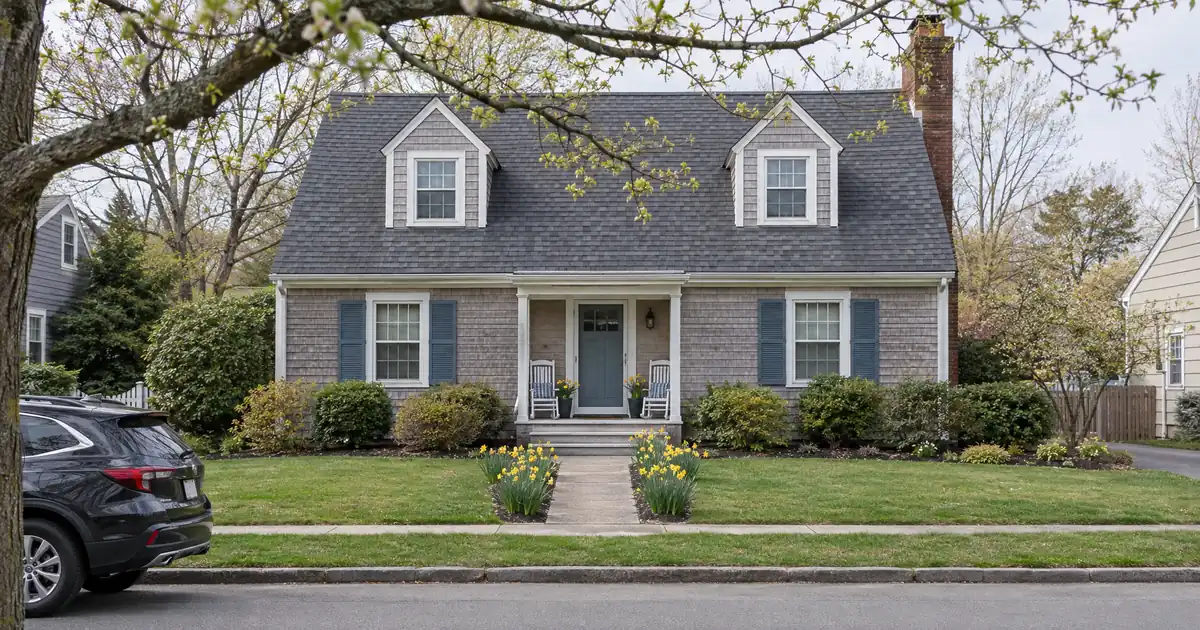
The phrase gets used three ways, and only one is the subject of this article. Here, it means a non-agency second lien on one house, owned by an investor who holds several rentals. Only that one house’s rent and value count.
| Reading | What it means | Covered here? |
|---|---|---|
| Bank “portfolio loan” | A loan a bank keeps on its own books | No, a different sense |
| Portfolio DSCR loan | One note secured by several rentals | Briefly, at the end |
| Second lien on one house | A junior loan behind a first, one property | Yes |
A portfolio DSCR loan, also called a blanket or cross-collateralized loan, is one note secured by several rentals. A single-house second is not that structure. Nothing from your other rentals gets pooled into the math.
Key Terms Defined
Second lien: A loan recorded behind your first mortgage, so the first lender gets paid first if the property is sold or foreclosed. Vanderbilt Law Review describes the junior holder as getting second dibs on the collateral, which is why second-position money is underwritten more cautiously.
CLTV (combined loan-to-value): Every loan against the property added together, divided by the property’s value. Plain LTV counts only the first mortgage.
DSCR (debt service coverage ratio): Monthly rent divided by the full monthly obligation on the property. Above 1.00x, rent covers the payment.
PITIA: Principal, interest, taxes, insurance and association dues. It is the payment side of the coverage ratio.
Closed-end second: A lump-sum loan with a fixed repayment schedule, as opposed to a revolving line you draw from.
How the Second Sits Behind the First
The underwriter runs the same two tests on every file. First comes combined leverage. Add the first balance to the proposed second and divide by the appraised value. The result must fit under the junior lender’s ceiling, which varies by program.
The room you have equals value times the ceiling, minus the first balance. A cheap first mortgage does not create extra room. Only a smaller balance or a higher appraisal changes the result.
Picture a house with the first lien at 45% of value. Use the 75% cash-out tier on standard rentals as a yardstick only, since second-lien ceilings vary by lender. That leaves about 30% of value as the maximum second. A lender with a lower ceiling shrinks it. A lower appraisal shrinks it too.
Second comes combined coverage. Rent stays the same, but the denominator grows. It now holds the first payment, the second payment, taxes, insurance and dues. Most programs across our network want to see that total covered, and 1.00x is where many select programs start. A stronger ratio opens better pricing and leverage.
One High-Equity House, Worked Through
Here is a modeled example, not a market figure. Assume a rental with plenty of equity and a first-lien coverage of 1.35x. A second adds to your total obligation, and the new coverage equals 1.35 divided by one plus the percentage increase.
| Size of the second | Obligation rises | Combined coverage |
|---|---|---|
| Modest | 10% | about 1.23x |
| Midsize | 25% | about 1.08x |
| Large | 40% | about 0.96x |
The same house passes, barely passes, then slips under 1.00x. Leverage can be fine in all three rows while coverage decides the outcome.
For the large second, a few options exist. A select-lender path takes coverage below 1.00x, with leverage and terms adjusted. You can also shrink the second or change its structure, which the next section covers. Whether any of this qualifies depends on lender guidelines, credit approval and property review.
What Levers Fix a Thin Second?
When coverage is tight, four moves help. None is guaranteed.
- Borrow less. A smaller second raises coverage and lowers leverage together.
- Stretch the term. Extended terms of 40 years exist through select lenders in the network, which lowers the payment being counted.
- Use an interest-only period. Select lenders offer this, but the payment steps up later.
- Skip the second. If the numbers fail, a cash-out refinance may serve better, or no new debt at all.
Across the files we place, the squeeze usually shows up in the denominator, not the leverage test. A thin first-lien ratio rarely survives a large second. A short insurance quote update before submission avoids surprises.
Second Lien or Cash-Out Refinance?
A cash-out refinance replaces the first loan and reprices the whole balance, leaving you with one payment. A second prices only the new money and adds a second payment. The classic reason to choose a second is a low-cost first mortgage you do not want to give up.
| Factor | Closed-end second | Cash-out refinance |
|---|---|---|
| First loan | Stays in place | Replaced |
| Payments | Two | One |
| What gets repriced | New money only | Entire balance |
| Standard rental ceiling | Set by junior lender | About 75% LTV |
| Choose it when | First loan is worth keeping | You want one clean loan |
The cash-out ceiling above applies to standard long-term rentals. Short-term-rental collateral tops out lower, at 70%.
To compare the two, add up the yearly cost of the first plus the second, then compare that total to the single new loan over the period you expect to hold the property. Use a method, not a guess at rates. The rate-and-term refinance ceiling is higher, but it moves no new cash.
Gates to Clear Before You Apply
The first lender’s permission. Federal law, 12 U.S.C. §1701j-3, bars a first lender from enforcing a due-on-sale clause just because a junior lien is created on a home with fewer than five units. Other covenants in your loan documents still need a read, and five-plus-unit properties fall outside that protection. Have counsel confirm your situation.
Title and vesting. Many second-lien products want individual or trust title, while many DSCR first loans allow an LLC, depending on program guidelines. Confirm how your deed reads before you apply.
Credit and reserves. A 620 score is a floor in parts of the network. Most programs want about 660, and 700 or higher unlocks the strongest leverage tiers. Reserves vary by lender, leverage and loan size. About 6 months of PITIA is common, rising to about 9 months above $1,500,000. Ask whether the lender sizes reserves on the combined balance.
Property eligibility. Single-family, townhome, condo and 2-4 unit rentals are typical. Manufactured homes, log homes and barndominiums are not offered.
Documentation. Expect a lease or an appraiser-supported market rent, plus the appraisal. DSCR loans are designed for non-owner-occupied investment properties. Because they are business-purpose investor loans, they are reviewed differently from a standard owner-occupied mortgage. The CFPB’s TILA examination procedures show the exemption turns on the loan’s real purpose, so use the funds for the business reason you state.
What Can Go Wrong
Clearing 1.00x is not positive cash flow. DSCR compares rent to PITIA only. Repairs, vacancy, management, utilities and capex sit outside the calculation.
Two payments also mean less room for a bad month. A vacancy that a single-loan file would absorb can strain a two-loan file.
Exit planning matters as well. If you later refinance the first, the second lender must agree to stay behind the new first loan, which is called subordination. At a sale, both liens are paid off in order. Plan for both before you borrow.
A larger down payment on a future purchase can lift coverage, but it never erases leverage caps, credit floors or reserve rules. The strongest files clear both tests: enough equity and enough rental coverage.
Beyond the One House
If you own several rentals, a second on your best-equity house is only one option. Another is the 30-year portfolio DSCR loan, which puts two to twenty rentals under one note and measures coverage on the pooled rents and debt service. Stronger properties can offset weaker ones. A rental below 1.00x can sit in the pool, but underwriting tests the pooled coverage, the leverage and the terms.
For the full picture of how these loans fit together, see the complete DSCR loans guide.
Frequently Asked Questions
Will my first lender object to a second lien?
For a home with fewer than five units, federal law generally stops the first lender from calling the loan only because a junior lien was recorded. Your note may carry other restrictions, so review the documents. The junior lender will also want to see that the first lien is acceptable.
How is coverage calculated with two liens?
Rent is divided by the first payment, the second payment, taxes, insurance and dues combined. Rent does not change, so each added payment lowers the ratio. Adding 25% to your total obligation, for example, turns 1.35x into about 1.08x.
Can an LLC borrow a second lien?
Sometimes, subject to lender program eligibility. Many DSCR first loans allow an LLC, while many second-lien products prefer individual or trust title. Check the program before you plan around entity ownership.
Can I do this on several houses?
Yes, but each second is its own file. Each house’s own rent and value drive its own test, and nothing is pooled unless you use a portfolio loan. Each added loan raises your total exposure, so tap one house first and review the results.
What happens when I refinance the first loan?
The second lender must agree to subordinate to the new first, or you pay it off at that refinance. A new first with a larger balance reduces your combined room, so run the combined leverage test again before you start.
Next Step
If you are buying or refinancing a rental property and want to see how the numbers work, Lendmire can help you compare DSCR loan options based on the property income, credit profile, leverage, and investor goals. Programs vary by lender and nothing here is a commitment to lend. The first thing to settle before any application is whether your coverage clears both loans together.
About Lendmire
Lendmire is a DSCR-focused mortgage brokerage, NMLS# 2371349, placing investor loans across 41 markets, including Washington, D.C. DSCR eligibility is generally reviewed by the lender around a property’s rental income rather than personal income documentation, which fits LLC-held rentals, self-employed investors, and portfolios scaling past conventional financed-property limits. Scotsman Guide named Lendmire a Top Mortgage Workplace in both 2025 and 2026.
Get Started
Ready to find the right loan for you?
In about 30 seconds you can review financing options available for your investment property. No commitment required.
Informational only. Not a Loan Estimate, approval, or commitment to lend. Program availability and eligibility are subject to lender guidelines, credit approval, property review, and underwriting.
References
1. Vanderbilt Law Review – Second Liens and the Leverage Option
3. CFPB / FFIEC TILA exam procedures
This article is part of Lendmire’s DSCR loan program — full qualification details, guidelines, and scenarios live on the program page.
Related reading: Can a Six-Unit Building and Two Houses Get a Portfolio DSCR Loan? · How a DSCR Lender Counts Furnished Rentals in a Portfolio · Can a DSCR Portfolio Loan Work When a Bank Caps Your Pool?
Brandon Miller
Founder & CEO, Mortgage Loan Originator, Lendmire LLC
- Mortgage Loan Originator · NMLS# 1129696 · Verify on NMLS Consumer Access
- North Carolina Real Estate Broker · License# 343312 · Verify on NCREC
- North Carolina Insurance Producer · License# 19053198 · Property, Casualty, Life, Health · Verify on NAIC SBS
- Lendmire LLC · Firm NMLS# 2371349 · Verify firm licensure
Legal disclosures. Lendmire (NMLS# 2371349) is a state-licensed mortgage brokerage that arranges financing through wholesale lender relationships. Lendmire is not a direct lender, depository institution, or registered financial advisor. The discussion above is general informational content about real estate financing — it is not financial, legal, or tax advice, and readers should consult licensed professionals for guidance on their individual circumstances. Loan inquiries are subject to lender underwriting; this article does not represent a commitment to lend. Loan terms, rates, and qualification standards vary by borrower, property, and state, and are subject to change at any time. Equal Housing Opportunity. NMLS Consumer Access: nmlsconsumeraccess.org.