
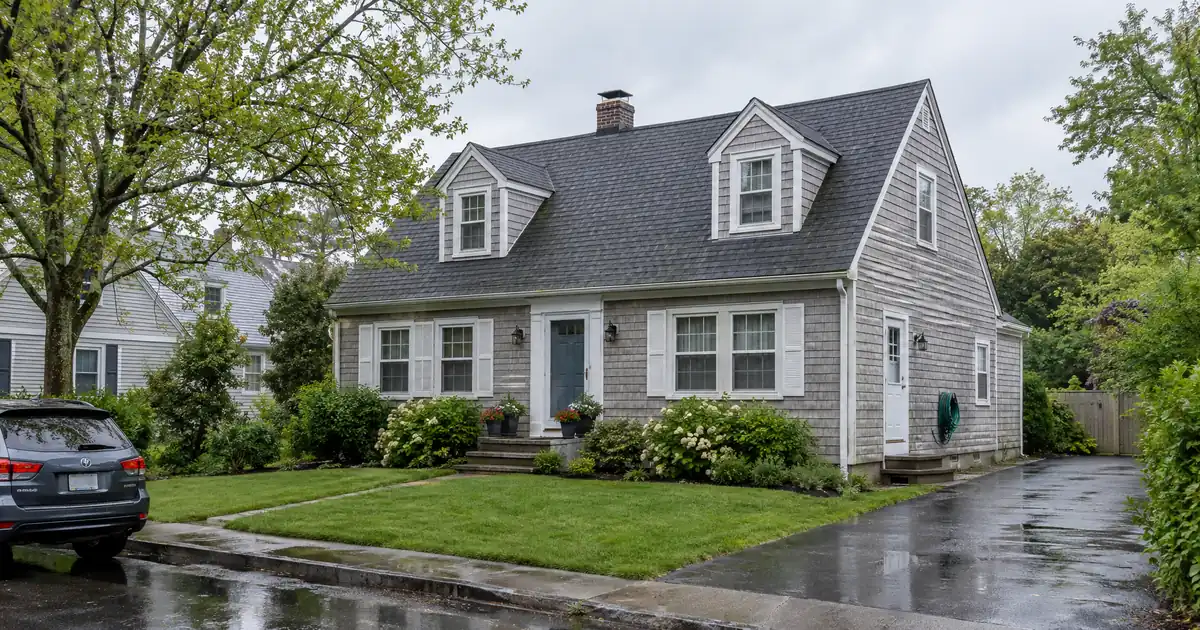
The Quick Read: Presenting several houses in one metro to a DSCR lender means packaging each property with its own rent evidence, value and carrying cost, then showing a pooled coverage ratio on top. A lender reviews the pool as one file only if the pieces match. Names, leases, insurance and appraisals have to tell the same story.
- Choose the structure first: separate loans on each house, or one note secured by all of them.
- On a 30-year portfolio DSCR loan, coverage is measured on pooled rent against pooled debt service, so stronger houses can offset weaker ones.
- Every house still needs a lease or an appraiser-supported market rent.
- Houses in one metro share a rent and value environment, so the file reads as concentrated, not diversified.
- Most of the work is paperwork: one clean list, one cover sheet, matching entity names across title, insurance and leases.
Subject to lender guidelines, none of this is a commitment to lend. Lendmire is a broker. It arranges these loans through select lenders in its wholesale network, across 41 markets including Washington, D.C.
What Is a Lender Actually Reviewing in a Same-Metro Pool?
A lender reviews three things per house: what it is worth, what it rents for, and what it costs to carry. Then it adds the houses together. The pooled ratio is total rent divided by total principal, interest, taxes, insurance and association dues. Clearing that ratio is a test, not a promise of cash flow.
Here, “portfolio DSCR loan,” “blanket loan” and “cross-collateralized loan” all name the same thing: one note secured by several rentals. A bank’s “portfolio loan,” meaning a loan the bank keeps on its own books, is a different sense of the word. Don’t mix the two when a lender says it.
“DSCR” and “blanket” are also separate choices. DSCR describes how the loan is reviewed, on the property’s rental income covering the payment. You can have a DSCR loan on one house, and you can have a pooled loan with many.
Key Terms Defined
Pooled coverage: total rent across the houses divided by total monthly debt service across the same houses.
Cross-collateralization: a structure where every property secures the one loan, so a problem with one can touch all. Law Insider’s definition lists dragnet, blanket and spreader clauses as forms of it.
Release provision: the loan-document term that lets you sell or refinance one house out of the pool, with a partial repayment.
Market rent: the appraiser’s rent conclusion for a house, as distinct from the rent in the lease.
Cover sheet: a one-page summary of the pool, one row per house, that a lender reads before opening the rest.
Which Structure Fits Houses in One Metro?
Two structures cover most same-metro files. Which one fits depends on how many houses you have, how long you plan to hold them, and whether you may sell one.
The 30-year portfolio DSCR loan puts 2 to 20 properties under one note. Loan sizes typically run from $300,000 to $5,000,000, with leverage up to 80% of value on a purchase or rate-and-term refinance. The coverage floor of 1.00 is measured on the pool. Property types include single-family, 2-4 unit, condo and townhome. Fixed and adjustable structures exist, with an interest-only period available.
The rental portfolio term loan is for five or more rental properties or units under one loan. Loan sizes typically run from $500,000 to $50,000,000, with leverage up to 75% of value. Terms are fixed at 3, 5, 7 or 10 years with a balloon at maturity. Recourse and non-recourse versions exist. A non-recourse loan looks to the real estate, with recourse limited to carve-outs such as fraud and bankruptcy. Small multifamily, meaning five or more units, is eligible only on this term loan.
Both are program ceilings, not quotes, and each is subject to lender guidelines. For the full picture of how DSCR files work, see Lendmire’s complete DSCR loans guide.
Why Does One Metro Help or Hurt the File?
A single metro makes the file easy to explain and harder to defend. Easy, because every house draws on the same rent comparables, the same local carrying-cost environment, and one labor market. Harder, because rents and values can move together. A soft quarter hits every house at once.
That is the lender’s view of concentration, and it is a reasonable one. Houses spread across several markets can sit under the rental portfolio term loan through multi-market cross-collateralization. A same-metro pool doesn’t get that diversification. This is the brokerage’s read of how files look, not a published rule. It means your presentation has to do the diversifying work through documentation: strong rent evidence per house, and a clear account of the submarkets involved.
Describe demand with facts a lender can check: rent levels, lease lengths, vacancy history and the employment base near each house. Skip adjectives about neighborhoods. They add nothing to the file.
Step by Step: Assembling the Presentation
Build the package in this order. Each step feeds the next, and skipping one tends to show up as a question later.
1. Choose the structure. Decide whether you are asking for separate notes or one pooled note. Separate notes test each house alone. A pooled note tests the sum.
2. Build the property list. One row per house: type, occupancy, ownership entity, rent, taxes, insurance and any association dues. Keep the format identical across rows.
3. Group by submarket. Cluster the houses by area inside the metro. Say what each cluster is, in plain terms, without claiming more precision than you have.
4. Document rent for every house. Each house needs a lease or an appraiser-supported market rent. Where both exist, the lower figure usually controls on DSCR files. That is common practice, not a published rule.
5. Expect an appraisal on each house. Each house is valued separately before anything is blended. A five-house pool means five appraisals. Value drives leverage. Market rent drives coverage.
6. Align entity, title and insurance. The name on the lease, the deed, the insurance binder and the loan application must match. Some structures require a special-purpose entity, typically an LLC, subject to program terms.
7. Compute per-property and pooled coverage. Show both. The pooled number is the one the loan tests, but the per-property number is the one a reviewer will check first.
8. Write the cover sheet. One page, ranked, with flagged exceptions at the bottom.
What Rent Evidence Does Each House Need?
Each house needs rent evidence that matches its status. A leased house is the easy case. A vacant or short-term rental house needs more support.
For a single-family house or one-unit condo, the appraiser typically completes a comparable rent schedule. Fannie Mae’s Form 1007 / Freddie Mac Form 1000 is the Single-Family Comparable Rent Schedule: the appraiser attaches it to the appraisal, and the lender uses it to get market rent. For two-to-four unit houses, Fannie Mae’s selling guide names Form 1025 alongside the 1007. These are form names only. Agency underwriting rules don’t govern DSCR files.
| Status | Core evidence | Add-ons |
|---|---|---|
| Leased, long-term | Signed lease, appraiser market rent | Proof of deposits |
| Month-to-month | Expired lease plus current rent roll | Recent payment history |
| Vacant | Appraiser market rent | Listing or marketing record |
| Short-term rental | Hosting history, nightly records | Separate STR documentation path |
Short-term rentals need special care. A mixed pool of short-term and long-term houses needs its own documentation path, and that varies by program. Short-term rental rules can vary by city, county, HOA, and property type, so investors should confirm local rules before relying on projected rental income.
The Cover Sheet Template
The cover sheet is the single most useful page in the package. It lets a reviewer see the pool without opening twenty documents. The sample below matches the modeled pool in the next section.
| Address area | Type | Submarket | Occupancy | Rent evidence | Standalone coverage | Flags |
|---|---|---|---|---|---|---|
| House 1 | SFR | North | Leased | Lease + appraisal | Strong | None |
| House 2 | SFR | North | Leased | Lease + appraisal | Strong | None |
| House 3 | 2-4 unit | Central | Leased | Lease + appraisal | Strong | None |
| House 4 | Condo | Central | Month-to-month | Rent roll | Moderate | Dues |
| House 5 | SFR | South | Vacant | Appraisal only | Thin | Vacant |
Use neighborhood or area names only. Leave street addresses for the loan application. Add a line at the bottom for pooled coverage and one line for exceptions you already know about.
A Worked Same-Metro Pool
Run the numbers on a modeled five-house pool, the same one shown on the cover sheet. These are assumptions, not market data. Three houses (two single-family and one 2-4 unit) cover their own payments at about 1.3x. One condo sits near 1.1x after association dues. One vacant house, supported only by an appraiser’s market rent, tests near 0.8x on its own.
Pooled, the five blend to a ratio comfortably above 1.00, because the three strong houses carry the weak one. That is how pooled testing works. Underwriting tests the pooled coverage, the leverage and the terms. The vacant house doesn’t need to clear on its own for the pool to clear, though the lender will still look at it.
Now remove the vacant house and re-cut. The four remaining houses blend to a higher ratio, and the file loses a property that would have needed explaining. Whether that is the better move depends on the investor’s goal. If the vacant house is the reason for the loan, it stays. If it is a loose end, financing it separately may keep the pool clean.
Handling the Weak Property
You have four options with a weak house: lead with it, group it, carve it out, or finance it separately. Hiding it isn’t one of them.
Leading with it works when the explanation is short, such as a vacant house with a signed lease about to start. Grouping it with its submarket neighbors works when the cluster’s comps support the rent. Carving it out works when it would otherwise delay the pool. Financing it separately works when it needs a different structure, such as a short-term rental history that the pool can’t absorb.
Pooling does not make a weak house disappear. A lender can still test it separately, and one problem asset can hold up the whole pool. Write one plain paragraph on each flagged house: what the issue is, what documents prove it, and what changes next.
Pool or Separate Loans?
Pool when you hold several houses you plan to keep, want one payment and one servicer, and the pooled ratio helps. Choose separate loans when you may sell soon, hold fewer houses, or want each house to stand alone.
| Factor | One pooled note | Separate notes |
|---|---|---|
| Coverage test | Pooled rent vs pooled debt | Each house alone |
| Weak house | Strong houses can offset it | Must qualify alone |
| Exit on one house | Depends on release terms | Sell or refinance freely |
| Servicing | One closing, one payment | Several of each |
| Default exposure | All collateral linked | Mostly contained |
Cross-collateralization cuts both ways. A pooled note can make the process simpler, but a default can reach every property in it. Even separate notes at one lender can be tied by cross-default language, so the loan documents decide, not the DSCR label.
Release terms deserve attention before signing. Release provisions typically price the sale of one house above its allocated balance, and the loan documents control. Ask what the pool must still cover after a house leaves.
Small pools often fit separate loans better. Programs set property-count and loan-size minimums, and two to four houses frequently fall short of them.
Don’t pool property the program won’t take. Owner-occupied property, co-ops, mixed-use and commercial property are ineligible in the pool. Manufactured and mobile homes are not reviewable on any of these programs.
Pre-Screening Questions to Ask Before Sending the File
Ask these before the package goes anywhere. The answers vary by lender, and a few minutes now saves a rework later.
- Is coverage tested on the pool only, or on the pool and each property?
- Which property types may share a pool, and may single-family, condos and 2-4 units mix?
- How does the release provision work, and what must the remaining houses cover?
- Is a special-purpose entity required, and does the loan carry a personal guarantee?
- How are vacant and short-term rental houses documented?
A pooled-credit floor typically starts at 640, and some portfolio structures want 680 or 720. Reserves vary by lender, leverage and loan size. On the term loan, reserves are held for taxes, insurance and capital expenditures.
What Stalls a Same-Metro File
Four things stall these files more than any others: mismatched names, rent gaps, ineligible property, and late additions.
A mismatched name is the most common. The LLC on the lease isn’t the LLC on the deed, or the insurance binder carries a prior owner. Fix the names before submission.
Rent gaps come next. A lease supports one number, the appraiser supports another, and the rent roll shows a third. Reconcile them in writing. Lenders typically use the lower supported figure.
An ineligible property is the third. One owner-occupied or mixed-use house inside the pool can hold up all the rest. Pull it out early.
The last is a house added late. Each new property needs its own appraisal, title work and insurance, and it reopens the pooled calculation. Fix the list first, then submit.
On a cash-out, inside the first six months the loan is also capped at 90% of total cost (purchase price plus documented improvements), and 100% of total cost from six to twelve months. The leverage ceiling still applies, so the loan is the lower of the two. After twelve months the appraised value alone is the basis. A rate-and-term refinance is not subject to the cost-basis cap. Cash-out never exceeds 75% of pooled value.
Tax treatment varies; consult a qualified professional.
Frequently Asked Questions
Can houses of different types share a pool?
Often yes, within limits. The 30-year portfolio DSCR loan accepts single-family, 2-4 unit, condo and townhome properties. Some lenders prefer similar collateral, so ask before assembling the list. Small multifamily of five or more units fits only the rental portfolio term loan.
Do all the houses have to be in one metro?
No. Same-metro is a way to organize a file, not a requirement. The rental portfolio term loan allows properties in several markets under one loan. Within one metro, you simply have less geographic spread to show.
Can I add a house after closing?
It depends on the loan documents. Substitutions and releases follow the lender’s terms. Adding a house typically means a new appraisal, title review and a recalculated pooled ratio, so plan the list before you submit.
What if one house is vacant?
It can sit in the pool on an appraiser-supported market rent, and underwriting tests the pooled coverage, the leverage and the terms. Expect the lender to look at that house individually, and explain it on the cover sheet.
Is a blanket loan the same as a portfolio loan?
For this article, yes: both mean one note secured by several rentals. A bank’s own portfolio loan, one it keeps on its books, is a different use of the word.
About Lendmire
As a DSCR and non-QM mortgage broker, Lendmire — NMLS# 2371349 — connects investors with wholesale lending channels across 41 markets, including Washington, D.C. The property’s rental income, not the borrower’s traditional personal-income documentation, is central to lender review, which works for self-employed operators and portfolios beyond four financed properties. Scotsman Guide named Lendmire a Top Mortgage Workplace in both 2025 and 2026.
Get Started
Ready to find the right loan for you?
In about 30 seconds you can review financing options available for your investment property. No commitment required.
Informational only. Not a Loan Estimate, approval, or commitment to lend. Program availability and eligibility are subject to lender guidelines, credit approval, property review, and underwriting.
References
1. Law Insider, cross-collateralization clause
2. Fannie Mae Form 1007 / Freddie Mac Form 1000
3. Fannie Mae Selling Guide B3-3.8-02
This article is part of Lendmire’s DSCR loan program — full qualification details, guidelines, and scenarios live on the program page.
Related reading: How a DSCR Lender Underwrites 150 Scattered Addresses · How a DSCR Lender Sweeps Cash From a Pool With Thin Coverage · How to Present a Rental Pool in One Subdivision to a DSCR Lender
Brandon Miller
Founder & CEO, Mortgage Loan Originator, Lendmire LLC
- Mortgage Loan Originator · NMLS# 1129696 · Verify on NMLS Consumer Access
- North Carolina Real Estate Broker · License# 343312 · Verify on NCREC
- North Carolina Insurance Producer · License# 19053198 · Property, Casualty, Life, Health · Verify on NAIC SBS
- Lendmire LLC · Firm NMLS# 2371349 · Verify firm licensure
Legal disclosures. Lendmire (NMLS# 2371349) is a state-licensed mortgage brokerage that arranges financing through wholesale lender relationships. Lendmire is not a direct lender, depository institution, or registered financial advisor. The discussion above is general informational content about real estate financing — it is not financial, legal, or tax advice, and readers should consult licensed professionals for guidance on their individual circumstances. Loan inquiries are subject to lender underwriting; this article does not represent a commitment to lend. Loan terms, rates, and qualification standards vary by borrower, property, and state, and are subject to change at any time. Equal Housing Opportunity. NMLS Consumer Access: nmlsconsumeraccess.org.