
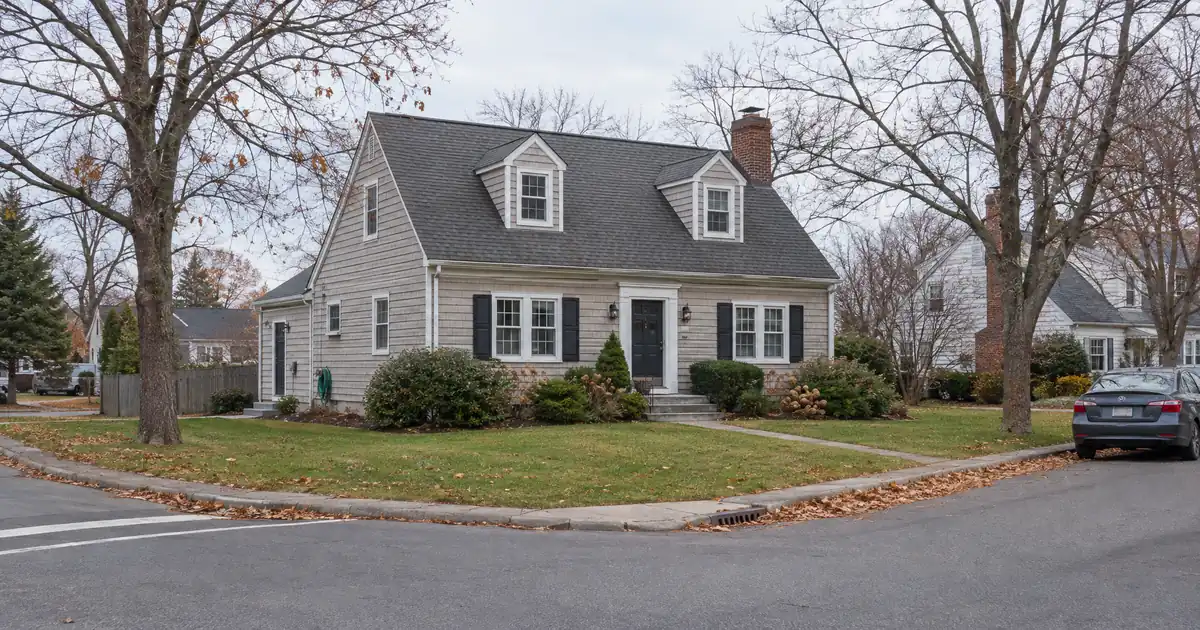
The Quick Read: The better choice depends on the loan program, not on a preference for one title. DSCR cash-out loans, which qualify the property on its rent, commonly lend to an LLC, while conventional loans are built around an individual borrower. In either case a person usually signs a personal guarantee, so the LLC does not remove personal liability.
- On a cash-out refinance of a standard rental, the network tops out around 75% LTV, with about 6 months of ownership expected.
- An LLC-titled rental on a DSCR program is underwritten on rent against the housing payment, plus the guarantor’s credit.
- Holding the property in your own name usually points to a loan underwritten on your personal income and debts.
- Retitling into your name, then back, adds steps and a transfer risk that staying in the LLC avoids.
- Either way, the lender reviews eligibility case by case. Nothing here is a commitment to lend.
Picture two investors with the same duplex and the same equity. One holds it in an LLC and wants to pull cash out without handing over traditional personal-income documentation. The other holds it personally, has steady traditional employment income, and has never needed an entity. They are both right, for different reasons. This piece referees the choice. Lendmire is a mortgage broker that arranges these loans through select lenders in its wholesale network, covering 41 markets, including Washington, D.C. For the wider picture, see the complete DSCR loans guide.
DSCR Cash-Out Calculator
Run the cash-out numbers in your market
Rate source: Freddie Mac 30-yr average via FRED® — Federal Reserve Bank of St. Louis · effective Oct 15, 2026
Prefilled with starting assumptions — enter your property’s value, balance, taxes, and insurance for a more accurate picture.
Program parameters update from Lendmire’s centralized guideline source. Taxes and insurance are editable estimates.
As of Oct 15, 2026 · General Freddie Mac market benchmark, not a Lendmire loan offer. Property value, balance, taxes, and insurance are editable estimates. Maximum loan-to-value varies by lender, program, property type, and seasoning. Not a Loan Estimate, approval, or commitment to lend. Program availability and eligibility are subject to lender guidelines, credit approval, property review, and underwriting.
Side-by-Side
The table compares the two routes. The “own name” column describes published industry norms for conventional-style personal loans. The LLC column reflects how DSCR files typically run across the network.
| Factor | LLC Borrows (DSCR) | Own Name |
|---|---|---|
| Review basis | Rent vs. housing payment, plus guarantor credit | Personal income, debts, and credit |
| Documentation | Entity papers, lease, appraisal with rent analysis | Pay stubs, traditional personal-income documentation, bank records |
| Entity vesting | LLC stays on title | Individual on title |
| Property types | Rentals; some types not offered | Broader, but owner-focused rules |
| Personal guarantee | Typically required | Borrower is personally liable directly |
| Reserves | Often around 6 months of PITIA, varies | Varies by lender and program |
| Extra steps | Entity documents must match | Deed out of LLC, possibly deed back |
| Timeline | Depends on file completeness | Adds title and recording steps |
PITIA means principal, interest, taxes, insurance, and any HOA dues. It is the full monthly housing obligation the lender measures rent against.
Key Terms Defined
DSCR (debt service coverage ratio): monthly rent divided by the full monthly housing payment. It shows whether rent covers the loan.
Personal guarantee: a signed promise that you will repay if the LLC does not.
Vesting: the name that holds legal title to the property.
Seasoning: the waiting period between buying a property and refinancing it. On a cash-out, about 6 months of ownership, measured from title recording, is the common expectation.
Due-on-sale clause: a mortgage term that lets the lender demand full repayment if the property is transferred without consent.
Cash-out refinance: a new loan that pays off the old one and returns extra cash from your equity.
How Does Each Route Actually Work?
The LLC route is the simpler one when the entity already owns the property. The LLC is the borrower, and a person guarantees the loan. The lender collects the articles of organization, the operating agreement, an EIN letter, and often a good-standing certificate. The operating agreement should show who can sign and who owns what. The appraisal includes a rent analysis, and the new loan pays off the old lien. Title, insurance, and the vesting name all need to match.
The own-name route has two versions. If you already hold the property personally, the file runs on your income, debts, and credit. If an LLC holds it today and the lender wants a personal borrower, the property is deeded to you before closing. Some owners then deed it back afterward. That second move is where the risk sits.
DSCR loans are designed for non-owner-occupied investment properties. Because they are business-purpose investor loans, they are reviewed differently from a standard owner-occupied mortgage.
When an LLC Is the Better Fit
An LLC fits when the property is already titled in the entity and you would rather keep it there. It also fits when your personal income is hard to document, as with self-employed investors or growing portfolios. On DSCR programs the loan is reviewed primarily on property-level rental income covering the payment, subject to lender guidelines.
The network’s numbers are straightforward. Cash-out refinances on standard rentals top out around 75% LTV. Short-term-rental collateral is lower, at 70% on a cash-out. Most programs want a credit score near 660. A 620 floor exists in parts of the network, and 700+ opens the strongest leverage tiers. Loan sizes run up to $3,000,000 on standard programs, and reserves commonly sit near 6 months of PITIA. Loans above $1,500,000 typically step up to about 9 months. These are typical ranges, not promises, and eligibility for LLC-titled borrowers depends on program guidelines.
Coverage matters too. A 1.00 ratio is where many select programs start, and stronger ratios open better terms. A separate select-lender path takes coverage below 1.00, with leverage and terms adjusted. Clearing 1.00 also does not mean the property cash-flows. DSCR counts only the housing payment, so repairs, vacancy, management, and utilities sit outside it.
There is also a plain logistical advantage. You skip two deeds, two rounds of title work, and the gap between them. For a rental you plan to hold for years, that matters.
When Your Own Name Is the Better Fit
Your own name fits when you hold the property personally already, your income documents cleanly, and you have no real reason to add an entity. It also fits the investor who owns one or two rentals and sees an LLC as paperwork with little payoff.
Be clear-eyed about what the LLC does and does not do. It can separate the property from third-party claims, such as a tenant injury. It does not erase your guarantee on the debt. If you were never going to use an entity, forcing one into a refinance adds cost and complexity.
Conventional-style lending is built around the individual. For contrast, the Fannie Mae Selling Guide acknowledges a borrower who originally bought through an LLC or partnership, provided the borrower owns 100% of it. That is an agency rule, and DSCR loans do not follow it. It shows how differently the two worlds treat an entity.
A HELOC is the other personal-name product. Investment-property HELOC lines cap at $500,000 total, and an LLC generally cannot hold title on a true HELOC. If you want to borrow against an LLC-titled rental, a refinance is the usual path.
What Is the Risk in Deeding Into or Out of an LLC?
The risk is the due-on-sale clause. Federal law, 12 U.S.C. §1701j-3, defines a due-on-sale clause and lists protected transfers for residential property with fewer than five units. A deed into an LLC is not among the listed transfers. Confirm that reading with counsel, because this is exactly the kind of question a real-estate attorney should answer for your loan.
A lender holding that option does not always use it. But “enforcement is uneven” is a poor plan. The safest sequence is the one that avoids the question: refinance in the name the lender expects, or keep the LLC on title and use a program that lends to it.
Be wary of workarounds. A land trust is sometimes pitched as a safe fix, but that claim has no verified support, and the statute’s protected transfers are narrow.
Do Business-Purpose Rules Change the Picture?
A little. Federal rules exempt credit extended primarily for a business purpose. The CFPB’s Regulation X points to the Regulation Z definition for that exemption. DSCR loans are business-purpose and exempt from TRID, so consumer-mortgage disclosure timing does not apply the same way. That also means fewer consumer protections.
The “business purpose” label is not automatic. It turns on the loan’s primary purpose. If you plan to live in the property, or the proceeds are meant mainly for personal spending, the analysis can change. Say why you are borrowing, and be honest about it.
Common Misconceptions
“An LLC loan means no personal liability.” A guarantee is typical. The LLC protects against outside claims, not against the lender.
“I can move the property into the LLC after closing and nobody cares.” The due-on-sale risk above is real.
“DSCR of 1.00 equals positive cash flow.” It does not. It compares rent to PITIA only.
“Any rental qualifies.” Manufactured homes (single- and double-wide), log homes, and barndominiums are not offered through these programs.
A Three-Property Scenario
Consider an investor with three rentals.
Property one sits in an LLC, has well over 6 months of ownership, and rents well above its housing payment. It fits a DSCR cash-out at up to 75% LTV with the LLC as borrower. Coverage in the low-1.2 range would put it in solid territory, subject to credit and reserves. Every figure here varies by lender and program — guidelines, property type, leverage, and credit profile all apply.
Property two is in the investor’s own name, with a W-2 spouse and clean documents. A personal-income loan could work here, and an LLC adds little unless the owner wants the liability layer.
Property three was bought recently. The seasoning expectation of about 6 months from title recording stands in the way, so the cash-out waits.
The same investor uses three different answers, which is the point. Match the route to the property.
What Stalls LLC Files
Most delays come from paperwork, not from the structure itself. Name mismatches between title, insurance, and the lease top the list. Others include a stale good-standing certificate, an operating agreement silent on borrowing authority, and a multi-member LLC where no one knows who must guarantee. Guarantor rules for multi-member entities vary by lender.
Working across many lenders’ guidelines, brokers see the same pattern. Files with clean, matching entity documents move through review with fewer questions. Files with mismatched names raise questions that have nothing to do with the property’s rent.
Which Path Fits You?
The decision table lists common starting points.
| Where you start | Usual route |
|---|---|
| Property in LLC, DSCR fits | LLC borrows, personal guarantee |
| Property in own name, strong documented income | Personal loan is workable |
| Property in LLC, lender wants personal title | Deed out, refinance, weigh deed-back risk |
| Recently bought rental | Wait for seasoning first |
Related reading: Lendmire’s piece DSCR vs Full-Doc Cash-Out Refinance for an LLC or Trust Rental goes deeper on documentation.
The Balanced Verdict
Choose the LLC when the property is already in it, when personal income is hard to document, or when you want the entity layer in place. Choose your own name when your documents are strong and the entity adds nothing you need. Avoid the deed-out, deed-back loop unless an attorney has signed off on it.
A larger down payment or more equity can lift coverage, but it never erases leverage caps, credit floors, reserve rules, or property eligibility. The strongest files clear both tests: enough equity and enough rental coverage. Tax treatment can depend on how the funds are used and how the property is held; investors should keep clear records and speak with a qualified tax professional before relying on any deduction.
This article is general information, not legal or tax advice. Consult a qualified attorney or CPA about your own situation. If you are buying or refinancing a rental property and want to see how the numbers work, Lendmire can help you compare DSCR loan options based on the property income, credit profile, leverage, and investor goals.
Frequently Asked Questions
Can an LLC get a cash-out refinance on a rental?
Yes, on programs built for it. DSCR cash-out loans commonly lend to an LLC, with a person signing a guarantee. The property is reviewed on its rent against the housing payment, and leverage tops out around 75% LTV on a standard rental. Eligibility depends on program guidelines.
Do I still sign a personal guarantee if the LLC is the borrower?
Typically yes. The LLC is the named borrower, but a guarantor stands behind the debt. For multi-member LLCs, which members must guarantee varies by lender and the operating agreement.
Does deeding my rental into an LLC trigger a due-on-sale problem?
It can, because a deed into an LLC is not among the transfers the federal statute protects, so a lender may have the right to call the loan. Whether a lender actually does varies. Ask an attorney before you transfer a mortgaged property.
Does the property have to be owned for a while before a cash-out?
Usually. Across most of the network, about 6 months of ownership, measured from title recording, is the common expectation for a cash-out.
Is a cash-out in an LLC easier than in my own name?
Easier for some, not all. If your personal income is hard to document, a DSCR loan in an LLC can be simpler. If your documents are clean and you hold the property personally, a personal loan avoids the entity paperwork.
For how equity extraction works on an investment property, see Lendmire’s guide to cash-out refinance on an investment property.
About Lendmire
Lendmire (NMLS# 2371349) is a DSCR-focused mortgage broker that helps arrange investor financing across 41 markets, including Washington, D.C., through wholesale and investor-lending channels. DSCR eligibility is generally reviewed by the lender around the property’s rental income rather than personal income documentation, subject to lender guidelines — which works for self-employed investors, LLC operators, and portfolios above four financed properties. Scotsman Guide named Lendmire a Top Mortgage Workplace in both 2025 and 2026.
Get Started
Ready to find the right loan for you?
In about 30 seconds you can review financing options available for your investment property. No commitment required.
Informational only. Not a Loan Estimate, approval, or commitment to lend. Program availability and eligibility are subject to lender guidelines, credit approval, property review, and underwriting.
References
1. Fannie Mae Selling Guide B2-1.3-03
2. 12 U.S.C. §1701j-3, U.S. House U.S. Code
This article is part of Lendmire’s investment property cash-out refinance program — full qualification details, guidelines, and scenarios live on the program page.
Related reading: Can a Veteran Use a VA Cash-Out to Fund a Business or a Rental? · DSCR Cash-Out vs Conventional Investor Cash-Out for an LLC Rental · How Much a First Rental’s Cash-Out Refinance Releases for Reserves
Brandon Miller
Founder & CEO, Mortgage Loan Originator, Lendmire LLC
- Mortgage Loan Originator · NMLS# 1129696 · Verify on NMLS Consumer Access
- North Carolina Real Estate Broker · License# 343312 · Verify on NCREC
- North Carolina Insurance Producer · License# 19053198 · Property, Casualty, Life, Health · Verify on NAIC SBS
- Lendmire LLC · Firm NMLS# 2371349 · Verify firm licensure
Legal disclosures. Lendmire (NMLS# 2371349) is a state-licensed mortgage brokerage that arranges financing through wholesale lender relationships. Lendmire is not a direct lender, depository institution, or registered financial advisor. The discussion above is general informational content about real estate financing — it is not financial, legal, or tax advice, and readers should consult licensed professionals for guidance on their individual circumstances. Loan inquiries are subject to lender underwriting; this article does not represent a commitment to lend. Loan terms, rates, and qualification standards vary by borrower, property, and state, and are subject to change at any time. Equal Housing Opportunity. NMLS Consumer Access: nmlsconsumeraccess.org.