
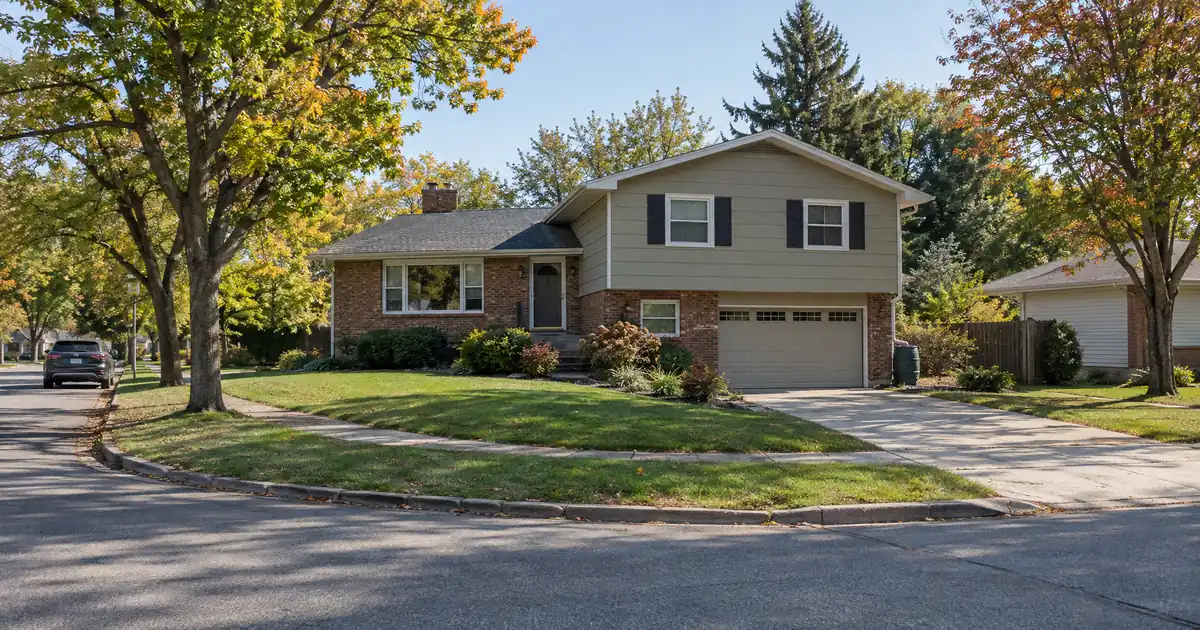
The Quick Read: Yes, a tenant under a signed lease does not block a rental refinance, because a tenant-occupied property is the normal condition for one, the lease carries through the closing, and the lender focuses on the rent the property earns and whether the paperwork proves it rather than on how many months remain.
- The lease stays in force. Nobody has to move out, and the tenant’s terms do not change.
- The lender typically counts the lower of the signed lease rent and the appraiser’s market rent.
- A below-market lease is the most common thing that limits a cash-out, not the lease end date.
- Title seasoning (how long you have owned the property) usually matters more than how long the tenant has lived there.
- An existing prepayment penalty can erase the benefit of refinancing early, so run that number first.
This article is about a landlord’s rental property and a tenant’s lease. It is not about a car or equipment lease.
Why a Tenant in Place Helps Instead of Hurts
A tenant paying rent is proof of income, and DSCR lending runs on that proof. DSCR stands for debt service coverage ratio. It compares the property’s rent to its monthly payment of principal, interest, taxes, insurance, and any HOA dues (together, PITIA). A signed lease with rent actually flowing is the cleanest evidence a lender can ask for.
A vacant property reverses that. With no tenant, the file leans on the appraiser’s market-rent opinion alone. That is workable, but it is a thinner file.
Across the wholesale network of lenders Lendmire works with, the pattern is consistent: investors worry about the wrong date. They ask how many months are left on the lease. Underwriters ask different questions. What rent counts, can you document it, does it cover the new payment, and do leverage and seasoning clear program limits?
How the Lease Actually Enters the File
The lease enters underwriting in a few concrete steps. Here is the sequence on most files.
1. Lease and rent proof. The file needs an executed lease with matching tenant names, a stated rent, and a stated term. A security-deposit receipt and a bank trace of rent payments back it up.
2. Appraisal with a rent schedule. The appraiser reports the property’s value and its market rent. For a one-unit property that rent schedule is typically Form 1007. For two to four units it is Form 1025.
3. Which rent counts. On most files in the network, the rent used for lender review is the lower of the signed lease and the appraiser’s market rent.
4. Coverage test. That rent used for lender review is divided by PITIA on the new loan, which is often larger than the old one on a cash-out.
5. Payoff of the old loan. The payoff statement and any prepayment penalty come into play here.
Fannie Mae hosts Form 1007 as an attachment the appraiser prepares for a single-family investment property. These forms are just the appraiser’s worksheet. They do not set DSCR program rules.
The McKissock appraisal education blog explains that Form 1007 estimates monthly market rent and, on a refinance, is used together with lease agreements or traditional personal-income documentation. It also makes the key point that the lender, not the appraiser, makes the final call on income. So the appraiser does not set your income. The appraiser gives an opinion of market rent, and the lender decides what counts.
Lease Status at a Glance
| Lease situation | What the lender leans on | What helps |
|---|---|---|
| Fixed term, time left | Lower of lease and market rent | Lease, deposit receipt, bank trace |
| Nearing expiration | Same, but renewal looks stronger | Signed renewal at market rent |
| Month-to-month | Often market rent alone | Documented rent history |
| No written lease | Market rent, weaker file | Written lease, payment records |
| Vacant | Appraiser’s market rent | Clean appraisal, solid comps |
Month-to-month and unwritten tenancies are usually workable, just weaker. If you can convert one into a written lease before applying, do it.
Does the Time Left on the Lease Matter?
Less than you would expect. The lease carries through the closing, and a short remaining term does not by itself sink a file. What helps is clear evidence that rent is being paid at a level the property supports.
Where it can matter is the gap between application and closing. If a fixed term ends while the file is in process, the tenancy may convert to month-to-month. The file then leans more on market rent and payment history. A renewal signed before you apply removes that wrinkle.
Should You Renew Before You Apply?
Often yes, and especially if the existing lease is below market. This is the most common way a long-term tenant hurts a cash-out. Say a tenant has paid the same rent for years while the market moved up. The appraiser’s market rent might support a higher figure. But on most files the lower number counts, so coverage and proceeds stay capped by the old lease.
The fix is a market-rate renewal before you apply. The tenant has to agree, and a rent increase is a conversation with a real person, not a paperwork exercise. If the tenant will not agree, you are working with the lease rent, and you should size the deal that way.
The reverse does not help. A lease above market adds nothing, because the lower figure generally counts. For a deeper look at this, see Lendmire’s piece Refinancing a Rental Property With a Below-Market Lease: How the Market Rent Analysis Is Used.
What Happens to Your Tenant
The tenant’s lease does not change because you refinanced. Same rent, same term, same rights. Your obligations to the tenant under the lease and local rules stay what they were.
The practical impact is the appraisal. An occupied property needs a scheduled visit, so give the tenant proper notice under your lease and local rules. A cooperative tenant makes this a non-event. An uncooperative one can add delay before the appraiser sees the inside. If your relationship with the tenant is good, a short heads-up about what is happening and why smooths everything.
Edge Cases That Change the Picture
New tenant, no rent paid yet. A signed lease plus deposit may be enough at some lenders, but this is lender-specific. Treat that as anecdotal, and ask before you count on it.
Vacant property. The appraiser’s market rent carries the file.
Multi-unit. Each unit’s lease, a rent roll, and the Form 1025 are needed. Empty units are generally underwritten at market rent.
Short-term rental. Form 1007 is built for monthly leases, not nightly rent. It does not assess business income, and the lender decides income from platform history or data. Short-term rental rules can vary by city, county, HOA, and property type, so investors should confirm local rules before relying on projected rental income. Across the network, short-term rental programs typically want a 640+ score and about 12 months of hosting history, with leverage set lower than on standard rentals.
Former primary residence. DSCR loans require a non-owner-occupied investment property. The move-out and the new lease have to be documented.
Property held in an LLC. Loans to entity-titled properties are available, subject to lender program eligibility.
Lease with an option to buy. A recorded option can complicate title and narrow lender appetite, and a tenant who exercises it could end the loan early. Flag it up front.
Seasoning: Title, Not Tenant
Seasoning is the waiting period a lender wants between two events. On a cash-out refinance, that usually means how long you have owned the property. Across most of our network, cash-out files want about 6 months of seasoning on title. Most lenders look at title seasoning rather than how long the current tenant has been in place. A minority of lenders want the tenant in place for a set period, so if you have a brand-new tenant, ask before assuming.
The Prepayment Penalty Trap
This one catches investors who already hold a DSCR loan. A refinance is a payoff. If your existing loan carries a prepayment penalty, it comes due when the old loan is paid off. The fee is usually figured on the unpaid balance and reduces your proceeds.
The penalty does not enter the coverage ratio. The larger new balance does. And the new loan typically starts a fresh penalty clock rather than inheriting the old schedule. Structures are commonly a multi-year step-down, though some lenders now write mostly no-penalty loans to keep refinancing open.
Before you start, compare the penalty with what you expect to gain. An early refinance that costs a year-two penalty can lose to simply waiting.
What the Numbers Need to Show
The lease question is half the story. The other half is whether the file clears program limits. On a cash-out refinance, leverage typically tops out around 75% LTV across most of the network, and LTV (loan-to-value) is simply the loan balance divided by the property’s value. Select programs for rate-and-term refinances can reach higher, with a ceiling around 85% on the strongest files.
On coverage, 1.00 is where many select programs start. A separate select-lender path takes coverage below 1.00 with leverage and terms adjusted. Stronger ratios generally open better pricing and leverage. Credit matters too. A 620 floor exists in parts of the network, most programs want around 660, and 700+ unlocks the strongest leverage tiers. Reserves commonly run about 6 months of PITIA, stepping up to about 9 months on loans above $1,500,000. All of this is subject to lender guidelines, and every file is underwritten individually.
One caution on how to read the ratio. Clearing 1.00 is not the same as positive cash flow. DSCR compares rent to PITIA only. Repairs, vacancy, management, utilities, and capital expenses sit outside the calculation, so size the deal with those in mind. The strongest files clear two tests: enough equity and enough rental coverage.
A few property types are simply not offered in the network’s DSCR programs: manufactured homes (single- and double-wide), log homes, and barndominiums.
For the full picture of how these programs fit together, see Lendmire’s complete DSCR loans guide.
A Three-Lease Walkthrough
Take one duplex-sized rental and run it through three situations, using coverage ratios instead of dollars.
Fixed-term lease, at market. The lease, deposit receipt, and bank trace line up with the appraiser’s rent schedule. Rent used for lender review is the same either way, and coverage is clean. This is the easiest file.
Fixed-term lease, well below market. The appraiser’s market rent is higher than the signed lease, so the lease rent counts. Coverage lands noticeably lower than the property’s real potential, and proceeds shrink with it. A market-rate renewal before applying could move coverage up, if the tenant agrees.
Month-to-month tenancy. There is no term to anchor to, so the file leans on market rent and payment history. It is usually workable with a clean rent trail. A written renewal would make it stronger.
The property, the payoff, and the leverage are identical in all three. Only the paperwork and the rent figure changed, and that is exactly the point.
A Practical Timeline Before You Apply
Think in three stages, not in days.
Early. Pull the payoff statement and check for a prepayment penalty. Compare the lease rent with what the property would likely rent for today. If there is a gap, decide whether a renewal is realistic.
Middle. Get a written, signed lease in place if you do not have one. Gather the deposit receipt, bank records showing rent paid, and a current rent roll for any multi-unit property.
Just before applying. Tell the tenant an appraiser visit is coming, and ask for a convenient window.
Mistakes That Stall a Mid-Lease Refinance
- Missing proof that rent is actually being paid.
- An unwritten or verbal agreement with no documents behind it.
- Assuming a high lease rent will boost the loan when market rent is lower.
- Ignoring a prepayment penalty until the payoff statement arrives.
- Surprising the tenant with an appraiser visit.
An investor with a rent roll that is clean and documented usually has an easier file than one with a longer lease and messy records. Rent roll hygiene before applying can matter more than the lease end date.
If you are buying or refinancing a rental property and want to see how the numbers work, Lendmire can help you compare DSCR loan options based on the property income, credit profile, leverage, and investor goals. You can also reach the team at 828-256-2183. Lendmire is a broker arranging financing through select lenders in its wholesale network across 41 markets, including Washington, D.C., and nothing here is a commitment to lend.
Key Terms Defined
DSCR (debt service coverage ratio): The property’s rent used for program review divided by its monthly payment of principal, interest, taxes, insurance, and HOA dues.
PITIA: Principal, interest, taxes, insurance, and association dues, the full monthly obligation on the loan.
Market rent: The appraiser’s opinion of what the property would rent for today, reported on the rent schedule.
Seasoning: The waiting period a lender wants, usually how long you have owned the property before a cash-out.
LTV: Loan-to-value, the loan balance as a percentage of the property’s value.
Prepayment penalty: A fee charged when a loan is paid off before a set period ends.
Frequently Asked Questions
Does my tenant have to agree to the refinance?
No. A refinance is between you and the lender, and the tenant’s lease is unchanged. What you do need is access for the appraiser, so give notice as your lease and local rules require. Consent only enters the picture if you want to renew at a higher rent first.
Can I refinance if the lease expires during the process?
Usually yes, but the file gets weaker. The tenancy may turn month-to-month, and the lender may lean on market rent and payment history. A signed renewal before you apply avoids the issue. Lender requirements differ, so ask before you start.
Is a month-to-month tenant a problem?
Not by itself. Month-to-month tenancy is often workable, though the file is weaker than one with a fixed-term lease. Documented rent history and a written agreement help most.
Can I raise the rent right before I refinance?
You can, if your lease and local rules allow it, and it may help if the lease sat below market. Remember that the lower of lease and market rent generally counts, so a documented, signed increase matters more than an informal one.
What if my tenant will not let the appraiser in?
Access problems cost time before the appraiser sees the inside. Start with proper written notice under your lease and local rules, and offer flexible windows. A tenant who is kept informed is usually cooperative.
About Lendmire
A non-QM mortgage broker (NMLS# 2371349), Lendmire arranges DSCR financing for real estate investors in 41 markets — 40 states plus Washington, D.C. Because deals are underwritten primarily on property cash flow rather than personal income documentation, the structure suits self-employed buyers and entity-owned portfolios. Lendmire places loans through wholesale investor lenders; it is not a direct lender. Scotsman Guide named Lendmire a Top Mortgage Workplace in both 2025 and 2026.
Get Started
Ready to find the right loan for you?
In about 30 seconds you can review financing options available for your investment property. No commitment required.
Informational only. Not a Loan Estimate, approval, or commitment to lend. Program availability and eligibility are subject to lender guidelines, credit approval, property review, and underwriting.
References
1. Fannie Mae Form 1007 (hosted)
2. McKissock Appraisal: Form 1007 and short-term rental appraisals
This article is part of Lendmire’s DSCR loan program — full qualification details, guidelines, and scenarios live on the program page.
Related reading: How to Refinance an Existing DSCR Loan Without Losing the Savings · How to Pull Cash From a Rental Without Refinancing a Low First Lien · How to Refinance a Rental Held in an LLC With a DSCR Loan
Brandon Miller
Founder & CEO, Mortgage Loan Originator, Lendmire LLC
- Mortgage Loan Originator · NMLS# 1129696 · Verify on NMLS Consumer Access
- North Carolina Real Estate Broker · License# 343312 · Verify on NCREC
- North Carolina Insurance Producer · License# 19053198 · Property, Casualty, Life, Health · Verify on NAIC SBS
- Lendmire LLC · Firm NMLS# 2371349 · Verify firm licensure
Compliance and disclosures. Lendmire (NMLS# 2371349) is a licensed mortgage broker and is not a direct lender, depository institution, financial advisor, or tax professional. Content in this article is general market analysis and educational information — not financial, legal, or tax advice for any specific situation. Lendmire does not guarantee loan approval; every transaction is subject to underwriting by the funding lender. Mortgage pricing and loan program guidelines are subject to change at any time without notice and vary by borrower characteristics, property type, and state regulations. Lendmire complies with Equal Housing Opportunity. Licensure verification: NMLS Consumer Access.