
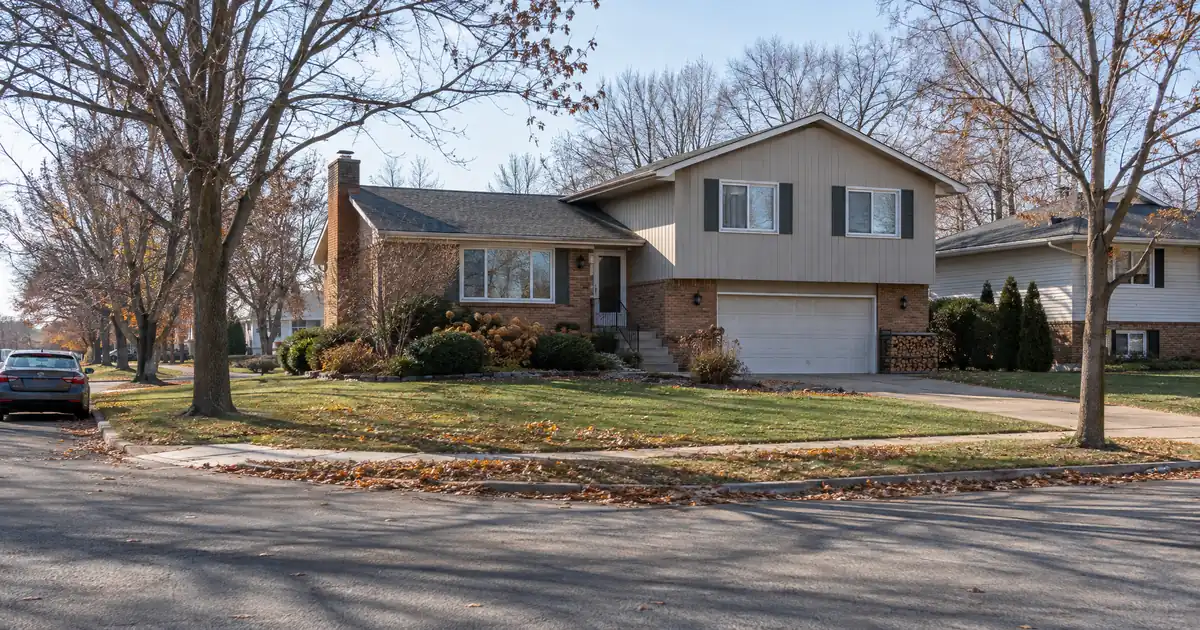
The Quick Read: The tenant already in place does not block a DSCR refinance, because the lease continues under the same landlord, but the lease, the rent proof, and the appraiser’s market rent decide how much coverage the file shows and therefore how the loan is sized, subject to lender guidelines. The tenant is part of the income, not a legal obstacle. The paperwork behind that tenant is what a lender reviews.
- The lease survives a sale or a transfer from an estate. A refinance does not change the landlord or the tenancy at all.
- Lenders on most files count the lower of the signed lease rent and the appraiser’s market rent.
- The new payment (PITIA) on the new loan sets the ratio, not the old payment.
- A below-market legacy lease is a common reason the coverage number comes up thin.
- Inherited property needs clean, recorded title before the rent question matters.
What Does “Inherited Tenant” Mean on a Refinance?
The phrase covers two situations, and the file mechanics differ slightly between them. In the first, an investor bought a property and the seller’s tenant came with it. In the second, an heir received a rental through an estate and the tenant came with the property.
DSCR Cash-Out Calculator
Run the cash-out numbers in your market
Rate source: Freddie Mac 30-yr average via FRED® — Federal Reserve Bank of St. Louis · effective Oct 15, 2026
Prefilled with starting assumptions — enter your property’s value, balance, taxes, and insurance for a more accurate picture.
Program parameters update from Lendmire’s centralized guideline source. Taxes and insurance are editable estimates.
As of Oct 15, 2026 · General Freddie Mac market benchmark, not a Lendmire loan offer. Property value, balance, taxes, and insurance are editable estimates. Maximum loan-to-value varies by lender, program, property type, and seasoning. Not a Loan Estimate, approval, or commitment to lend. Program availability and eligibility are subject to lender guidelines, credit approval, property review, and underwriting.
Both cases end in the same underwriting question. What rent can the lender count, and can the borrower prove it? The tenant’s history with the prior owner matters only to the extent that it shows up in a lease, a rent roll, or deposit records.
This is the difference from a vacant property. An occupied rental gives the lender evidence. A vacant one gives only an appraiser’s opinion. Across Lendmire’s wholesale network, most programs treat a documented, paying tenant as a point in the file’s favor, though the exact treatment varies by program.
What Survives the Ownership Change?
The lease survives. An investor article from BiggerPockets explains that a new owner cannot change an existing lease without the tenant’s consent, and that a change of ownership outside of foreclosure does not void the lease. State law governs the details, so treat that as general investor education, not legal advice.
A refinance goes one step further in the tenant’s favor. The borrower stays the landlord. The new loan is secured by the same property, and nothing about the tenancy changes. The tenant does not sign anything for the loan to proceed.
That is a program convention as much as a legal point. A lender is not asking whether the tenant may stay. It is asking how the lease and the rent will be counted.
For the broader mechanics of how these programs work, see the complete DSCR loans guide.
How Does Underwriting Treat the Tenant, Step by Step?
Underwriting on an occupied rental follows a repeatable sequence. Files go sideways when one step is skipped or when the documents in the file disagree with one another.
1. Establish title and authority. On an inherited property, the deed must be recorded in the borrower’s name or the name of a properly formed entity, subject to lender program eligibility. Probate, a trust transfer, or an executor’s deed can each deliver clean title. Most programs want the title cleared before the loan file opens, and any seasoning clock generally runs from the recorded deed.
2. Collect the tenant file. That means the executed lease or leases, any amendments or side agreements, and a rent roll on two-to-four-unit properties. It also means proof the rent is actually paid, such as bank statements or deposit records. A stated rent with no payment trail carries little weight.
3. Confirm the facts with the tenant. An estoppel is a short signed statement from the tenant. BiggerPockets describes it as a record of rent, deposit, lease term, and any special agreements. Whether a given program requires one depends on lender guidelines. It is a useful investor tool even when it is not required, because it catches mismatches before an appraiser or underwriter does.
4. Order the appraisal with a rent schedule. The appraiser, not the borrower, sets market rent. The rent schedule form for one unit is the Form 1007 format, and the equivalent for two to four units is Form 1025. These are agency appraisal formats that non-agency programs borrow. The Freddie Mac form describes the schedule as an attachment prepared by the appraiser for a single-family investment property. The Fannie Mae appraiser update says the form documents the monthly market rent estimate for a one-unit investment property. DSCR programs use the format. They do not adopt agency rules.
5. The lender picks the rent used for lender review. The common convention across the network is the lower of the lease rent and the appraiser’s market rent. That figure is divided by PITIA on the new loan.
6. Title, entity, and insurance must tell one story. The lease names the landlord. The insurance names the owner. The title names the owner. If an LLC holds the property, the entity documents need to match too.
Which Rent Does the Lender Count?
Most programs credit the lower of lease rent and market rent. The table shows how common lease situations tend to play out. Exact treatment varies by program and lender.
| Lease situation | What the lender leans on | What to provide |
|---|---|---|
| At market | Lease and market rent agree | Lease, payment proof |
| Below market | Usually the lease rent | Lease, renewal terms |
| Above market | Market rent; excess earns no credit | Lease, appraisal |
| Month-to-month | Often market rent; file reads weaker | Payment history |
| No written lease | Market rent, with payment evidence | Estoppel, bank records |
| Related-party tenant | Market rent, closer review | Payment proof |
| Vacant | Market rent only | Appraisal rent schedule |
DSCR is monthly rent divided by the full monthly obligation: principal, interest, taxes, insurance, and any HOA dues. A ratio of 1.00 means rent covers that obligation. On most files, 1.00 is where select programs start, and stronger ratios open better pricing and leverage. A separate select-lender path accepts coverage below 1.00, with leverage and terms adjusted.
What Does a Worked Example Look Like?
Run the numbers on one modeled property across three lease situations. These are assumptions for illustration, not market data.
Assume the appraiser’s market rent supports a coverage ratio of about 1.20x on the new loan.
- Lease at market. The lender counts either figure. Coverage lands near 1.20x.
- Lease modestly below market. The lender counts the lease. Coverage slips to something near 1.05x. The file may still sit above 1.00 but with less room for leverage or pricing.
- Lease above market. The lender caps the credit at market rent. Coverage stays near 1.20x, not higher. The extra rent in the lease is paid, but it is not counted.
The takeaway is that a small gap between lease and market rent can move the ratio enough to change the loan size or the pricing tier. A tenant who has paid reliably for years does not change that math. The rent figure sets the ratio.
One more point. Clearing 1.00 is not the same as positive cash flow. The DSCR calculation compares rent to PITIA only. Repairs, vacancy, management, utilities, and capital expenses sit outside it.
What Program Limits Frame the File?
Rent coverage is one test. Equity and credit are the other. A larger down payment or more equity can lower the payment and lift the ratio, but it does not erase leverage caps, credit floors, reserve rules, or property eligibility.
Typical ranges across select lenders in the network:
- Cash-out refinance on an investment property: tops out around 75% LTV, and about 6 months of seasoning is the common expectation.
- Rate-and-term refinance on an investment property: ceilings reach up to 85% on select programs.
- Credit: a 620 floor exists in parts of the network. Most programs want around 660, and 700 or higher opens the strongest leverage tiers.
- Reserves: commonly around 6 months of PITIA, stepping up to about 9 months on loans above $1,500,000. Conservative rate-and-term files at modest leverage can see reserves waived.
- Loan size: up to $3,000,000 on standard programs.
These are guidelines, not commitments, and every file is underwritten individually. Manufactured homes, log homes, and barndominiums are not offered in these DSCR programs.
Where the General Rule Breaks
The standard approach works for a clean, at-market lease. These cases need more care.
Below-market legacy lease. This is a common problem. A long-tenured tenant’s rent can lag the market, and the new owner cannot raise it mid-lease without consent. The lease then caps the coverage number. The fixes are to renew at market with the tenant’s agreement before the appraisal, take a smaller loan, or wait for the lease term to roll. Local rent rules can limit increases, so check them first.
Above-market lease. The excess generally earns no credit. Do not count it in your own projections either.
Month-to-month or expired lease. These files read weaker, and the lender may lean on market rent. Treatment varies by program.
No written lease. Regular rent payments over time usually describe a month-to-month arrangement. The estoppel plus bank statements become the evidence. Without both, expect the appraiser’s market rent to carry the file.
Related-party tenant. A relative living in the property is treated at market rent with closer review. Expect to document that rent is actually paid.
Foreclosure or REO purchase. Federal tenant protections apply here, not in a normal sale. Nolo explains that a bona fide tenant with a lease predating the foreclosure notice may generally stay to the end of the term, and that a buyer who will live in the property may give 90 days’ notice. That matters to an investor who bought a bank-owned rental. It does not apply to an ordinary refinance.
Probate still open. Standard DSCR programs generally want the deed recorded first. An estate that has not yet transferred title is a different financing question.
DSCR vs. conventional financing
There are two common ways to finance an investment property, and they qualify you differently — here’s how investors weigh them.
Why investors choose it
- Qualifies on the property’s rental income — no personal tax returns, W-2s, or pay stubs needed to document income.
- No personal debt-to-income ceiling to clear, so existing mortgages and obligations don’t cap your borrowing the same way.
- Can be closed in an LLC, keeping the property inside a business entity.
- Built for scaling — not held to the limit on number of financed properties that conventional financing applies.
- Underwriting centers on the deal: generally qualifies when the rent covers the payment, a 1.00x coverage ratio being a common baseline (confirmed in underwriting).
- Designed specifically for investment property, including long-term and, where the program allows, short-term rentals.
Where it’s strong
- Often the lowest ongoing financing cost for a buyer who fully qualifies on personal income — a fit for a first property or a cost-first purchase.
Trade-offs for investors
- Requires full personal income documentation and must fit within a debt-to-income limit — salary, existing debts, and other mortgages all count.
- Typically held in your personal name rather than a business entity.
- Caps how many financed properties you can carry, which can become a ceiling as a portfolio grows.
- Evaluates you as a borrower as much as the property, which usually means more paperwork.
How investors usually choose: a first or single property often optimizes for the lowest financing cost; portfolio builders often optimize for leverage, vesting in an LLC, and scaling past conventional caps. The right answer depends on your goals, the property, and current guidelines — both paths run through select lenders in Lendmire’s wholesale network, with eligibility and terms confirmed in underwriting.
What Changes If the Landlord Died?
Title comes first. Who can sign, and in what capacity, decides whether a loan file can open at all. Once the deed is recorded, the heir is the landlord and the lease carries on.
Rent history during probate is the second piece. If rent was paid into an estate account, keep those statements. The lender wants to see a consistent payment trail, and a gap while the estate sorted out ownership should be explained in writing.
The loan is sized on a new appraisal and the new payment, not on the decedent’s old loan or any tax figure.
Heirs weighing a buyout should also read Lendmire’s piece How to Refinance an Inherited Rental to Buy Out Heirs, which covers the buyout mechanics this article does not.
How Do You Fix a Thin Ratio?
A thin ratio has a few practical remedies, and sequencing matters. The appraisal’s market rent does not move once the report is done, so the work happens before the appraisal.
- Renew at market first. If the tenant agrees to a renewal at market rent before the appraisal, the lease no longer drags the number down.
- Take a smaller loan. A lower balance lowers the payment and lifts the ratio, at the cost of less cash out.
- Wait for the lease to roll. If the term ends soon, waiting can be cheaper than negotiating.
- Consider a different structure. Select lenders in the network offer extended terms and interest-only periods, and sub-1.00 coverage is available through select lenders with leverage and terms adjusted.
What Documents Does the File Need?
| Document | Who supplies it | Why it matters |
|---|---|---|
| Executed lease | Borrower | Sets lease rent and term |
| Rent roll (2–4 units) | Borrower | Reconciles unit by unit |
| Bank or deposit records | Borrower | Proves rent is paid |
| Tenant estoppel | Tenant | Confirms lease facts |
| Recorded deed | Title or probate | Establishes authority |
| Entity documents | Borrower | Matches title and insurance |
Entity-held rentals need the operating agreement and related documents, and eligibility depends on lender program requirements. For heirs holding property in an LLC, Lendmire’s article How to Refinance an LLC-Owned Inherited Rental to Buy Out Siblings covers the entity side.
Key Terms Defined
Estoppel. A signed statement from the tenant that confirms the lease facts as of a certain date. Williams Mullen describes it in a commercial lending context as a representation of lease status at a point in time.
Market rent. The rent the appraiser concludes the unit would command, shown on the rent schedule.
In-place rent. The rent the tenant currently pays under the lease.
Rent roll. A unit-by-unit list of tenants, rents, and lease terms.
PITIA. Principal, interest, taxes, insurance, and any HOA dues, the full monthly obligation.
Seasoning. The period a borrower must have held title before a cash-out refinance is available.
Common Mistakes on Occupied Refinances
- Assuming the tenant must sign a new lease. The existing lease continues, and a new one is not required.
- Counting an above-market lease at face value. The excess generally earns no credit.
- Planning to raise rent after the sale to fix the ratio. Rent cannot change mid-lease without consent, and local rules may limit it.
- Treating years of tenancy as income. Stability helps the file. The rent figure sets the ratio.
- Assuming a Form 1007 is a DSCR rule. It is an agency appraisal format that DSCR programs borrow.
Frequently Asked Questions
Can I refinance a rental that has a tenant in it?
Yes. An occupied rental is a normal DSCR refinance. The existing lease continues, and the lender counts the lower of lease rent and market rent against the new payment, subject to lender guidelines.
Do I need an estoppel?
Not always. Whether a program asks for one depends on lender guidelines. It is still worth getting, because it confirms rent, deposit, and term and catches mismatches before the appraisal.
Can I raise the rent after inheriting a tenant?
Not mid-lease without the tenant’s consent or a lease provision allowing it. The better move is to renew at market before the appraisal, with the tenant’s agreement. Check local rent rules first.
What if the tenant has no written lease?
The file leans on the appraiser’s market rent plus payment evidence. Bank statements and an estoppel help most. Expect a weaker file than one with a signed lease.
Does it matter if the tenant is a relative?
Yes. Related-party rent is generally treated at market rent with closer review, so keep records showing the rent is actually paid.
Next Step
If you are buying or refinancing a rental property and want to see how the numbers work, Lendmire can help you compare DSCR loan options based on the property income, credit profile, leverage, and investor goals. Lendmire is a broker that arranges financing through select lenders in its wholesale network across 41 markets, including Washington, D.C. This is not a commitment to lend, and qualification is subject to lender guidelines.
About Lendmire
A non-QM mortgage broker (NMLS# 2371349), Lendmire arranges DSCR financing for real estate investors in 41 markets — 40 states plus Washington, D.C. Because deals are underwritten primarily on property cash flow rather than personal income documentation, the structure suits self-employed buyers and entity-owned portfolios. Lendmire places loans through wholesale investor lenders; it is not a direct lender. Scotsman Guide named Lendmire a Top Mortgage Workplace in both 2025 and 2026.
Get Started
Ready to find the right loan for you?
In about 30 seconds you can review financing options available for your investment property. No commitment required.
Informational only. Not a Loan Estimate, approval, or commitment to lend. Program availability and eligibility are subject to lender guidelines, credit approval, property review, and underwriting.
References
1. BiggerPockets — Buying investment properties with existing tenants
2. Freddie Mac — Form 1000 / Fannie Mae Form 1007
3. Fannie Mae — Appraiser Update
4. Nolo — Protections for tenants after a landlord’s foreclosure
5. Williams Mullen — Estoppels and SNDAs
This article is part of Lendmire’s DSCR loan program — full qualification details, guidelines, and scenarios live on the program page.
Related reading: Can You Get a DSCR Loan After a Short Sale or a Lost Rental? · Can a New Rental Community Get a DSCR Loan Before Every Home Is Leased? · Inherited Tenant Lease vs Appraiser Rent on a DSCR Loan
Brandon Miller
Founder & CEO, Mortgage Loan Originator, Lendmire LLC
- Mortgage Loan Originator · NMLS# 1129696 · Verify on NMLS Consumer Access
- North Carolina Real Estate Broker · License# 343312 · Verify on NCREC
- North Carolina Insurance Producer · License# 19053198 · Property, Casualty, Life, Health · Verify on NAIC SBS
- Lendmire LLC · Firm NMLS# 2371349 · Verify firm licensure
Important disclosures. Lendmire (NMLS# 2371349) is a licensed mortgage brokerage. Lendmire is not a direct lender, depository institution, or financial advisor. All loan inquiries are subject to lender underwriting; this article does not constitute a commitment to lend. Rates, terms, and program guidelines are subject to change without notice and vary by borrower profile, property type, and state. Information in this article is general in nature and is not financial, legal, or tax advice. Equal Housing Opportunity. NMLS Consumer Access: nmlsconsumeraccess.org.