
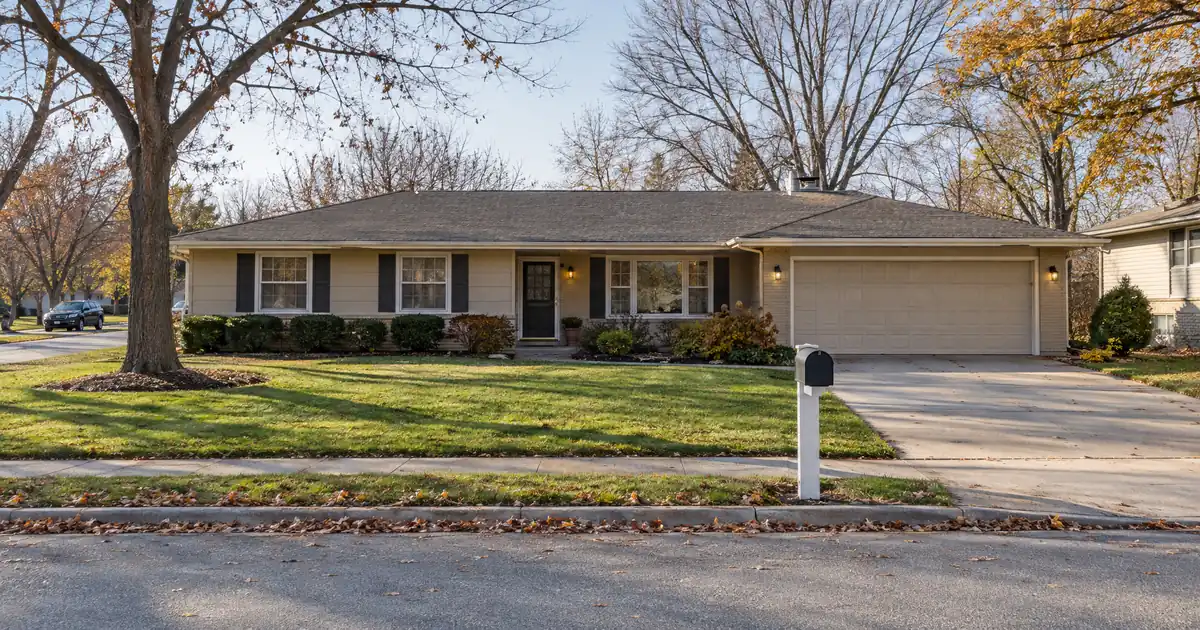
The Quick Read: You can refinance an auction-bought rental into a long-term DSCR loan once the title is insurable, any redemption window has closed, the lender’s seasoning period is met, and the appraiser’s market rent covers the full monthly payment, and the new loan pays off your cash or hard-money bridge and may return part of your equity, subject to lender guidelines. Auction purchases add two wrinkles to an ordinary DSCR refinance: the ownership clock can start late, and the price you paid may not reflect what the property is worth.
- Title decides the timing. Many auction deeds are not insurable right away.
- Most cash-out files across the network top out around 75% LTV on an investment property, with about 6 months of seasoning as a common expectation.
- The appraiser’s market rent, not your hoped-for rent, sets the coverage number.
- A deep auction discount helps you on value, but only if the lender will use appraised value instead of your purchase price.
- Passing the coverage test does not mean the deal cash-flows. Terms depend on the lender’s guidelines, the property type, the leverage, and a full review of the credit profile.
Why Auction Buyers Need a Refinance
Auctions run on cash. Most county and trustee sales expect payment in full on a tight schedule, which leaves no room for a standard mortgage. So the buyer pays with savings, a credit line, or a hard-money loan, which is short-term private financing at a higher cost.
DSCR Cash-Out Calculator
Run the cash-out numbers in your market
Rate source: Freddie Mac 30-yr average via FRED® — Federal Reserve Bank of St. Louis · effective Oct 15, 2026
Prefilled with starting assumptions — enter your property’s value, balance, taxes, and insurance for a more accurate picture.
Program parameters update from Lendmire’s centralized guideline source. Taxes and insurance are editable estimates.
As of Oct 15, 2026 · General Freddie Mac market benchmark, not a Lendmire loan offer. Property value, balance, taxes, and insurance are editable estimates. Maximum loan-to-value varies by lender, program, property type, and seasoning. Not a Loan Estimate, approval, or commitment to lend. Program availability and eligibility are subject to lender guidelines, credit approval, property review, and underwriting.
That money is a bridge, not a plan. Each month you carry it costs you, and the refinance is how you repay it and move into a long-term loan. The same refinance can also return some of the equity you captured by buying below market.
Whether it works depends on four things: the title, the clock, the value, and the rent. Most of this article walks through those four.
How the Refinance Works
A DSCR refinance is a loan on a rental property that qualifies primarily on property-level rental income covering the payment, subject to lender guidelines. The lender divides the property’s monthly rent by its full monthly obligation: principal, interest, taxes, insurance, and any HOA dues. That result is the debt service coverage ratio.
Across our wholesale network, 1.00 is where select programs start. A separate select-lender path takes coverage below 1.00, with leverage and terms adjusted. Stronger ratios generally open better pricing and higher leverage. The complete DSCR loans guide covers the basics if the term is new to you.
DSCR loans are designed for non-owner-occupied investment properties. Because they are business-purpose investor loans, they are reviewed differently from a standard owner-occupied mortgage.
One caution matters here. The ratio compares rent to the payment and nothing else. Repairs, vacancy, management, utilities, and capital expenses sit outside it, so clearing 1.00 is not the same as positive cash flow.
Key Terms Defined
Seasoning: the waiting period a lender wants between when you take title and when you refinance. The lender sets it, not the law.
Delayed financing: an exception that lets a cash buyer refinance soon after purchase and recover documented cost without waiting out the full seasoning period. The idea comes from agency lending, and DSCR programs set their own versions.
Cash-out refinance: a new loan larger than the payoff, with the difference returned to you as proceeds.
Rate-and-term refinance: a new loan that replaces the old one without returning meaningful cash.
Redemption period: a window after some foreclosure or tax sales when the former owner can reclaim the property by repaying what the sale required.
Quiet title: a court action that clears competing claims so a title insurer will insure the property.
Appraisal rent schedule: the appraiser’s estimate of market rent. Single-family rentals use Form 1007, and two-to-four-unit properties use Form 1025.
The Process, Step by Step
1. Pin down how you took title. A trustee’s deed, a sheriff’s deed, a tax deed, and a bank-owned sale from an online auction are four different situations. Each carries a different title risk.
2. Get insurable title. Lenders need a title policy, and this is often the real bottleneck. Wikipedia’s tax-sale entry notes that quitclaim-style tax or sheriff’s deeds are generally not enough to obtain title insurance in most jurisdictions. A quiet-title action may be needed first.
3. Check redemption rights. Some jurisdictions give the former owner a window to reclaim the property. Lenders and title insurers generally will not insure or fund until that window closes. Lengths vary by state, so confirm yours.
4. Check for a federal tax lien. If a sale discharged a federal tax lien, the IRS may have a right of redemption that can outlast the sale, with the length depending on the sale and the state redemption period, per IRS Internal Revenue Manual 5.17.2. Title commitments often carry an exception for that window until it runs.
5. Confirm the recording date. Seasoning typically runs from the date title was recorded. For an auction, that can fall later than the sale date.
6. Assemble the paper trail. Expect to provide the sale or deed paperwork, proof of funds, a payoff statement if hard money was used, and rehab receipts if the lender credits your spending.
7. Order the appraisal with a rent schedule. Value sets the maximum loan. Market rent sets the coverage numerator.
8. Run the coverage test. Monthly rent over the full monthly obligation must meet the program’s minimum.
9. Close and pay off the bridge. The new loan retires the cash advance or hard-money balance, and any remaining equity comes back as proceeds. Timing varies by file and lender.
How Underwriting Treats Value, Rent, and Leverage
Underwriters look at an auction refinance the same way they look at any rental, with extra attention to the items below.
Value. Auction discounts show up in the comps. If you paid far below market, a full appraisal may support a higher number than your price. Some lenders hesitate to revalue a recent purchase and lean on what you paid, which shrinks proceeds. Appraisal risk is highest on auction deals because comps can be thin. If the number comes back short, Lendmire’s piece Appraisal Came In Low on a Rental Property Refinance: Rate-and-Term vs Cash-Out at the Lower Value lays out the options.
Rent. On most files the lender uses the lower of the signed lease and the appraiser’s market rent. An above-market lease does not help. For a vacant, freshly rehabbed unit, the appraiser’s figure is the only rent in the file. Some programs discount vacancy or reduce leverage, and that varies by lender.
Leverage. Cash-out refinances on investment properties top out around 75% LTV across most of the network. Short-term-rental collateral is tighter: the cash-out ceiling is 70% on short-term rentals versus 75% on standard rentals. Form 1007 only supports long-term monthly rent, so a short-term-rental plan needs other income documentation, and hosting history of about 12 months is typical. The exact numbers vary by lender and program and follow a full review of property, leverage, and credit.
Credit and reserves. A 620 score is the floor in parts of the network. Most programs want around 660, and 700 or higher unlocks the strongest leverage tiers. Reserves commonly run around 6 months of the full monthly obligation. Conservative rate-and-term files at modest balances can see them waived, and larger loans typically step up toward 9 months. Loan sizes run up to $3,000,000 on standard programs.
A larger equity cushion can lift your coverage ratio, but it never overrides leverage caps, credit floors, reserve rules, or property eligibility. The strongest files clear both tests: enough equity and enough rental coverage.
Your Three Exit Paths
| Path | Best fit | Main risk |
|---|---|---|
| Refinance soon via a cost-basis exception | Cash buyer, clean paper trail | Loan sized to cost, not value |
| Wait out seasoning | Deep discount, strong rehab | Carrying costs on bridge money |
| Hard money, then rate-and-term refinance | Rehab plus lease-up planned | Bridge expires before exit |
Programs differ on whether a cost-basis exception exists at all. Where one applies, the loan is sized to your documented investment plus eligible costs. On a deep-discount buy, that can leave the appreciation untapped until normal seasoning passes.
The agency version of this idea is the delayed financing exception in the Fannie Mae Selling Guide. It requires an arm’s-length original purchase and a settlement statement showing no mortgage financing was used. DSCR loans are not agency products, so treat that only as background for where the term comes from.
That no-financing requirement is why hard money complicates things. A hard-money loan is a first mortgage, so it generally does not count as cash for an exception built on cash purchases. If you used hard money, plan on the third path: finish the work, place a tenant, then refinance at the appraised value. Lendmire’s piece Rental HELOC vs Hard Money for an Investor Buying at Auction covers how to pick the bridge before you bid.
Where the General Rule Breaks
Tax deeds and sheriff’s deeds. These are the most likely to need quiet title before any lender will fund. Cost and timing vary widely by state.
Surviving liens. Depending on the state and lien priority, property taxes, code-enforcement liens, and HOA liens can survive the sale. A title search before you bid matters more than any refinance planning afterward.
Redemption and IRS windows. A sale does not always mean the property is yours free and clear. Both the state redemption period and the federal 120-day window can apply. Any rehab spending during that period may not be recoverable if the former owner redeems.
Occupied properties. A prior owner or tenant may still be in possession. Eviction delays rent and rehab, and a property in poor condition can fail the appraisal.
Vacant properties. Without a lease, coverage rests entirely on the appraiser’s rent, and some programs adjust leverage for vacancy.
Entity vesting. If an LLC took title at the auction, the entity on the refinance should generally match, subject to lender program eligibility. Confirm the rules before the appraisal, not after.
Prepayment penalties. If your bridge loan carries one, it can decide your break-even.
Ineligible property types. Manufactured homes, log homes, and barndominiums are not offered through the network’s DSCR programs, no matter how good the auction price was.
Mistakes That Stall Auction Refinances
Most of these come from assuming the auction deed behaves like a normal purchase.
- Assuming you can refinance the day after the sale. That only works if a program exception applies and title is insurable.
- Expecting post-rehab value from a cost-based exception. Those return documented cost, not appreciation.
- Counting hard money as cash. Most cash-purchase exceptions do not.
- Treating business purpose as no rules. A law-firm analysis from Hunton Andrews Kurth warns that business-purpose lending is not compliance-exempt.
- Underbidding the bridge timeline. Each month of title cure or redemption wait is a carrying cost.
Auctions also tie up cash and reward experience. A first-timer who skips the title search is taking risk the refinance cannot fix.
What the Decision Looks Like in Practice
Picture a buyer who wins a single-family rental at a trustee sale with hard money, rehabs it, and places a tenant. The first question is whether title is insurable. If it is, the second is whether the lender’s seasoning period has run from the recording date.
If both are yes, the buyer orders a rent schedule appraisal. Say the appraiser’s market rent clears the payment with room to spare, around 1.2x on a modeled basis. At 75% LTV on a cash-out, the loan would pay off the bridge and could return a modest amount. If the appraisal lands closer to the purchase price than hoped, the buyer can switch to a rate-and-term refinance or wait for better comps. Final terms depend on the lender’s guidelines, the property type, and the borrower’s complete credit picture.
Now change one fact: a tax deed with no title policy. Here the decision is not about coverage at all. Quiet title comes first, and the DSCR math waits behind it.
The stronger play for most buyers is to price the title cure, the bridge carry, and a conservative appraisal into the bid. If the deal only works at the best-case value, it is a gamble rather than a refinance plan.
Tax treatment can depend on how the funds are used and how the property is held; investors should keep clear records and speak with a qualified tax professional before relying on any deduction.
Frequently Asked Questions
Can I refinance right after buying at auction?
Sometimes, but not by default. You need insurable title, no open redemption window, and a lender program that either has a cash-purchase exception or whose seasoning period has run. Most files across the network treat about 6 months as the common expectation for cash-out.
Do I need a lease to refinance?
No, but it helps. A vacant, rehabbed property can qualify using the appraiser’s market rent. If a lease exists, most lenders use the lower of the lease and the appraiser’s figure.
What if the house needs repairs?
Condition affects the appraisal. A property that is not rentable as-is may fail the appraisal or force a lower value, so most buyers finish the work before applying. Whether a lender credits rehab spending toward cost basis depends on the program.
Can I do this through an LLC?
Often, depending on program guidelines. The key is consistency: the entity that took title at auction should generally match the borrower on the refinance. Confirm this before you order the appraisal.
Does a passing coverage ratio mean the property makes money?
No. The ratio compares rent only to the full monthly obligation. Vacancy, repairs, management, and capital expenses are outside the calculation, so run those separately.
Next Step
If you are buying or refinancing a rental property and want to see how the numbers work, Lendmire can help you compare DSCR loan options based on the property income, credit profile, leverage, and investor goals. As a broker, Lendmire arranges financing through select lenders in its wholesale network across 41 markets, including Washington, D.C. Every file is underwritten individually and is not a commitment to lend.
About Lendmire
As a non-QM mortgage broker (NMLS# 2371349), Lendmire facilitates DSCR investor loans across 41 markets, including Washington, D.C. DSCR eligibility is generally reviewed around property-level rental income instead of personal income documentation, subject to lender guidelines, serving LLC-structured portfolios and self-employed borrowers who don’t fit conventional boxes. A two-time Scotsman Guide Top Mortgage Workplace (2025, 2026).
Get Started
Ready to find the right loan for you?
In about 30 seconds you can review financing options available for your investment property. No commitment required.
Informational only. Not a Loan Estimate, approval, or commitment to lend. Program availability and eligibility are subject to lender guidelines, credit approval, property review, and underwriting.
References
2. IRS Internal Revenue Manual 5.17.2
3. Fannie Mae Selling Guide B2-1.3-03
4. Hunton Andrews Kurth: business-purpose lending analysis
This article is part of Lendmire’s DSCR loan program — full qualification details, guidelines, and scenarios live on the program page.
Related reading: Should a Homeowner Use a Cash-Out Refinance to Buy a Rental Outright? · How Much a First Rental’s Cash-Out Refinance Releases for Reserves · LLC vs Personal Vesting on a Rental Loan
Brandon Miller
Founder & CEO, Mortgage Loan Originator, Lendmire LLC
- Mortgage Loan Originator · NMLS# 1129696 · Verify on NMLS Consumer Access
- North Carolina Real Estate Broker · License# 343312 · Verify on NCREC
- North Carolina Insurance Producer · License# 19053198 · Property, Casualty, Life, Health · Verify on NAIC SBS
- Lendmire LLC · Firm NMLS# 2371349 · Verify firm licensure
Required disclosures. Lendmire (NMLS# 2371349) operates as a licensed mortgage broker, not a direct lender or depository. The discussion in this article is general in nature and should not be relied upon as financial, legal, or tax advice — every investment scenario is unique and should be reviewed by a qualified professional. Any loan inquiry is subject to lender underwriting, and this article is not a commitment to lend or a guarantee of approval. Mortgage rates, loan terms, and program guidelines vary by borrower, property, and state, and may change without notice. Equal Housing Opportunity. Verify licensure at NMLS Consumer Access.