
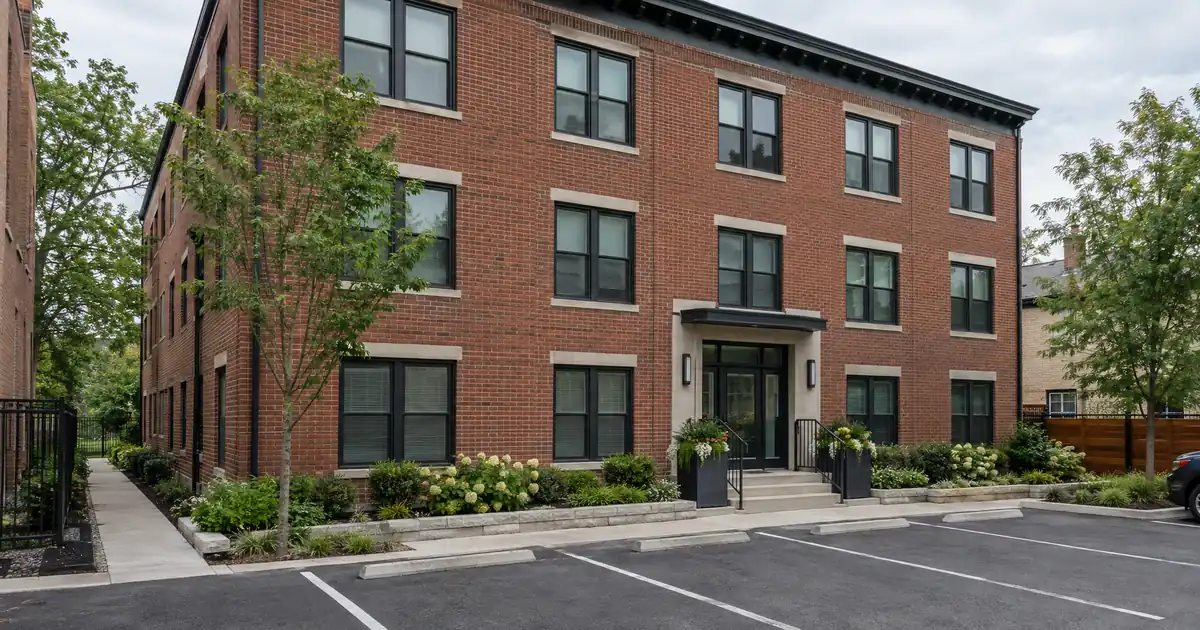
The Quick Read: A refinance suits the investor who wants to keep every door and pull equity out, a paydown suits the investor whose portfolio misses a coverage or leverage test by a small margin, and a partial sale suits the investor who wants to shed weak doors or lock in gains. Here, “10+ doors” means ten or more separate rentals, each a one-to-four-unit property. Many such portfolios are mostly single-family homes, with a duplex or fourplex mixed in. A single building with five or more units falls under commercial or multifamily underwriting, which is a different process.
- A refinance is a new loan event, with new underwriting, a new appraisal, and a payoff of the old note.
- A paydown reduces principal, which lowers the monthly obligation and can lift coverage, but it ties up cash and releases no equity.
- A partial sale shrinks the portfolio. How cleanly it works depends on whether your loans are separate or blanket, and on the release terms in the note.
- None of the three fixes a property that cannot carry itself. Pick the lever that matches the weakness in your portfolio.
The honest answer comes down to what is wrong and what you want next. If the doors are healthy and you want capital, refinance. If the numbers are close and you have cash, pay down. If a few doors drag the whole portfolio, or you want out of some of them, sell. Plenty of 10-door portfolios use two of the three in sequence.
Side-by-Side
| Factor | Refinance | Paydown | Partial Sale |
|---|---|---|---|
| Review basis | Fresh test of rent vs. PITIA, leverage, credit | Existing loan; retest only if the lender asks | Remaining pool may be retested after release |
| Documentation | Appraisal, rent schedule, leases, entity papers | Payoff figure, proof of funds | Sale contract, release request, title work |
| Property types | 1-4 unit rentals; 5+ units go commercial | Same as the existing loan | Any pool property, if the note allows release |
| Entity vesting | Individual or LLC, subject to program terms | Unchanged | Unchanged for the doors you keep |
| Timeline | A full loan process, set by appraisal and review | Set by cash on hand and note terms | Set by buyer, title, and lender release steps |
| Reserves | Commonly about 6 months PITIA, more above $1.5M | Cash used here is cash not held in reserve | Proceeds can rebuild reserves |
| What you give up | Higher leverage on the cash-out | Liquidity | The doors and their rent |
PITIA means principal, interest, taxes, insurance, and association dues. The refinance column reflects the norms across our wholesale network of DSCR lenders. The paydown and partial-sale columns reflect published industry norms for blanket and portfolio loans, which vary note by note.
Start With the Note You Already Have
Your existing loan documents set the menu before any strategy does. Read four things: whether the loans are separate or blanket, the prepayment terms, any release clause, and the maturity or reset date.
Separate loans are the simpler picture. Each property is tested alone, with its own rent divided by its own full monthly obligation. Refinancing or selling one door leaves the other loans untouched.
A blanket loan is one note secured by several properties. Underwriting may blend the coverage across the pool, so a weak door can ride along with strong ones. The tradeoff is that you can only exit one property if the note says how. Without a release clause, selling one property can trigger the due-on-sale clause on the entire loan. Some portfolio products still test every property individually, so check the specific program.
A prepayment charge is a fee for paying off a loan early, usually on a declining schedule. It can apply to a sale, a refinance, or a large paydown inside the window. A principal reduction does not always avoid it, so read the note before you pick a lever.
When Refinance Is the Better Fit
Refinance is the better fit when your doors perform, the equity is real, and you want to keep owning. It is the only one of the three that returns capital without shrinking the portfolio.
Across most programs in our network, a cash-out refinance on a standard rental tops out around 75% LTV, and about 6 months of seasoning is the common expectation. Seasoning is the waiting period a lender wants after you buy before it will refinance. Most programs want a credit score near 660, a 620 floor exists in parts of the network, and 700 or better opens the strongest leverage tiers. Standard programs run up to $3,000,000 per loan, and above $2,500,000 the network generally holds to 30-year fixed structures.
Coverage is tested per property on separate loans. DSCR (debt service coverage ratio) is monthly rent divided by the full monthly obligation. A DSCR of 1.00 is where many select programs start, while a separate select-lender path takes coverage below 1.00 with leverage and terms adjusted. Stronger ratios generally open better leverage. Appraisers set the rent figure, often the lower of the lease rent or market rent, so a file that cleared on paper can slip on the appraisal.
Two cautions apply. First, a refinance does not fix a thin door. If a property cannot clear coverage alone, a new loan will not change that. Second, chained cash-outs raise leverage on every door at once. Ten doors at the cash-out ceiling leave little room if rents soften. Lendmire’s piece How to Use a Cash-Out Refinance to Scale a 2-10 Door Portfolio covers the growth side of this tradeoff.
Clearing 1.00 also does not mean positive cash flow. DSCR compares rent to PITIA only. Repairs, vacancy, management, utilities, and capex all sit outside the calculation.
When Paydown Is the Better Fit
Paydown is the better fit when the portfolio is close to a test and you have idle cash. It is the least dramatic lever, and it is often the right one.
Picture a 12-door pool that blends to about 0.95x coverage. Many select programs start at 1.00, so the pool sits just under the line. Reducing principal on the weakest notes lowers the monthly obligation and lifts coverage. It can bring the pool to the threshold without a new loan.
A paydown also helps the same way before a refinance. Lowering the balance can improve both the coverage ratio and the leverage ratio at once. Lenders may also ask for a paydown as the price of releasing a property from a blanket loan.
The limits matter. A larger paydown lowers the payment and can lift DSCR, but it does not erase leverage caps, credit floors, reserve rules, or property eligibility. The strongest files clear both tests: enough equity and enough rental coverage.
Cash spent on principal is cash that no longer sits in reserve. Reserves are commonly around 6 months of PITIA, and loans above $1,500,000 typically step up to about 9 months. Conservative rate-and-term files at modest leverage under $1,500,000 can see reserves waived. A paydown that drains liquidity can create a reserve problem while solving a coverage problem.
Paydown releases no equity, and it does not touch weak performers. If one door has a structural problem, pouring principal into it is an expensive patch.
When Partial Sale Is the Better Fit
Partial sale is the better fit when the problem is specific doors, or when you want to cash out of part of the portfolio. It is the only lever that removes risk, rather than financing it differently.
Picture a 12-door portfolio in which three doors run near 0.90x coverage and carry heavy capex. Sell those three, and the remaining nine can blend to something like 1.15x. That is an illustrative ratio, not a promise. The pool gets stronger because the weak doors are gone, not because anyone adjusted a loan term.
Under separate loans, the sale is clean. You sell the door and pay off its own note. Under a blanket loan, the release clause governs everything. Industry norms for these clauses often include these features:
- The clause has to be in the note at closing. It generally cannot be added later without the lender’s consent.
- Each property carries an allocated loan amount set at origination.
- The release price is typically a premium over the allocated amount, not the sale price.
- Proceeds flow through title or escrow to the lender, which then records the release.
- The lender may retest the remaining pool for coverage and leverage.
Two traps catch investors. If the allocated amount sits close to current value, the sale may need extra cash at closing. And because the release price carries a premium, the last doors in a pool end up with low leverage. Also, a delinquent, vacant, or disputed property can complicate a release, because the lender still holds all the collateral.
A sale is a taxable event. Depreciation reduces your basis whether or not you claimed it, as the IRS property basis FAQ explains, and EisnerAmper’s depreciation recapture overview notes that gain tied to straight-line depreciation is taxed at a maximum of 25%. A 1031 exchange can defer that gain if you meet the IRS 45-day identification and 180-day exchange periods described by IPX1031. Tax treatment can depend on how the funds are used and how the property is held; investors should keep clear records and speak with a qualified tax professional before relying on any deduction.
Hybrids: Sequence Matters
Most 10-door files are not either/or. The order of operations changes the outcome.
- Sell, then refinance. Selling the weak doors first improves the blended coverage and leverage of what remains. The refinance then tests a stronger pool.
- Pay down, then refinance. A targeted paydown can move a borderline door over the line. The refinance then pulls equity from the doors that qualified.
- Release, then refinance one door. On a blanket loan, you free one property through a release. That property must qualify alone for a standalone cash-out, and the new loan pays the release price. The rest of the pool stays under the old note.
Each sequence has a failure mode. If the appraisal comes in low, the sale proceeds may have to cover the gap. If a buyer falls through, the refinance cannot wait on a deal that is not closed. Build a fallback before you start: know which door you would pay down instead.
Which Doors Go Where?
Rank every door on four measures: coverage on its own, equity relative to its allocated or current balance, near-term capex exposure, and how much you want to hold it. Doors with strong coverage and real equity are refinance candidates. Doors that sit just under the line are paydown candidates. Doors with thin coverage and big repair needs are sale candidates.
Short-term rentals add a wrinkle. The long-term rent schedule can understate STR income, and program leverage tiers differ for STR collateral. Treat those doors as their own category.
Key Terms Defined
Blanket loan: One loan secured by two or more properties, so a default can put all of them at risk.
Release clause: A term that lets you sell one property out of a blanket loan without paying off the whole note.
Allocated loan amount: The share of a blanket loan assigned to each property at origination.
Cross-collateralization: The structure in which every property in the pool backs the entire loan.
Blended coverage: The pool’s combined rent divided by its combined monthly obligation, rather than a door-by-door ratio.
Seasoning: The waiting period a lender wants between buying a property and refinancing it.
Prepayment charge: A fee for paying off a loan early, usually on a declining schedule.
The Verdict
Refinance is for the investor with healthy doors, real equity, and a reason to keep owning. Paydown is for the investor who is close to a line and has idle cash. Partial sale is for the investor with a few weak doors, a maturity looming, or a wish to lock in gains.
None of the three is the default winner. The note you hold, the tax basis you carry, and the gap between your strongest and weakest door decide it. Many investors end up with a hybrid: sell the weakest doors, pay down a borderline one, and refinance the rest. Lendmire’s complete DSCR loans guide covers the program basics behind each path.
If you are buying or refinancing a rental property and want to see how the numbers work, Lendmire can help you compare DSCR loan options based on the property income, credit profile, leverage, and investor goals.
Frequently Asked Questions
Can I sell one property out of a portfolio loan?
Only if the note has a partial release clause, and that clause usually carries conditions. Typical terms include a release price above the allocated amount, a paydown requirement, and a retest of the remaining pool. Without a clause, a sale can trigger the due-on-sale provision on the whole loan.
Does paying down a loan fix a DSCR shortfall?
It can, when the shortfall is small. A lower balance lowers the monthly obligation, which lifts coverage. It does not change leverage caps, credit floors, or reserve rules, and it does not fix a property that is structurally weak.
Does every door have to qualify in a 10-door refinance?
On separate loans, yes, each door is tested alone on its own rent and obligation. Some blanket programs blend coverage across the pool, and others still test each property. The answer depends on the specific program.
Is a cash-out refinance better than selling?
It depends on what you want. A cash-out keeps the asset and its rent, but it raises leverage, and on standard rentals it tops out around 75% LTV on most programs in our network. A sale reduces risk and exits the loan, but it removes the door from your portfolio.
Does clearing 1.00 coverage mean the portfolio is cash-flowing?
No. DSCR compares rent to PITIA only. Vacancy, repairs, management, utilities, and capex sit outside the number, so a pool at 1.05x can still lose money in a bad year.
About Lendmire
As a DSCR and non-QM mortgage broker, Lendmire — NMLS# 2371349 — connects investors with wholesale lending channels across 41 markets, including Washington, D.C. The property’s rental income, not the borrower’s traditional personal-income documentation, is central to lender review, which works for self-employed operators and portfolios beyond four financed properties. Scotsman Guide named Lendmire a Top Mortgage Workplace in both 2025 and 2026.
Get Started
Ready to find the right loan for you?
In about 30 seconds you can review financing options available for your investment property. No commitment required.
Informational only. Not a Loan Estimate, approval, or commitment to lend. Program availability and eligibility are subject to lender guidelines, credit approval, property review, and underwriting.
References
2. EisnerAmper – Depreciation recapture
3. IPX1031 – What is a 1031 exchange
This article is part of Lendmire’s DSCR loan program — full qualification details, guidelines, and scenarios live on the program page.
Related reading: How to Meet DSCR Portfolio Covenants as an LLC With No Guarantor · Whole-Portfolio Sale vs Selling House by House on a DSCR Portfolio Loan · Portfolio DSCR Loan vs Bank Portfolio Loan on What Each Verifies
Brandon Miller
Founder & CEO, Mortgage Loan Originator, Lendmire LLC
- Mortgage Loan Originator · NMLS# 1129696 · Verify on NMLS Consumer Access
- North Carolina Real Estate Broker · License# 343312 · Verify on NCREC
- North Carolina Insurance Producer · License# 19053198 · Property, Casualty, Life, Health · Verify on NAIC SBS
- Lendmire LLC · Firm NMLS# 2371349 · Verify firm licensure
Compliance and disclosures. Lendmire (NMLS# 2371349) is a licensed mortgage broker and is not a direct lender, depository institution, financial advisor, or tax professional. Content in this article is general market analysis and educational information — not financial, legal, or tax advice for any specific situation. Lendmire does not guarantee loan approval; every transaction is subject to underwriting by the funding lender. Mortgage pricing and loan program guidelines are subject to change at any time without notice and vary by borrower characteristics, property type, and state regulations. Lendmire complies with Equal Housing Opportunity. Licensure verification: NMLS Consumer Access.