
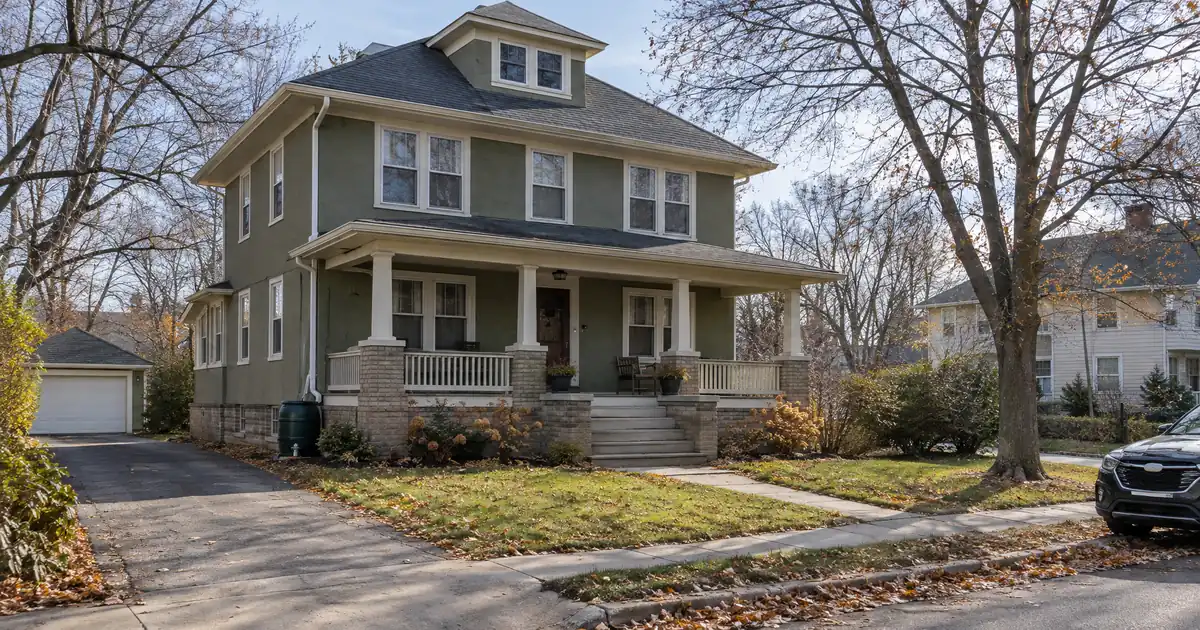
The Quick Read: You can buy several rentals in a state where you do not live and finance them together, because DSCR underwriting looks at each property’s rent against its payment rather than where you live, so the real choices are one pooled loan versus separate loans, how you register the borrowing entity, and how the appraiser’s rent figures hold up.
- A DSCR loan is reviewed primarily on property-level rental income covering the payment, subject to lender guidelines. It has no state-of-residence test.
- A portfolio DSCR loan can hold 2 to 20 properties under one note, with leverage up to 80% of value on a purchase.
- A rental portfolio term loan is built for five or more rentals, with leverage up to 75% of value.
- The paperwork that changes out of state is entity registration, the appraisal, and matching names across every document.
- Clearing 1.00 coverage does not mean the package makes money after repairs, vacancy, and management.
DSCR stands for debt service coverage ratio. It is the property’s monthly rent divided by its monthly PITIA, which means principal, interest, taxes, insurance, and any association dues. Across our wholesale network, that single ratio is the center of every file here.
What Is a Rental Package, Really?
A rental package is simply several rentals financed together or bought in one push. The financing can take two shapes: one loan secured by all the properties, or one loan per property.
A blanket loan is one note secured by several properties. A portfolio loan, strictly speaking, is a loan the lender keeps on its own books. Lenders use the terms loosely, so ask which one a quote describes.
Separate loans are the plain alternative. Neither shape is better by default. The right one depends on how the properties will be held and sold later.
Does Living in Another State Change Eligibility?
No. There is no federal rule against buying rentals out of state, and the loan does not test your home address. The property’s rent, your credit, your reserves, and the property type decide eligibility, subject to lender guidelines.
Several things do change when the property sits in a state you don’t live in:
- Entity registration. If an LLC formed in one state owns property in another, it usually has to register to do business where the property sits. Corpnet describes this as foreign qualification. Many investors form the LLC in the property’s state to skip that step. Whether an LLC can hold title depends on lender program requirements, so confirm it before you form anything.
- The guarantee. Even with LLC title, most programs want an individual guarantor. A guarantee means you are personally responsible if the loan defaults.
- Local operations. Redfin notes that some cities require rental registration or licenses. Plan for that before you set a closing schedule with a seller.
- Eviction timelines. Eviction timelines can differ sharply between states, from a few weeks in one to many months in another. That gap changes how much vacancy cushion a package needs.
Tax treatment can depend on how the funds are used and how the property is held; investors should keep clear records and speak with a qualified tax professional before relying on any deduction.
DSCR loans are designed for non-owner-occupied investment properties. Because they are business-purpose investor loans, they are reviewed differently from a standard owner-occupied mortgage. Our complete DSCR loans guide covers the basics if the term is still new.
How Underwriting Treats a Package, Step by Step
Here is the sequence a file follows once you pick a structure.
1. The lender sorts the properties. Each one must be an eligible type. Single-family, 2-4 unit, condo, and townhome properties fit the portfolio programs. Owner-occupied, mixed-use, commercial, co-op, and mobile-home properties do not. Manufactured homes, log homes, and barndominiums are not offered through the network’s DSCR programs at all.
2. Each property gets a rent figure. The appraisal includes a rent schedule. Fannie Mae’s appraisal forms show where the names come from. Form 1007 is the Single-Family Comparable Rent Schedule, and Form 1025 is the Small Residential Income Property report for 2-4 units. Those agency forms are borrowed for the appraisal only. Agency rules do not govern DSCR loans.
3. The rent that counts is not the seller’s number. Most programs rely on the appraiser’s market rent or a lease that supports it. In an unfamiliar market, the comparable-rent data is the biggest swing factor in your ratio.
4. The lender measures coverage. On a portfolio loan, that means pooled rent against pooled debt service. On separate loans, each property is tested alone.
5. Credit, reserves, and the guarantor are checked. Reserves are cash you hold after closing. They are checked against the structure you picked.
6. Names must match. The note, title, insurance, appraisal, and lease should all show the same borrowing entity. A mismatch is one of the most common reasons a remote file stalls.
Loans on one rental follow different numbers than the portfolio structures, so keep the two sets apart. On a loan against a single rental, most files land at 75%-80% LTV on a purchase, and select high-leverage programs reach 85% for borrowers with roughly a 700+ score. LTV means loan-to-value, the loan as a share of the property’s value. Credit floors start at 620 in parts of the network, most programs want around 660, and 700+ unlocks the strongest tiers. Reserves run about 6 months of PITIA, rising to about 9 months above $1,500,000. Standard programs go up to $3,000,000. All of these are typical ranges, subject to lender guidelines.
One Blanket Loan or Separate Loans?
Choose one loan when the properties will be held together and you value one underwriting file. Choose separate loans when you may sell or refinance properties one at a time.
| Factor | One pooled loan | Separate loans |
|---|---|---|
| Coverage test | Pooled rent vs pooled debt | Each property alone |
| Weak property | Strong ones can offset it | It stands or falls alone |
| Selling one | Release terms apply | Pay off that note only |
| Problem in one state | Can touch the whole pool | Stays isolated |
| Paperwork | One file | One file per property |
Experienced investors often prefer separate loans for the isolation. A blanket makes more sense when you are buying an existing, performing group from one seller.
The Two Portfolio Structures
Across the network, portfolio lenders offer two distinct shapes. Treat them as different products with different limits.
Structure A is the 30-year portfolio DSCR loan. It holds 2 to 20 properties under one note. Loan sizes run roughly $300,000 to $5,000,000, with larger balances reviewed case by case. Leverage goes up to 80% of value on a purchase or a rate-and-term refinance. Coverage is measured on the pool with a 1.00 floor. It has a 30-year term and schedule, fixed or adjustable rate types, and an interest-only period available. Eligible types are single-family, 2-4 unit, condo, and townhome.
Structure B is the rental portfolio term loan. It is built for five or more rentals or units under one loan, including small multifamily. Loan sizes run roughly $500,000 to $50,000,000, with larger balances reviewed. Leverage goes up to 75% of value. Terms are fixed at 3, 5, 7, or 10 years with a balloon at maturity. A balloon means a lump-sum balance due at the end. Both recourse and non-recourse versions exist. A non-recourse loan looks to the real estate, with recourse limited to carve-outs such as fraud and bankruptcy. A recourse loan carries a personal guarantee.
Structure B prepays with yield maintenance. That is a payoff charge that protects the lender’s expected return if you pay early. Reserves are held for taxes, insurance, and capital expenditures. Properties in several markets or states can sit under one loan, which is called cross-collateralization. Assumption, where a buyer takes over the loan, is possible on larger balances, subject to underwriting and a fee.
Pool qualification is also different. Credit floors typically start at 640, and some structures want 680 or 720. Some structures require a special-purpose entity, usually an LLC, per lender program requirements. A cash-out on a portfolio loan never goes above 75% of the pooled value. Inside the first six months of ownership, a seasoning rule caps the amount. Seasoning is the waiting period a lender wants after a purchase.
Where the General Rule Breaks
One weak property drags the pool. Pooling lets strong rents offset weak ones, but the lender still tests the whole pool. Picture three rentals that together cover about 1.2x, where one alone sits near 0.95x. That property can sit in the pool, but the pooled coverage, the leverage, and the terms are what underwriting tests, subject to underwriting. On a separate loan, 1.00 is where many select programs start. A different select-lender path takes coverage below 1.00 with leverage and terms adjusted.
Selling one property is not free. Partial releases, substitutions, and the sale of one property out of the pool follow the loan documents. The release price runs above the property’s allocated balance, and the remaining pool must still cover its debt service. Read those terms before you sign, not when a buyer appears.
Cross-collateralization cuts both ways. A pool across markets diversifies local risk, but a problem in one market can reach every property under the note. That is the trade for the convenience.
Short-term rentals follow their own rules. On a single short-term rental, purchase leverage tops out at 75% LTV, and lenders expect a 640+ score and about 12 months of hosting history, with a 1.00 coverage floor on purchases. Short-term rental rules can vary by city, county, HOA, and property type, so investors should confirm local rules before relying on projected rental income. Lendmire’s piece How to Buy a Short-Term Rental in Another State covers that path in depth. Each figure is subject to lender guidelines and a complete review of property type, leverage, and credit.
Ineligible properties stay out. A manufactured home or a mixed-use building bundled into an otherwise clean package is not offered, and it can force you to rework the whole package.
DSCR Is Not Cash Flow
Coverage compares rent to PITIA only. Repairs, vacancy, property management, utilities, and capital expenses sit outside the calculation.
Take a package that clears roughly 1.2x. That looks comfortable on paper. Then a manager takes a share of each rent, one unit sits vacant between tenants, and a roof needs work. A thin 1.2x can turn into an ordinary break-even year. A package at 1.05x has almost no room for any of that.
Remote ownership makes this gap wider. You pay for management, and you depend on people who know the market better than you do. A larger down payment lowers the payment and can lift the ratio. It never erases leverage caps, credit floors, reserve rules, or property eligibility. The strongest files have enough equity and enough rental coverage.
What the Decision Looks Like in Practice
Start with the exit. If you plan to hold everything for years, a pooled loan can be cleaner. If you may sell one property in two years, separate loans keep that sale simple.
Next, set up the entity before you make offers. Decide where it will be formed, register it where the properties sit, and keep every document in the same name.
Then run the due diligence on what you can’t see:
- Ask for the lease, rent roll, and payment ledger from the seller.
- Compare the seller’s rents against the appraiser’s market rent.
- Hire a local inspector who answers to you, not to the seller.
- Get insurance quotes for the exact properties before you fix your coverage number.
- Line up a local property manager before closing, not after.
- Treat a sight-unseen turnkey package with inflated rents as a red flag.
Redfin lists affordability, diversification, and lower competition as the upsides of buying out of state, and harder management and legal differences as the downsides. Both columns show up in a package, multiplied by the number of doors.
Key Terms Defined
DSCR: Monthly rent divided by monthly PITIA; the main test on a DSCR loan.
PITIA: Principal, interest, taxes, insurance, and association dues, which together make the monthly obligation.
Blanket loan: One note secured by several properties.
Cross-collateralization: A setup where every property in a loan backs the whole debt.
Recourse: The lender can pursue the borrower or guarantor personally if the loan defaults.
Foreign qualification: The step that lets an LLC formed in one state do business in another.
Yield maintenance: A prepayment charge that compensates the lender for early payoff.
Frequently Asked Questions
Do I have to live near the properties to get a DSCR loan?
No. Eligibility turns on the property’s rent, your credit, reserves, and property type, subject to lender guidelines. Where you live is not a test. You will still want a local manager and inspector, because you can’t be on site.
Can I buy the package through an LLC?
Often yes, subject to lender program eligibility. The LLC usually needs to be registered in the property’s state, and most programs still ask for a personal guarantor. Some structures require a special-purpose entity.
Does one weak rental sink a pooled loan?
Not automatically. Coverage is measured across the pool, so stronger properties can offset a weaker one. Underwriting still tests the pooled coverage, the leverage, and the terms, subject to lender guidelines.
Can I use short-term rental income on a package?
Sometimes. Short-term rental collateral follows separate rules, including about 12 months of hosting history on many programs.
Is clearing 1.00 the same as making money?
No. The ratio ignores repairs, vacancy, management, utilities, and capital expenses. Treat the coverage number as a qualification test, then budget the rest separately.
If you are buying or refinancing a rental property and want to see how the numbers work, Lendmire can help you compare DSCR loan options based on the property income, credit profile, leverage, and investor goals. Programs change, every file is underwritten individually, and nothing here is a commitment to lend.
About Lendmire
Lendmire (NMLS# 2371349) is a DSCR-focused mortgage broker that helps arrange investor financing across 41 markets, including Washington, D.C., through wholesale and investor-lending channels. DSCR eligibility is generally reviewed by the lender around the property’s rental income rather than personal income documentation, subject to lender guidelines — which works for self-employed investors, LLC operators, and portfolios above four financed properties. Scotsman Guide named Lendmire a Top Mortgage Workplace in both 2025 and 2026.
Get Started
Ready to find the right loan for you?
In about 30 seconds you can review financing options available for your investment property. No commitment required.
Informational only. Not a Loan Estimate, approval, or commitment to lend. Program availability and eligibility are subject to lender guidelines, credit approval, property review, and underwriting.
References
1. Corpnet: LLC for Rental Property in Another State
2. Redfin: Managing a Rental Property Out of State
3. Fannie Mae Selling Guide B4-1.2-01
This article is part of Lendmire’s DSCR loan program — full qualification details, guidelines, and scenarios live on the program page.
Related reading: How to Sell One Rental and Buy Another Inside a DSCR Portfolio Loan · One Multi-State DSCR Loan vs. a Loan in Each State · How Much Leverage a Rental Portfolio Should Carry Under One DSCR Loan
Brandon Miller
Founder & CEO, Mortgage Loan Originator, Lendmire LLC
- Mortgage Loan Originator · NMLS# 1129696 · Verify on NMLS Consumer Access
- North Carolina Real Estate Broker · License# 343312 · Verify on NCREC
- North Carolina Insurance Producer · License# 19053198 · Property, Casualty, Life, Health · Verify on NAIC SBS
- Lendmire LLC · Firm NMLS# 2371349 · Verify firm licensure
Important disclosures. Lendmire (NMLS# 2371349) is a licensed mortgage brokerage. Lendmire is not a direct lender, depository institution, or financial advisor. All loan inquiries are subject to lender underwriting; this article does not constitute a commitment to lend. Rates, terms, and program guidelines are subject to change without notice and vary by borrower profile, property type, and state. Information in this article is general in nature and is not financial, legal, or tax advice. Equal Housing Opportunity. NMLS Consumer Access: nmlsconsumeraccess.org.