
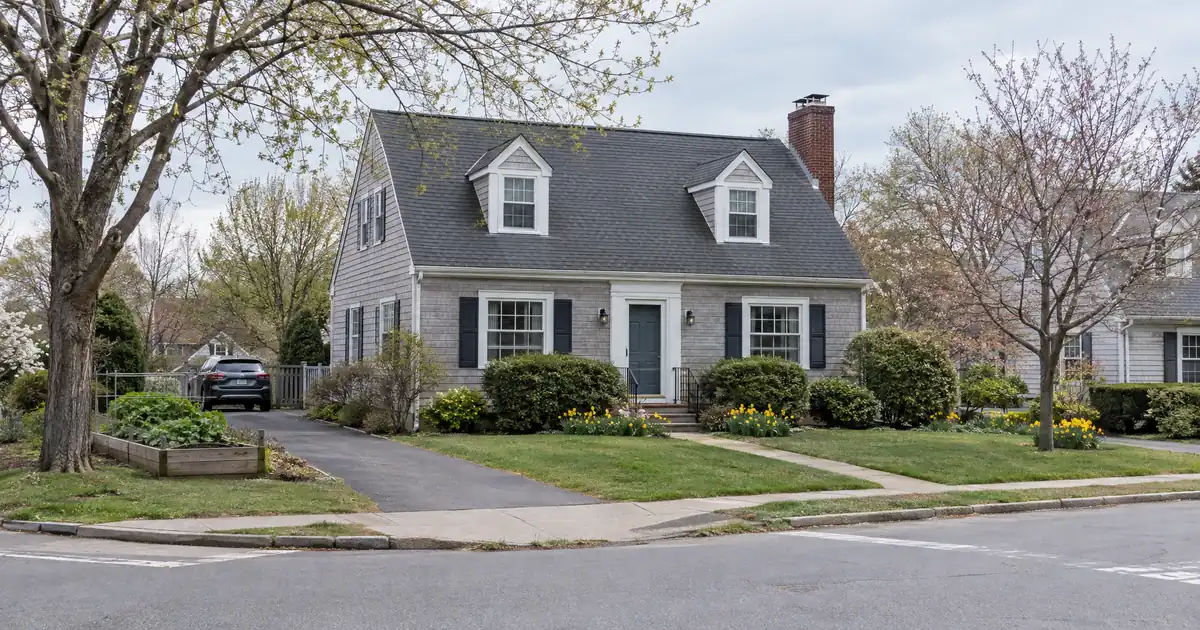
The Quick Read: A flipper moves to a portfolio DSCR loan by keeping some finished flips as rentals and refinancing them under one note, with the pool qualified on its combined rent against its combined payment. The path runs through a bridge or hard-money loan, a rent-ready property, a seasoning check and a pooled coverage test.
- Pooled coverage on the 30-year portfolio DSCR loan has a 1.00 floor, measured on the whole pool, so stronger rentals can offset weaker ones.
- That structure covers 2 to 20 properties, up to 80% leverage on a purchase or rate-and-term refinance, and up to 75% on a cash-out.
- Inside the first six months of ownership, the loan is also capped by total cost (purchase plus documented improvements).
- Passing the coverage test is not the same as positive cash flow.
- Some flips should still be sold. The best portfolios are hybrids. The exact numbers vary by lender and program and follow a full review of property, leverage, and credit.
Why Do Repeat Flippers Look at Holding?
A flip pays once. A rental pays every month. That is the whole pull. Flippers spend their careers hunting the next deal, and each sale resets the clock.
There is also a qualification angle. Flippers often show lumpy, write-off-heavy traditional personal-income documentation, which can make personal-income underwriting awkward. A DSCR loan qualifies primarily on property-level rental income covering the payment, subject to lender guidelines. That fits an investor whose personal income is hard to read.
The tradeoff is real. Holding turns a profit event into slow, recurring income, and refinancing returns only part of the capital. This route suits a flipper who can leave some equity in the deals. A flipper who needs every dollar back for the next project should probably keep selling.
Key Terms Defined
- DSCR: Rent divided by the full monthly obligation (principal, interest, taxes, insurance and any HOA dues).
- Portfolio (blanket) DSCR loan: One note secured by several rentals. “Portfolio DSCR loan,” “blanket loan” and “cross-collateralized loan” all describe the same thing here.
- Pooled coverage: Total rent used for lender review divided by total payment across every property in the loan.
- Seasoning: The ownership period before a lender sizes a refinance on appraised value rather than cost.
- Cost basis: Purchase price plus documented improvements.
- Release: The loan-document process for removing one property from the pool.
One more distinction matters. A bank’s “portfolio loan” is a loan the bank keeps on its own books. That is a different sense of the word, and it is not what this article covers.
How Does a Portfolio DSCR Loan Work?
DSCR is a qualifying method. Portfolio is a structure. A loan can be both, but people often confuse them.
Two structures matter for a flipper:
| Factor | 30-year portfolio DSCR loan | Rental portfolio term loan |
|---|---|---|
| Properties | 2 to 20 | 5 or more properties or units |
| Loan size | $300,000 to $5,000,000 | $500,000 to $50,000,000 |
| Max leverage | Up to 80% on purchase and rate-and-term | Up to 75% of value |
| Terms | 30-year, fixed or adjustable | 3, 5, 7 or 10-year fixed, balloon at maturity |
| Coverage test | 1.00 on the pool | Reviewed on the pool |
Larger balances are reviewed case by case, and all figures are program ceilings or floors, subject to lender guidelines. Eligible property types are single-family, 2-4 unit, condo and townhome on both structures. Small multifamily of five or more units is eligible only in the rental portfolio term loan. Owner-occupied, co-op, mixed-use and commercial property are ineligible. Manufactured and mobile homes are not reviewable on any of these programs.
On the 30-year structure, a single property can sit below 1.00 if the pool still clears. Underwriting tests the pooled coverage, the leverage and the terms. Strong rentals offset weak ones.
The term loan adds options that matter to some flippers. Non-recourse structures exist, with recourse limited to carve-outs such as fraud and bankruptcy. Recourse versions carry a personal guarantee. Prepayment runs on yield maintenance. Properties in several markets can sit under one loan.
Are You Ready to Convert?
You are likely ready if most of these are true:
- You hold several finished flips, or several about to finish, that rent without heavy work.
- You can document purchase price, rehab spend and ownership of each.
- You hold, or can form, a special-purpose entity (typically an LLC, subject to lender program eligibility).
- You can carry reserves once sale proceeds stop. Across the wholesale network, reserves commonly run around 6 months of PITIA, stepping up to about 9 months on loans above $1,500,000. They vary by lender, leverage and transaction.
- You have a plan for leasing and managing the units, or someone to do it.
- Your credit sits at or above the portfolio programs’ 640 floor. Some portfolio structures want 680 or 720.
Management capacity is the quiet one. A flipper handles contractors. A landlord handles tenants, turnover and repairs, and that is a different job.
What Is the Migration Path, Step by Step?
1. Inventory every flip. List each property, its basis, its condition and its rent potential.
2. Test each property alone. Rent against full payment shows who carries weight and who drags.
3. Choose what to hold. Keep the rentable, supply-tight ones. Sell the rest.
4. Check seasoning and cost basis. More on this below.
5. Stabilize. Get leases signed and deposits documented. Every property needs a lease or an appraiser-supported market rent.
6. Test the pool. Add the rents, add the payments, divide.
7. Order the batch. Pooling a strong group first beats forcing a weak property in.
8. Apply and close. One note, one closing, with per-property appraisals, title and insurance.
For readers coming from a different starting point, Lendmire has covered how to move five or more rentals out of a portfolio loan into DSCR cash-out. The flipper’s path starts earlier, at the bridge loan.
What Does a Pooled Loan Look Like in Practice?
Picture a flipper with four finished flips, labeled A through D. Rent-to-payment on each alone runs roughly 1.35x, 1.25x, 1.15x and 0.90x. Averaged by actual dollars, the pool clears around 1.15x. Three properties carry the fourth.
Now consider a harder case. Property D slips to roughly 0.70x because of a low rent opinion. The pool drops toward 1.05x. It still clears 1.00 on the 30-year structure, but there is less cushion for vacancy. If D slides further, the pool fails, and the fixes are to drop D, split the pool or add rent elsewhere.
One caution: a passing ratio does not mean profit. DSCR compares rent to PITIA only. Repairs, vacancy, management, utilities and capex sit outside it. A flipper who has watched rehab budgets run over will recognize that gap.
How Do Seasoning and Cash-Out Work After a Flip?
Seasoning is a common trap for a flipper. Across most of the network, cash-out refinances top out around 75% of value, and about six months of ownership is the common expectation.
On the portfolio programs, the rule works as a second cap. Inside the first six months, the loan is also capped at 90% of total cost (purchase price plus documented improvements). From six to twelve months, the cap is 100% of total cost. The leverage ceiling still applies, so the loan is the lower of the two. After twelve months, the appraised value alone is the basis. A rate-and-term refinance is not subject to the cost-basis cap.
This is why receipts matter. Draw records, invoices and contractor payments prove the cost that unlocks the number. Your after-repair estimate is not the figure the lender uses. The lender’s appraisal sets the value, and its rent opinion drives coverage. Appraisers commonly use the 1007 rent schedule for single-family and the 1025 form for small income properties.
Experienced brokers see the same stall points repeatedly. A bridge loan matures before seasoning ends. A low appraisal shrinks the payoff. Lease or deposit paperwork is missing. Each has a fix, but each costs time or cash. Build the refinance model before the renovation, not after.
What Do Lenders Want to See in a Flipper’s File?
- Entity documents and ownership records
- Settlement statements for each acquisition
- Rehab receipts, draw records and contractor invoices
- Signed leases and proof of deposits, or market rent from the appraisal
- Credit report and proof of reserves
- A short schedule of past flips showing the track record
Qualification runs on documented property income, with the file still reviewed on credit, reserves and entity. It is not paperwork-free. Prepare the track record as a clean schedule, not a pile of closing statements.
What If the Pool Doesn’t Clear?
Start by finding the weakest property. Drop it, refinance it separately, or wait for a stronger rent. A smaller pool of three or four rentals can clear when seven cannot.
Some other fixes:
- Lower the loan amount so the payment shrinks.
- Choose an interest-only period where available, which lifts coverage. Check what it does to long-term amortization.
- Cure the condition problem first. DSCR financing is for rent-ready, stabilized property and does not fund active renovation.
Extra equity helps the payment, but it does not erase leverage caps, credit floors, reserve rules or property eligibility. The strongest files clear both tests: enough equity and enough rental coverage.
How Do Release Rules Affect Exit Flexibility?
This is the part flippers skip, and they are the borrowers most likely to want to sell one property later. Partial releases, substitutions and the sale of one property out of the pool follow the loan documents and the lender’s release terms. The release price runs above the property’s allocated balance. The remaining pool must still cover its debt service.
On the term loan, yield maintenance governs prepayment, and that matters for a seller who may leave early. Read the release language before you commit, not after. If you expect to sell one property in a year, that property may belong outside the pool.
Cross-collateralization is the other side of the coin. One loan means fewer closings, but one problem can reach the whole pool. Small pools of two or three properties may gain little from pooling at all, and separate loans may leave you more flexible.
Which Flips Should You Sell and Which Should You Hold?
A hybrid usually works best. Sell where the margin is large and the rent is weak. Hold where the rent is strong, the property is easy to lease and the equity can stay in.
Taxes factor in. Repeat flipping tends to be treated as dealer activity, which means ordinary income plus self-employment tax, as Cummings Law explains in contrasting dealer and investor treatment. A house-flipping glossary from AdviceOnly notes that a dealer’s property is excluded from capital-asset treatment. Top1031 adds that flip gains can’t use 1031 deferral. Tax treatment varies; consult a qualified professional before converting flips to holds.
Common Mistakes
- Using your after-repair estimate as the value the lender will use.
- Starting the seasoning clock at rehab completion instead of the recorded deed.
- Pooling a strong property to carry a weak one without testing the release terms.
- Treating a passing coverage ratio as proof of profit.
- Skipping the reserves plan once sale proceeds stop.
- Folding a property into the pool that you plan to sell soon.
Frequently Asked Questions
Can I refinance a flip loan into a DSCR loan?
Yes, when the property is rent-ready and seasoned enough for the lender’s sizing rules. The DSCR loan pays off the bridge or hard-money balance, and the rent opinion plus the appraisal set the amount. Inside the first six months, the cost-basis cap can bind.
Is a portfolio DSCR loan different from a regular DSCR loan?
It is a different structure, not a different ratio. A regular DSCR loan covers one rental. A portfolio DSCR loan covers several under one note and tests pooled rent against pooled payment. Terms and leverage differ, and the release rules matter.
Can a no-ratio loan work for a flipper?
No-ratio qualification is available only through select lenders on single-property DSCR loans, generally for borrowers who already own a primary residence. It is not the portfolio structure. Terms and leverage adjust.
Does a rental below 1.00 sink the pool?
Not by itself. One property can sit under 1.00 if the pool still clears.
Are manufactured homes allowed in the pool?
No. Manufactured and mobile homes are not reviewable on these programs, and neither are log homes or barndominiums.
Next Steps
If you are buying or refinancing a rental property and want to see how the numbers work, Lendmire can help you compare DSCR loan options based on the property income, credit profile, leverage, and investor goals. A good place to start is the complete DSCR loans guide. Lendmire is a broker that arranges financing through select lenders in its wholesale network, across 41 markets including Washington, D.C. Program terms change, every file is underwritten individually, and nothing here is a commitment to lend.
About Lendmire
Lendmire is a non-QM mortgage brokerage (NMLS# 2371349) arranging DSCR investor loans in 41 markets, including Washington, D.C. DSCR eligibility is generally reviewed around property-level rental income rather than personal income, subject to lender and program guidelines, a fit for self-employed investors and LLC-owned portfolios. Lendmire was recognized as a Scotsman Guide Top Mortgage Workplace in 2025 and 2026.
Get Started
Ready to find the right loan for you?
In about 30 seconds you can review financing options available for your investment property. No commitment required.
Informational only. Not a Loan Estimate, approval, or commitment to lend. Program availability and eligibility are subject to lender guidelines, credit approval, property review, and underwriting.
References
1. Cummings Law: flipping tax implications
2. AdviceOnly glossary: house flipping
This article is part of Lendmire’s DSCR loan program — full qualification details, guidelines, and scenarios live on the program page.
Related reading: Can Three Fourplexes Qualify for a DSCR Portfolio Loan? · Can Partners in LLCs With 10+ Doors Use One Portfolio DSCR Loan? · How to Structure a One-State DSCR Portfolio Loan With Release Options
Brandon Miller
Founder & CEO, Mortgage Loan Originator, Lendmire LLC
- Mortgage Loan Originator · NMLS# 1129696 · Verify on NMLS Consumer Access
- North Carolina Real Estate Broker · License# 343312 · Verify on NCREC
- North Carolina Insurance Producer · License# 19053198 · Property, Casualty, Life, Health · Verify on NAIC SBS
- Lendmire LLC · Firm NMLS# 2371349 · Verify firm licensure
Important disclosures. Lendmire (NMLS# 2371349) is a licensed mortgage brokerage. Lendmire is not a direct lender, depository institution, or financial advisor. All loan inquiries are subject to lender underwriting; this article does not constitute a commitment to lend. Rates, terms, and program guidelines are subject to change without notice and vary by borrower profile, property type, and state. Information in this article is general in nature and is not financial, legal, or tax advice. Equal Housing Opportunity. NMLS Consumer Access: nmlsconsumeraccess.org.