
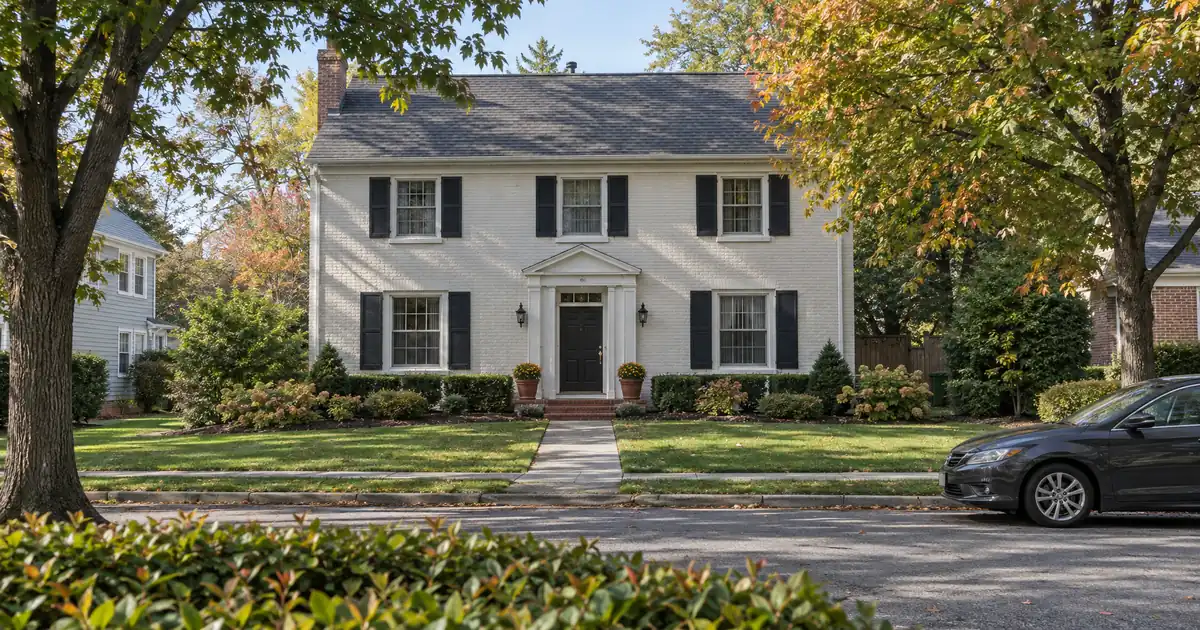
The Quick Read: A first-time landlord whose terms have shifted usually does best by asking why before choosing a channel, because the channel does not change the DSCR math. A direct lender can only place the file inside its own guidelines, while a broker can send it to several lenders with different guidelines. Neither route removes the reviews of credit, reserves, and property.
- A direct lender suits a clean file that fits one credit box.
- A broker suits a file that misses one program and may clear another.
- Most network purchase files land at 75%-80% LTV on an investment property.
- Clearing 1.00 coverage is not the same as positive cash flow.
- Moving a loan means a new file, so weigh that against staying. Leverage, reserves, and terms vary by lender and program; the final terms follow the full file review.
The honest answer: a direct lender is really for the borrower who already knows a single lender’s rules fit the property. A broker is for the borrower who wants more than one set of rules reviewed. Lendmire is a non-QM mortgage broker focused on DSCR loans, so it has a view here, but the comparison below sticks to how each channel works. The direct-lender column reflects published industry norms for DSCR direct lenders. The broker column describes how DSCR files move through a wholesale network of investor lenders. Terms vary because each file is reviewed individually. For the full mechanics, see the complete DSCR loans guide.
DSCR Calculator
Run the numbers in your market
Rate source: Freddie Mac 30-yr average via FRED® — Federal Reserve Bank of St. Louis · effective Oct 22, 2026
Prefilled with starting assumptions — enter your own rent or nightly figures, taxes, insurance, and HOA for a more accurate picture.
Program parameters update from Lendmire’s centralized guideline source. Taxes and insurance are editable estimates.
As of Oct 22, 2026 · General Freddie Mac market benchmark, not a Lendmire loan offer. Rent, nightly rate, occupancy, taxes, and insurance are editable estimates. Short-term rental figures are estimates only and vary significantly by season, property type, management approach, and local short-term-rental rules — confirm local regulations before relying on them. Qualifying income for short-term rentals varies by program — some use appraisal market rent, others use documented STR history or projections — and is confirmed in underwriting. Not a Loan Estimate, approval, or commitment to lend. Program availability and eligibility are subject to lender guidelines, credit approval, property review, and underwriting.
What Does “Repriced” Mean for a First-Time Landlord?
It means the terms you were shown changed before or after you committed. The cause is usually specific. A lower appraised rent can shrink the coverage ratio. A score that slipped a tier can move leverage. Reserves that came in short, or a property detail the lender reads differently, can also shift terms.
Pricing itself stays out of this article. Use the calculator for illustrative estimates. What matters here is the diagnosis. Ask the party holding your file to state in writing which input moved: rent, credit tier, leverage, reserves, or property eligibility. Each points to a different fix.
If the rent figure moved, a different program may weigh it differently. If your credit tier moved, leverage may step down on any lender’s grid. That is why diagnosis comes before a channel decision.
Side-by-Side
| Factor | Direct Lender (published norms) | Broker (wholesale network) |
|---|---|---|
| Who decides credit | The lender that took your application | The wholesale lender chosen for the file |
| Guideline sets available | One | Several |
| Review basis | Property rent vs. PITIA | Property rent vs. PITIA |
| Documentation | Lender-specific | Varies by lender chosen |
| Property types | One product list | Varies; some types not offered anywhere |
| Entity vesting | Lender-specific | Program-dependent, subject to lender guidelines |
| Exception flexibility | Lender’s own call | Limited by the upstream lender |
| Who holds the file | One institution | Broker plus wholesale lender |
| Timeline | Described by each lender | Depends on both parties |
| Reserves | Lender-specific | Commonly around 6 months of PITIA |
Two rows deserve a note. Review basis is identical because both channels run on the same ratio: monthly rent divided by principal, interest, taxes, insurance, and any HOA dues. Reserves vary by lender, leverage, loan size, and transaction type. They can be waived on conservative rate-and-term files under $1,500,000 and typically step up to about 9 months above that size.
Lender, Broker, Wholesale: Who Does What?
A lender makes the loan. A broker does not lend; it collects your file and submits it. The CFPB explains the distinction this way: a lender is an institution making direct loans, and a broker charges a loan-specific fee for its services. The same page notes that some firms act as both, so ask who the actual creditor is.
In a brokered file, a wholesale lender underwrites, decides, funds, and usually appears on the loan documents. You rarely deal with it directly. That is the main structural point: the broker’s job is access and file management, and the wholesale lender’s job is the credit decision. A broker cannot override a lender’s floor, and it should not claim to.
Brokers also do not always present every option. A broker may lean on a preferred set of lenders, so ask how many programs your file was actually reviewed against.
What Both Channels Have in Common
DSCR loans are designed for non-owner-occupied investment properties. Because they are business-purpose investor loans, they are reviewed differently from a standard owner-occupied mortgage. The eCFR text of Regulation Z exempts credit extended primarily for a business purpose, and that applies equally to a direct lender and a wholesale lender.
One trap is worth knowing. The published commentary indicates the non-owner-occupied rule does not apply if you expect to occupy the property more than 14 days in the coming year. If you might live there, say so early.
Credit, assets, reserves, and the property still get reviewed in both channels. Qualification runs primarily on property-level rental income covering the payment, subject to lender guidelines.
When a Direct Lender Is the Better Fit
A direct lender fits when the file is simple and the lender’s box already matches it.
- One lender’s guidelines clearly fit. If your credit tier, leverage, and property type sit squarely inside one published program, a second opinion adds little.
- You want one point of contact. Processing, underwriting, and closing sit under one roof, which can mean fewer handoffs.
- You value control over multiple options. Direct lenders often offer more control from start to finish, since one institution handles every step.
- The property is conventional. A standard single-family rental with a clear rent figure is the easiest file to place anywhere.
The tradeoff: if the file misses that single lender’s floor, there is no fallback inside the same shop. You restart elsewhere. First-time landlords sometimes underestimate this, because the first decline can feel like a verdict on the property when it was only one lender’s overlay.
When a Broker Is the Better Fit
A broker fits when the file has a wrinkle or when you cannot tell which program matches.
- Credit sits between tiers. Across the network, a 620 floor exists in parts of it, most programs want about 660, and 700+ unlocks the strongest leverage tiers. A borrower near a tier boundary benefits from seeing several grids.
- Leverage matters. Purchase files typically land at 75%-80% LTV on an investment property, and select high-leverage programs reach 85% LTV with roughly a 700+ score. A cash-out refinance on a standard rental tops out around 75% LTV, and about 6 months of seasoning is the common expectation.
- Coverage is thin. A coverage ratio of 1.00 is where select programs start. A separate select-lender path takes coverage below 1.00, with leverage and terms adjusted. A broker can steer a file toward whichever path matches.
- The structure is less common. Extended terms, interest-only periods, and ARM structures are available through select lenders. LLC vesting is a program question, not a legal bar, subject to program terms.
- You want a short-term rental. STR files usually expect a 640+ score and about 12 months of hosting history, with purchase leverage up to 75% LTV and refinance around 70%. A 70% ceiling applies to STR cash-out collateral; a standard rental cash-out tops out at 75%.
Here is the catch: a broker still depends on upstream guidelines. It can redirect a file, but the final lender sets the rules. Manufactured homes, log homes, and barndominiums are not offered in these programs through any channel, so no broker can fix that.
Stay or Move?
If your terms changed, moving is not free. A new lender means a new file: another appraisal and rent review, fresh entity paperwork, and a fresh look at reserves. Prepayment terms matter too. Many DSCR loans carry prepayment penalties, so check your note before assuming a move is clean.
Stay if the change traces to a fixable input you can correct in writing, such as a documentation gap. Consider moving if the cause is a floor or overlay unique to your current lender, and another program could treat the same file differently.
Picture a first-time landlord with a single-family rental whose rent review came in lower than expected. The coverage ratio drops from comfortably above 1.00 to a thin margin. Staying with the lender may mean reduced leverage. Asking a broker to review the same file against other programs may reveal one that weighs the rent figure differently. Or it may not. If the number is honestly thin, the useful answer might be a lower leverage tier or a different property.
A reminder that applies everywhere: DSCR compares rent to PITIA only. Clearing 1.00 is not positive cash flow. Repairs, vacancy, management, utilities, and capex all sit outside the calculation. A larger down payment can lift the ratio, but it never erases credit floors, reserve rules, or property eligibility. The strongest files clear both tests: enough equity and enough rental coverage.
DSCR vs. conventional financing
There are two common ways to finance an investment property, and they qualify you differently — here’s how investors weigh them.
Why investors choose it
- Qualifies on the property’s rental income — no personal tax returns, W-2s, or pay stubs needed to document income.
- No personal debt-to-income ceiling to clear, so existing mortgages and obligations don’t cap your borrowing the same way.
- Can be closed in an LLC, keeping the property inside a business entity.
- Built for scaling — not held to the limit on number of financed properties that conventional financing applies.
- Underwriting centers on the deal: generally qualifies when the rent covers the payment, a 1.00x coverage ratio being a common baseline (confirmed in underwriting).
- Designed specifically for investment property, including long-term and, where the program allows, short-term rentals.
Where it’s strong
- Often the lowest ongoing financing cost for a buyer who fully qualifies on personal income — a fit for a first property or a cost-first purchase.
Trade-offs for investors
- Requires full personal income documentation and must fit within a debt-to-income limit — salary, existing debts, and other mortgages all count.
- Typically held in your personal name rather than a business entity.
- Caps how many financed properties you can carry, which can become a ceiling as a portfolio grows.
- Evaluates you as a borrower as much as the property, which usually means more paperwork.
How investors usually choose: a first or single property often optimizes for the lowest financing cost; portfolio builders often optimize for leverage, vesting in an LLC, and scaling past conventional caps. The right answer depends on your goals, the property, and current guidelines — both paths run through select lenders in Lendmire’s wholesale network, with eligibility and terms confirmed in underwriting.
Questions to Ask Either Party
- Which specific input changed, and can you show it in writing?
- Is the firm the lender, a broker, or both?
- How many programs was my file reviewed against?
- What are the prepayment terms on this loan?
- What reserves apply at my leverage and loan size?
- Which property or entity details could change eligibility?
- Who holds my file day to day?
For a related comparison, see Lendmire’s piece Specialist DSCR Broker vs Big-Brand Lender for a First-Time Landlord.
Balanced Verdict
Neither channel changes the math. One lender’s guidelines decide your outcome either way. The question is whether you want one guideline set or several, and whether you value a single point of contact or broader access.
Broker and wholesale lending is a mainstream path. An MBA analysis as reposted by USREOP found the broker wholesale channel grew from 10 percent of dollar volume in 2018 to 16 percent in 2023. That figure covers mortgage lending broadly, not DSCR specifically.
If your file is clean and one lender’s box fits, going direct is reasonable. If your credit sits near a tier edge, coverage is thin, or the structure is unusual, a broker’s wider access tends to be worth the extra party. Tax treatment varies; consult a qualified professional.
If you are buying or refinancing a rental property and want to see how the numbers work, Lendmire can help you compare DSCR loan options based on the property income, credit profile, leverage, and investor goals. Qualification is subject to lender guidelines, and nothing here is a commitment to lend.
Frequently Asked Questions
Can a broker place DSCR loans?
Yes. Brokers submit DSCR files to wholesale lenders, which underwrite, fund, and typically appear on the loan documents. The broker does not lend and does not make the credit decision.
Is a broker’s fee a reason to go direct?
Not by itself. The CFPB confirms brokers charge a loan-specific fee, and compensation arrangements vary.
Why might my terms change after I applied?
The usual causes are a different rent figure, a credit tier shift, reserves that fell short, or a property detail read differently. Ask for the changed input in writing before deciding anything.
Does moving to a new lender restart my prepayment period?
Typically yes, because a new loan carries its own terms. Many DSCR loans include prepayment penalties, so review your current note and the new one before moving.
Which is better for a first-time landlord?
It depends on the file. A first-time landlord does not need a large portfolio to use a DSCR loan, but experience requirements are lender-specific, so ask each program. A straightforward file may suit a direct lender, while a borderline one often benefits from several guideline sets.
About Lendmire
Lendmire (NMLS# 2371349), a non-QM mortgage broker serving investors in 41 markets including Washington, D.C., helps structure DSCR scenarios commonly evaluated around a property’s rental income rather than personal income paperwork, subject to lender guidelines. A Scotsman Guide Top Mortgage Workplace in 2025 and 2026, Lendmire places loans through wholesale investor lenders and is not a direct lender.
Get Started
Ready to find the right loan for you?
In about 30 seconds you can review financing options available for your investment property. No commitment required.
Informational only. Not a Loan Estimate, approval, or commitment to lend. Program availability and eligibility are subject to lender guidelines, credit approval, property review, and underwriting.
References
1. CFPB: What is the difference between a mortgage lender and a mortgage broker?
3. 12 CFR Part 1026 Supplement I commentary via Bankers Online
4. MBA chart via USREOP repost
This article is part of Lendmire’s DSCR loan program — full qualification details, guidelines, and scenarios live on the program page.
Related reading: How to Remove an Ex-Spouse From a First-Time Airbnb DSCR Loan · DSCR Loan Sizing Limits for a Rehabber’s First Hard Money Payoff · Portfolio DSCR Refinance Requirements for Multiple Rentals
Brandon Miller
Founder & CEO, Mortgage Loan Originator, Lendmire LLC
- Mortgage Loan Originator · NMLS# 1129696 · Verify on NMLS Consumer Access
- North Carolina Real Estate Broker · License# 343312 · Verify on NCREC
- North Carolina Insurance Producer · License# 19053198 · Property, Casualty, Life, Health · Verify on NAIC SBS
- Lendmire LLC · Firm NMLS# 2371349 · Verify firm licensure
Disclosures. The information presented in this article is general market commentary, not financial, legal, or tax advice. Lendmire is a mortgage brokerage (NMLS# 2371349) — not a direct lender or depository institution — and loan placement is subject to lender underwriting. Nothing in this content represents a commitment to lend. Loan terms, pricing, and program availability vary based on borrower qualifications, property characteristics, and state of subject property, and are subject to change at any time. Lendmire complies with Equal Housing Opportunity requirements. Consumer access: nmlsconsumeraccess.org.