
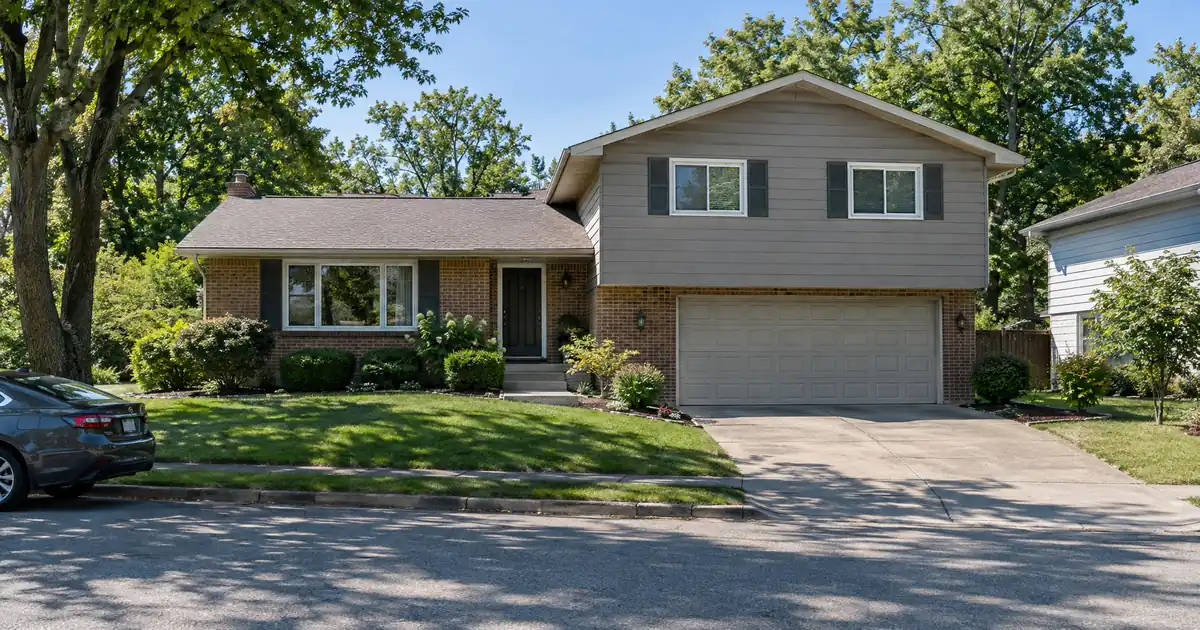
The Quick Read: Seasoning is the time you have held title, and on a paid-off short-term rental it decides which value a lender multiplies by the leverage cap: your documented cost while you are inside the window, or the appraised value once you clear it. Seasoning changes the value basis, not a fixed share of your proceeds. A property with no mortgage is still a cash-out, because there is no lien to pay off. Terms vary by lender, so every figure below is a guideline, subject to lender guidelines and individual underwriting.
- Across most programs in Lendmire’s wholesale network, about 6 months of seasoning is the common expectation on a cash-out.
- On short-term-rental collateral, cash-out leverage tops out at 70% LTV (loan-to-value, the loan as a share of value).
- Exceptions to the waiting period relax time only. They usually cap the loan at what you documented putting into the property.
- Rent coverage can limit the loan before equity does, because the new loan adds a payment the property never had.
You own the property outright, and you are asking when the equity becomes spendable. Here is how the clock runs, what the lender multiplies, and where the rules bend.
DSCR Cash-Out Calculator
Run the cash-out numbers in your market
Rate is an editable market assumption — the live benchmark loads when available.
Prefilled with starting assumptions — enter your property’s value, balance, taxes, and insurance for a more accurate picture.
Program parameters update from Lendmire’s centralized guideline source. Taxes and insurance are editable estimates.
Fallback assumption · General Freddie Mac market benchmark, not a Lendmire loan offer. Property value, balance, taxes, and insurance are editable estimates. Maximum loan-to-value varies by lender, program, property type, and seasoning. Not a Loan Estimate, approval, or commitment to lend. Program availability and eligibility are subject to lender guidelines, credit approval, property review, and underwriting.
Is a Paid-Off Short-Term Rental Still a Cash-Out?
Yes. Any new first loan that puts cash in your hand on a property with no mortgage is a cash-out refinance. A rate-and-term refinance replaces an existing loan with a better one, and you have no loan to replace.
That classification matters because it sets the leverage cap, the pricing tier, and the seasoning rules. Across most of the network, cash-out tops out around 75% LTV on standard rentals. Short-term-rental collateral sits lower, at 70% on a cash-out. The lender treats the new loan as new debt on a property that carried none. Terms vary by lender guidelines, property type, leverage, credit profile, and full file review.
Paid-off status does help in one way. With no existing payment, the new payment is entirely incremental, and the rent coverage test is run on that full amount. We will come back to why that matters.
Key Terms Defined
Seasoning: the waiting period a lender wants between two events, here between acquiring title and taking cash out.
Title seasoning: how long you have been the owner of record. Programs generally measure it from the recorded deed date, not from rehab completion or the first booking.
Value basis: the number the lender multiplies by the leverage cap. It is either your documented cost or the appraised value.
Delayed financing: a path for cash buyers to borrow against a recently bought property before the normal waiting period ends, with proceeds tied to documented cost.
DSCR (debt service coverage ratio): the property’s rent divided by its monthly obligation (principal, interest, taxes, insurance, and any HOA dues, together called PITIA).
Hosting history: the record of bookings that shows the property operates as a short-term rental. Programs typically look for about 12 months of landlord or host experience.
The Tier Ladder: Where Your Property Sits
Seasoning is not one wall. It works as a ladder, and your rung decides the value basis. The structure below is typical across the programs we place files with, though exact windows differ by lender.
| Stage | Value basis | What it unlocks |
|---|---|---|
| Inside window, cash buyer | Lower of cost or value | Cost-capped cash-out (delayed financing) |
| Inside window, no exception | None | Usually a decline, or a case-by-case exception |
| Window cleared | Appraised value | Appreciation and improvements count |
| Long-held and paid off | Appraised value | Time stops mattering |
Tier A: inside the window, bought for cash. Delayed financing applies here. An SEC-filed diligence exhibit shows how such a file is typically documented. The purchase is arm’s-length, the settlement statement shows no purchase financing, and the source of funds is traceable. The same exhibit treats delayed financing as a cash-out for eligibility.
Proceeds in this tier are capped at your documented investment plus eligible closing costs. Another filing describes the value basis as the lower of the appraised value or the purchase price plus documented improvements. You get your money back out. You do not get to turn appreciation into capital yet.
Tier B: inside the window, not a delayed-financing file. Most programs decline this file, because the seasoning requirement is not met. A few lenders in the network will look at an exception, case by case. They usually want strong compensating factors, and they adjust leverage or terms to match. Treat an exception as a one-off, never as a plan.
Tier C: window cleared. The appraised value becomes the value basis. Improvements and market appreciation now count, subject to the cash-out cap on short-term-rental files. This is the rung where forced appreciation turns into capital.
Tier D: long-held and fully paid off. Time is no longer the constraint. Value, hosting documentation, rent coverage, and reserves decide the outcome.
Market surveys of DSCR lenders report six months of title seasoning on cash-outs as the most common requirement, with a few lenders shorter, according to a BiggerPockets discussion of seasoning periods. Our network lines up with that common expectation at about 6 months. Some lenders in the network run shorter or longer windows, so the program you land in matters.
When Does the Clock Start?
The clock generally starts at the recorded deed date. It does not start when your rehab finishes, when the first guest checks in, or when the listing goes live.
This trips up investors who bought a property that needed work. Say you closed on a cash purchase, spent months on renovations, and listed it afterward. The lender counts from the deed. Your hosting history is a separate record and runs on its own timeline.
Moving the property into an LLC can also matter. Some programs treat a deed into a new entity as a title event and review it or reset the clock. Others look through the transfer to the original acquisition. Ask before you re-title, not after. Entity-titled loans are available subject to lender program eligibility, and the vesting you choose before you apply is the one the lender reviews.
The Second Clock: Hosting History
A short-term rental has two clocks, and they do not always match. Ownership seasoning asks how long you have held title. Hosting history asks how long the property has run as a short-term rental. For this property type, programs typically expect a score of 640 or higher and about 12 months of landlord or host experience.
| Item | Hosting history | No hosting history |
|---|---|---|
| Seasoned title | Strongest file | Rent estimate carries more weight |
| Unseasoned title | Cost-capped, if cash-bought | Hardest combination |
A long-held property that you only recently converted to short-term use clears the title clock but may lack booking records. In that case, an appraiser’s or data vendor’s income estimate often fills the gap, and the lender may scrutinize it harder.
Whichever way income is documented, the coverage floor on a short-term-rental refinance is 1.00. Treat that as where select programs start, not as a promise. A separate select-lender path takes coverage below 1.00 with leverage and terms adjusted.
What Binds First? The Lowest-Gate Rule
The loan you receive is the lowest of three numbers. Think of them as three gates, and the smallest opening wins.
1. The leverage gate. The value basis times the LTV cap.
2. The coverage gate. The largest loan whose payment the rent can carry at the required DSCR.
3. The cash gate. Reserves and any limits on cash in hand.
Here is an illustration in index points, not dollars. These inputs are modeled assumptions for the example.
- Documented cost: 100 points.
- Appraised value: 130 points.
- Rent supports a loan of up to 80 points at the required coverage.
Inside the window with delayed financing, the cost basis governs. At 70% on short-term-rental collateral, the leverage gate allows 70 points. The coverage gate allows 80. The result is 70 points, and leverage is the binding gate.
Past the window, the appraisal governs. The leverage gate now allows 91 points. The coverage gate still allows 80. The result is 80 points, and rent coverage is the binding gate, not equity.
This is the lesson for paid-off owners. Cash-out adds a payment where none existed, so a thin coverage ratio can cap the loan before your equity does. Clearing 1.00 is also not the same as positive cash flow. DSCR compares rent to PITIA only, and repairs, vacancy, management, utilities, and capex sit outside the calculation.
Reserves vary by lender, leverage, loan size, and transaction type. They commonly run around 6 months of PITIA, and larger loans typically step up from there. Loan sizes run up to $3,000,000 on standard programs. Credit matters too: a 620 floor exists in parts of the network, most programs want around 660, and 700 or higher opens the strongest leverage tiers. Short-term-rental files, as noted, expect 640 or better.
For the proceeds math itself, Lendmire’s piece How Much a DSCR Cash-Out Releases on a Paid-Off Short-Term Rental walks through the sizing in more depth.
Delayed Financing: What It Waives and What It Doesn’t
Delayed financing waives time. It does not waive value limits, and it does not make the loan anything other than a cash-out.
The typical conditions are consistent across the files we see:
- The purchase was arm’s-length, with no purchase-money loan secured by the property.
- The settlement statement confirms a cash purchase, or shows only a short-term or hard-money loan paid off from proceeds.
- The source of the purchase funds is documented through bank statements.
- The new loan is capped at your documented investment plus eligible costs.
Purchase-money financing secured by the property can disqualify the file. One filing shows how a seasoning rule can bite in a land-then-build case. The borrower paid cash for the build, but the lot was acquired outside the lookback window, so the loan needed an exception.
The agency world uses the same vocabulary, which is where confusion starts. For contrast only, the Fannie Mae Selling Guide generally requires six months on title before a cash-out, with carve-outs for inheritance, divorce awards, and delayed financing. Those are agency rules for conforming loans. They do not govern DSCR files, and DSCR programs write their own. Do not import a conventional 12-month test, or any other agency number, into a business-purpose loan.
That distinction rests on how the loans are classified. DSCR loans are designed for non-owner-occupied investment properties. Because they are business-purpose investor loans, they are reviewed differently from a standard owner-occupied mortgage.
Where the General Rule Breaks
Every rule above has edge cases. These are the ones that come up most often on paid-off short-term rentals.
Inheritance or a divorce award. Some programs allow a cash-out inside the usual window when you inherited the property or were legally awarded it. The rule is program-specific, and the documents are the proof.
Programs that defer to agency delayed-financing rules. One filing records a program confirming its guidelines defer to the agency standard for delayed financing, with a settlement statement and bank statements sourcing the funds. Others write their own version, so ask which one applies.
Cost-sized early cash-out. Some lenders let you cash out early but size the loan on cost instead of appraisal. That is a value-basis trade, and it usually comes with tighter leverage or pricing elsewhere. A program that is lenient on time rarely is lenient on everything else.
Hard-money or bridge purchases. A short-term loan used at purchase can still qualify for delayed financing if it is paid off from proceeds. A permanent purchase-money mortgage generally cannot.
Recent conversion to short-term use. The title clock may be fine while the booking record is thin, as the matrix above shows.
Local rules. If the income is not allowed, the coverage test fails no matter how seasoned the title is.
Ineligible property types. Manufactured homes, log homes, and barndominiums are not offered through the network’s DSCR programs, so seasoning is moot for them.
One practitioner pattern is worth knowing. On paid-off files, the surprise is rarely the waiting period. It is the gap between the loan the equity would support and the loan the rent can carry. Owners who run the coverage test before they order an appraisal avoid the most common disappointment.
Go Now or Wait?
Use this test before you apply.
1. Count from the recorded deed. If you are at or past about 6 months, the appraisal is likely your value basis.
2. Inside the window and cash-bought? Gather the settlement statement and bank statements, and ask about delayed financing. Expect cost-capped proceeds.
3. Inside the window and not cash-bought? Waiting is usually the cleaner path than chasing an exception.
4. Check your hosting record. About 12 months of history is the typical expectation, so plan the income documentation now.
5. Run coverage on the larger loan. Test rent against the new, full payment, not the payment you imagine.
6. Settle your vesting before you apply. Re-titling mid-process can reset a clock.
If waiting would add a lot of appraised value, patience pays. If you are really after your own cash back, delayed financing may make waiting unnecessary. For a broader map of how the programs fit together, the complete DSCR loans guide covers the full picture.
Tax treatment can depend on how the funds are used and how the property is held; investors should keep clear records and speak with a qualified tax professional before relying on any deduction.
Frequently Asked Questions
How long do I have to own a paid-off short-term rental before a cash-out?
Across most programs in the network, about 6 months of title seasoning is the common expectation. The clock generally runs from the recorded deed. Some lenders run shorter or longer windows, and exceptions exist for cash buyers, so the answer depends on the program your file fits.
Does paying cash for the property let me skip the waiting period?
It can, through delayed financing, but only the waiting period. Proceeds are generally capped at your documented investment plus eligible costs, and the loan is still priced and sized as a cash-out. Once you clear the window, the appraised value becomes the basis.
What leverage can I expect on a short-term rental cash-out?
Cash-out on short-term-rental collateral tops out at 70% LTV, while standard rentals reach up to about 75% on a cash-out. Those are ceilings, and credit, reserves, coverage, and property eligibility can bring the loan lower. Every file is underwritten individually. Exact terms depend on the lender’s guidelines, property type, leverage, and a full review of the borrower’s file.
Can rent coverage limit my loan even with plenty of equity?
Yes. The new loan adds a payment on a property that had none, and the rent has to cover it at the required ratio. On a short-term-rental refinance the floor is 1.00. A select-lender path takes coverage below 1.00 with leverage and terms adjusted.
Does moving the property into an LLC reset the seasoning clock?
It can, depending on the program. Some programs treat a deed into a new entity as a title event, while others look through it to the original purchase. Settle the vesting before you apply, subject to lender program eligibility for entity borrowers.
Next Step
If you are buying or refinancing a rental property and want to see how the numbers work, Lendmire can help you compare DSCR loan options based on the property income, credit profile, leverage, and investor goals. Lendmire is a mortgage broker that arranges these loans through select lenders in a wholesale network spanning 41 markets, including Washington, D.C. This is not a commitment to lend.
Investors focused on short-term rentals can review DSCR loans for Airbnb and short-term rentals.
For the mechanics of pulling equity out of a rental property, see Lendmire’s guide to cash-out refinance on an investment property.
About Lendmire
As a DSCR and non-QM mortgage broker, Lendmire — NMLS# 2371349 — connects investors with wholesale lending channels across 41 markets, including Washington, D.C. The property’s rental income, not the borrower’s tax returns, is central to lender review, which works for self-employed operators and portfolios beyond four financed properties. Scotsman Guide named Lendmire a Top Mortgage Workplace in both 2025 and 2026.
Get Started
Ready to find the right loan for you?
In about 30 seconds you can review financing options available for your investment property. No commitment required.
Informational only. Not a Loan Estimate, approval, or commitment to lend. Program availability and eligibility are subject to lender guidelines, credit approval, property review, and underwriting.
References
1. SEC ABS-15G diligence exhibit on delayed financing conditions
2. BiggerPockets discussion of seasoning periods for cash-out refinances
3. Fannie Mae Selling Guide: Cash-Out Refinance Transactions
This article is part of Lendmire’s investment property cash-out refinance program — full qualification details, guidelines, and scenarios live on the program page.
Related reading: Cash Out Refinance Investment Property Laws · Should I Pay Off My HELOC or Invest? · Cash Out Refinance Balloon LLC Property
Brandon Miller
Founder & CEO, Mortgage Loan Originator, Lendmire LLC
- Mortgage Loan Originator · NMLS# 1129696 · Verify on NMLS Consumer Access
- North Carolina Real Estate Broker · License# 343312 · Verify on NCREC
- North Carolina Insurance Producer · License# 19053198 · Property, Casualty, Life, Health · Verify on NAIC SBS
- Lendmire LLC · Firm NMLS# 2371349 · Verify firm licensure
Legal disclosures. Lendmire (NMLS# 2371349) is a state-licensed mortgage brokerage that arranges financing through wholesale lender relationships. Lendmire is not a direct lender, depository institution, or registered financial advisor. The discussion above is general informational content about real estate financing — it is not financial, legal, or tax advice, and readers should consult licensed professionals for guidance on their individual circumstances. Loan inquiries are subject to lender underwriting; this article does not represent a commitment to lend. Loan terms, rates, and qualification standards vary by borrower, property, and state, and are subject to change at any time. Equal Housing Opportunity. NMLS Consumer Access: nmlsconsumeraccess.org.