
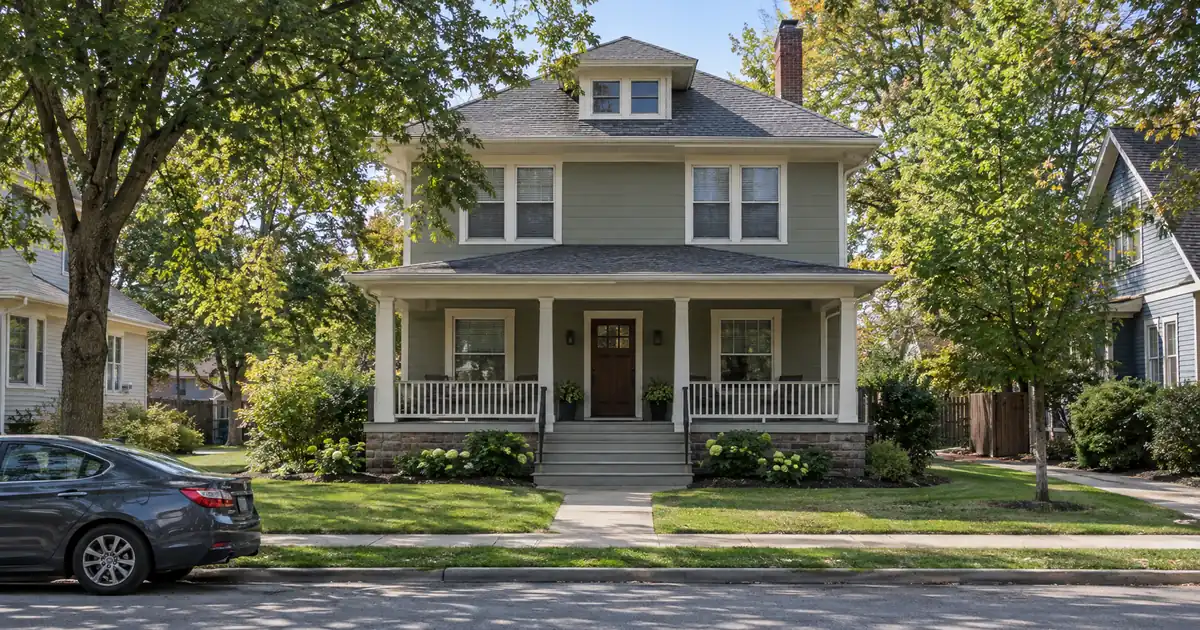
The Quick Read: A DSCR cash-out refinance lets you keep the Texas rental and pull equity out as a new loan. A sale ends your ownership and turns the equity into cash. DSCR stands for debt service coverage ratio, which compares the property’s rent to its monthly mortgage obligation. Cash-out suits an owner whose rent comfortably covers a larger obligation, and a sale suits an owner who wants out or whose rent is thin.
- Where you live does not change how a DSCR lender reviews the file. The loan is underwritten on the Texas property.
- Cash-out on an investment property tops out around 75% LTV across most of the network. LTV (loan-to-value) is the loan balance divided by the property’s appraised value.
- A cash-out is a loan, so closing it is not a sale. A sale is a taxable event that can bring federal gain and depreciation recapture.
- Thin rent, ineligible property types, and a real desire to exit all point toward selling.
Here is the honest answer. Pick cash-out if you like the asset, the rent is strong, and you want to redeploy equity without giving up the property. Pick a sale if you are tired of owning it, the property will not carry a bigger loan, or you want to move the whole equity pile somewhere else. Neither choice is smarter in the abstract. They solve different problems.
DSCR Cash-Out Calculator
Run the cash-out numbers in Texas
Rate source: Freddie Mac 30-yr average via FRED® — Federal Reserve Bank of St. Louis · effective Oct 8, 2026
Prefilled with starting assumptions — enter your property’s value, balance, taxes, and insurance for a more accurate picture.
Program parameters update from Lendmire’s centralized guideline source. Taxes and insurance are editable estimates.
As of Oct 8, 2026 · General Freddie Mac market benchmark, not a Lendmire loan offer. Property value, balance, taxes, and insurance are editable estimates. Maximum loan-to-value varies by lender, program, property type, and seasoning. Not a Loan Estimate, approval, or commitment to lend. Program availability and eligibility are subject to lender guidelines, credit approval, property review, and underwriting.
Being remote adds logistics, not a different set of rules. Most of what follows is about the choice itself.
Side-by-Side
The cash-out column reflects how the wholesale network Lendmire works with generally reviews these files. The sale column shows how a sale generally works. Details vary by lender, buyer, and property.
| Factor | DSCR Cash-Out | Sale |
|---|---|---|
| Review basis | Property rent vs. payment, plus credit | Buyer’s financing and contract |
| Documentation | Lease or rent roll, appraisal, insurance, assets | Listing, contract, payoff letter |
| Property types | Standard rentals; some types not offered | Any type a buyer will purchase |
| Entity vesting | LLC allowed, subject to lender program eligibility | Entity signs the sale documents |
| Reserves | Commonly around 6 months of PITIA | None required of the seller |
| Timeline | Appraisal and title drive it; lender-dependent | Buyer’s financing and contract drive it |
| Tax event | Loan proceeds; no sale | Gain realized on sale |
PITIA is principal, interest, taxes, insurance, and any association dues. It is the full monthly obligation the rent has to cover.
When DSCR Cash-Out Is the Better Fit
Cash-out fits when the property performs, the equity is real, and you want to keep owning. A rental that already covers its payment with room to spare can usually carry a larger loan. The money can fund the next purchase while the Texas property keeps producing rent.
Here is how the network generally treats these files:
- Leverage: Cash-out on an investment property tops out around 75% LTV across most of the network. Short-term-rental collateral sits lower, around 70% on a cash-out.
- Seasoning: Seasoning is the waiting period after you buy. Expect about 6 months of ownership, measured from title recording.
- Coverage: 1.00 is where select programs start, meaning rent equals the full monthly obligation. A separate path through select lenders in the network goes below 1.00, with leverage and terms adjusted. Stronger ratios open better terms.
- Credit: A 620 floor exists in parts of the network. Most programs want around 660. A 700+ score unlocks the strongest tiers.
- Reserves: Reserves are cash left over after closing. They are commonly around 6 months of PITIA and step up to about 9 months on loans above $1,500,000. Standard programs go up to $3,000,000.
The loan is reviewed primarily on property-level rental income covering the payment, subject to lender guidelines. Your own paychecks are not the center of the file.
Here is the catch. Your new loan is bigger than your old one, so the payment goes up and the coverage number goes down. A property that clears 1.00 comfortably today may land barely above it after a cash-out. Clearing 1.00 also does not mean positive cash flow. DSCR compares rent to PITIA only. Repairs, vacancy, management fees, utilities, and capital expenses sit outside the calculation.
A BiggerPockets discussion on reasons to sell versus refinance makes a related point. Refinancing does not turn a marginal performer into a good one. If the rent is thin, a cash-out only shrinks the coverage cushion further.
The appraisal matters for two reasons. It sets the value that LTV is measured against. It also gives a market-rent opinion, using the rent-schedule form for a single-family home or the operating-income form for a two-to-four-unit property. If the lease rent and the appraiser’s rent differ, treatment depends on the program. Many lenders lean toward the lower figure.
A few things work in an out-of-state owner’s favor. Remote owners usually have a property manager, so leases and rent rolls tend to be organized already. The lender wants the lease, the insurance policy, bank statements for reserves, and title paperwork. Names should match across the note, title, insurance, appraisal, and lease. Mismatches cause avoidable delays.
A larger down payment on a purchase lowers the payment and can lift the coverage number. It does not erase leverage caps, credit floors, reserve rules, or property eligibility. The strongest files clear both tests: enough equity and enough rental coverage. For the full picture, see the complete DSCR loans guide.
When Selling Is the Better Fit
A sale fits when you want out, when the property will not carry a bigger loan, or when you want all the equity somewhere else. A cash-out is capped around 75% LTV on an investment property. A sale releases everything left after the payoff and closing costs. These specifics are subject to lender guidelines and a full review of property, leverage, and credit.
Thin rent. If rent barely covers the current obligation, a larger loan pushes coverage under 1.00. Select lenders in the network will look at sub-1.00 files, but leverage and terms adjust, and the cash-out shrinks. Selling may leave you better off than borrowing against a property that struggles.
Property types the programs do not cover. Manufactured homes (single- and double-wide), log homes, and barndominiums are not offered through the network’s DSCR programs. If your Texas rental is one of those, cash-out is off the table. A sale is the practical route.
Burnout or distance. Some out-of-state owners just want to stop managing a property they cannot see. Cash-out keeps you in the game. A sale ends it. That is a lifestyle call as much as a numbers call.
Redeploying everything. A sale lets you move the whole equity amount into something new. The IRS Form 8824 instructions set two clocks for a 1031 exchange, which is a way to defer tax by trading into a replacement property. The IRS requires you to identify the replacement within 45 days of the transfer. You must receive it within 180 days, or by the return due date, whichever is earlier. Those are tax-code deadlines, not loan timelines. They are strict.
Tax cost, stated plainly. A sale realizes gain. Depreciation recapture means the IRS takes back some of the tax benefit you claimed while you owned the property. Texas has no state income tax, so a Texas sale carries no state-level gain tax. Your home state may see it differently. Check before you list.
Tax treatment can depend on how the funds are used and how the property is held; investors should keep clear records and speak with a qualified tax professional before relying on any deduction.
Sequencing with a 1031. Many investors do an exchange first and borrow afterward. A cash-out taken just before a planned exchange can draw questions from an exchange intermediary, since it looks like pulling profit out. Talk to the intermediary and your CPA before you order an appraisal.
Remote execution. You do not have to fly to Texas to sell. Title companies commonly handle out-of-town sellers through remote or mobile notarization or a power of attorney, depending on the parties and the title company. A local agent and your property manager handle showings. A tenant-occupied property generally sells with the lease staying in place, so the buyer inherits the tenancy. Your manager can keep the tenant informed.
What Being Out of State Changes (and What It Doesn’t)
Almost nothing changes on the financing side. The lender underwrites the Texas collateral, the rent, and your credit. Your state of residence is not a qualification factor in the way the file is built. Residency matters for tax, not underwriting.
Two things do change.
Home-state tax. Texas collects no state tax on a sale, but you may owe tax where you live. Sale and cash-out look different here. A sale can trigger a home-state tax bill. A cash-out is a loan and generally does not. Your CPA should confirm both.
Foreign owners are a separate case. A seller who is a foreign person faces separate federal withholding at closing. A U.S. owner who simply lives in another state is not in that category. Lender treatment of foreign-national borrowers is its own program question.
DSCR vs. conventional financing
There are two common ways to finance an investment property, and they qualify you differently — here’s how investors weigh them.
Why investors choose it
- Qualifies on the property’s rental income — no personal tax returns, W-2s, or pay stubs needed to document income.
- No personal debt-to-income ceiling to clear, so existing mortgages and obligations don’t cap your borrowing the same way.
- Can be closed in an LLC, keeping the property inside a business entity.
- Built for scaling — not held to the limit on number of financed properties that conventional financing applies.
- Underwriting centers on the deal: generally qualifies when the rent covers the payment, a 1.00x coverage ratio being a common baseline (confirmed in underwriting).
- Designed specifically for investment property, including long-term and, where the program allows, short-term rentals.
Where it’s strong
- Often the lowest ongoing financing cost for a buyer who fully qualifies on personal income — a fit for a first property or a cost-first purchase.
Trade-offs for investors
- Requires full personal income documentation and must fit within a debt-to-income limit — salary, existing debts, and other mortgages all count.
- Typically held in your personal name rather than a business entity.
- Caps how many financed properties you can carry, which can become a ceiling as a portfolio grows.
- Evaluates you as a borrower as much as the property, which usually means more paperwork.
How investors usually choose: a first or single property often optimizes for the lowest financing cost; portfolio builders often optimize for leverage, vesting in an LLC, and scaling past conventional caps. The right answer depends on your goals, the property, and current guidelines — both paths run through select lenders in Lendmire’s wholesale network, with eligibility and terms confirmed in underwriting.
Entity-Held Rentals
If an LLC holds title, a cash-out generally requires the entity paperwork: articles, operating agreement, EIN letter, and a good-standing certificate. An individual guarantor typically signs separately. LLC vesting is available subject to lender program eligibility. A sale needs the same authority documents so the title company can confirm who may sign.
The Texas side adds a filing. An LLC holding Texas property files a franchise tax report even when it owes nothing. Nolo’s guide to Texas LLC filings puts the no-tax-due threshold at $2.65 million of annualized revenue for current reports. A single rental sits far below that. The report is still required.
Multi-member LLCs add paperwork either way. If partners disagree on the exit, that is its own problem. Lendmire has covered cash-out refinance vs selling an LLC rental to pay a partner and what to do when a partner wants out of a rental.
Four Owners, Four Answers
Picture an owner who inherited a Texas duplex and lives in another state. The rent covers the obligation with a healthy margin and the property is managed. This owner can keep it and take a cash-out, or sell and exchange. If the goal is steady income without a hands-on role, cash-out wins.
Say you own a single-family rental where the rent only just clears 1.00 on the existing payment. A cash-out would push coverage below 1.00. A sale, or a smaller loan through a select lender, fits better than stretching.
Consider an equity-rich owner with a strong-performing fourplex who wants to buy a second property. Pulling equity out at up to 75% LTV funds a down payment while the fourplex keeps paying. This is the classic cash-out case. Terms depend on the lender’s guidelines, the property type, the leverage, and a full review of the credit profile.
Run the numbers on a tired landlord with a barndominium-style property. Cash-out is not available through these programs. The choice is sell, or hold and manage. Selling ends the headaches.
Where Owners Get It Wrong
- Treating a cash-out as tax-free forever. It defers nothing. If you sell later, the loan is repaid and the same gain and recapture apply.
- Assuming a 1031 erases tax. It defers tax and carries rigid deadlines.
- Thinking DSCR means no paperwork. The file still needs identity, credit, reserves, appraisal, title, insurance, and entity papers. What it skips is personal income documentation, since qualification runs on the property’s income.
- Assuming Texas means no tax at all. No state income tax, yes. Federal tax still applies to a sale.
- Believing agency rules govern the loan. They do not. The appraisal’s rent-schedule form is simply a common way to document market rent.
The Balanced Verdict
Choose DSCR cash-out if the property earns its keep, the rent covers a bigger obligation with room, and you want to stay invested. You keep the asset, the appreciation, and the rent, and you avoid triggering a sale. The cost is a higher payment and a thinner margin.
Choose a sale if the rent is thin, the property type falls outside the programs, or you simply want out. You get every dollar of equity after payoff and costs, you end the remote-management burden, and you can exchange into something that fits better. The cost is the tax bill and the loss of the income stream.
It’s a genuine toss-up for the owner in the middle: decent rent, real equity, mixed feelings about owning. The tiebreaker is usually coverage. If a cash-out would leave the coverage number above the line with cushion, keeping is easy to defend. If it would leave you scraping, sell.
Frequently Asked Questions
Is a DSCR cash-out refinance taxable?
Closing a cash-out does not by itself sell the property, and the proceeds are loan proceeds. But a later sale still owes the same gain and recapture. Tax treatment varies; consult a qualified professional before you decide.
Can I do either one without traveling to Texas?
Usually, yes. A cash-out involves an appraisal, title work, and signing, and many closings can be handled through remote or mobile notarization depending on the title company and lender. A sale can use a power of attorney or remote signing in many cases. Your property manager covers the on-site tasks.
Does living out of state change whether I qualify for a cash-out?
No. The file qualifies primarily on property-level rental income covering the payment, subject to lender guidelines. Credit, reserves, appraisal, and property eligibility drive the outcome.
Do I owe Texas tax if I sell?
Texas has no state income tax, so there is no state tax on the gain. Federal tax still applies, and your home state may tax it too. An LLC owner should also keep up the annual Texas franchise report.
Can I cash out and then sell later?
You can, but the loan must be repaid at sale and the gain is computed the same way. If an exchange is planned, sequence the refinance with an intermediary and CPA first.
Next Step
If you are buying or refinancing a rental property and want to see how the numbers work, Lendmire can help you compare DSCR loan options based on the property income, credit profile, leverage, and investor goals. Lendmire is a broker arranging DSCR financing through select lenders in its wholesale network, across 41 markets including Washington, D.C. Programs are subject to lender guidelines and are not a commitment to lend.
For the mechanics of pulling equity out of a rental property, see Lendmire’s guide to cash-out refinance on an investment property.
About Lendmire
Lendmire, NMLS# 2371349, is a mortgage brokerage focused on investor financing, arranging DSCR loans in 40 states plus Washington, D.C. — 41 markets total. Qualification is based on the property’s income rather than personal income documentation, subject to lender guidelines, making it a fit for LLC-held rentals and scaling portfolios. Scotsman Guide named Lendmire a Top Mortgage Workplace in both 2025 and 2026.
Get Started
Ready to find the right loan for you?
In about 30 seconds you can review financing options available for your investment property. No commitment required.
Informational only. Not a Loan Estimate, approval, or commitment to lend. Program availability and eligibility are subject to lender guidelines, credit approval, property review, and underwriting.
References
1. BiggerPockets, Cash-Out Refi vs. 1031 Exchange
2. IRS Instructions for Form 8824, Like-Kind Exchanges
3. Nolo’s guide to Texas LLC filings
This article is part of Lendmire’s investment property cash-out refinance program — full qualification details, guidelines, and scenarios live on the program page.
Related reading: Rental HELOC vs Cash-Out Refinance for a Rental in an LLC or Trust · DSCR Cash-Out Income Requirements to Buy Another Airbnb · Conventional Investor Loan vs DSCR Loan for a Rental Bought Years Ago
Guides: Investment Property Cash-Out Refinance in Texas
Brandon Miller
Founder & CEO, Mortgage Loan Originator, Lendmire LLC
- Mortgage Loan Originator · NMLS# 1129696 · Verify on NMLS Consumer Access
- North Carolina Real Estate Broker · License# 343312 · Verify on NCREC
- North Carolina Insurance Producer · License# 19053198 · Property, Casualty, Life, Health · Verify on NAIC SBS
- Lendmire LLC · Firm NMLS# 2371349 · Verify firm licensure
Compliance and disclosures. Lendmire (NMLS# 2371349) is a licensed mortgage broker and is not a direct lender, depository institution, financial advisor, or tax professional. Content in this article is general market analysis and educational information — not financial, legal, or tax advice for any specific situation. Lendmire does not guarantee loan approval; every transaction is subject to underwriting by the funding lender. Mortgage pricing and loan program guidelines are subject to change at any time without notice and vary by borrower characteristics, property type, and state regulations. Lendmire complies with Equal Housing Opportunity. Licensure verification: NMLS Consumer Access.