
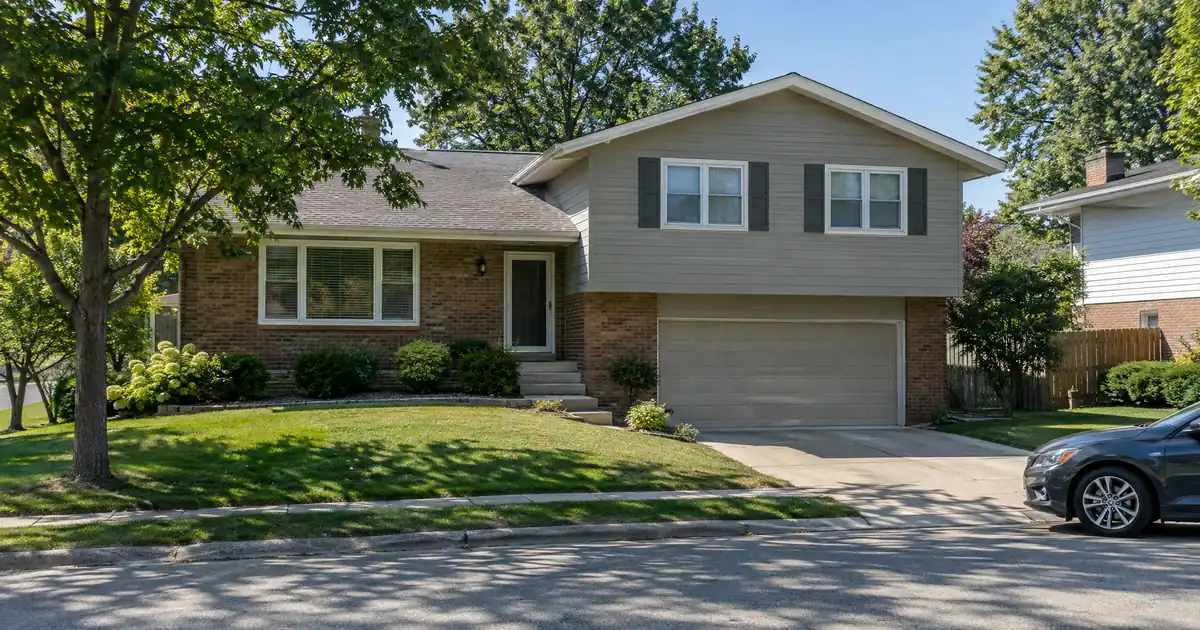
The Quick Read: It depends on your exit plan and how much one weak property worries you. Separate cash-out refinances fit investors who want each rental to keep its own note and stay free to sell or refinance on its own. A blanket loan fits a larger, stable portfolio held together and big enough to meet a program’s minimums.
- Separate loans test each property alone, so one weak rental can fail by itself.
- A blanket loan typically tests the pool, so strong rentals can carry weaker ones.
- Cash-out on a standard rental tops out around 75% LTV across most of the network, with about 6 months of seasoning.
- A blanket’s release clause decides how freely you can sell one property.
- A personal guaranty usually sits behind the LLC under either structure.
Both options are real, and neither is the default. The right answer turns on your exit plan, how uniform your properties are, and how much exposure you want to share between them.
DSCR Cash-Out Calculator
Run the cash-out numbers in your market
Rate source: Freddie Mac 30-yr average via FRED® — Federal Reserve Bank of St. Louis · effective Oct 15, 2026
Prefilled with starting assumptions — enter your property’s value, balance, taxes, and insurance for a more accurate picture.
Program parameters update from Lendmire’s centralized guideline source. Taxes and insurance are editable estimates.
As of Oct 15, 2026 · General Freddie Mac market benchmark, not a Lendmire loan offer. Property value, balance, taxes, and insurance are editable estimates. Maximum loan-to-value varies by lender, program, property type, and seasoning. Not a Loan Estimate, approval, or commitment to lend. Program availability and eligibility are subject to lender guidelines, credit approval, property review, and underwriting.
Side-by-Side
The column for separate cash-out refinances reflects how Lendmire’s wholesale network places them. The blanket column shows published industry norms, which vary by lender, so treat it as a general picture and not a program promise.
| Factor | Separate Cash-Outs | Blanket Loan (industry norms) |
|---|---|---|
| Notes and liens | One per property | One note, liens on every property |
| Review basis | Rental coverage, tested per property | Often pooled coverage across properties |
| Documentation | Appraisal, title, closing per property | One closing, per-property valuations |
| Entity vesting | Each LLC on its own file | Often one or several LLCs on one note |
| Selling one property | No release negotiation needed | Depends on the release clause |
| Default exposure | Isolated by note | Can reach the whole pool |
| Reserves | Vary by lender, leverage, size | Vary; often reviewed on the pool |
| Timeline | Several files to coordinate | One file, but a heavier one |
| Minimum size | Standard programs, one rental at a time | Programs may set property-count or loan minimums |
How Each Structure Works for an LLC
Separate cash-outs mean each rental gets its own note, appraisal, title commitment and closing. The LLC is typically the borrower, and an individual guarantor typically signs behind it. Across the wholesale network, a cash-out generally tops out around 75% LTV on a standard rental, with about 6 months of seasoning measured from title recording. A short-term rental caps at 70% on cash-out. Coverage starts at 1.00 for select programs, and stronger ratios open better leverage. A separate select-lender path takes coverage below 1.00, with leverage and terms adjusted.
A blanket loan is one mortgage covering two or more properties. It works through one note, one payment, and a security instrument recorded against each property. A well-drafted note includes an allocated amount per property and a release schedule.
One term causes confusion. “Portfolio loan” strictly means the lender keeps the loan on its own books. “Blanket” describes the collateral structure. People use the words interchangeably, so ask which one a lender means.
Coverage itself is simple. DSCR divides monthly rent by the full monthly obligation: principal, interest, taxes, insurance and any HOA dues. Clearing 1.00 does not mean positive cash flow. Repairs, vacancy, management and capex sit outside the calculation.
For more on how these loans work end to end, see the complete DSCR loans guide.
When Separate Cash-Outs Are the Better Fit
Separate loans win when flexibility matters more than convenience. Consider them if any of these describe you:
- You may sell one or two rentals. Each note stands alone, so a sale needs no one’s consent and no release negotiation.
- Your properties differ a lot. A strong fourplex and a thin-coverage single-family can each be judged on their own terms.
- You want to keep problems contained. A default or dispute on one note does not reach the others.
- Your portfolio is small. Many blanket programs set property-count or loan-size minimums that two or three rentals may not meet.
- You want to refinance in stages. You can pull equity from the best-seasoned property first and leave the rest alone.
The cost is administrative. Several closings, several servicers, and several appraisals mean more coordination. Reserves can also add up, since lenders commonly look for about 6 months of PITIA, and about 9 months on loans above $1,500,000. Staggered files also stack seasoning clocks, so a recently acquired rental may have to wait.
Here is the catch with separate loans: the weakest property fails alone. If one rental cannot clear the coverage test at the leverage you want, it either takes a lower loan amount or sits out. Under a pooled test, that same rental might ride along.
When a Blanket Loan Is the Better Fit
A blanket loan wins when you want to hold a stable pool for years and value simplicity. It tends to fit these situations:
- Long-hold, uniform portfolio. If you never plan to sell individual assets, release terms matter less.
- One weak property in a strong pool. Pooled coverage can let stronger rentals offset a thinner one, depending on the program.
- Administrative load. One closing, one payment and one servicer cut the paperwork.
- A sizable portfolio. You are more likely to meet minimums on property count or total balance.
The trade is control. The points below come from broker experience across many lender guidelines.
Blankets tie properties together. A problem on one asset can trigger default across the note, depending on drafting. Selling one property requires a release clause, which is negotiated contract language and not a legal entitlement. Release prices commonly run above the property’s pro-rata share of the balance, and the remaining pool may have to pass a coverage or leverage test afterward. Some blanket products also carry balloon features. Read the note before assuming flexibility.
A blanket also does not erase the guarantor. The guaranty typically persists after a property leaves the lien, so exposure stacks on top of cross-collateralization.
One more myth: one closing does not automatically mean lower costs. A single origination fee on several properties can still exceed the fee on one.
Exit Plan Decision Matrix
| Your plan | Usually fits better |
|---|---|
| Sell one rental in the next couple of years | Separate cash-outs |
| Hold everything long term | Blanket, if minimums are met |
| Mixed: some to sell, some to hold | Both, split by asset |
| One property has thin coverage | Blanket may help; separate loans isolate it |
| Only two or three rentals | Separate cash-outs |
The hybrid is underrated. Some investors put assets they may trade on separate notes and pool the long holds. It adds complexity, but it matches structure to intent.
Entity Structure and the Guarantor
Entity setup shapes both options. Whether you hold everything in one LLC, one LLC per property, or a holding company over subsidiaries, a blanket can cross-collateralize assets that your LLC structure was meant to separate. Liability separation between entities does not survive a single note secured by all of them. Separate loans keep each LLC’s lien independent, which preserves that separation at the collateral level.
The guarantor is the common thread either way. One person typically stands behind every file, and lenders review that person’s credit and liquidity across the whole stack. Several LLCs can sometimes share one blanket note, subject to program terms.
Lender and loan type also change the regulatory picture. Credit extended primarily for a business purpose, or to someone other than a natural person, is generally exempt from Regulation Z under the OCC’s TILA handbook. That exemption applies equally to one note or five. The structure choice does not change it. One wrinkle: when an individual is the borrower and the LLC only guarantees, the ABA Banking Journal’s compliance Q&A notes the primary purpose of the loan controls coverage. Vesting in the LLC from the start avoids that question.
Common Mistakes
- Assuming a blanket lets you sell freely. It does only if the release clause is workable.
- Assuming an LLC removes personal exposure. The guaranty usually remains.
- Ignoring post-release math. With two properties, the one you keep must carry the leftover balance alone.
- Sizing cash-out off the strongest asset. Under separate loans, each rental’s own coverage, equity and the 75% ceiling set its proceeds.
- Skipping the term sheet. Before signing a blanket, get allocation method, release price, paydown order, post-release restrictions and cross-default scope in writing.
Appraisal formats also trip people up. DSCR files often borrow the rent-schedule and small-income appraisal forms that Fannie Mae lists on its forms page, but borrowing the form names does not make DSCR an agency product.
Key Terms Defined
Blanket loan: One mortgage secured by two or more properties.
Cross-collateralization: Pledging each property as security for the whole debt, not just its own share.
Release clause: Contract language that lets you free one property from the lien after paying a stated amount.
Separate cash-out refinance: A new loan on a single rental that returns equity as cash, with its own note and lien.
Seasoning: The time you must own a property before a cash-out, about 6 months in most of the network.
Guarantor: The individual who personally backs a loan taken in a LLC’s name.
Balanced Verdict
If you might sell, own few properties, or have mixed property quality you want isolated, separate cash-outs are usually the safer structure. If you hold a sizable, uniform portfolio for the long term and can negotiate a workable release clause, a blanket may reduce friction. If your plans are mixed, split the portfolio.
One honest uncertainty: the right answer shifts with each property’s coverage and equity. Run each rental on its own first. If every one clears the test at the leverage you want, you have no real reason to pool. If one fails, that is the signal to weigh a pooled structure.
Leverage, credit, reserves and property eligibility all remain subject to lender guidelines, and manufactured homes, log homes and barndominiums are not offered in these programs. Tax treatment can depend on how the funds are used and how the property is held; investors should keep clear records and speak with a qualified tax professional before relying on any deduction. This article is not legal or tax advice, so consult a qualified attorney or CPA about your own situation.
If you are buying or refinancing a rental property and want to see how the numbers work, Lendmire can help you compare DSCR loan options based on the property income, credit profile, leverage, and investor goals. Reach the team at 828-256-2183.
Frequently Asked Questions
Can strong rentals carry a weak one in a blanket loan?
Often, yes, because coverage is typically tested on the pool: total rent against total obligation. That depends on the program. Under separate loans, the weak property is judged alone and may need a lower loan amount or may wait.
Do I need a release clause?
If you may sell one property, yes. No rule requires a lender to include one, so it exists only if written into the note. Check how the release price is set and what the remaining pool must pass afterward.
Does an LLC protect me from personal liability?
Only partly. An individual guarantor typically signs behind the LLC, and that guaranty generally continues after a property is released. Under a blanket, that exposure stacks on cross-collateralization.
What cash-out leverage applies to separate refinances?
Standard rentals top out around 75% LTV on cash-out across most of the network, with about 6 months of seasoning. Short-term rentals cap at 70% on cash-out. Credit generally starts around 620, though most programs want about 660.
Can I mix both structures?
Yes. Some investors put assets they may trade on separate notes and pool long holds. The tradeoff is more moving parts, so map each property’s role first.
For how equity extraction works on an investment property, see Lendmire’s guide to cash-out refinance on an investment property.
About Lendmire
A non-QM mortgage broker (NMLS# 2371349), Lendmire arranges DSCR financing for real estate investors in 41 markets — 40 states plus Washington, D.C. Because deals are underwritten primarily on property cash flow rather than personal income documentation, the structure suits self-employed buyers and entity-owned portfolios. Lendmire places loans through wholesale investor lenders; it is not a direct lender. Scotsman Guide named Lendmire a Top Mortgage Workplace in both 2025 and 2026.
Get Started
Ready to find the right loan for you?
In about 30 seconds you can review financing options available for your investment property. No commitment required.
Informational only. Not a Loan Estimate, approval, or commitment to lend. Program availability and eligibility are subject to lender guidelines, credit approval, property review, and underwriting.
References
1. OCC Comptroller’s Handbook – Truth in Lending Act
2. ABA Banking Journal – Compliance Q&A on LLC guarantors
3. Fannie Mae – Selling and Servicing Guide forms
This article is part of Lendmire’s investment property cash-out refinance program — full qualification details, guidelines, and scenarios live on the program page.
Related reading: Cash-Out Refi vs Blanket Loan on 2–4 Unit Rentals · DSCR Cash-Out vs Investment HELOC on a Rental Held in an LLC · How Much Five Rental Cash-Out Refinances Release in One LLC
Brandon Miller
Founder & CEO, Mortgage Loan Originator, Lendmire LLC
- Mortgage Loan Originator · NMLS# 1129696 · Verify on NMLS Consumer Access
- North Carolina Real Estate Broker · License# 343312 · Verify on NCREC
- North Carolina Insurance Producer · License# 19053198 · Property, Casualty, Life, Health · Verify on NAIC SBS
- Lendmire LLC · Firm NMLS# 2371349 · Verify firm licensure
Compliance and disclosures. Lendmire (NMLS# 2371349) is a licensed mortgage broker and is not a direct lender, depository institution, financial advisor, or tax professional. Content in this article is general market analysis and educational information — not financial, legal, or tax advice for any specific situation. Lendmire does not guarantee loan approval; every transaction is subject to underwriting by the funding lender. Mortgage pricing and loan program guidelines are subject to change at any time without notice and vary by borrower characteristics, property type, and state regulations. Lendmire complies with Equal Housing Opportunity. Licensure verification: NMLS Consumer Access.