
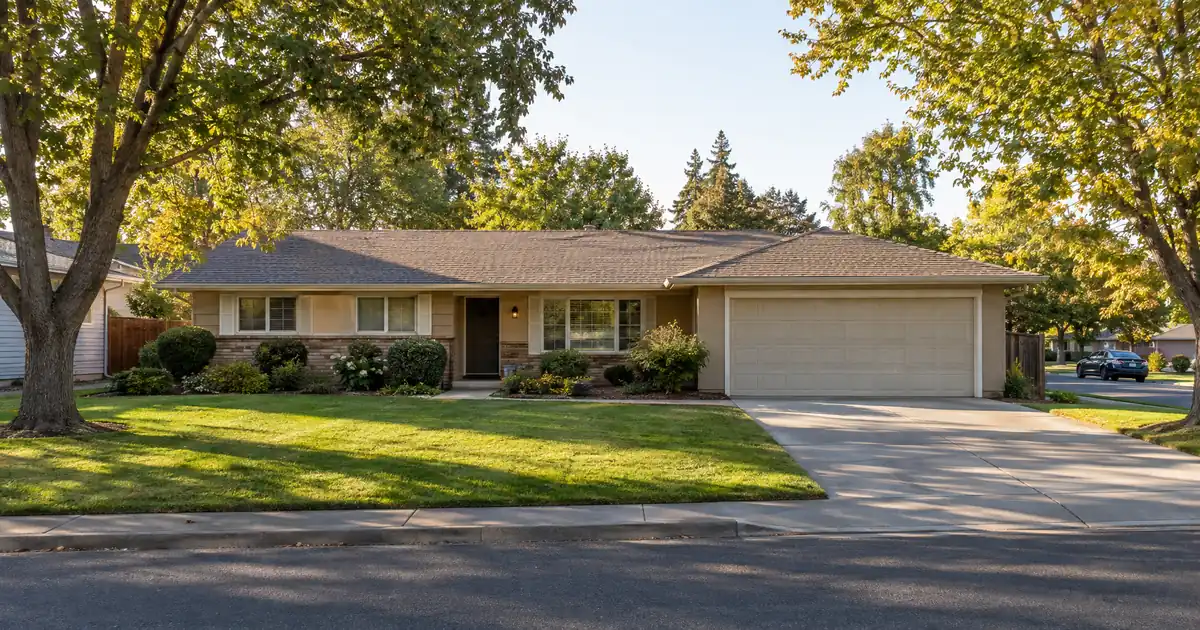
Refinance Rental Property LLC DSCR — The Quick Read: Yes, a rental already held in an LLC can usually be refinanced with the LLC as the borrower, and the deed stays where it is. The loan is reviewed primarily on property-level rental income covering the payment, subject to lender guidelines. A person still signs a personal guaranty behind the entity, and that person is underwritten on credit and reserves. Most refinance problems come from paperwork that doesn’t match, not from the LLC itself.
Key Takeaways
- Vesting means whose name sits on the deed, note and mortgage. In an entity refinance, that is the LLC.
- The LLC does not change the coverage test. Rent against the full housing payment still drives the file.
- The guarantor, not the LLC, carries the credit review.
- A refinance made directly to the LLC avoids moving title on a mortgaged property.
- Names must match across title, insurance, loan documents and the entity’s own filings.
What Does “Vesting” Mean on a DSCR Refinance?
Vesting is the name that holds title and signs the loan. On an entity refinance, the LLC is the titleholder, the borrower on the note, and the grantor on the mortgage or deed of trust. A natural person signs a separate guaranty.
DSCR Calculator
Run the numbers in your market
Rate source: Freddie Mac 30-yr average via FRED® — Federal Reserve Bank of St. Louis · effective Oct 1, 2026
Prefilled with local estimates — enter your own rent or nightly figures, taxes, insurance, and HOA for a more accurate picture.
Program parameters update from Lendmire’s centralized guideline source. Taxes and insurance are editable estimates.
As of Oct 1, 2026 · General Freddie Mac market benchmark, not a Lendmire loan offer. Rent, nightly rate, occupancy, taxes, and insurance are editable estimates. Short-term rental figures are estimates only and vary significantly by season, property type, management approach, and local short-term-rental rules — confirm local regulations before relying on them. Qualifying income for short-term rentals varies by program — some use appraisal market rent, others use documented STR history or projections — and is confirmed in underwriting. Not a Loan Estimate, approval, or commitment to lend. Program availability and eligibility are subject to lender guidelines, credit approval, property review, and underwriting.
Across the wholesale network, most programs accept either personal-name vesting or entity vesting. Some structures or states push toward entity vesting, and that varies by program. So an LLC is a choice for most files, not a requirement.
DSCR loans are designed for non-owner-occupied investment properties. Because they are business-purpose investor loans, they are reviewed differently from a standard owner-occupied mortgage. That is why an entity can be the borrower at all. The complete DSCR loans guide covers the full product; this article stays on the entity side.
How Does Underwriting Treat an LLC Borrower, Step by Step?
Underwriting splits the file in two: the property and the people behind it. The property is tested for rental coverage. The guarantor is tested for credit, reserves and identity. The LLC itself is checked for existence and authority.
1. Choose the vesting path. Either the property is already in the LLC and the new loan is made to it, or the owner refinances personally and deeds to the LLC afterward. When the property is already in the LLC, a direct entity refinance is the cleaner path.
2. Lender reviews the entity. Expect the Articles of Organization, the Operating Agreement, the EIN letter, a Certificate of Good Standing, and a borrowing authorization. An LLC formed in a different state from the property usually adds a foreign-qualification filing. These documents confirm the exact name, active status, ownership percentages and who can sign.
3. The property is tested. Rent is compared against the full monthly obligation: principal, interest, taxes, insurance and any HOA dues. An appraisal with a rent schedule supports market rent. Form 1007 is used for single-family and Form 1025 for 2-4 units.
4. The guarantor is underwritten. Credit, identity, reserves and experience are reviewed on the person signing the guaranty. A new LLC has no credit history of its own, so the file leans on the guarantor.
5. Closing documents are signed. The LLC signs the note and security instrument. The guarantor signs a separate guaranty. In a single-member LLC, one person signs twice, once for the entity and once individually.
6. Names are reconciled. The vesting name must match across the title commitment, hazard insurance, loan documents and closing instructions. A stray comma or a missing “LLC” suffix is a preventable gap.
A note on what the number means. Coverage compares rent to the housing payment only. Clearing the program’s coverage threshold is not the same as positive cash flow, because repairs, vacancy, management, utilities and capex sit outside the calculation.
What Do the Program Numbers Look Like for an Entity File?
The numbers are the same as for a personal-name file. The entity does not earn a different tier, and it does not change the leverage caps.
On most files across the network, here is how the ranges run:
| Factor | Typical range |
|---|---|
| Coverage | 1.00 is where select programs start |
| Cash-out LTV (standard rentals) | Up to 75% |
| Credit | 620 floor in parts of the network; most want around 660; 700+ opens stronger tiers |
| Reserves | About 6 months of PITIA; about 9 months above $1,500,000 |
| Loan size | Up to $3,000,000 on standard programs |
Coverage below 1.00 is available through select lenders in the network, with leverage and terms adjusted. Reserves vary by lender, leverage, loan size and transaction type. Cash-out files commonly expect about 6 months of seasoning. All of this is subject to lender guidelines, credit approval and property review, and none of it is a commitment to lend.
Property eligibility still applies inside an LLC. Manufactured homes (single- and double-wide), log homes and barndominiums are not offered in these DSCR programs, whatever name is on title.
Why Is Refinancing Directly Into the LLC Cleaner Than Deeding It In?
A direct entity refinance pays off the old loan at closing, so no transfer happens while that loan is still open. Deeding a mortgaged property into an LLC first can give the existing lender a right to call the note.
Federal law limits a lender’s ability to call a loan on transfer, but only for listed exceptions. 12 U.S.C. § 1701j-3 lists those exemptions, and they apply only to residential property with fewer than five dwelling units. A transfer into an LLC is not one of the listed exemptions. Many lenders don’t enforce this against a wholly owned LLC, but non-enforcement is practice, not protection.
Two consequences follow. If the property is still in your personal name with a loan on it, the refinance itself can be the vehicle that moves it into the entity, since the old lender is paid off. And the trust exemption in the statute is framed around a borrower’s home and occupancy. Don’t assume it covers a rental. That is attorney territory.
Where the General Rule Breaks
The standard path is simple. These edge cases are where files stall.
Multi-member LLCs. Members are generally expected to guarantee even though title sits in the entity. Depending on the operating agreement and lender policy, one or a few members may need to sign. Ownership-percentage thresholds vary by lender, so a 19% member and a 21% member can be treated differently across programs. Settle who signs before the file goes in.
Layered or umbrella LLCs. An LLC owned by another LLC adds an entity chart and extra ownership review. Expect more documents, and expect some programs to decline the structure.
Operating agreements that don’t authorize borrowing. If the agreement requires a member vote or limits pledging the property, that has to be fixed or resolved before closing. This is a common, preventable snag.
Out-of-state formation. An LLC formed in one state and holding property in another typically needs foreign qualification. A good-standing certificate that is stale-dated or from the wrong state is a routine reason a file gets sent back.
Non-recourse requests. A true non-recourse structure is rare on these loans. Plan on a personal guaranty.
Existing title policy after a transfer. First Integrity Title explains that a conveyance to an LLC wholly owned by the insured owner generally keeps the owner’s policy in force, while an LLC not wholly owned needs an additional-insured endorsement. A refinance normally brings a new lender’s title policy anyway, so this matters most when a transfer happens outside the refinance.
Consumer-purpose cash-out. If proceeds go to personal or household use, the business-purpose analysis can change. The CFPB’s Regulation Z § 1026.3 lays out the business-purpose and non-natural-person exemptions and the factors used to judge purpose. Cash-out files are where this comes up most. Keep the use of funds clearly tied to the investment business and talk to counsel if it isn’t.
What the LLC Protects, and What It Doesn’t
The LLC and the guaranty do different jobs, and mixing them up is the most common investor misunderstanding.
| LLC | Personal guaranty | |
|---|---|---|
| Property-level claims (tenants, visitors) | Intended to shield the owner | Not involved |
| Repayment of this loan | Entity is the borrower | Guarantor answers for it |
| Credit review | None of its own | Guarantor is underwritten |
So an LLC does not mean “no personal liability on the loan.” It means a separate wall around property-level claims. The loan itself still reaches the guarantor. Whether a refinance reports on the guarantor’s personal credit file depends on the lender.
DSCR vs. conventional financing
There are two common ways to finance an investment property in this market, and they qualify you differently — here’s how investors weigh them.
Why investors choose it
- Qualifies on the property’s rental income — no personal tax returns, W-2s, or pay stubs needed to document income.
- No personal debt-to-income ceiling to clear, so existing mortgages and obligations don’t cap your borrowing the same way.
- Can be closed in an LLC, keeping the property inside a business entity.
- Built for scaling — not held to the limit on number of financed properties that conventional financing applies.
- Underwriting centers on the deal: generally qualifies when the rent covers the payment, a 1.00x coverage ratio being a common baseline (confirmed in underwriting).
- Designed specifically for investment property, including long-term and, where the program allows, short-term rentals.
Where it’s strong
- Often the lowest ongoing financing cost for a buyer who fully qualifies on personal income — a fit for a first property or a cost-first purchase.
Trade-offs for investors
- Requires full personal income documentation and must fit within a debt-to-income limit — salary, existing debts, and other mortgages all count.
- Typically held in your personal name rather than a business entity.
- Caps how many financed properties you can carry, which can become a ceiling as a portfolio grows.
- Evaluates you as a borrower as much as the property, which usually means more paperwork.
How investors usually choose: a first or single property often optimizes for the lowest financing cost; portfolio builders often optimize for leverage, vesting in an LLC, and scaling past conventional caps. The right answer depends on your goals, the property, and current guidelines — both paths run through select lenders in Lendmire’s wholesale network, with eligibility and terms confirmed in underwriting.
Insurance and Title: Where Entity Refinances Quietly Fail
Insurance is the stealth issue. A personal homeowners policy kept in place after the property moves into an LLC can leave a claim exposed. The named insured should match the borrower, on a landlord or commercial-style policy.
Check these before the file goes in:
- LLC name on the insurance declarations, spelled exactly as on the filings.
- LLC name on the title commitment, in the same form.
- Mortgagee clause and loss payee wording matching the closing instructions.
- Policy edition and ownership questions on any existing owner’s title policy, since newer ALTA editions expressly extend “insured” to certain trusts and LLCs while older ones are silent, per Montgomery Purdue.
Clean paperwork doesn’t guarantee approval. It does leave the lender fewer preventable gaps to chase.
Decision Table: LLC Vesting or Personal Name?
This is a judgment call, and it genuinely depends on the investor.
| Consideration | LLC vesting | Personal-name vesting |
|---|---|---|
| Entity documents | Full set required | None |
| Guaranty | Separate guaranty signed | Not applicable |
| Title transfer risk | Avoided if already in LLC | Avoided if already personal |
| Liability planning | Property claims walled off | No entity layer |
| Fit | Portfolios, multi-member owners | Simple single-property holds |
Forum investors argue about whether entity vesting costs anything in pricing. Some say it shouldn’t, others expect a DSCR loan to price worse than an older conventional loan. Treat that as opinion. Pricing depends on the file, and the broker compares it across lenders.
Key Terms Defined
Vesting: The name in which title is held and the loan is made.
Guarantor: The person who personally promises to repay the loan if the borrower doesn’t.
Due-on-sale clause: A loan term letting the lender demand payoff if the property is transferred.
Good-standing certificate: A state document showing the entity is active and current.
Operating agreement: The LLC’s governing contract, which sets who can sign and borrow.
PITIA: Principal, interest, taxes, insurance and any association dues, the full monthly obligation used in the coverage test.
Practical Next Steps
Pull the entity documents first. Confirm the operating agreement lets the LLC borrow and pledge the property. Order a current good-standing certificate. Line up the insurance named insured with the LLC name. Decide which members will sign guaranties.
Then look at the property side: leases, rent evidence, and whether the coverage ratio supports the leverage you want. Tax treatment can depend on how the funds are used and how the property is held; investors should keep clear records and speak with a qualified tax professional before relying on any deduction. For the entity-choice question, see revocable trust vs LLC vesting. For a short-term rental held in an entity, see the short-term rental LLC cash-out refinance guidance. Short-term rental rules can vary by city, county, HOA, and property type, so investors should confirm local rules before relying on projected rental income.
If you are buying or refinancing a rental property and want to see how the numbers work, Lendmire can help you compare DSCR loan options through select lenders in its 41-market wholesale network, based on the property income, credit profile, leverage, and investor goals.
This article is general education, not legal or tax advice. Consult a qualified attorney or CPA about your own entity, title and tax situation.
Frequently Asked Questions
Can I refinance a rental I already own personally into an LLC?
Often yes. A refinance made to the LLC pays off the old loan, which sidesteps the question of transferring title under an open mortgage. Whether the LLC takes title first or at closing depends on the program and title company. Expect entity documents and a guaranty either way.
Do all lenders accept entity vesting?
No. Most programs in the network accept both personal and entity vesting, but trusts, corporations, partnerships and land trusts are accepted only by some. Layered entities are the most likely to be declined. Acceptance varies by program and structure.
Does the personal guaranty defeat the LLC’s liability protection?
No. The guaranty covers repayment of this loan. The LLC is meant to wall off property-level claims such as tenant or visitor suits. They do different jobs, and a lender’s recourse on the loan doesn’t extend to those claims.
Does everyone in a multi-member LLC have to guarantee?
Not always. Depending on the operating agreement and lender policy, one or a few members may sign.
Does an LLC change the coverage requirement or leverage?
No. The entity doesn’t change the coverage test, credit tiers or leverage caps. Cash-out on standard rentals tops out around 75% LTV, and 1.00 is where select programs start, all subject to lender guidelines.
About Lendmire
Lendmire is a DSCR-focused mortgage brokerage, NMLS# 2371349, placing investor loans across 41 markets, including Washington, D.C. DSCR eligibility is generally reviewed by the lender around a property’s rental income rather than personal income documentation, which fits LLC-held rentals, self-employed investors, and portfolios scaling past conventional financed-property limits. Scotsman Guide named Lendmire a Top Mortgage Workplace in both 2025 and 2026.
Get Started
Ready to find the right loan for you?
In about 30 seconds you can review financing options available for your home or investment property. No commitment required.
Informational only. Not a Loan Estimate, approval, or commitment to lend. Program availability and eligibility are subject to lender guidelines, credit approval, property review, and underwriting.
References
2. First Integrity Title, transfers after acquisition
4. Montgomery Purdue, title coverage on transfer
This article is part of Lendmire’s DSCR loan program — full qualification details, guidelines, and scenarios live on the program page.
Related reading: Luxury Rental DSCR Loans In New Jersey · Jersey Shore Vacation Rental Loans: DSCR Financing In Ocean City, Cape May And Long Beach Island · DSCR Cash-out Refinance In New Jersey: Pulling Equity From A Rental
Brandon Miller
Founder & CEO, Mortgage Loan Originator, Lendmire LLC
- Mortgage Loan Originator · NMLS# 1129696 · Verify on NMLS Consumer Access
- North Carolina Real Estate Broker · License# 343312 · Verify on NCREC
- North Carolina Insurance Producer · License# 19053198 · Property, Casualty, Life, Health · Verify on NAIC SBS
- Lendmire LLC · Firm NMLS# 2371349 · Verify firm licensure
Compliance and disclosures. Lendmire (NMLS# 2371349) is a licensed mortgage broker and is not a direct lender, depository institution, financial advisor, or tax professional. Content in this article is general market analysis and educational information — not financial, legal, or tax advice for any specific situation. Lendmire does not guarantee loan approval; every transaction is subject to underwriting by the funding lender. Mortgage pricing and loan program guidelines are subject to change at any time without notice and vary by borrower characteristics, property type, and state regulations. Lendmire complies with Equal Housing Opportunity. Licensure verification: NMLS Consumer Access.