
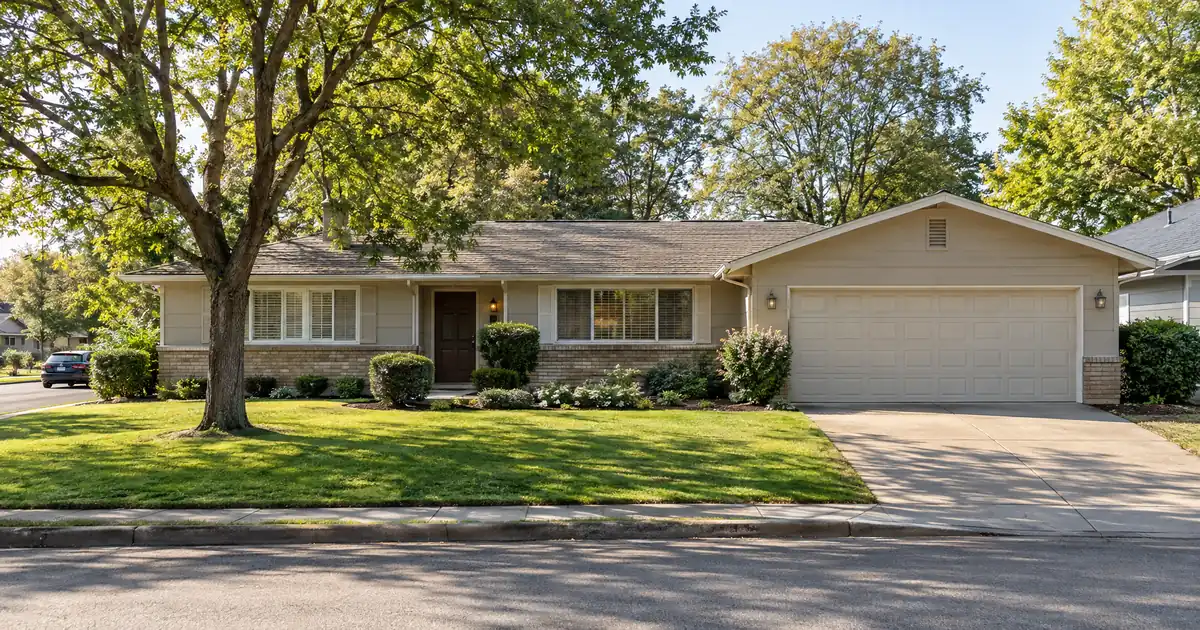
DSCR Refinance Loan Amount Limits — The Quick Read: The size of a DSCR refinance is capped by two separate tests, and the tighter one wins. Value sets the ceiling through leverage limits, and rent sets the ceiling through coverage. Across the wholesale network, standard programs run up to $3,000,000, cash-out tops out around 75% LTV, and reserves step up as the balance grows. All of it is subject to lender guidelines, and none of it is a commitment to lend.
Key Takeaways
- Loan size is not set by one rule. Each program sets its own floor, ceiling, and leverage cap.
- Cash-out refinances typically cap near 75% LTV. Rate-and-term refinances can run higher on strong files.
- The new, larger payment gets re-tested against rent. A cash-out loan can be cut below the LTV maximum if coverage falls short.
- Reserves commonly sit around 6 months of PITIA and step up to about 9 months above $1,500,000.
- Clearing a coverage ratio of 1.00 is not the same as positive cash flow.
What Sets the Loan Amount on a DSCR Refinance?
Two tests set it: equity and rent. The appraised value times the program’s maximum LTV gives the most the lender will put on the property. The rent divided by the full monthly obligation gives the coverage ratio. The final amount is whichever test allows less.
DSCR Calculator
Run the numbers in your market
Rate source: Freddie Mac 30-yr average via FRED® — Federal Reserve Bank of St. Louis · effective Oct 1, 2026
Prefilled with local estimates — enter your own rent or nightly figures, taxes, insurance, and HOA for a more accurate picture.
Program parameters update from Lendmire’s centralized guideline source. Taxes and insurance are editable estimates.
As of Oct 1, 2026 · General Freddie Mac market benchmark, not a Lendmire loan offer. Rent, nightly rate, occupancy, taxes, and insurance are editable estimates. Short-term rental figures are estimates only and vary significantly by season, property type, management approach, and local short-term-rental rules — confirm local regulations before relying on them. Qualifying income for short-term rentals varies by program — some use appraisal market rent, others use documented STR history or projections — and is confirmed in underwriting. Not a Loan Estimate, approval, or commitment to lend. Program availability and eligibility are subject to lender guidelines, credit approval, property review, and underwriting.
Nobody governs this. DSCR loans are non-QM investor products, so no regulator or trade body publishes a loan-size rule. Each program in the network writes its own. That is why a single “limit” number you see online is really one lender’s setting.
Most files we place start with the appraisal. Value drives the amount, and coverage, credit, and reserves decide whether the borrower qualifies at that amount. A forum asker may assume rent alone sizes the loan. It doesn’t.
Our complete DSCR loans guide covers the basics. This article stays on the refinance sizing question.
How Does Underwriting Treat the Loan Amount, Step by Step?
Underwriting runs in a fixed order. Each step can shrink the number.
1. Appraisal. The appraiser values the property and supports the rent side with a rent schedule or a lease. Small-income properties are typically valued on the 1025 form, and the 1007 form covers single-family rent schedules. Refinances generally need the property to be leased or to show rental history.
2. Maximum loan. Appraised value times the program’s maximum LTV. Cash-out is typically 75%. Say a property appraises at $400,000 and the program allows 75%. The ceiling is 75% of that value, before anything else is tested.
3. Payoff and cash. Subtract the existing payoff from the maximum loan to get gross cash-out. Closing costs come out of that to leave net cash.
4. Coverage re-test. The coverage ratio is rent divided by the new payment, which covers principal, interest, taxes, insurance, and any HOA dues. The DSCR formula is the same idea as the commercial version, though rental loans use rent over PITIA instead of net operating income. A bigger loan means a bigger payment, so coverage drops. When rent barely clears, the loan gets capped below the LTV maximum.
5. Floors, ceilings, reserves. Program size limits and reserve rules apply last. Reserves commonly run about 6 months of PITIA, and they step up to about 9 months above $1,500,000. Conservative rate-term files at modest leverage under $1,500,000 can see reserves waived. They vary by lender, leverage, loan size, and transaction type.
6. Fees and prepayment terms. These don’t change the loan amount, but they change what the borrower keeps.
Here’s the catch on step 4. Investors run the LTV math, see a big number, and never test coverage at the new payment. The file then comes back with a smaller approved amount.
Which Limit Is Tighter, Equity or Rent?
Whichever one produces the smaller loan. A high-value, low-rent property is held back by coverage. A high-rent, low-equity property is held back by LTV.
Picture an investor with a property that has appreciated a lot but rents modestly. The LTV test might allow a large cash-out. The coverage test, run at the larger payment, might not. The loan gets sized down until coverage holds.
Now flip it. Picture a property with strong rent but a recent purchase at a thin equity position. Coverage is fine. The LTV cap is what stops the loan.
A larger down payment on a purchase lowers the payment and can lift the coverage ratio. It never erases leverage caps, credit floors, reserve rules, or property eligibility. The strongest files clear both tests at once.
Where Does the Standard Lane Run?
Standard programs in the network run up to $3,000,000. Smaller balances route through select lenders, so don’t treat any one figure as a universal minimum. Above $2,500,000, the network generally holds to 30-year fixed structures.
| Variable | Typical network range |
|---|---|
| Standard loan size | Up to $3,000,000 |
| Cash-out LTV | Around 75% |
| Rate-and-term LTV | Higher on strong files, up to 85% |
| Credit | 620 floor in parts; most want about 660; 700+ for top tiers |
| Reserves | About 6 months PITIA; about 9 months above $1,500,000 |
| Coverage | 1.00 is where select programs start |
These are typical ranges from select wholesale-network guidelines. Programs change, and every file is underwritten individually.
Market surveys show the same pattern. RefiGuide notes that many lenders treat a refinance returning more than $2,000 to the borrower as cash-out, though the threshold is program-specific. In the network, the cash-out line works the same way: once cash leaves the deal, the lower cash-out ceiling applies.
On pricing, loan size matters too. Programs tend to price best on mid-sized balances. Very small and very large loans often carry tighter terms.
What Changes at the Big and Small Ends?
Larger loans bring more review and more reserves. Past $1,500,000, reserves step up to about 9 months of PITIA. Past $2,500,000, the network generally holds to 30-year fixed structures, so the interest-only and extended-term options that exist elsewhere narrow down.
That reserve step matters for net cash. Reserves have to be documented, and they sit outside the loan. An investor sizing a cash-out near the threshold should model it both ways. Staying just under $1,500,000 can leave more usable cash than pushing just over.
Small balances are the opposite problem. Select lenders in the network handle them, but terms can be tighter. Fixed costs eat a bigger share of a small loan, so the cash-out math often stops working before the program does.
Reserves documentation is where files stall. Statements need to show the funds, and they need to be liquid and in the borrower’s name or entity, subject to lender program eligibility.
How Do Property Type and Short-Term Rentals Change the Numbers?
They lower the leverage. Standard rentals cash out around 75%. Short-term rentals run lower: purchase to 75% LTV, refinance around 70%, and cash-out 70%. Every figure here varies by lender and program — guidelines, property type, leverage, and credit profile all apply.
Short-term rental files also want a 640+ score and about 12 months of hosting history. The coverage floor is 1.00 on purchases and 1.00 on refinances. Short-term rental rules can vary by city, county, HOA, and property type, so investors should confirm local rules before relying on projected rental income.
Some property types are not offered at all. Manufactured homes (single- and double-wide), log homes, and barndominiums fall outside these programs. No amount of equity changes that.
For loans in the larger range, see our breakdown of jumbo DSCR rental loan amounts.
When Does the General Rule Break?
Four edge cases come up most.
Fast BRRRR refinances. A recently bought property can be refinanced, but seasoning applies. About 6 months is the common expectation for cash-out in the network. Files that assume it away get kicked back. Third-party commentary describes a delayed-financing path for cash purchases, with cash-out limited to the lesser of purchase price plus costs or the LTV cap. Treat that as one reading, since each program sets its own seasoning.
DSCR vs. conventional financing
There are two common ways to finance an investment property in this market, and they qualify you differently — here’s how investors weigh them.
Why investors choose it
- Qualifies on the property’s rental income — no personal tax returns, W-2s, or pay stubs needed to document income.
- No personal debt-to-income ceiling to clear, so existing mortgages and obligations don’t cap your borrowing the same way.
- Can be closed in an LLC, keeping the property inside a business entity.
- Built for scaling — not held to the limit on number of financed properties that conventional financing applies.
- Underwriting centers on the deal: generally qualifies when the rent covers the payment, a 1.00x coverage ratio being a common baseline (confirmed in underwriting).
- Designed specifically for investment property, including long-term and, where the program allows, short-term rentals.
Where it’s strong
- Often the lowest ongoing financing cost for a buyer who fully qualifies on personal income — a fit for a first property or a cost-first purchase.
Trade-offs for investors
- Requires full personal income documentation and must fit within a debt-to-income limit — salary, existing debts, and other mortgages all count.
- Typically held in your personal name rather than a business entity.
- Caps how many financed properties you can carry, which can become a ceiling as a portfolio grows.
- Evaluates you as a borrower as much as the property, which usually means more paperwork.
How investors usually choose: a first or single property often optimizes for the lowest financing cost; portfolio builders often optimize for leverage, vesting in an LLC, and scaling past conventional caps. The right answer depends on your goals, the property, and current guidelines — both paths run through select lenders in Lendmire’s wholesale network, with eligibility and terms confirmed in underwriting.
Rate-and-term versus cash-out. Rate-and-term is usually easier on leverage because no new money leaves the deal. Ceilings can run higher on strong files. Cash-out is the conservative lane.
Coverage below 1.00. Programs below 1.00 coverage are available through select lenders in the network, with leverage and terms adjusted. Expect a smaller loan than a stronger-coverage file would get.
No-ratio structures. These are available only through select lenders, generally for borrowers who already own a primary residence. Don’t plan a deal around them without a lender confirming the fit.
Also worth knowing: a cash-out refinance replaces the whole first mortgage. A DSCR HELOC leaves the existing first mortgage alone, as RefiGuide also points out. Investment-property HELOC lines cap at $500,000 total, with no tier above that. For an investor sitting on a first mortgage they don’t want to disturb, that cap is the whole answer.
What Does the Decision Look Like in Practice?
Compare the cash you’d pull against what it costs to pull it.
Run the numbers on a property with strong equity. The LTV math says a large cash-out is available. Then subtract closing costs, any prepayment penalty on the existing loan, and the reserves the file requires. What’s left is the real proceeds. A forum reply describes prepayment penalties and fees as meaningful, though those figures are anecdotal and programs differ.
Then check the new coverage. A cash-out loan raises the payment. If the ratio lands near the floor, there’s no cushion. And the ratio only compares rent to PITIA. Repairs, vacancy, management, utilities, and capex sit outside it. Clearing 1.00 is not “positive cash flow.”
The honest read is this. If equity is large and coverage is comfortable, cash-out near the cap works. If coverage is thin, a smaller cash-out or a rate-and-term refinance is often the better call. This one is a genuine judgment call on files where both tests are close. Modeling two loan amounts costs nothing.
Credit shapes the outcome too. A 620 floor exists in parts of the network, most programs want about 660, and 700+ unlocks the strongest leverage tiers. Tax treatment can depend on how the funds are used and how the property is held; investors should keep clear records and speak with a qualified tax professional before relying on any deduction.
A related question investors ask is whether the property’s location affects eligibility. See whether lenders check where you live on an investment property refinance.
Key Terms Defined
LTV (loan-to-value): The loan balance divided by the appraised property value.
DSCR (debt service coverage ratio): Monthly rent divided by the full monthly obligation of principal, interest, taxes, insurance, and any HOA dues.
PITIA: Principal, interest, taxes, insurance, and association dues, the full monthly payment used in the coverage test.
Rate-and-term refinance: A refinance that changes the loan’s rate or term without returning meaningful cash to the borrower.
Cash-out refinance: A refinance that replaces the existing loan with a larger one and returns the difference to the borrower.
Seasoning: The minimum time a borrower must have owned the property before a cash-out refinance is available.
Frequently Asked Questions
Is there a maximum DSCR refinance amount?
Exact ceilings vary by property type, leverage, credit, and lender.
Why was my cash-out smaller than the LTV math suggested?
Usually coverage. The larger loan raises the payment, and if rent doesn’t cover it at the program’s floor, the amount gets cut back. Reserves and closing costs also reduce what you keep.
Does a higher credit score raise the loan amount?
It can raise leverage, which raises the amount. A 620 floor exists in parts of the network and most programs want about 660. The strongest leverage tiers typically need 700+. A score alone never overrides property eligibility or reserves.
Can I refinance right after buying?
About 6 months of seasoning is the common expectation for cash-out. Programs differ, and a settlement statement documents the purchase date and basis.
Does a bigger down payment help a refinance?
It helps on purchases by lowering the payment and lifting coverage. On a refinance, equity plays the same role. Neither erases leverage caps or reserve rules.
If you are buying or refinancing a rental property and want to see how the numbers work, Lendmire can help you compare DSCR loan options based on the property income, credit profile, leverage, and investor goals.
About Lendmire
Lendmire, NMLS# 2371349, is a non-QM mortgage broker serving real estate investors in 41 markets, including Washington, D.C., through DSCR investor loan programs. Qualification is generally reviewed around the subject property’s rental income, not the borrower’s W-2 history — a practical fit for LLC-titled portfolios and self-employed investors. All scenarios remain subject to lender review and program guidelines. Two consecutive Scotsman Guide Top Mortgage Workplace recognitions (2025, 2026).
Lendmire’s Top Mortgage Workplace recognition is documented by Scotsman Guide 2025 Top Mortgage Workplace and Scotsman Guide 2026 Top Mortgage Workplace.
Get Started
Ready to find the right loan for you?
In about 30 seconds you can review financing options available for your home or investment property. No commitment required.
Informational only. Not a Loan Estimate, approval, or commitment to lend. Program availability and eligibility are subject to lender guidelines, credit approval, property review, and underwriting.
References
1. Wikipedia – Debt service coverage ratio
2. RefiGuide – Can You Refinance a DSCR Loan?
This article is part of Lendmire’s DSCR loan program — full qualification details, guidelines, and scenarios live on the program page.
Related reading: Luxury Rental DSCR Loans In New Jersey · Jersey Shore Vacation Rental Loans: DSCR Financing In Ocean City, Cape May And Long Beach Island · DSCR Cash-out Refinance In New Jersey: Pulling Equity From A Rental
Brandon Miller
Founder & CEO, Mortgage Loan Originator, Lendmire LLC
- Mortgage Loan Originator · NMLS# 1129696 · Verify on NMLS Consumer Access
- North Carolina Real Estate Broker · License# 343312 · Verify on NCREC
- North Carolina Insurance Producer · License# 19053198 · Property, Casualty, Life, Health · Verify on NAIC SBS
- Lendmire LLC · Firm NMLS# 2371349 · Verify firm licensure
Important disclosures. Lendmire (NMLS# 2371349) is a licensed mortgage brokerage. Lendmire is not a direct lender, depository institution, or financial advisor. All loan inquiries are subject to lender underwriting; this article does not constitute a commitment to lend. Rates, terms, and program guidelines are subject to change without notice and vary by borrower profile, property type, and state. Information in this article is general in nature and is not financial, legal, or tax advice. Equal Housing Opportunity. NMLS Consumer Access: nmlsconsumeraccess.org.