
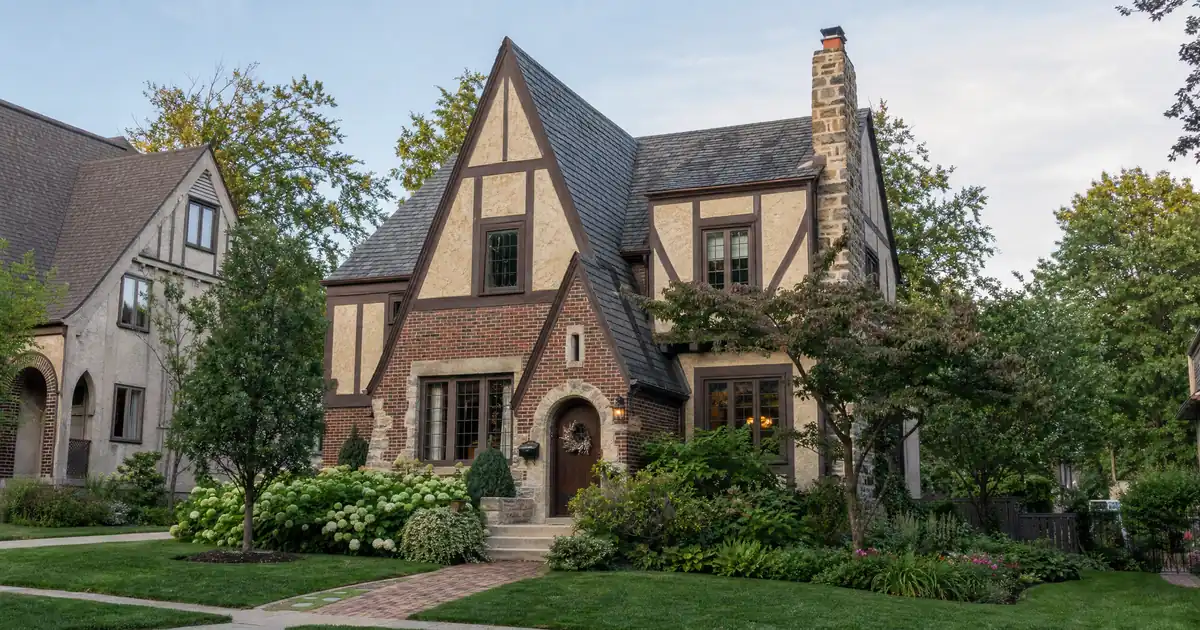
The Quick Read: A vacation rental can get classified two different ways. These two labels are not interchangeable. Second home financing assumes you use the property yourself part of the year. You also keep control of the calendar. Investment property financing — including DSCR loans — assumes the opposite. You never live there. Rental income does all the qualifying work. Which one fits depends on how the property will actually be used. It does not depend on how you’d prefer it to be priced.
Key Terms Defined
DSCR (debt-service coverage ratio): a number that compares a property’s rental income to its full monthly housing payment. You get it by dividing rent by principal, interest, taxes, insurance, and any HOA dues.
Short-Term Rental Calculator
Run the STR numbers in your market
Rate is an editable market assumption — the live benchmark loads when available.
Prefilled with starting assumptions — enter your nightly rate, occupancy, taxes, and insurance for a more accurate picture.
Short-term rental income is documented with a 12-month history or a market data report. Program parameters update from Lendmire’s centralized guideline source.
Fallback assumption · General Freddie Mac market benchmark, not a Lendmire loan offer. Nightly rate, occupancy, taxes, and insurance are editable estimates. Qualifying income for short-term rentals varies by program — some use appraisal market rent, others use documented STR history or projections — and is confirmed in underwriting. Not a Loan Estimate, approval, or commitment to lend. Program availability and eligibility are subject to lender guidelines, credit approval, property review, and underwriting.
Second home: in conventional mortgage terms, a one-unit property you occupy personally for part of the year. You also keep exclusive control over it.
Investment property: a property you own but don’t live in. Lenders finance it based on its ability to earn rental income.
Business-purpose loan: a loan made for a rental or investment purpose, not personal use. DSCR loans fall into this category. That’s why they skip traditional personal-income paperwork.
LTV (loan-to-value): the percentage of a property’s purchase price or appraised value a lender will finance. The rest comes from your down payment or equity.
Seasoning: the waiting period a lender wants between two events. Most often, it’s the time between buying a property and refinancing it.
Side-by-Side: Second Home vs. DSCR Investment Property Financing
The two paths split on one question: will you ever live there? Second home financing assumes partial personal use — you use the property part of the year. DSCR investment financing assumes zero personal use. Full stop. Everything else follows from that one difference: the paperwork, how you hold title, and how rental income gets treated.
| Factor | Second Home Financing | DSCR Investment Property |
|---|---|---|
| Occupancy | Owner occupies part of the year | Zero owner occupancy allowed |
| Reviewed on | Borrower’s income and credit | Property’s rental income (DSCR ratio) |
| Documentation | Personal income and tax docs | Lease, market rent, or rental platform history |
| Entity vesting | Individual borrower’s name | LLC or entity, subject to program eligibility |
| Rental income use | Can’t count toward qualifying | Rental income is the review basis |
| Underwriting path | Standard owner-occupied process | Business-purpose transaction, reviewed file by file |
A DSCR loan qualifies mainly on whether the property’s rental income covers the payment, subject to lender guidelines. That’s the whole pitch. It’s also the whole limit. You can never occupy the property personally, not even a little.
When a Second Home Classification Is the Better Fit
Second home classification fits you if you genuinely use the property. Maybe a few weeks a year, holidays, or family visits. You rent it out sometimes just to help cover costs. If your personal use is real and you keep control of the calendar, this path is usually simpler.
Conventional guidelines for a second home have three requirements. The property must work for year-round living. You must occupy it part of the year. And you must keep exclusive control over it. It can’t sit in a rental pool. You also can’t hand a management company booking authority over it. Occasional rental income is fine. But you can’t use that income to qualify for the loan. And once a full-time property manager runs the calendar, you can lose second-home eligibility — even if you still visit often. The lender cares about the calendar, not the deed.
This path also keeps title in your own name. Most second-home programs expect personal-name vesting, not an LLC. If you’re weighing liability separation for a growing rental business, that’s a real trade-off.
Picture someone buying a lake house. They use it three weeks each summer. The rest of the year, they list it on Airbnb — but no management company runs the bookings. That’s the classic second-home case. Not a rental business. Just a home that earns a little extra income.
When DSCR Investment Property Classification Is the Better Fit
DSCR classification fits you if you won’t occupy the property at all. Your plan is pure rental income — a long-term tenant or nightly guests. The lender reviews the loan based on what the property earns. Your paycheck and personal-income paperwork don’t matter here.
Lendmire (NMLS# 2371349) arranges DSCR financing across a wholesale network in 41 markets, including Washington, D.C. On the strongest files, short-term rental purchases commonly run to about 75% LTV. Cash-out or rate-term refinances typically cap closer to 70% LTV. Most programs want roughly a 700 credit score. They also want about 12 months of hosting or landlord history. That history lets a lender use your actual rental income instead of a projected number.
On purchases, a coverage ratio of 1.00 is where a number of select programs set the floor. That means rent matches the full monthly payment. Refinances commonly carry the same 1.00 floor. Stronger coverage usually opens up better leverage. Files below 1.00 aren’t automatically off the table, either. Select lenders in the network will still look at them. They usually adjust leverage and terms to offset the thinner cushion. Loan sizes on these programs commonly run up to $3,000,000. Reserve expectations often land around six months of PITIA. That number shifts with leverage, loan size, and the type of transaction.
Not everything qualifies, though. Manufactured homes, log homes, and barndominiums fall outside these DSCR programs. That’s true no matter how strong the rental income looks.
This path also allows LLC vesting on most files, subject to program eligibility. That’s a big reason investors building a portfolio choose it — even when they’d personally enjoy the property once in a while. The complete DSCR loans guide covers how the property-income qualification actually works, file by file.
Run the numbers on an investor who bought a beach condo purely to run as a nightly rental. They never plan to stay there. They want the deed in an LLC for liability protection. That’s squarely DSCR territory. Not a close call.
The Two Tests: Why the IRS and Your Lender Don’t Use the Same Clock
Two separate tests exist. They answer two different questions. The IRS’s test decides whether your rental income is taxable. The lender’s occupancy test decides which loan product fits you. A property can pass one test and fail the other. Not the same clock. Not even close.
Under IRS guidance, a property rented 14 days or fewer in a year earns tax-free rental income. You don’t have to report it. But once your personal use goes over 14 days — or over 10% of the days it’s rented at fair value, whichever is greater — the IRS treats the property as a residence. That triggers personal-use limits on expense deductions. This is a tax-code question, full stop.
The lender’s side runs on something different. DSCR loans are built for non-owner-occupied investment properties. Because they’re business-purpose investor loans, lenders review them differently than a standard owner-occupied mortgage. The classification hinges on one thing: does the owner, an LLC member, or a family member occupy the property at all? It doesn’t depend on a specific rental-day count. A property can clear the IRS’s 14-day threshold for tax-free income and still fail second-home financing — if a management company runs the booking calendar. Or it can sit at zero personal occupancy and qualify for DSCR financing, no matter how the IRS treats the income.
Tax treatment can depend on how you use the funds and how you hold the property. Keep clear records. Talk to a qualified tax professional before relying on any deduction.
When Usage Drifts: The Property That Changes Classification Mid-Ownership
A property bought as a genuine second home can quietly become an investment property in a lender’s eyes. The reverse can happen too. Personal use shrinks. Rental-management involvement grows. When that shift happens, the original loan classification no longer matches reality.
Misrepresenting occupancy on your application carries consequences beyond a pricing penalty. Enforcement cases have centered on exactly this kind of misstatement. Lenders increasingly cross-check occupancy claims against listing sites and property records, even well after closing. Say a vacation home bought as a second home starts running full-time through a rental-management platform. Once that usage has genuinely changed, refinancing into a business-purpose DSCR loan is generally the cleaner move. That beats leaving an outdated occupancy claim on file. A guide to refinancing a second home into an investment property covers what that transition looks like in practice. If your plan involves pulling cash out along the way, it is also worth weighing a HELOC against a home equity loan on an investment property.
The Verdict
If your personal use is real and you keep control of the calendar, second home classification is simpler to finance. If your plan is pure income — no occupancy, ever — DSCR investment property financing is built for exactly that. It qualifies on what the property earns, not on your personal income. The two labels sit on opposite sides of one question. Getting it wrong doesn’t just change your pricing. It can create eligibility problems. In the worst cases, it can create occupancy-fraud exposure that surfaces years after closing.
This choice is rarely a close call once you honestly assess occupancy. Owners who genuinely split time close to 50/50 — half personal use, half full management-run rental — do occasionally need to run the numbers both ways before deciding which loan structure fits.
None of this guarantees loan approval. Nothing here is a commitment to lend. Every scenario is subject to lender approval and to borrower, property, and program guidelines, which can change. This article is general information — not financial, legal, or tax advice.
If you’re buying or refinancing a rental property and weighing these two paths against real numbers, Lendmire can help. Lendmire compares DSCR loan options based on the property’s income, credit profile, leverage, and your goals. Investors can request a quote or call 828-256-2183 to see how a DSCR structure would price out against what a second-home loan would require.
For more background on the mechanics discussed here, see IRS Publication 527 (2025), Residential Rental Property.
Frequently Asked Questions
Can I rent my second home on Airbnb without losing the second-home classification?
Occasional rental activity usually won’t disqualify a genuine second home. But you can’t enroll the property in a rental agreement that hands booking control to a management company. The line isn’t how many nights get rented. It’s who controls the calendar and whether you still occupy the property.
Does the IRS’s 14-day rule mean my loan is automatically classified as a second home?
No. The IRS’s 14-day threshold decides whether your rental income is tax-free. It has no bearing on how a lender classifies your loan. A property can clear the IRS test and still fail a lender’s occupancy requirements — or the reverse can happen.
Can rental income from a second home help me qualify for the mortgage?
Generally, no. Second-home programs typically want the loan to qualify on your own income and credit. They note rental income, but they don’t count it. DSCR loans flip that around. The property’s rental income becomes the entire review basis, subject to lender guidelines.
What if I use a property management company for my vacation rental?
Handing a management company scheduling authority over a second-home property is one of the more common ways owners lose that classification. That’s true even if you still visit occasionally. A property under full management-company control is a stronger candidate for DSCR investment financing instead.
What happens if my vacation rental’s usage shifts from mostly personal to mostly rental over time?
The original loan classification can stop matching how you actually use the property. That creates both lender and tax exposure. Once the shift is real, refinancing into a business-purpose DSCR loan is generally the cleaner move.
Investors focused on short-term rentals can review DSCR loans for Airbnb and short-term rentals.
Program availability, loan terms, and eligibility are subject to lender guidelines, credit approval, property review, and full underwriting. This article is educational. It is not a loan offer or a commitment to lend.
About Lendmire
Lendmire (NMLS# 2371349) is a non-QM DSCR mortgage broker. It arranges investment-property financing through a wholesale lender network spanning 41 markets, including Washington, D.C. Lendmire does not fund loans directly. Every scenario is reviewed file by file. Each one is subject to the underwriting guidelines of the lenders in its network, plus borrower and property eligibility and program availability — all of which can change. Nothing here is a commitment to lend or a guarantee of approval. Scotsman Guide named Lendmire a Top Mortgage Workplace in both 2025 and 2026.
Get Started
Ready to find the right loan for you?
In about 30 seconds you can review financing options available for your investment property. No commitment required.
Informational only. Not a Loan Estimate, approval, or commitment to lend. Program availability and eligibility are subject to lender guidelines, credit approval, property review, and underwriting.
References
1. IRS Topic No. 415, Renting Residential and Vacation Property
2. IRS Publication 527 (2025), Residential Rental Property
This article is part of Lendmire’s short-term rental loan program — full qualification details, guidelines, and scenarios live on the program page.
Related reading: Airbnb Vs Mid Term Rental Financing · DSCR Loan Vs Second Home Loan For A Vacation Property · How Occupancy Classification Changes When A Vacation Home Starts Earning?
Brandon Miller
Founder & CEO, Mortgage Loan Originator, Lendmire LLC
- Mortgage Loan Originator · NMLS# 1129696 · Verify on NMLS Consumer Access
- North Carolina Real Estate Broker · License# 343312 · Verify on NCREC
- North Carolina Insurance Producer · License# 19053198 · Property, Casualty, Life, Health · Verify on NAIC SBS
- Lendmire LLC · Firm NMLS# 2371349 · Verify firm licensure
Important disclosures. Lendmire (NMLS# 2371349) is a licensed mortgage brokerage. Lendmire is not a direct lender, depository institution, or financial advisor. All loan inquiries are subject to lender underwriting; this article does not constitute a commitment to lend. Rates, terms, and program guidelines are subject to change without notice and vary by borrower profile, property type, and state. Information in this article is general in nature and is not financial, legal, or tax advice. Equal Housing Opportunity. NMLS Consumer Access: nmlsconsumeraccess.org.