
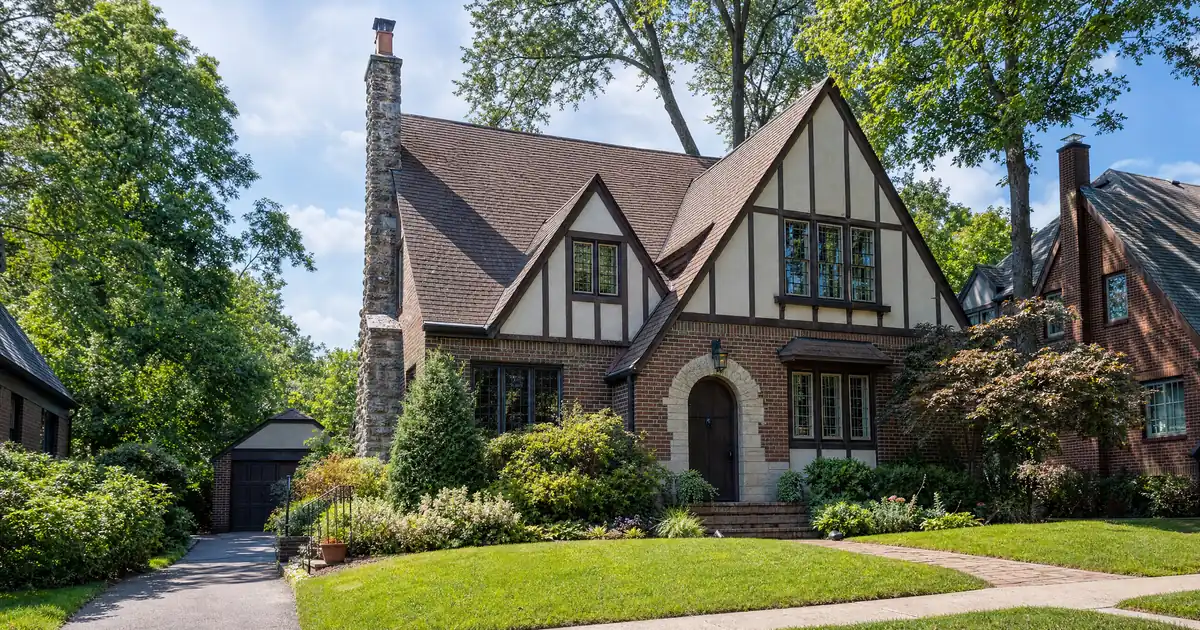
The Quick Read: A standard homeowners or landlord policy almost never covers a property once it starts collecting nightly guest payments. Why? Both types of policies are written for long-term occupancy, not commercial hosting. Before a DSCR lender will fund a short-term rental loan, the file needs proof of a policy built for STR use. That means dwelling coverage, guest liability, and protection for lost rental income if the property goes dark after a claim. Coverage isn’t just paperwork. It sits inside the debt-coverage math itself. A thin or mismatched policy can drag a marginal file below the ratio a lender needs. This piece walks through how that insurance gets underwritten, where investors get tripped up, and what to have ready before submitting a file.
Key Terms Defined
- DSCR (debt-service coverage ratio): the number a lender gets by dividing a property’s monthly rental income by its full monthly housing payment.
- PITIA: shorthand for that full monthly obligation — principal, interest, taxes, insurance, and association dues where they apply.
- LTV (loan-to-value): the loan amount expressed as a percentage of the property’s value; a 75% LTV purchase means the rest comes in as a down payment.
- Coverage A / dwelling coverage: the part of a property policy that pays to rebuild the structure itself after a covered loss.
- Coinsurance: an insurance-industry rule tying your payout to how close your coverage limit sits to full replacement cost — carry too little, and even a partial claim gets discounted.
- Special Flood Hazard Area (SFHA): a FEMA-mapped zone with high flood risk where a federally backed mortgage requires flood insurance as a loan condition.
- Mortgagee clause: the language in a policy naming the lender — usually with an ISAOA tag for its successors and assigns — so loan proceeds get protected if there’s a loss.
Why a Regular Homeowners or Landlord Policy Falls Apart
Short-term hosting looks like commercial activity to an insurer. That’s the whole problem. The Insurance Information Institute — the insurance industry’s own research arm — says it plainly. Standard homeowners insurance typically does not cover losses tied to commercial activity. Short-term rental use falls into that bucket. That’s true whether the property is a single unit or part of a larger building.
Short-Term Rental Calculator
Run the STR numbers in your market
Rate is an editable market assumption — the live benchmark loads when available.
Prefilled with starting assumptions — enter your nightly rate, occupancy, taxes, and insurance for a more accurate picture.
Short-term rental income is documented with a 12-month history or a market data report. Program parameters update from Lendmire’s centralized guideline source.
Fallback assumption · General Freddie Mac market benchmark, not a Lendmire loan offer. Nightly rate, occupancy, taxes, and insurance are editable estimates. Qualifying income for short-term rentals varies by program — some use appraisal market rent, others use documented STR history or projections — and is confirmed in underwriting. Not a Loan Estimate, approval, or commitment to lend. Program availability and eligibility are subject to lender guidelines, credit approval, property review, and underwriting.
A landlord policy doesn’t fix this either. Most landlord coverage is written on a DP-3 dwelling form. That form assumes a tenant signs a lease for months at a time — not a stream of paying guests booking a weekend. Once money changes hands for a short stay, the DP-3 policy starts failing on exactly the claims an STR owner is most likely to file: guest injury, guest-caused damage, theft from a rented unit.
Skip notifying the carrier and the consequences show up fast. Insurers can deny rental-related claims outright. They can cut liability limits, add exclusions for specific perils, raise the deductible, or refuse to renew the policy once they learn the actual use. None of this shows up until there’s already a claim on the table. That’s the worst possible time to find out the policy doesn’t apply.
What Kind of Policy Actually Covers a Short-Term Rental?
Three structures show up across the STR insurance market. Which one fits depends on how the property is used and owned.
| Policy Type | Built For | Covers Guest Stays? |
|---|---|---|
| Homeowners + STR endorsement | Occasional hosting, owner-occupied or seasonal | Only if endorsement is added and use matches limits |
| Landlord (DP-3) | Long-term tenants on a lease | Generally no — fails once guests pay by the night |
| Dedicated STR / commercial policy | Full-time, non-owner-occupied nightly rentals | Yes — built specifically for this use |
An occasional host renting out a spare room a few weekends a year might get by with an endorsement layered on a homeowners policy. An investor buying a dedicated non-owner-occupied rental to run full-time on Airbnb or Vrbo needs the standalone or commercial version instead. The endorsement route usually isn’t broad enough. DSCR lenders generally want to see the dedicated policy on an investment-only file.
How the Lender Actually Checks the Policy
Insurance is a closing condition on a DSCR file, not a box checked after the fact. Before select lenders in the network will fund a short-term rental loan, the file needs a quote or binder showing the coverage actually matches the property’s use. Here’s the order underwriting typically works through:
1. Confirm the policy type matches actual use. A DP-3 or a bare homeowners policy with no STR endorsement gets kicked back. The underwriter wants a policy built for nightly guest stays.
2. Check dwelling coverage against loan amount. Coverage A generally can’t sit below the loan balance, and most lenders want it tracking full replacement cost. Insurers apply a coinsurance rule here. If the limit on the home sits at 80% or more of replacement cost, claims settle at full replacement value. Fall short of that threshold, and claims get paid at depreciated actual cash value instead (IRMI).
3. Verify liability limits. STR files carry more exposure than a standard rental because strangers are physically present every few days. Files with a pool, a hot tub, or stairs without railings typically need liability pushed higher.
4. Confirm loss-of-rents or business-income coverage. This piece ties directly to the DSCR number. If the property burns and can’t be rented for months, this coverage keeps income flowing while it’s rebuilt.
5. Match the mortgagee clause and the vesting entity. The lender gets named on the policy, typically with an ISAOA designation, so the protection survives if the loan gets sold on the secondary market. When the property sits in an LLC, the policy needs to carry the LLC’s name as insured with the lender listed as mortgagee, subject to lender program eligibility on entity-held files.
6. Check flood zone status. If the property sits in a FEMA-mapped Special Flood Hazard Area, flood coverage gets layered on separately from the hazard and liability policy.
7. For condos, pull both the master policy and the unit owner’s HO6. The underwriter needs both documents to confirm there’s no coverage gap between what the association covers and what the owner’s own policy picks up.
Across the network, files that show up with a generic homeowners policy and no STR endorsement are the single most common reason a short-term rental loan stalls at conditions. Getting the right policy quoted before submission — not after — saves a round trip.
Where Insurance Ties Into the STR Loan’s Numbers
Insurance isn’t a side cost on a short-term rental file. It’s baked directly into the ratio a lender checks. DSCR compares the property’s rental income against its full monthly obligation, PITIA, and insurance is one of the five letters in that acronym (insurance premiums here move more than almost anything else on the file). A materially higher premium after adding an STR endorsement raises the denominator. On a file already sitting close to the line, that alone can push coverage down toward a level that no longer clears a lender’s floor.
Most standard DSCR programs for short-term rentals are built around a 1.00x benchmark on purchase and refinance files. At that level, the property’s income covers its full payment — though the purchase-side floor and the refinance-side floor get tracked separately, not blended into one number. Programs across the network for short-term rentals typically run purchase leverage up to 75% loan-to-value, with cash-out and rate-term refinances capping closer to 70%. Most lenders also want around 640 or better on credit and roughly 12 months of hosting or landlord history before extending purchase leverage at the top of that range.
Loan sizes on standard programs run up to about $3,000,000. Reserve requirements generally land around six months of PITIA, sometimes climbing toward nine months on larger balances — though conservative, lower-leverage refinance files under a certain size occasionally see reserves waived.
Files that come in below that 1.00x benchmark on trailing income aren’t automatically dead. Coverage below 1.00 is available through select lenders in the network, though leverage and terms adjust to compensate. Expect a lower LTV and different pricing than a file that clears the floor cleanly. A bigger down payment lowers the payment and can help lift the ratio, but it never substitutes for a missing insurance document, an insufficient dwelling limit, or a credit score below a program’s floor. The strongest files clear both tests at once: enough equity in the deal, and rental income — net of an accurately priced insurance premium — that actually covers the payment. The stronger play on a marginal file might be re-quoting the insurance before touching leverage at all. A mispriced premium is often the cheaper fix.
One property type note worth flagging here: manufactured homes (single- and double-wide), log homes, and barndominiums are not offered under these DSCR programs at all. That’s true no matter how strong the insurance or the rental income looks. It’s a property-eligibility rule, not an insurance problem.
Lendmire (NMLS# 2371349) arranges short-term rental DSCR financing through select lenders across a 41-market footprint spanning 40 states and Washington, D.C. It structures files so the insurance quote, rental income, and leverage request line up before submission.
Where Does the General Rule Break?
Condo and multi-unit STRs can drag the whole building into it. One owner running a short-term rental inside a condo or HOA can affect the shared master policy for every other unit owner. Premiums can rise or terms can shift for residents who aren’t hosting anything (Insurance Information Institute). One owner’s activity, everyone’s problem. Whether the HOA carries a bare-walls master policy or a broader all-in version changes how much personal HO6 coverage the unit owner needs. Under a bare-walls policy, the owner’s own limit has to be high enough to rebuild the entire interior from scratch.
Platform host-protection programs are not a substitute for a real policy. Airbnb’s AirCover and similar programs from other platforms cover certain guest-caused damage and liability claims. But they carve out plenty — lost rental income and ordinary wear and tear typically aren’t included. Not a substitute. A lender’s insurance condition is never satisfied by a platform’s built-in protection alone. The file still needs an actual policy naming the lender.
Some states legally require notifying the carrier. Massachusetts is a documented example: state law requires short-term rental operators to notify their home insurer of the intended use, and the insurer can have the right to cancel coverage if that notice never happens (Mass.gov). Investors running properties across multiple states should check whether a similar statutory notice duty applies locally before assuming silence is safe.
Flood insurance and lost income don’t automatically travel together. A federally backed mortgage on a property in a mapped Special Flood Hazard Area requires flood insurance as a loan condition (FEMA). DSCR loans are non-agency products. But because lenders protect collateral the same way, they typically hold STR properties in flood zones to the same practical requirement. Here’s the catch: standard NFIP flood policies exclude loss of rental income entirely. An investor can satisfy the lender’s flood condition and still have zero income protection. If the property floods and sits vacant during repairs, that gap has to be filled with a private endorsement.
A lapse in coverage gets expensive fast. If proof of continuous insurance isn’t maintained, the lender can force-place a policy of its own choosing. That coverage typically runs well above market cost, with the expense added straight into escrow. Expensive, and entirely avoidable. The usual trigger is something mechanical — a missing or incorrect mortgagee clause, a lapsed renewal, a carrier non-renewal that never gets caught.
Rent figures for insurance and rent figures for DSCR come from different documents. The standard 1007 rent schedule appraisers use to support DSCR income wasn’t built to estimate short-term nightly income. It’s a separate number from what an insurer uses to set dwelling replacement value. Confusing the two — assuming the appraiser’s rent conclusion tells you anything about insurable value — is a common and avoidable mistake. Lendmire’s guide to appraisal requirements for short-term rental properties walks through how that income actually gets documented.
What This Looks Like When You’re Actually Shopping a File
Get the insurance quote before submitting the loan file, not after. That single habit prevents the most common conditions delay on a short-term rental DSCR loan: a policy that doesn’t match the intended use, discovered mid-underwriting instead of before submission.
Practically, that means:
- Quote the property as an active short-term rental, not as a standard homeowners risk — carriers price these differently, and the cheap owner-occupant quote won’t survive underwriting.
- Confirm dwelling coverage sits at or above the anticipated loan amount and reasonably near replacement cost, not just market value.
- Ask specifically about loss-of-rents or business-income coverage and get the duration in writing rather than assuming a number.
- If the property sits in a flood zone, price the flood policy separately and ask whether a rental-income endorsement is available — the base NFIP policy won’t cover it.
- For condos, request the HOA’s master policy declarations alongside your own HO6 quote so a lender’s underwriter can compare the two documents.
- If the property is titled in an LLC, make sure the quote reflects the entity as the named insured before the file goes to underwriting.
Across DSCR deal flow generally, the files that clear conditions cleanest are the ones where insurance, rental income comps, and the leverage request get priced together from the start. Stitching them together separately and reconciling at the last minute is where delays creep in. That’s also where the specifics of a short-term rental financed with a DSCR loan meet what a carrier will actually underwrite.
Tax treatment can depend on how the funds are used and how the property is held; investors should keep clear records and speak with a qualified tax professional before relying on any deduction.
If you’re weighing a short-term rental against a standard long-term lease on the same property, the underlying cash-flow math — and how insurance premiums factor into each — plays out differently. Lendmire’s breakdown of short-term rental versus long-term rental cash flow covers that comparison directly. For the fuller picture of how DSCR loans work start to finish, Lendmire’s complete DSCR loans guide is the place to start.
If you’re buying or refinancing a short-term rental and want to see how the insurance, rental income, and leverage actually line up, Lendmire can help compare DSCR loan options based on the property’s income, credit profile, and program fit. Reach the team at 828-256-2183 or start a pricing quote request.
No loan is approved and no financing is guaranteed by anything here; every scenario described here is subject to lender approval and to the borrower’s, property’s, and program’s underwriting guidelines. This content is general information only, not financial, legal, insurance, or tax advice, and the program terms referenced here are subject to change without notice — confirm current guidelines directly with Lendmire before relying on any figure.
Frequently Asked Questions
Does my regular homeowners policy cover an Airbnb I run part-time?
Generally, no — even occasional hosting counts as commercial activity to most carriers. A standard homeowners policy is written around personal, non-business use. Some insurers will let you add a short-term rental endorsement for light, occasional hosting, but a fully dedicated investment property almost always needs a standalone or commercial STR policy instead. Check with your carrier before you list the property, not after a claim.
Do DSCR lenders require flood insurance on short-term rentals?
If the property sits in a FEMA-mapped Special Flood Hazard Area, yes. Lenders typically hold the file to the same practical standard federally backed loans use, even though DSCR loans are non-agency products. Flood coverage gets purchased separately from the hazard and liability policy, and standard NFIP policies don’t cover lost rental income if the property floods and sits vacant during repairs.
Does Airbnb’s AirCover replace the insurance policy my lender requires?
No. Platform host-protection programs cover certain guest-caused damage and liability situations, but they exclude things like lost rental income and ordinary wear and tear. Lenders don’t accept them as a substitute for an actual named policy. The file still needs a real STR or commercial policy with the lender listed as mortgagee.
What happens if my insurance lapses mid-loan?
The lender can force-place a policy of its own choosing, and that coverage typically costs well above market rates, with the expense folded into escrow. Keeping the mortgagee clause updated any time you switch carriers or renew a policy is the simplest way to avoid this entirely.
Can a short-term rental still qualify if the rental income comes in under the payment?
Coverage below a 1.00x benchmark is available through select lenders in the network, though leverage and terms adjust to reflect the added risk. Expect a lower loan-to-value and different pricing than a file that clears the floor cleanly. Qualification always depends on the full file: credit, reserves, the property, and the specific program.
Investors focused on short-term rentals can review DSCR loans for Airbnb and short-term rentals.
About Lendmire
Lendmire is a non-QM mortgage brokerage (NMLS# 2371349) arranging DSCR investor loans in 41 markets, including Washington, D.C., through wholesale and investor-lending channels. DSCR loans are evaluated by the lender on rental income rather than personal income, subject to lender guidelines — a fit for LLC-owned portfolios, self-employed investors, and operators scaling beyond conventional loan caps. Recognized as a Scotsman Guide Top Mortgage Workplace in 2025 and 2026.
Get Started
Ready to find the right loan for you?
In about 30 seconds you can review financing options available for your investment property. No commitment required.
Informational only. Not a Loan Estimate, approval, or commitment to lend. Program availability and eligibility are subject to lender guidelines, credit approval, property review, and underwriting.
References
1. Insurance Information Institute
2. IRMI
3. Mass.gov
4. FEMA
This article is part of Lendmire’s short-term rental loan program — full qualification details, guidelines, and scenarios live on the program page.
Related reading: Coastal Short-term Rental DSCR Loans: Insurance And The Coverage Test · Short Term Rental Loans · How To Time Cash-out After Seasoning A Luxury Short-term Rental
Brandon Miller
Founder & CEO, Mortgage Loan Originator, Lendmire LLC
- Mortgage Loan Originator · NMLS# 1129696 · Verify on NMLS Consumer Access
- North Carolina Real Estate Broker · License# 343312 · Verify on NCREC
- North Carolina Insurance Producer · License# 19053198 · Property, Casualty, Life, Health · Verify on NAIC SBS
- Lendmire LLC · Firm NMLS# 2371349 · Verify firm licensure
Compliance and disclosures. Lendmire (NMLS# 2371349) is a licensed mortgage broker and is not a direct lender, depository institution, financial advisor, or tax professional. Content in this article is general market analysis and educational information — not financial, legal, or tax advice for any specific situation. Lendmire does not guarantee loan approval; every transaction is subject to underwriting by the funding lender. Mortgage pricing and loan program guidelines are subject to change at any time without notice and vary by borrower characteristics, property type, and state regulations. Lendmire complies with Equal Housing Opportunity. Licensure verification: NMLS Consumer Access.