
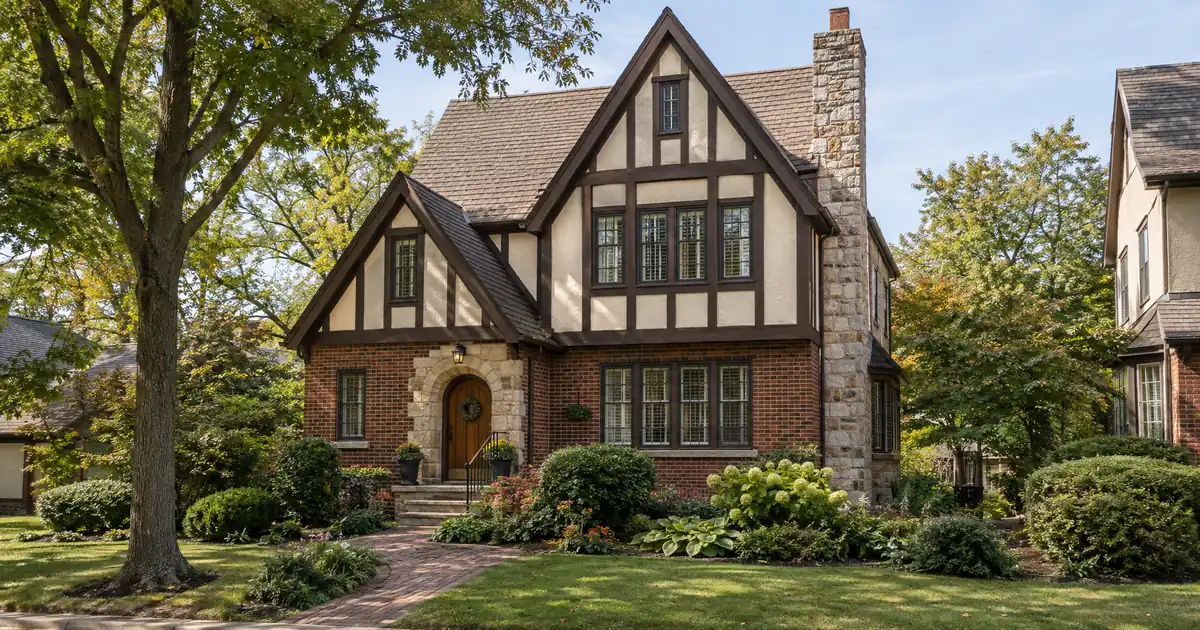
The Quick Read: It depends on whether the property is your Texas homestead or a rental: on a homestead the answer is generally no, because the state allows one home equity lien at a time and treats a HELOC and a cash-out loan as the same kind of lien, while on a true rental the limits come from lender and program rules instead. A HELOC, short for home equity line of credit, is a revolving line secured by the property. Your low first mortgage still matters either way, because it is the equity cushion every option below is measured against.
- Homestead: you choose one equity structure, either a line or a cash-out loan, never both.
- Rental: a line behind your first and a cash-out refinance are both possible paths, and each has its own cost.
- Cash-out refinance: it replaces your low first mortgage, so you give up that first lien.
- Rental line: on an investment property it caps at 70% combined loan-to-value and $500,000 total, subject to lender guidelines.
- LLC title: the line programs in the network cannot hold title in an LLC, so LLC-owned rentals usually point to a DSCR loan.
Key Terms Defined
Homestead is the home you live in as your primary residence. Texas gives it special protection from creditors, and that protection drives the lending limits.
Second lien is a loan that sits behind your first mortgage. If the property is sold or foreclosed, the first lender is paid first.
Combined loan-to-value (CLTV) adds every loan on the property together and divides by the property’s value. It tells you how much of the value is already borrowed against.
Cash-out refinance replaces your existing first mortgage with a new, larger loan and pays you the difference.
DSCR stands for debt service coverage ratio. It divides a rental’s monthly rent by its full monthly obligation: principal, interest, taxes, insurance, and any HOA dues. A DSCR loan is reviewed primarily on property-level rental income covering the payment, subject to lender guidelines.
Seasoning is the waiting period a lender wants between two events, such as buying a property and refinancing it.
How large a line the equity supports in Texas.
An equity line is sized by combined loan-to-value, occupancy, and credit — not by rental coverage. Switch the occupancy or the credit band and the ceiling moves with it.
Investment-property lines require a 700 minimum credit score; second-home lines start at a 640 minimum and primary-residence lines at 600, and the combined-LTV ceiling steps down as the credit band drops on primary-residence and second-home lines and holds on investment-property lines; the line cap steps down on primary-residence lines and holds at every tier on investment-property and second-home lines.
A debt-to-income ratio above 45% requires 680+ credit. Profiles under 640 are limited to single-family homes. At least 75% of the approved line is drawn at closing. Ceilings, floors, and caps update from Lendmire’s centralized guideline source.
Line estimate
Illustrative estimate only — not a quote, Loan Estimate, approval, or commitment to lend. The rate is an editable assumption; equity-line pricing is variable through both the draw and repayment periods and never converts to fixed. Occupancy and credit drive the ceiling together: an investment property tops out at 70% combined LTV (minimum credit 700, line cap $500,000); a second home tops out at 90% combined LTV (minimum credit 640, line cap $500,000), with the ceiling stepping down as the credit band drops (the cap holds at every tier); a primary residence tops out at 80% combined LTV (minimum credit 600), and its $750,000 maximum line is available only at 75% combined LTV or below with a 700-or-better credit profile (720 on the longer-runway program) and a full appraisal. Lines above $500,000 require a full appraisal. Credit, debt-to-income, property type, and full underwriting review all affect the final line.
Why Is a Homestead Different From a Rental?
Texas protects a family’s primary residence from most creditors. Equity loans against that home are allowed, but only if they follow a strict list of requirements written into the state constitution. A cash-out refinance on your homestead is one of those loans. So is a HELOC. Lawmakers did not create two separate boxes. They created one, and every way of pulling equity from the home falls inside it.
That is why a low first mortgage helps less than owners expect. It creates room on paper. The homestead rules decide how much of that room you may use, and in what form.
The same protection does not follow a rental. A Texas attorney’s overview of homestead protection explains that the protection is available only to natural persons, not to LLCs or other entities. A property that has never been your residence generally sits outside the homestead rules. One caution: if you ever lived in the property, or still claim a homestead exemption on it, bring in your title company and a Texas real estate attorney before you assume it is a rental.
What Are the Rules If the Property Is Your Homestead?
On a homestead, you get one equity lien at a time, and total borrowing is capped at 80% of the home’s value. The State Bar of Texas states both limits in its consumer guidance. It also says a home equity loan cannot be refinanced more often than once a year. The page is older, so confirm the exact figures with a Texas attorney before relying on them.
That cap includes your first mortgage. Say your first mortgage equals 30% of the home’s value. An 80% combined cap leaves 50 points of value to borrow against. That is real room, and a low first mortgage is the reason you have it. But the room goes into one structure only.
The state regulator adds a waiting period. The Texas Office of Consumer Credit Commissioner publishes guidance confirming a 12-day waiting period for home equity loans. The clock starts only after you have applied and received the required consumer disclosure. This is a legal waiting period, not a prediction of how any file will move.
The network Lendmire places HELOC files with applies the same wall. For a Texas primary residence, the combined cap is 80%, and the higher tiers on the credit matrix never apply. Three more rules bind primary residences in Texas:
- The one-lien-at-a-time rule.
- The 12-day waiting period.
- 12-month seasoning between equity closings.
Texas properties are also limited to 10 acres.
Even conventional lending stops at this wall. Fannie Mae’s selling guide for Texas equity loans restates the 80% combined cap. It also says HELOC subordinate financing is not permitted behind such a loan. DSCR loans are not agency products, so none of that guide governs a rental file. It only shows how firm the homestead boundary is.
Check Your First Lien Before Anything Else
Many owners assume their low first mortgage is an ordinary purchase loan. Pull your closing file and confirm. An earlier cash-out refinance on a homestead is itself an equity-type loan, and that changes what can sit behind it. The most expensive mistake in this space is a line placed behind a first lien that already counts as an equity lien. An uncured violation of the homestead rules can cost a lender its principal and interest, so title companies and lenders review lien history closely.
| Your first lien is… | Can a second equity lien be added? | What decides it |
|---|---|---|
| Purchase loan (homestead) | Yes, one equity product | 80% combined cap |
| Rate-and-term refinance (homestead) | Yes, one equity product | Cap and lien history |
| Earlier cash-out (homestead) | Generally no, not behind it | Title and counsel review |
| Existing HELOC or equity loan | No, one at a time | Pay it off in the new deal |
| Rental first mortgage | Depends on lender | First lender’s lien terms |
An existing equity loan does not trap you forever. Texas allows an equity loan to be refinanced into an ordinary no-cash-out loan under conditions, including seasoning and the combined cap. A lender or attorney confirms whether yours qualifies. The point for sequencing is simple. If you want a different equity structure later, the old one gets paid off inside the new transaction.
What Changes on a Texas Rental?
DSCR loans are designed for non-owner-occupied investment properties. Because they are business-purpose investor loans, they are reviewed differently from a standard owner-occupied mortgage. The homestead limits stop being the constraint on a true rental. The limits that remain come from the first lender’s loan documents, the new lender’s combined-leverage ceiling, and the program’s own rules.
Texas second homes and investment properties are eligible for the network’s HELOC programs as non-homestead transactions. That means the 12-day waiting period, the one-lien rule, and the 12-month seasoning that bind a primary residence do not apply to them.
An investment-property line on this network looks like this:
- Combined leverage: capped at 70% CLTV, with no tier above it.
- Line size: up to $500,000 total.
- Credit: a 700 minimum score.
- Structure: a 5-year interest-only draw followed by a 25-year fully amortizing repayment.
- Qualifying income: debt-to-income up to 50%, with the line sized on the interest-only payment at the maximum draw.
- Draws: the minimum subsequent draw in Texas is $4,000.
- Valuation: lines at or below $500,000 ordinarily use an automated valuation rather than a traditional appraisal.
Each line is subject to lender guidelines and full file review. Texas adds one more limit: a property listed for sale, or listed within the past 60 days, is ineligible.
Run the combined-leverage math the same way. If your rental’s first mortgage equals 30% of its value, a 70% ceiling leaves 40 points of value. The line takes some or all of that, depending on credit and the lender’s review.
Here is the part that surprises people. A line is underwritten on your personal profile, meaning credit, income, and debt, not on the rent. NerdWallet’s explainer on HELOCs for investment property notes that rental HELOCs come with a smaller lender pool and lower borrowing power. It adds stricter requirements and likely higher pricing and fees. That matches what a broker sees: many large retail lenders do not write them at all.
Can You Stack a Line and a Cash-Out on the Same Rental?
You can in principle, but the two work against each other. A cash-out refinance puts a new first mortgage on the property. Any junior line has to be paid off or subordinated in that transaction. A DSCR cash-out qualifies primarily on the rent covering the full payment, subject to lender guidelines, and it generally takes first-lien position.
So the order matters.
- Line first, then DSCR refinance. The refinance pays off the line or gets the line holder to subordinate. Subordination is the line lender agreeing to stay in second position behind the new first.
- DSCR cash-out first, then a line. The new first lender’s loan documents may restrict additional liens. Whether the line lender will sit behind it depends on its combined-leverage ceiling.
- Whether a DSCR lender will sit behind your existing low first is a question for the specific file, not something to assume.
Read your first lender’s deed of trust for lien restrictions before you plan any stack. Federal rules generally protect junior liens on owner-occupied homes, but rentals sit in a gray zone, so the document itself is the answer.
When a Cash-Out Beats a Line (and When It Doesn’t)
A cash-out refinance gives up your low first mortgage. A junior line keeps it. That is the whole trade, and for many owners it settles the question. Combined leverage and personal debt-to-income both rise with a line, but the cheap first lien stays in place.
A DSCR cash-out wins in several situations:
- LLC title. The HELOC programs in the network require the individual borrower or a revocable living trust on title. A property already deeded to an LLC needs a vesting change or a DSCR cash-out. A DSCR loan can be arranged for LLC-titled properties, subject to lender program eligibility.
- Personal debt-to-income is the limit. The cash-out looks at the property’s rent instead.
- You want a different leverage structure. Across most of the network, a cash-out on a standard rental tops out around 75% LTV, while a rental line caps at 70% combined. Short-term-rental collateral on a cash-out is around 70%, so the standard-rental edge is real but small.
- You need a bigger amount. DSCR loans commonly reach up to $3,000,000 on standard programs, with smaller balances available through select lenders, while the line tops out at $500,000.
On coverage, 1.00 is where many select programs start. A separate select-lender path takes coverage below 1.00 with leverage and terms adjusted. Credit floors start around 620 in parts of the network, most programs want about 660, and 700 or more opens the strongest leverage. Reserves vary, commonly about 6 months of the full payment, and about 6 months of seasoning is the usual expectation on a cash-out.
A line can win when your need is small. Cash-out loans have minimum sizes, and the line may fit better if you qualify.
In files like this, a low first mortgage usually pushes owners toward keeping it, and the line looks attractive until they price the personal-profile requirements and the smaller lender pool. A DSCR cash-out gets a fair look only after the owner decides what the old first lien is actually worth to them. Put a number on that before you compare anything else.
Clearing 1.00 coverage is not the same as positive cash flow. DSCR compares rent to the full payment only. Repairs, vacancy, management, utilities, and capital expenses sit outside it.
Lendmire’s piece How a Low First-Lien Mortgage Changes the Cash-Out vs HELOC Math goes deeper on that comparison.
Common Traps
Treating a Texas HELOC as a regular HELOC. National products rarely comply without changes, and Texas homestead closings carry their own requirements, including notice and closing-location rules.
Stacking on the homestead. A line and a cash-out loan cannot both sit on a homestead. Owners who try usually find out at title review.
Using the home to fund the rental. A homestead line or equity loan can supply a down payment on a rental. It is secured by the home you live in, so a default puts the primary residence at risk.
Converting a home to a rental without a plan. A house you lived in, or a house-hack, may still carry homestead status. Resolve that with title and counsel first.
Expecting a line to stay open. Lenders can reduce or freeze lines under their loan terms, so do not build a plan that depends on one staying fully available.
Assuming a DSCR loan can be a HELOC. People use the label loosely for rent-qualified cash-outs, closed-end seconds, and personal-profile lines. These are three different products with three different underwriting paths.
Overlooking portfolio size. A borrower can hold at most three lines, and a borrower owning more than 15 financed properties is not eligible for the line programs.
Tax treatment can depend on how the funds are used and how the property is held; investors should keep clear records and speak with a qualified tax professional before relying on any deduction.
Where to Go From Here
Start with classification. Decide whether the collateral is a homestead or a rental. Then pull the first mortgage’s closing file to confirm its type. Only then compare structures. The strongest files clear two tests at once: enough equity and enough coverage or personal debt capacity. For a broader view of how rent-qualified lending works, see the complete DSCR loans guide.
If you are weighing a home equity line against a cash-out refinance and want to see how the numbers work, Lendmire can help you compare HELOC options based on the property, the equity available, credit profile, combined leverage, and your goals. Lendmire is a broker that arranges these through select wholesale lenders: HELOC lines in 16 full-service states including Texas, and DSCR loans across 41 markets, including Washington, D.C. Every figure above is subject to lender guidelines and full file review, and none of it is a commitment to lend.
Frequently Asked Questions
Can I have a HELOC and a cash-out loan on my Texas home at the same time?
No, not on a homestead. Texas treats both as home equity loans, and a homestead may carry only one at a time. To change structures, the existing equity loan is paid off inside the new transaction. A true rental follows lender and program rules instead.
Does a low first mortgage give me more room under the 80% cap?
Yes, because the cap counts every loan on the home together. A smaller first balance leaves more of the 80% available. For example, a first mortgage equal to 30% of value leaves 50 points of value under the cap. You still use that room in one structure only.
Can a Texas rental owned by an LLC get a HELOC?
Usually not. The line programs in the network require title in the individual borrower or a revocable living trust. LLCs, corporations, partnerships, and land trusts cannot hold title. A DSCR cash-out is the common path for LLC-owned rentals, subject to lender program eligibility.
How much can I borrow with a line on a Texas rental?
An investment-property line caps at 70% combined loan-to-value and $500,000 total, with a 700 minimum credit score. There is no higher investment tier. Second homes follow their own table, and a homestead is capped at 80% combined in Texas.
Is a DSCR loan the same as a HELOC?
No. A DSCR cash-out replaces your first mortgage and qualifies primarily on the property’s rent covering the payment, subject to lender guidelines. A HELOC is a personal-profile line, usually behind your first mortgage. Pick based on whether you want to keep the first lien.
Investors weighing their equity options can start with Lendmire’s guide to cash-out refinance on an investment property.
About Lendmire
Lendmire (NMLS# 2371349) is a mortgage broker that arranges home equity lines of credit in its 16 full-service states through wholesale lenders, on primary residences, second homes and investment properties. Every line is subject to the lender’s guidelines and full underwriting. Scotsman Guide named Lendmire a Top Mortgage Workplace in both 2025 and 2026.
Get Started
Ready to find the right loan for you?
In about 30 seconds you can review financing options available for your home or investment property. No commitment required.
Informational only. Not a Loan Estimate, approval, or commitment to lend. Program availability and eligibility are subject to lender guidelines, credit approval, property review, and underwriting.
References
1. Lone Star Land Law: Homestead protections in Texas
2. State Bar of Texas: home equity consumer guidance
3. Texas Office of Consumer Credit Commissioner advisory bulletins
4. Fannie Mae Selling Guide: Texas Section 50(a)(6) loan underwriting, collateral, and closing
5. NerdWallet: Can you get a HELOC on an investment property?
This article is part of Lendmire’s home equity line of credit program — full qualification details, guidelines, and scenarios live on the program page.
Related reading: Can the Largest DSCR Cash-Out Still Clear a HELOC and a Private Note? · Rental HELOC Requirements for a Landlord With a Low First Mortgage · Rental HELOC Variable Terms Behind a DSCR First Lien
Brandon Miller
Founder & CEO, Mortgage Loan Originator, Lendmire LLC
- Mortgage Loan Originator · NMLS# 1129696 · Verify on NMLS Consumer Access
- North Carolina Real Estate Broker · License# 343312 · Verify on NCREC
- North Carolina Insurance Producer · License# 19053198 · Property, Casualty, Life, Health · Verify on NAIC SBS
- Lendmire LLC · Firm NMLS# 2371349 · Verify firm licensure
Legal disclosures. Lendmire (NMLS# 2371349) is a state-licensed mortgage brokerage that arranges financing through wholesale lender relationships. Lendmire is not a direct lender, depository institution, or registered financial advisor. The discussion above is general informational content about real estate financing — it is not financial, legal, or tax advice, and readers should consult licensed professionals for guidance on their individual circumstances. Loan inquiries are subject to lender underwriting; this article does not represent a commitment to lend. Loan terms, rates, and qualification standards vary by borrower, property, and state, and are subject to change at any time. Equal Housing Opportunity. NMLS Consumer Access: nmlsconsumeraccess.org.