
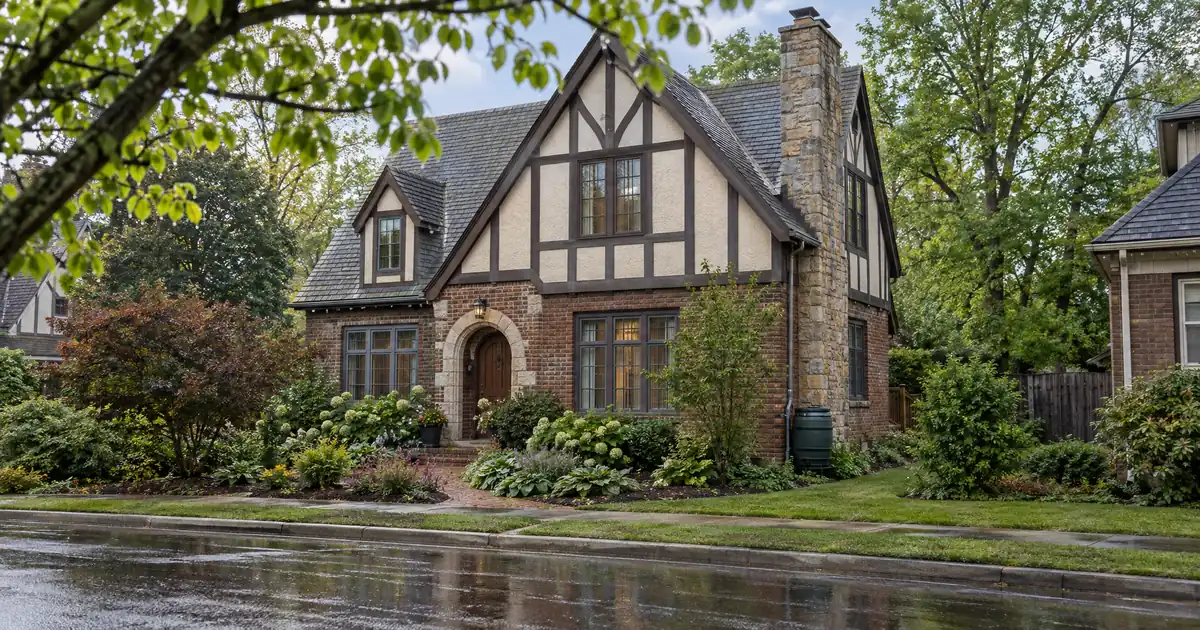
The Quick Read: A buyout refinance is a cash-out refinance in which one new loan pays off the old mortgage, covers closing costs, and funds the departing partner’s agreed share, and the loan has to pass an equity test and a rent-coverage test at the same time. Think of it as two jobs done in one closing: the partner gets paid, and the partner comes off the old debt.
- Cash-out leverage tops out around 75% LTV on standard rentals across most of the network.
- About 6 months of seasoning is the common expectation, measured from the recorded deed date.
- Coverage of 1.00 is where select programs start; a separate select-lender path goes below 1.00 with leverage and terms adjusted.
- A quitclaim deed moves title. It does not release anyone from the old note.
- A larger buyout means a larger loan, which pushes coverage down. Terms depend on the lender’s guidelines, the property type, the leverage, and a full review of the credit profile.
Lendmire is a broker. It arranges these loans through select lenders in its wholesale network, across 41 markets including Washington, D.C. Everything below is typical guidance, subject to lender guidelines. This is not a commitment to lend.
DSCR Calculator
Run the numbers in your market
Rate source: Freddie Mac 30-yr average via FRED® — Federal Reserve Bank of St. Louis · effective Oct 15, 2026
Prefilled with starting assumptions — enter your own rent or nightly figures, taxes, insurance, and HOA for a more accurate picture.
Program parameters update from Lendmire’s centralized guideline source. Taxes and insurance are editable estimates.
As of Oct 15, 2026 · General Freddie Mac market benchmark, not a Lendmire loan offer. Rent, nightly rate, occupancy, taxes, and insurance are editable estimates. Short-term rental figures are estimates only and vary significantly by season, property type, management approach, and local short-term-rental rules — confirm local regulations before relying on them. Qualifying income for short-term rentals varies by program — some use appraisal market rent, others use documented STR history or projections — and is confirmed in underwriting. Not a Loan Estimate, approval, or commitment to lend. Program availability and eligibility are subject to lender guidelines, credit approval, property review, and underwriting.
What Is a Buyout Refinance?
A buyout refinance replaces the existing loan with a bigger one. The new loan pays the old payoff, the closing costs, and the partner’s share. The remaining owner keeps the property and its future appreciation.
The mechanics matter because most partner disputes come from confusing title with debt. A deed changes who owns the property. The mortgage stays where it is. Only a payoff releases the departing partner from the old liability, and the refinance does exactly that.
DSCR loans are designed for non-owner-occupied investment properties. Because they are business-purpose investor loans, they are reviewed differently from a standard owner-occupied mortgage. The loan is reviewed primarily on property-level rental income covering the payment, subject to lender guidelines. That also means the remaining owner’s personal DTI is not the gate, which matters when the departing partner’s income and credit leave with them.
For the wider product picture, see the complete DSCR loans guide.
Key Terms Defined
Cash-out refinance: a new loan larger than the old payoff, with the difference paid out as cash.
Buyout refinance: a cash-out refinance where the cash goes to a departing partner.
Quitclaim deed: a deed that transfers whatever interest the signer holds, with no promise about the loan.
Seasoning: the minimum time a lender wants you to have owned the property before cash-out is available.
DSCR (debt service coverage ratio): monthly rent divided by the full monthly obligation, meaning principal, interest, taxes, insurance, and any HOA dues.
Assignment of interest: the transfer of an LLC membership interest, which replaces a deed when the partner owns units rather than title.
Why a Deed Alone Doesn’t Finish the Job
A deed removes a name from title, but the old note keeps both borrowers liable. A partner who signs a quitclaim and walks away is still on the hook if the payments stop.
There is a second problem. The old mortgage almost certainly has a due-on-sale clause, which lets the lender call the loan if the property or an interest in it is transferred without written consent. 12 U.S.C. § 1701j-3 defines that clause. Its list of protected transfers is aimed at residential property with fewer than five units and, in the implementing regulation, at homes the borrower occupies. A transfer between unrelated co-owners of a rental is not on the list, so an attorney should confirm any specific deal.
The practical lesson: retitle at the refinance closing, not months before. Deeding a partner out, or deeding into an LLC, just ahead of the refinance can hand the old lender grounds to call the loan. It can also restart the seasoning clock. Seasoning is lender policy, not federal law, which is why retitling matters to the new lender even though no statute is involved.
How Underwriting Treats a Buyout: Two Separate Tests
The loan has to pass two tests at once, and the buyout size feeds both.
Test one is equity. The loan must cover the old payoff, the partner’s share, and closing costs, and still fit under the leverage cap. Cash-out tops out around 75% LTV on standard rentals across most of the network. For short-term-rental collateral, cash-out is held to 70%. The exact numbers vary by lender and program and follow a full review of property, leverage, and credit.
Test two is rent. The rent has to cover the larger payment. Run the ratio as rent over the full monthly obligation. Many select programs start at 1.00. A separate select-lender path goes below 1.00, with leverage and terms adjusted. Stronger ratios open better pricing and leverage.
Here is how the two tests interact, in percentages of value only. Say a rental is worth 100 units and the old balance is 50% of value. A partner holding 20% of the equity is bought out for 10% of value, so the new loan sits near 60% plus costs, comfortably under the cap. Now take a higher old balance of 60% and a partner with a 25% share. The buyout is 10% of value again, but the loan lands at 70% plus costs, and with a heavier existing payoff the stack sits right at the ceiling. Add closing costs and it can cross. Same property, different answer.
| Factor | Base case | Shortfall case |
|---|---|---|
| Old payoff | Lower share of value | Higher share of value |
| Partner’s share | 20% of equity | 25% of equity |
| Loan vs 75% cap | Fits | Over after costs |
| Rent coverage | Clears the floor | Thinner after larger loan |
| Result | Workable | Needs a fix |
Two cautions. First, a low appraisal shrinks the loan. If your buyout price is tied to the appraisal, it also shrinks the price, so agree in advance what happens if the value comes in light. Second, clearing 1.00 is not positive cash flow. DSCR compares rent to PITIA only. Repairs, vacancy, management, utilities, and capital expenses sit outside the calculation.
Credit also counts. A 620 floor exists in parts of the network, most programs want around 660, and 700+ unlocks the strongest leverage tiers. Reserves vary by lender, leverage, and loan size. Around 6 months of PITIA is common, rising to about 9 months above $1,500,000. Loan sizes run up to $3,000,000 on standard programs. Above $2,500,000 the network generally holds to 30-year fixed structures.
Step-by-Step: From Agreement to Closing
1. Agree on the price method in writing before anyone orders an appraisal. One BiggerPockets buyout agreement draft ties the price to the refinance appraisal, nets out hypothetical sale costs, and lets a partner dispute the value by ordering a second appraisal at their own expense. It is one investor’s draft, not a standard, but it shows the questions to settle early.
2. Read the operating agreement. Look for required member votes, valuation clauses, and appraisal requirements. Some agreements require a third-party appraisal before units can be bought or sold, and the lender will read the same document.
3. Size the loan against both tests. Add the old payoff, the partner’s share, and closing costs. Check that total against the leverage cap, then check rent coverage on the new payment.
4. Check seasoning against the recorded deed date. About 6 months is the common expectation. Retitling or quitclaiming a partner out can restart the clock.
5. Decide how title and the borrower entity are handled. Where an LLC already holds title, it generally stays on title and signs the note and mortgage through an authorized member or manager, subject to lender program eligibility. A person signs a separate personal guaranty, and the title policy is issued in the LLC’s name. If the partner holds a membership interest rather than a deed, the buyout is an assignment of that interest, not a deed transfer.
6. Assemble the documents. Typical items are the operating agreement, entity papers, guarantor ID, the lease or rent evidence, insurance, and the appraisal. Names should match across the note, title, insurance, appraisal, and lease. Mismatches are the quiet friction on these files.
7. Close in one sitting. Pay off the old note, fund the partner, and record the deed or assignment together. The partner’s release comes from the payoff.
Lendmire’s piece How to Buy Out a Partner by Cash-Out Refinance and Fund Your Next Rental covers what to do with leftover proceeds after the partner is paid.
Structures and Variations
Redemption versus cross-purchase. In an LLC, the entity can redeem the partner’s units, or the remaining member can buy them directly. The choice changes who signs, who pays, and how the operating agreement’s consent clauses apply. The lender reads the agreement either way.
Short-term rentals. The rent calculation and leverage differ. Short-term-rental cash-out is held to 70%, with a 640+ score and about 12 months of hosting history expected. Standard long-term rentals reach 75% on cash-out.
Term structures. The spine is the 30-year fixed. Extended terms (40-year) and interest-only periods are available through select lenders in the network, and ARM structures exist for investors who want them. Interest-only can help coverage on a stretched buyout.
Rental-specific closing details. Prorate rent already collected, move security deposits, assign leases, and update manager contracts, bank accounts, and insurance named insureds. These are small items that stall a closing when nobody owns them.
Where the General Rule Breaks
A HELOC instead of a refinance. A HELOC adds a second loan, so the old first mortgage and the partner’s name on it stay in place. HELOC lines generally need individual or revocable-trust title, so an LLC-held rental needs a vesting change first. Investment-property HELOC lines cap at $500,000 total.
Returning capital is not buying out ownership. If the partner holds equity, the documents must say whether repayment ends their stake.
Partner holds units, not a deed. The mechanism becomes an assignment, and the old lender’s consent may still matter.
Equity on paper is not cash available. Payoff, junior liens, closing costs, and any prepayment charge come out first. Then the leverage cap and rent test can cut the figure further.
Higher rent does not always mean a higher appraisal. Investors disagree on whether rents move the appraised value of small properties, as one BiggerPockets thread shows. Plan around a conservative value.
Ineligible collateral. Manufactured homes (single- and double-wide), log homes, and barndominiums are not offered in the network’s DSCR programs.
Taxes. Tax treatment varies by structure; consult a qualified tax professional before relying on any outcome.
If the Numbers Don’t Work
Run the fallbacks in this order of effort:
- Phased buyout. Pay part now and part later, once coverage or value improves.
- Seller note. The partner carries a note for part of the price. Check lien-position rules before counting on it.
- Renegotiated price. Reopen the valuation method, especially if the appraisal came in light.
- Added owner capital. Cash in lowers the loan and lifts coverage.
- Sale. Sell and split the proceeds when the property cannot carry the larger loan. Lendmire’s piece Cash-Out Refinance vs Selling an LLC Rental to Pay a Partner walks through that decision.
A larger down payment on a purchase, or more equity left in on a refinance, lowers the payment and can lift coverage. It never erases leverage caps, credit floors, reserve rules, or property eligibility. The strongest files clear both tests: enough equity and enough rental coverage.
Decision Table: Which Route Fits?
| Route | Releases partner from debt | Reviewed on | Main limit |
|---|---|---|---|
| Buyout refinance | Yes, at payoff | Property rent and equity | Leverage cap, coverage |
| HELOC | No | Equity and title type | $500,000 cap; title |
| Seller note | Not by itself | Agreement between partners | Lien position |
| Sale | Yes | Not applicable | Gives up the asset |
Disputes and Non-Cooperation
Valuation fights start when one partner wants hypothetical sale costs deducted and the other does not. A BiggerPockets thread on partner valuation shows how that plays out, including an LLC with no operating agreement. Settle the method before ordering the appraisal. If a partner will not sign, a lender cannot proceed, and an attorney is the next call.
Frequently Asked Questions
Can the partner stay on the old loan after being bought out?
Only if the old loan stays in place, and then the partner remains liable. A refinance pays the old note off, which is what releases them. A deed alone does not.
Can the LLC stay on title?
Usually yes. The LLC generally signs the note and mortgage through an authorized member or manager, and a person signs a separate personal guaranty, subject to program terms.
What if the appraisal comes in low?
The loan shrinks with it. If the price is tied to the appraisal, the price shrinks too. Agree in advance whether a second appraisal or an adjusted price applies.
How long must I own the property before a cash-out buyout?
About 6 months of seasoning is the common expectation across most of the network. It is lender policy, and retitling can restart the clock.
Can I qualify if my partner’s income is leaving?
The loan is reviewed primarily on property-level rental income covering the payment, subject to lender guidelines, so the remaining owner’s personal DTI is not the gate. Credit score, reserves, and leverage still apply.
If you are buying or refinancing a rental property and want to see how the numbers work, Lendmire can help you compare DSCR loan options based on the property income, credit profile, leverage, and investor goals.
About Lendmire
Lendmire is a non-QM mortgage brokerage (NMLS# 2371349) arranging DSCR investor loans in 41 markets, including Washington, D.C. DSCR eligibility is generally reviewed around property-level rental income rather than personal income, subject to lender and program guidelines, a fit for self-employed investors and LLC-owned portfolios. Lendmire was recognized as a Scotsman Guide Top Mortgage Workplace in 2025 and 2026.
Get Started
Ready to find the right loan for you?
In about 30 seconds you can review financing options available for your investment property. No commitment required.
Informational only. Not a Loan Estimate, approval, or commitment to lend. Program availability and eligibility are subject to lender guidelines, credit approval, property review, and underwriting.
References
1. Cornell LII, 12 U.S.C. § 1701j-3
2. BiggerPockets, buyout agreement thread
3. BiggerPockets, rental income and appraisal thread
4. BiggerPockets, property valuation thread
This article is part of Lendmire’s DSCR loan program — full qualification details, guidelines, and scenarios live on the program page.
Related reading: DSCR Cash-Out Refinance vs HELOC on a Rental · Can a Short-Term Rental Get a Cash-Out Refinance on Airbnb Income? · DSCR Refinance Loans for Landlords Weighing a Rental Refinance
Brandon Miller
Founder & CEO, Mortgage Loan Originator, Lendmire LLC
- Mortgage Loan Originator · NMLS# 1129696 · Verify on NMLS Consumer Access
- North Carolina Real Estate Broker · License# 343312 · Verify on NCREC
- North Carolina Insurance Producer · License# 19053198 · Property, Casualty, Life, Health · Verify on NAIC SBS
- Lendmire LLC · Firm NMLS# 2371349 · Verify firm licensure
Disclosures. The information presented in this article is general market commentary, not financial, legal, or tax advice. Lendmire is a mortgage brokerage (NMLS# 2371349) — not a direct lender or depository institution — and loan placement is subject to lender underwriting. Nothing in this content represents a commitment to lend. Loan terms, pricing, and program availability vary based on borrower qualifications, property characteristics, and state of subject property, and are subject to change at any time. Lendmire complies with Equal Housing Opportunity requirements. Consumer access: nmlsconsumeraccess.org.