
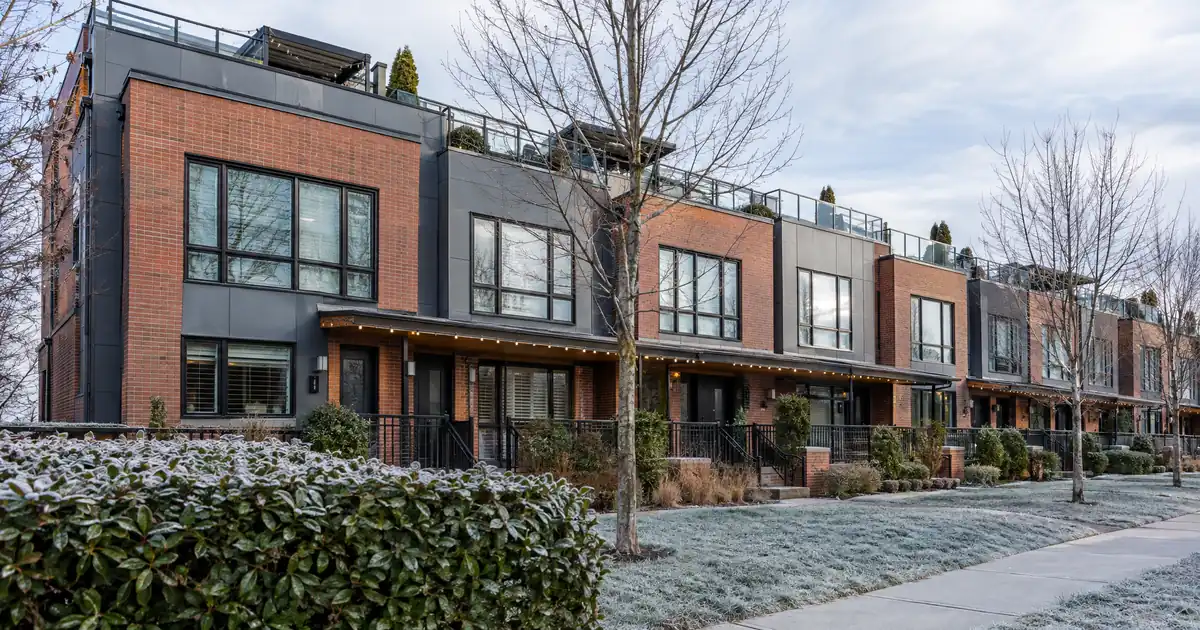
The Quick Read: The loan structure is the same on both. What changes is the building. A condotel runs like a hotel, which narrows the lender pool. A regular condo rented short-term gets an ordinary condo review plus proof that nightly rentals are allowed.
- A “condotel loan” is not a separate product. It is a DSCR loan on a hotel-style building.
- DSCR means debt service coverage ratio: rent measured against the monthly payment. The property’s income drives the file, subject to lender guidelines.
- A regular condo with STR-friendly rules is the more common path and keeps more lenders in play.
- A condotel can make sense when you want the operator to run everything and accept a revenue split.
- Both paths need legal rental permission and documented income. Neither is a shortcut.
Side-by-Side
Here is the honest comparison. The condotel column reflects published industry norms, which vary by program. The regular condo column reflects how files typically run across a wholesale lender network.
Short-Term Rental Calculator
Run the STR numbers in your market
Rate source: Freddie Mac 30-yr average via FRED® — Federal Reserve Bank of St. Louis · effective Oct 15, 2026
Prefilled with starting assumptions — enter your nightly rate, occupancy, taxes, and insurance for a more accurate picture.
Short-term rental income is documented with a 12-month history or a market data report. Program parameters update from Lendmire’s centralized guideline source.
As of Oct 15, 2026 · General Freddie Mac market benchmark, not a Lendmire loan offer. Nightly rate, occupancy, taxes, and insurance are editable estimates. Qualifying income for short-term rentals varies by program — some use appraisal market rent, others use documented STR history or projections — and is confirmed in underwriting. Not a Loan Estimate, approval, or commitment to lend. Program availability and eligibility are subject to lender guidelines, credit approval, property review, and underwriting.
| Factor | Condotel loan | Regular condo STR loan |
|---|---|---|
| Review basis | Property income (DSCR) | Property income (DSCR) |
| What drives eligibility | Hotel operations and rental program | Condo health and STR permission |
| Income evidence | Operator statements, pool terms | Booking history or STR analysis |
| Key documents | Questionnaire, rental agreement, budget | Questionnaire, HOA and permit proof |
| Property types | Hotel-style condos; true hotel rooms usually excluded | Standard condo units |
| Entity vesting | Generally allowed on DSCR files | Generally allowed on DSCR files |
| Reserves | Lender-dependent, often stricter | Commonly around 6 months of PITIA |
| Lender pool | Narrower | Broader |
Two quick notes on the table. PITIA is principal, interest, taxes, insurance, and association dues. And vesting in an LLC is generally workable on DSCR files, subject to lender program eligibility. Lendmire’s wholesale network places both kinds of files, so the choice here is about fit, not access.
Why the Building Decides Everything
Condo review looks at the project, not just your unit. Agency guidelines show why condotels are hard cases. The Fannie Mae Selling Guide lists projects managed and operated as a hotel or motel as ineligible, even when units are individually owned. The Freddie Mac Guide lists condominium hotels and similar transient housing among ineligible projects.
That is the origin of the word non-warrantable. It means the project fails agency rules. It does not mean the project cannot be financed. DSCR lenders set their own rules, and many take a different view.
This is contrast only. Agency rules do not govern DSCR loans. They just explain why a hotel-operated building lands in the non-QM world. Non-QM means a loan outside standard agency guidelines.
One more point. DSCR loans are designed for non-owner-occupied investment properties. Because they are business-purpose investor loans, they are reviewed differently from a standard owner-occupied mortgage.
What Is a Condotel, Exactly?
A condotel is legally a condominium that operates as a hotel. Typical features include a front desk and short-term rentals. Donaldson Education’s real estate wiki describes the model this way. Owners can usually place the unit in the hotel’s rental program when they aren’t using it. Revenue is split with the operator.
A regular condo STR is different. It is a unit in an ordinary residential building. The HOA and the municipality permit nightly rentals. You or a hired manager run the bookings. The unit can be warrantable or non-warrantable and still work as an STR.
Operations, not marketing, set the category. A regular building that fills up with public listings can get treated like a condotel. Classification follows how the project actually operates.
When a Condotel Loan Is the Better Fit
A condotel loan fits an investor who wants hands-off ownership in a resort-style building and accepts less control. That is the real profile. It is not for everyone.
You want the operator to run everything. Front desk, housekeeping, and booking all sit with the hotel. If you live far away and never want to touch a turnover, that is real value. Income comes through the rental program, so the operator’s statements become your income evidence.
The building is the point. Some resort locations only have condotel inventory. If the location is what you are buying, the hotel structure comes with it. Your job is to find a lender whose program accepts that structure.
You can live with a narrower lender pool. A BiggerPockets thread on a Waikiki condo hotel says condotel financing is often unavailable because the units are usually non-warrantable. Across a wholesale network, you see the same pattern. Fewer lenders take the file. Leverage may come in below the top tier, and terms depend on the program.
You understand the revenue split. The DSCR rent figure should reflect what you actually keep. A BiggerPockets thread on a first Maui condotel describes revenue splitting between owner and hotel. Run coverage on your share, not the gross booking total.
Here is a modeled example. Say a unit shows coverage near 1.25x on gross bookings. If the operator keeps a meaningful share, the owner’s figure can drop toward 1.00x. That is the number a lender sees. It is a modeled assumption, not a market figure.
The mandatory-pool question. Some condotel projects require owners to join the rental pool. Some programs accept pooling and others exclude it. That single detail often decides which lenders will look at the file. Find it before you sign a contract.
The tradeoffs are real. Some owners face HOA charges for personal use or for renting outside the program. Thin lender competition can also hurt resale. Investor sentiment on condotels is mixed, and that is opinion, not a lending rule.
When a Regular Condo STR Loan Is the Better Fit
A regular condo STR loan fits an investor who wants control and a wider lender pool. For most first-time STR buyers, this is the more practical path. Control is the trade for more work.
You want to set your own pricing and manage the calendar. You decide the nightly pricing, the platform, and the cleaner. Self-managing or hiring a property manager stays your call.
You want more lenders to choose from. A standard condo is reviewed on ordinary project health: litigation, reserves, insurance, investor concentration, commercial space, and delinquent dues. Across the network, most programs handle this review routinely.
Your leverage matters. Short-term rental purchase loans reach up to 75% LTV on the strongest files. Refinance runs up to 70%, and cash-out is 70% on short-term-rental collateral. LTV is loan-to-value: the loan balance as a share of the property’s value. These are guideline ranges from select lenders, not promises. These specifics are subject to lender guidelines and a full review of property, leverage, and credit.
You can document income. Expect a credit score of 640 or better and roughly 12 months of hosting history on most files. Coverage floors are 1.00 on purchases and refinances. Stronger ratios can open better terms. Programs below 1.00 coverage are available through select lenders in the network, with leverage and terms adjusted.
The path has its own trap. Warrantable status does not mean STR is allowed. Those are separate checks. An HOA that bans short-term rentals can block the income entirely, so confirm permission before you write an offer.
Short-term rental rules can vary by city, county, HOA, and property type, so investors should confirm local rules before relying on projected rental income.
How to Tell Which One Your Building Is
Classify the project before you hunt for a lender. Run this checklist:
1. Front desk or lobby staffing? A staffed front desk points toward condotel.
2. Housekeeping offered or required? Daily cleaning service is a hotel hallmark.
3. A rental program run by the HOA or an operator? Check whether joining is optional or mandatory.
4. Hotel branding or a shared booking system? A branded or shared booking system moves the building toward the condotel category.
5. What do the declaration and budget say? Look for rental-term limits, owner-use limits, and fees tied to rentals.
6. How many units are listed publicly? Heavy public listing can push a regular building toward the transient label.
Other building types are generally out. Timeshares, fractional ownership, units with no kitchen, and true hotel rooms are the usual exclusions, and a BiggerPockets answer on a resort STR condo names the same categories among common non-warrantable types.
Condotels are not the same as a plain non-warrantable condo. A non-warrantable condo can still rent long-term or short-term. A condotel is hotel-operated. Think of a spectrum: warrantable condo, non-warrantable condo, condotel.
How STR Income Gets Documented on Each Path
Condotel income runs through the operator. Statements from the rental program are the natural evidence. How a pool is treated matters, so ask each lender up front.
Regular condo income comes from your own history. On a refinance, that is booking history. On a purchase, programs vary on whether an appraiser’s short-term-rent analysis can support the file. That is why the roughly 12 months of hosting history that lenders usually expect matters so much.
Appraisal forms differ too. Form 1073 covers the condo unit. Form 1007 is the rent schedule for long-term rent. A condotel appraisal needs hotel-style comparables, which are harder to find.
Now the part many investors miss. DSCR compares rent to PITIA only. Clearing 1.00 is not positive cash flow. Repairs, vacancy, management, utilities, and capex sit outside the calculation. Condo association dues are part of PITIA, so a high assessment cuts coverage directly. Run your own operating numbers separately.
A larger down payment can lower the monthly payment and lift the ratio. It never erases leverage caps, credit floors, reserve rules, or property eligibility. The strongest files clear both tests: enough equity and enough rental coverage.
Pre-Offer Diligence (Do This Before Earnest Money)
The HOA questionnaire and legal STR status can sink a deal after the deposit is down. Check these first.
- Send the questionnaire to the HOA early. It is often the main bottleneck, and it depends on the management company’s responsiveness.
- Collect the standard package. Get the budget, year-to-date financials, reserve study or schedule, master insurance, minutes, and any litigation papers.
- Confirm legal rental use. Check zoning, the municipal permit or license, and HOA documents. This applies to both paths.
- Read the declaration. Look for rental-pool language, owner-use charges, and fee structures.
- Don’t lean on the agency lookup tool. Fannie Mae’s Condo Status Finder says a no-findings result does not mean the project is approved. It is a clue, not a decision.
Pre-approval does not cover any condo. One investor on BiggerPockets was approved and later found the approval could not be used on a condotel. Name the property type when you ask for a pre-approval.
Three Buyers, Three Paths
Picture an investor in another state who wants a resort unit and zero operations. The condotel path matches. She should expect a narrower lender pool, pool-based income evidence, and a coverage number that reflects her revenue share.
Say you are a first-time STR buyer with a good credit profile and one year of hosting history on a rental you already own. A regular condo in a permitted building fits. You control pricing and the lender pool is broader. A refinance of that unit sits around 70% LTV at most. Terms depend on the lender’s guidelines, the property type, the leverage, and a full review of the credit profile.
Consider an investor who holds several properties through separate LLCs. Entity structure matters on both paths. Lendmire’s piece Condotel vs Condo DSCR Loan for an Investor With Multiple LLCs covers that angle in depth.
The Verdict
Pick the building first and the loan second.
Choose the regular condo STR path if you want control, more lender options, and a standard review. This is the right default for most investors, and it needs only a permitted building and documented income.
Choose the condotel path if the location or the hands-off model is the whole point. You trade control and lender choice for convenience. Do the math on your net share, not the gross.
Either way, the loan is reviewed primarily on property-level rental income covering the payment, subject to lender guidelines. For the full picture of DSCR terms, see Lendmire’s complete DSCR loans guide. For a deeper look at the agency-eligibility question, read how condotel financing compares with warrantable condo financing.
Tax treatment can depend on how the funds are used and how the property is held; investors should keep clear records and speak with a qualified tax professional before relying on any deduction.
Frequently Asked Questions
Can I get a conventional loan on a condotel?
Usually not. Agency guidelines list hotel-operated projects as ineligible, so these files typically move to non-QM or DSCR lenders. That is a limit on the building, not on you as a borrower.
Can Airbnb income help me qualify?
On a DSCR loan, documented rental income can support the file, subject to lender guidelines. Projected income alone is not enough. Lenders look for history, a market analysis, or operator statements, and they confirm that short-term renting is legally allowed.
Is a condotel the same as a condo I list on Airbnb?
No. A condotel is hotel-operated, with a front desk and a rental program. A regular condo is an ordinary unit you list yourself. A building with heavy public listings can still get a transient review, so classification follows how the project operates.
Can I close in an LLC?
Generally yes on DSCR files, depending on program guidelines. Lenders typically review the entity and often require a personal guarantee. Confirm the exact structure before you submit.
Do reserves differ between the two?
They vary by lender, leverage, loan size, and transaction type. Reserves commonly run around 6 months of PITIA, and larger loans can step up to about 9 months. Tighter categories like condotels may see stricter requirements.
Key Terms Defined
Condotel: a condominium that operates like a hotel, with a front desk, housekeeping, and a rental program.
Non-warrantable: a project that fails agency eligibility rules. A DSCR lender can still review it under its own guidelines.
Rental pool: a program where unit owners share rental revenue with an operator, sometimes by mandatory participation.
DSCR: the ratio of property rent to the full monthly obligation. It is not a measure of cash flow after operating costs.
PITIA: principal, interest, taxes, insurance, and association dues.
Next Step
If you are buying or refinancing a rental property and want to see how the numbers work, Lendmire can help you compare DSCR loan options based on the property income, credit profile, leverage, and investor goals. As a broker, it arranges financing through select lenders across 41 markets, including Washington, D.C. Reach the team at 828-256-2183. Program details change, every file is underwritten individually, and nothing here is a commitment to lend.
Condo buildings with a staffed front desk will keep narrowing your lender list, so check the lobby before you check the listing price.
About Lendmire
Lendmire (NMLS# 2371349), a non-QM mortgage broker serving investors in 41 markets including Washington, D.C., helps structure DSCR scenarios commonly evaluated around a property’s rental income rather than personal income paperwork, subject to lender guidelines. A Scotsman Guide Top Mortgage Workplace in 2025 and 2026, Lendmire places loans through wholesale investor lenders and is not a direct lender.
Get Started
Ready to find the right loan for you?
In about 30 seconds you can review financing options available for your investment property. No commitment required.
Informational only. Not a Loan Estimate, approval, or commitment to lend. Program availability and eligibility are subject to lender guidelines, credit approval, property review, and underwriting.
References
1. Fannie Mae Selling Guide B4-2.1-03
2. Freddie Mac Guide Section 5701.3
3. Donaldson Education Real Estate Wiki: Condotel
4. BiggerPockets: Condo Hotel in Waikiki, Oahu
5. BiggerPockets: Condotel in Maui, First Investment Property
6. BiggerPockets: Financing a Short-Term Rental Condo on a Resort
7. BiggerPockets: Condotel Discussion
This article is part of Lendmire’s short-term rental loan program — full qualification details, guidelines, and scenarios live on the program page.
Related reading: How to Get a DSCR Loan on One Unit of a Two-Unit Condo · How to Refinance an Existing DSCR Loan Without Losing the Savings · How to Refinance a Rental Held in an LLC With a DSCR Loan
Brandon Miller
Founder & CEO, Mortgage Loan Originator, Lendmire LLC
- Mortgage Loan Originator · NMLS# 1129696 · Verify on NMLS Consumer Access
- North Carolina Real Estate Broker · License# 343312 · Verify on NCREC
- North Carolina Insurance Producer · License# 19053198 · Property, Casualty, Life, Health · Verify on NAIC SBS
- Lendmire LLC · Firm NMLS# 2371349 · Verify firm licensure
Important disclosures. Lendmire (NMLS# 2371349) is a licensed mortgage brokerage. Lendmire is not a direct lender, depository institution, or financial advisor. All loan inquiries are subject to lender underwriting; this article does not constitute a commitment to lend. Rates, terms, and program guidelines are subject to change without notice and vary by borrower profile, property type, and state. Information in this article is general in nature and is not financial, legal, or tax advice. Equal Housing Opportunity. NMLS Consumer Access: nmlsconsumeraccess.org.