
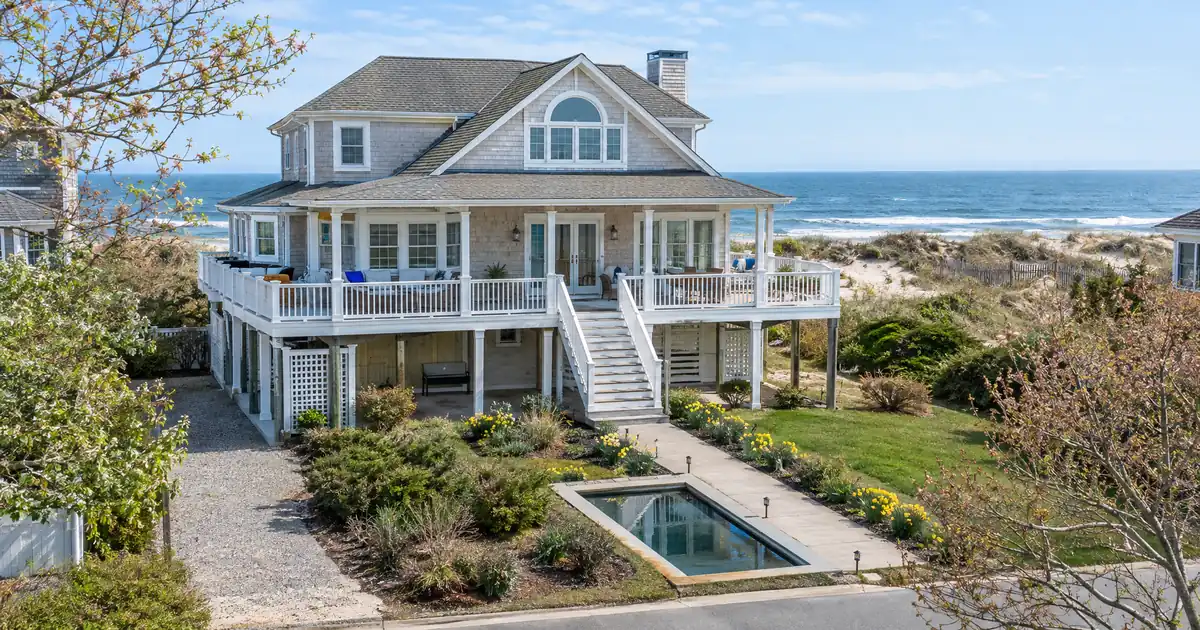
The Quick Read: Neither market type is better for a DSCR Airbnb loan; the file turns on how well you can prove the rental income, whether the property type and HOA allow nightly rentals, and how much seasonal swing the numbers must absorb, with resort deals usually asking for more proof and more cushion than secondary-market houses. Both qualify primarily on property-level rental income covering the payment, subject to lender guidelines. The differences show up in the paperwork around that income.
- Short-term rental purchases typically reach up to 75% LTV on the strongest files. Refinances and cash-outs on short-term-rental collateral top out around 70%.
- Most short-term programs want a 640+ score and about 12 months of hosting history.
- Purchase and refinance files each carry a 1.00 coverage floor as their own program test.
- Resort buildings add project-type and HOA questions before income is even tested.
- Secondary markets trade high peak revenue for steadier demand, but thin comparables can weaken the income case.
Here is the honest answer on who each option suits. A secondary market fits the investor who wants a detached house, steadier month-to-month bookings, and a price that leaves room between rent and payment. A resort market fits the investor who accepts big seasonal swings, can carry more reserves, and wants the higher nightly rates and demand that come with a destination. Pick based on your cushion and your tolerance for risk, not on which one sounds more glamorous.
Short-Term Rental Calculator
Run the STR numbers in your market
Rate source: Freddie Mac 30-yr average via FRED® — Federal Reserve Bank of St. Louis · effective Oct 15, 2026
Prefilled with starting assumptions — enter your nightly rate, occupancy, taxes, and insurance for a more accurate picture.
Short-term rental income is documented with a 12-month history or a market data report. Program parameters update from Lendmire’s centralized guideline source.
As of Oct 15, 2026 · General Freddie Mac market benchmark, not a Lendmire loan offer. Nightly rate, occupancy, taxes, and insurance are editable estimates. Qualifying income for short-term rentals varies by program — some use appraisal market rent, others use documented STR history or projections — and is confirmed in underwriting. Not a Loan Estimate, approval, or commitment to lend. Program availability and eligibility are subject to lender guidelines, credit approval, property review, and underwriting.
One definition first. No lender rule labels a market “secondary” or “resort.” These are shorthand. Here, a resort market is a destination where visitors drive most demand: beach towns, ski towns, lake and national-park gateways. A secondary market is a mid-size city or regional hub where demand comes from a mix of business travel, medical visits, events, and weekend trips. Some places sit in between. A drive-to lake town with a mid-size city nearby behaves like both. The loan file does not care about the label. It cares about income evidence, property type, and risk.
Side-by-Side
The table below shows how the two market types usually differ on the points that change a DSCR file. These are patterns, not rules. Any single property can break them.
| Factor | Secondary Market | Resort Market |
|---|---|---|
| Review basis | Property rent vs. full payment | Same test, same math |
| Income evidence | Trailing history or appraiser analysis | Same, but swings need explaining |
| Typical property types | Detached homes, standard condos | More condos, condotels, rental pools |
| Entity vesting | LLC common, per program terms | LLC common, per program terms |
| Reserve expectations | Often near program norms | Lenders may look harder at seasonal files |
| Main file risk | Thin comparables | HOA limits and project type |
Reserves deserve one more line. They vary by lender, leverage, loan size, and transaction type, and they commonly land around 6 months of PITIA. PITIA is principal, interest, taxes, insurance, and HOA dues, the full monthly obligation on the property. Treat that as a typical range, not a promise.
How the Income Gets Proven (Same Test, Different Evidence)
The test is identical in both markets. The lender looks at whether the property’s income covers PITIA, and that ratio is the DSCR. The evidence is where the two diverge.
If the property already operates as a short-term rental, trailing history carries the most weight. That means platform payout statements, property-management statements, or bank deposits that show what the place actually earned across a full year. This is why most short-term programs ask for about 12 months of hosting experience.
If you are buying with no history, the lender may lean on a projection or on an appraiser’s short-term-rental analysis. A long-term rent figure can serve as the conservative fallback. Projections are only as good as the comparable listings behind them. That matters a lot, as you will see below.
Appraisal forms are part of this. Form 1007 is the single-family rent schedule, and Form 1025 is the small residential income report for 2-4 units; both are named on the Fannie Mae forms list. DSCR files borrow those form names and nothing else, since agency selling rules do not govern DSCR loans. McKissock, an appraiser education provider, explains that the 1007 was built for monthly long-term rent, and that the lender, not the appraiser, decides what income counts. Class Valuation, an appraisal firm, argues the form should not be stretched to show nightly-rental income at all.
The practical result: the appraisal sets value and a long-term rent floor. Your hosting statements or a separate short-term analysis carry the real income story.
A word on what DSCR does not measure. Clearing 1.00 does not mean the property produces positive cash flow. The ratio compares rent to PITIA only. Platform fees, cleaning, utilities, management, repairs, vacancy, and capital expenses all sit outside it. Resort HOA dues do land inside PITIA, but resort management and turnover costs do not. A deal can clear the test and still lose money.
When Secondary Markets Are the Better Fit
A secondary market is usually the better fit if you want a simpler file, a detached house, and room for error. The property type is a common reason. Most secondary-market short-term rentals are single-family homes or ordinary condos, and those fit standard DSCR programs without extra project review. Single-family homes also rarely have an HOA with the power to ban nightly rentals, though some neighborhoods do.
Lower purchase prices help the ratio. Rent does not fall in step with price, so a lower-priced house in a mid-size city often shows stronger coverage than a pricier destination property at the same leverage. Both sit under the same 75% purchase LTV ceiling on the strongest short-term-rental files. The secondary property just reaches 1.00 and above with less strain.
Demand tends to be steadier too. A hub city draws business travelers, medical visitors, and event crowds across the calendar. Monthly income bunches less, so a single slow quarter does less damage. That lowers the odds you drain reserves in a bad month.
A secondary market suits you if:
- This is your first or second short-term rental, and you want fewer moving parts.
- You plan to manage remotely and want predictable bookings.
- You want a clear fallback to long-term renting if the hosting numbers disappoint.
- Your reserves are modest and you would rather not rely on one peak season.
The risk here is comparable depth. Projection tools and appraisers need nearby listings that match your bedroom count and property tier. In a smaller market, that comp set can be a handful of listings. A small sample can make a projection look better or worse than reality. Cities also contain pockets. One neighborhood can outperform the metro average while the next one underperforms. Do not assume the whole city behaves the same.
Demand concentration is the other watch item. If one hospital, one university, or one event drives most bookings, a single change at that anchor moves your income. Check how many different reasons people have to visit before you trust the numbers.
For the broader choice between a short-term-rental DSCR loan and a conventional loan, see Lendmire’s piece STR DSCR vs Conventional Loan for a Business Owner’s Resort.
When Resort Markets Are the Better Fit
Resort markets are the better fit if you have the reserves and temperament for swings, and you want higher revenue potential and demand that comes with a destination. Nightly rates and demand can be strong in peak season. Income can look excellent on a good year.
Seasonality is the catch. Resort bookings can run at very different levels from peak month to slow month. Annual averages hide that gap. Industry market tools score this: a high seasonality score means steadier demand, and a low one means big swings. Run that check before you choose a deal.
Here is how the swing hits a file. DSCR uses qualifying income against the monthly obligation. A lender looking at 12 months of history sees the annual picture. But your mortgage is due every month, including the slow ones. The ratio can pass while a January bank balance looks thin. This is a reserves problem, not a ratio problem. Many resort investors keep a larger cash cushion for that reason. Model on an annualized figure, never on a peak month.
Property type is the second hurdle. Resort markets hold more condos, condotels, and buildings with rental pools. Features like front desks, hotel-style operations, and heavy investor ownership can make a project non-warrantable, a label that means standard agency-style financing will not take it. A non-QM trade explainer from Gustan Cho Associates lists those features. DSCR channels are where such units commonly get financed, but the pool of lenders can narrow before income is even tested. Pre-screen the building.
Then there is the HOA. A resort-town HOA can restrict or ban nightly rentals even where the city allows them. Short-term rental rules can vary by city, county, HOA, and property type, so investors should confirm local rules before relying on projected rental income. Read the declaration before you offer. HOA dues also sit inside PITIA, and resort dues are often larger, which pulls the ratio down.
Property types that fall outside the network’s DSCR programs are not offered here, whatever the market. That includes manufactured homes (single- and double-wide), log homes, and barndominiums. Some rural resort areas have a lot of them, so check before you fall for a listing.
A resort market suits you if:
- You have solid reserves and can ride out slow months.
- You have prior hosting experience and can show real history.
- You have checked HOA and building eligibility before writing an offer.
- You are comfortable with the possibility that rule changes or oversupply hit income.
A Modeled Side-by-Side
Run the numbers on two hypothetical properties. These ratios are modeled assumptions for illustration, not market data.
| Measure | Secondary house | Resort condo |
|---|---|---|
| Coverage on annualized income | About 1.25x | About 1.10x |
| Coverage in a peak month | About 1.50x | About 1.80x |
| Coverage in a slow month | About 0.95x | About 0.50x |
| HOA dues in the payment | Little or none | Meaningful |
Read it this way. Both clear 1.00 on the annualized figure, which is what a lender weighs. The resort condo has more upside in its best month, but a much deeper hole in its worst. Its HOA dues also hold the annual ratio down. The secondary house has less upside and a smaller drop.
Neither one tells you the cash flow. Management, cleaning, platform fees, and a special assessment on the condo could turn the resort deal negative even at 1.10x. The leverage question is separate. A bigger down payment can lift the ratio by shrinking the payment, but it does not override leverage caps, credit floors, or property eligibility. The strongest files clear both tests: enough equity and enough rental coverage.
Stress-Test Before You Offer
A short check keeps a good-looking deal from becoming a denied file. Do this for either market type.
1. Haircut the income. Cut the projected revenue and see whether coverage still holds. Lenders may discount projections, so your deal should survive a cut.
2. Test the off-season. Look at your slowest months against the full monthly obligation, and decide how many months of shortfall your reserves can carry.
3. Check the comps. Ask how many truly similar nearby listings support the projection. A thin set deserves a bigger haircut.
4. Confirm permission. Read the HOA declaration and check local licensing rules. Do not rely on a projection if the rental use is not clearly allowed.
5. Compare the fallback. Run DSCR on projected short-term income and on supported long-term rent. The gap shows how much of the deal depends on the Airbnb strategy.
6. Check the guardrails. Short-term files typically want a 640+ score, about 12 months of hosting history, and up to 75% LTV on a purchase. Refinances and cash-outs on short-term-rental collateral sit around 70%. Loans run up to $3,000,000 on standard programs. All of this is subject to lender guidelines, and every file is underwritten individually.
Denials in both market types tend to follow a pattern. Secondary-market files stumble on thin or mismatched comps. Resort files stumble on the building or the HOA, and on seasonal income that was never explained. A short cover note that walks through the seasonality helps a reviewer see the whole picture.
For borrowers moving from one rental to the next, Lendmire’s piece How to Pull Equity From a Paid-Off STR to Fund the Next Airbnb Down Payment covers the funding side.
DSCR vs. conventional financing
There are two common ways to finance an investment property, and they qualify you differently — here’s how investors weigh them.
Why investors choose it
- Qualifies on the property’s rental income — no personal tax returns, W-2s, or pay stubs needed to document income.
- No personal debt-to-income ceiling to clear, so existing mortgages and obligations don’t cap your borrowing the same way.
- Can be closed in an LLC, keeping the property inside a business entity.
- Built for scaling — not held to the limit on number of financed properties that conventional financing applies.
- Underwriting centers on the deal: generally qualifies when the rent covers the payment, a 1.00x coverage ratio being a common baseline (confirmed in underwriting).
- Designed specifically for investment property, including long-term and, where the program allows, short-term rentals.
Where it’s strong
- Often the lowest ongoing financing cost for a buyer who fully qualifies on personal income — a fit for a first property or a cost-first purchase.
Trade-offs for investors
- Requires full personal income documentation and must fit within a debt-to-income limit — salary, existing debts, and other mortgages all count.
- Typically held in your personal name rather than a business entity.
- Caps how many financed properties you can carry, which can become a ceiling as a portfolio grows.
- Evaluates you as a borrower as much as the property, which usually means more paperwork.
How investors usually choose: a first or single property often optimizes for the lowest financing cost; portfolio builders often optimize for leverage, vesting in an LLC, and scaling past conventional caps. The right answer depends on your goals, the property, and current guidelines — both paths run through select lenders in Lendmire’s wholesale network, with eligibility and terms confirmed in underwriting.
Key Terms Defined
Trailing 12-month income (TTM): The rental income a property actually earned over the past year, shown through statements or deposits.
Seasonality: The predictable rise and fall in bookings across the calendar, much sharper in many resort towns.
Non-warrantable condo: A condo project with features, such as hotel-style operations or heavy investor ownership, that keep it out of standard agency financing.
Condotel: A condo unit in a hotel-style building, often placed in a rental pool.
Comps (comparables): Nearby similar properties used to support value or projected rent.
PITIA: Principal, interest, taxes, insurance, and HOA dues, the monthly obligation in the DSCR test.
The Verdict
Choose a secondary market if you value a straightforward file, a detached house, steadier months, and a clean fallback. Choose a resort market if you can afford reserves for the slow months, have hosting experience, and have already cleared the building and HOA. Neither is categorically stronger. Honestly, this one is close to a toss-up for experienced investors, and the better pick usually comes down to the specific building, the specific comps, and how much cushion you hold.
A hybrid approach also works. Many investors start with a secondary-market house to build hosting history, then use that record to support a resort purchase later. The Airbnb track record is an asset on the next file.
The complete DSCR loans guide walks through the broader program mechanics behind all of this. Tax treatment can depend on how the funds are used and how the property is held; investors should keep clear records and speak with a qualified tax professional before relying on any deduction.
Frequently Asked Questions
Does a resort property automatically need more down payment than a secondary-market one?
Not automatically. Leverage on short-term-rental purchases typically tops out at 75% LTV on the strongest files in either market type. What changes is how the file reads. A seasonal or condo-heavy resort deal may draw more scrutiny on reserves and property type, which can influence how much leverage a lender will actually offer.
Is the 1007 appraisal form enough to qualify a resort rental?
Usually not on its own. The form was built for monthly long-term rent and does not capture nightly rates or vacancy, as the McKissock and Class Valuation sources above explain. Short-term files typically lean on trailing statements or a short-term analysis, with the long-term rent as a floor.
Can I buy in an LLC in either market type?
Often yes. Vesting in an LLC is common for investor loans, subject to lender program eligibility. Some programs ask for personal guarantees or have entity documentation rules, so confirm the structure before you sign a contract.
What if the city allows Airbnbs but the condo bans them?
The ban controls. The HOA declaration can restrict rentals even where the city permits them, so rental income that depends on nightly stays would not be reliable. Read the declaration before you offer, and treat any projection as unusable until rental use is clearly allowed.
Which market type is easier to refinance later?
It depends on income history and building eligibility, not the label. A property with a clean year of statements generally has the easier path. Refinances and cash-outs on short-term-rental collateral top out around 70% LTV, and the refinance floor is 1.00 coverage, subject to lender guidelines.
Next Step
If you are buying or refinancing a rental property and want to see how the numbers work, Lendmire can help you compare DSCR loan options based on the property income, credit profile, leverage, and investor goals. As a mortgage broker, it arranges financing through select lenders in its wholesale network, covering 41 markets, including Washington, D.C. Programs change, and every file is underwritten individually.
About Lendmire
Lendmire — NMLS# 2371349 — is a DSCR and non-QM mortgage brokerage with investor loan programs in 41 markets, including Washington, D.C. DSCR eligibility is commonly reviewed by the lender around property-level rent rather than personal income documentation, subject to lender guidelines, and the brokerage helps arrange financing for LLC-owned portfolios beyond conventional financed-property limits. Recognized by Scotsman Guide as a Top Mortgage Workplace in 2025 and 2026.
Get Started
Ready to find the right loan for you?
In about 30 seconds you can review financing options available for your investment property. No commitment required.
Informational only. Not a Loan Estimate, approval, or commitment to lend. Program availability and eligibility are subject to lender guidelines, credit approval, property review, and underwriting.
References
1. Fannie Mae: Selling Servicing Guide Forms
2. McKissock: Form 1007 and short-term rental appraisals
3. Class Valuation: Appraisal Form 1007 and short-term rentals
4. Gustan Cho Associates: condotel financing guidelines
This article is part of Lendmire’s short-term rental loan program — full qualification details, guidelines, and scenarios live on the program page.
Related reading: How to Buy an Airbnb With a Partner Using a DSCR Loan · How to Qualify for a DSCR Loan in Tennessee · How to Qualify for a DSCR Loan in California
Brandon Miller
Founder & CEO, Mortgage Loan Originator, Lendmire LLC
- Mortgage Loan Originator · NMLS# 1129696 · Verify on NMLS Consumer Access
- North Carolina Real Estate Broker · License# 343312 · Verify on NCREC
- North Carolina Insurance Producer · License# 19053198 · Property, Casualty, Life, Health · Verify on NAIC SBS
- Lendmire LLC · Firm NMLS# 2371349 · Verify firm licensure
Disclosures. The information presented in this article is general market commentary, not financial, legal, or tax advice. Lendmire is a mortgage brokerage (NMLS# 2371349) — not a direct lender or depository institution — and loan placement is subject to lender underwriting. Nothing in this content represents a commitment to lend. Loan terms, pricing, and program availability vary based on borrower qualifications, property characteristics, and state of subject property, and are subject to change at any time. Lendmire complies with Equal Housing Opportunity requirements. Consumer access: nmlsconsumeraccess.org.