
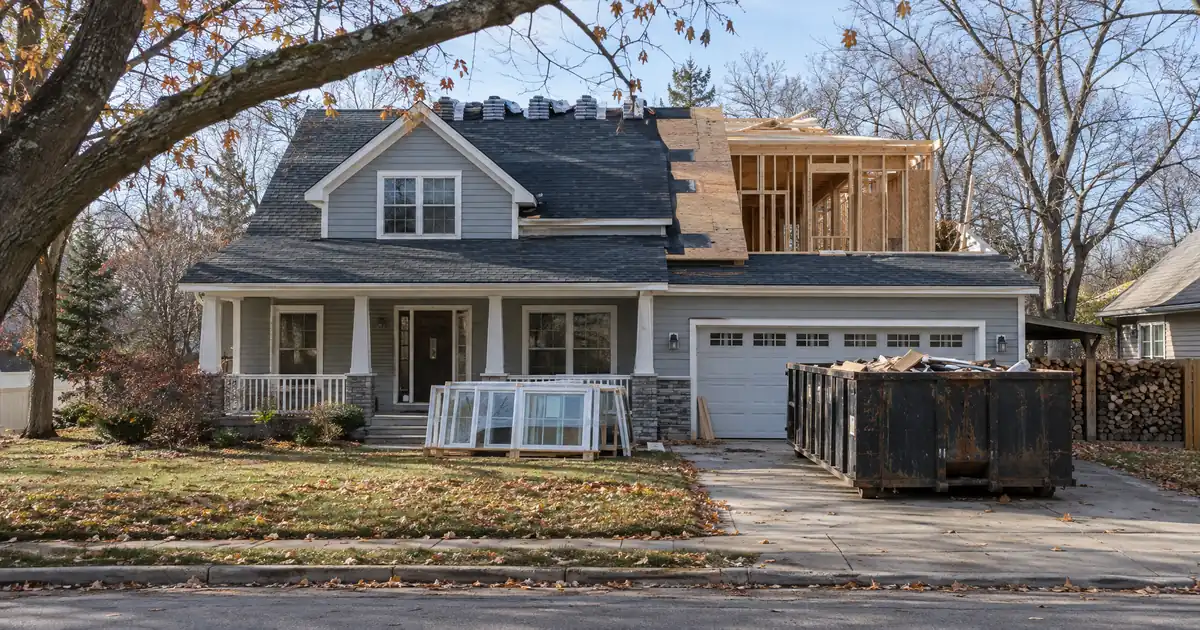
The Quick Read: The fix starts with diagnosing which test is holding the long-term file back, because the maturity date does not move when the refinance slips. Once you know whether time owned, appraised value, rent coverage, or property condition is the blocker, you can choose the lowest-cost of four exits: extend the bridge, refinance payoff-only, bring cash, or sell.
- No product converts a hard money loan into a DSCR loan. The exit is an ordinary refinance that pays off the bridge note through title.
- The weakest of four tests sets the outcome: seasoning, appraised value, rent coverage, and leverage.
- Start the long-term file well before maturity, and ask for an extension while the loan is still performing.
- Clearing 1.00 coverage is not the same as positive cash flow.
- Every month of delay adds interest, fees, and payoff growth.
Why the Two Clocks Collide
A hard money note is typically interest-only and ends in a balloon. The balloon payment structure assumes you will sell or refinance before the term ends, and failing to do so is the central risk. Refinancing risk is the chance a borrower cannot refinance maturing debt, and a stalled rehab or a slow appraisal creates exactly that.
The DSCR file runs on its own schedule. It needs a finished, rent-ready property, a lease or market rent opinion, an appraisal, and a lender who has reviewed the file. Those steps do not care that your bridge matures in six weeks. Across Lendmire’s wholesale network, the late files almost always trace to one of five causes: a late application, a low appraisal, weak rent support, an unfinished property, or a title issue.
Hard money terms in the program run 6 to 18 months and are interest-only, with the exact terms varying by lender, property, and experience. That is the runway. The question is whether the exit fits inside it.
Where Are You Right Now?
| Situation | Likely path | First move |
|---|---|---|
| Well before maturity | DSCR refinance on schedule | Read the note, start the file |
| Close to maturity | Extension plus parallel DSCR file | Ask the bridge lender now |
| Already matured | Extension or forbearance, then payoff | Request a fresh payoff statement |
| Blocked by seasoning | Extension or payoff-only | Confirm when the clock started |
| Blocked by appraisal | Bring cash or smaller loan | Review the appraisal comps |
| Blocked by rent | Smaller loan or sub-1.00 path | Test coverage on the full payment |
| Rehab unfinished | Extend the bridge first | Finish before applying |
Key Terms Defined
Balloon: the lump-sum principal due when an interest-only note reaches maturity.
Payoff statement: a written figure listing principal, accrued interest, per diem, fees, and a good-through date.
Payoff-only refinance: a new loan that repays the old one with no cash returned to you, generally treated as rate-and-term.
Cash-out refinance: a new loan that returns leftover proceeds to you after the payoff and costs.
Seasoning: the length of time you have owned the property, which is lender policy rather than a federal rule.
DSCR: the monthly rent divided by the full monthly payment (principal, interest, taxes, insurance, and any HOA dues), described by the debt service coverage ratio formula.
How Underwriting Treats the Exit
Step one is reading the note. Find the maturity date, extension terms, default terms, any exit fee or minimum-interest clause, and how per diem is charged. Then work backward from maturity. A sensible plan starts the DSCR file 90 or more days out and gathers the settlement statement, rehab receipts, and lease early. The lender runs four separate tests, and the weakest result controls the loan size.
Value. The new lender’s own appraisal sets value, not your after-repair estimate. Inside the seasoning window, many programs size on cost basis, meaning price plus documented rehab. After it, they size on appraised value. The clock typically starts at the recorded deed, not at rehab completion or lease signing. About six months of seasoning is the common expectation for a cash-out refinance across most of the network, but it is lender policy, not law.
Rent. Rent must cover the full payment. Cash-out refinances are sized as a loan-to-value on the new lender’s appraisal, and the ceiling varies by program rather than sitting at a single figure across the network. A bridge funded near its leverage cap may leave room only for a payoff-only refinance right away. Terms depend on the lender’s guidelines, the property type, the leverage, and a full review of the credit profile.
Then classify the refinance by where the money goes. The new loan pays the bridge principal, accrued interest and per diem, any extension or exit fee, and closing costs. If anything comes back to you, the file is cash-out. If nothing does, it is payoff-only.
Most programs ask for a settlement statement and note with draw history, rehab invoices, a lease or market rent schedule if the property is vacant, a payoff statement with lien release, and reserve statements. Reserves vary by lender, leverage, loan size, and transaction type, commonly around six months of PITIA. The appraiser typically uses Form 1004 for single-family, 1025 for 2-4 units, and 1007 for the rent schedule. Those are form names only; terms come from the DSCR program.
Credit matters too. A 620 floor exists in parts of the network, most programs want around 660, and 700 or higher unlocks the strongest leverage tiers.
The Four Ways to Bridge the Gap
Extend the bridge. This fits when the DSCR file is on track but a few weeks short, often because seasoning or an appraisal is pending. Extension fees and extra interest feed the payoff. Ask early, while the loan is performing, because a default posture changes the conversation and a default rate can exceed the extension cost.
Payoff-only DSCR refinance. This fits when the bridge sits near its leverage cap and the property is rent-ready. It clears the maturity but returns no cash. The tradeoff is a possible second closing later if you want to pull equity once seasoning passes. Price two sets of closing costs against the extension fee.
Bring cash to closing. This fits when a low appraisal or a leverage cap leaves a shortfall. A larger down payment lowers the monthly payment and can lift coverage, but it never erases credit floors, reserve rules, or property eligibility.
Sell. This fits when the rehab overran, rent cannot cover the payment, or the cash needed to refinance exceeds what the project is worth to you. Selling is not failure. It can be a more affordable exit when every other path adds cost faster than it adds value.
| Option | Best when | Main cost | Main risk |
|---|---|---|---|
| Extend | File is close | Fee plus interest | Stacking delays |
| Payoff-only | Near leverage cap | Possible second closing | No equity access |
| Bring cash | Appraisal gap | Capital tied up | Thin reserves |
| Sell | Numbers do not work | Transaction costs | Locking in a loss |
A second bridge loan is a stopgap some investors try beyond these four exits. It carries its own costs and rarely fixes the underlying blocker, so be wary of stacking bridges just to avoid a decision.
Running the Tracks in Parallel
Do not wait for the DSCR file to fail before asking for an extension. Run both at once. Ask the bridge lender for extension terms while the DSCR file is underway, so you have a written answer before the balloon is close. Order the payoff statement early and refresh it near closing, because it goes stale and the amount grows daily.
Consider a scenario where the bridge was funded at the top of its range and the new appraisal comes in light. The loan is capped by the lower of the value limit and the rent limit, so the gap is cash or a smaller loan. A payoff that grows each day through per diem, plus any extension fee, widens that gap with delay. Index it this way: if the payoff is 100 today, every month of extension pushes it above 100 while the appraisal stays fixed. Break-even is the appraised value at which the new loan covers the payoff and costs with nothing left over. Below that, cash to close rises one for one.
A backup lender in the network can also matter, since programs differ on seasoning, leverage, and structure. A few allow an earlier refinance inside the six-month window with limits, such as sizing on cost basis.
If the Note Has Already Matured
Do these in order.
1. Contact the bridge lender immediately and request written extension or forbearance terms.
2. Request a fresh payoff statement with a good-through date and keep it current.
3. Confirm default interest and fees in the note.
4. Submit the DSCR file with lease or rent evidence and the rehab documentation.
5. Coordinate the lien release with title so the payoff and the new loan fund together.
Foreclosure exposure after maturity depends on the note, the lender, and local law, so speak with counsel about your position.
When Not to Refinance Yet
Forcing a DSCR file can lock in a weak position. Wait when the rehab is unfinished, since a DSCR loan is a rental loan and lenders want a finished, rent-ready property. Wait when coverage lands under 1.00 and a bigger cash-out would make it worse. A 1.00 ratio is where many select programs start; a separate path through select lenders in the network takes coverage below 1.00, with leverage and terms adjusted. A smaller loan or payoff-only structure may serve you better.
Short-term rental collateral generally refinances at lower leverage, with a cash-out ceiling of 70% for those properties, below the ceiling for standard rentals, which varies by program.
Delayed financing is not the rescue. It is an agency exception built for cash buyers, and the Fannie Mae selling guide describes it around purchases with no mortgage financing. A hard money purchase usually secured the property with a loan, so the exception generally does not apply.
Prevention Before You Sign
- Pick the bridge term with the exit in mind. More runway at the start is cheaper than an extension later.
- Check prepayment terms on both loans before planning a quick second refinance.
- Line up the DSCR exit independently, since a bridge lender may stop offering long-term loans when your rehab finishes.
- Expect the permanent loan to be priced when the rehab ends, and a higher payment can shrink coverage.
- Remember coverage counts rent against PITIA only. Repairs, vacancy, management, and capex sit outside it.
Lendmire’s complete DSCR loans guide covers the long-term program side. For the underwriting inputs, see Lendmire’s piece BRRRR Takeout Inputs to Stress-Test Before Hard Money Closes, and for how long you must own before appraised value counts, see its article Seasoning Rules When You Exit Hard Money: How Long Before the Appraised Value Counts.
Frequently Asked Questions
Can a hard money lender simply convert my loan into a DSCR loan?
No product does that. The exit is a new first lien that pays off the bridge through title. The new lender sets value with its own appraisal and tests rent against the full payment.
How early should the DSCR file start?
Ninety or more days before maturity is a sensible target. That leaves room for seasoning, an appraisal, and a possible extension request without forcing decisions at the deadline.
Is a payoff-only refinance the same as rate-and-term?
Generally yes, but only if no cash comes back to you. If anything is returned after the payoff and costs, the file is cash-out and the cash-out leverage and seasoning expectations apply.
Does the seasoning clock start when the rehab finishes?
It typically starts when the deed records, not at rehab completion or lease signing. Seasoning is lender policy, so programs differ on how they treat it.
What if the property is vacant?
Underwriting generally relies on an appraiser’s market rent schedule. A signed lease is stronger evidence, so lining up a tenant before applying helps.
If you are buying, rehabbing or refinancing an investment property on a short timeline and want to see how the numbers work, Lendmire can help you compare hard money options based on the project, the exit plan, leverage, and your goals. Program details vary by lender, property, and experience, and nothing here is a commitment to lend. Tax treatment varies; consult a qualified professional.
About Lendmire
Lendmire (NMLS# 2371349) is a DSCR-focused mortgage broker that helps arrange investor financing across 41 markets, including Washington, D.C., through wholesale and investor-lending channels. DSCR eligibility is generally reviewed by the lender around the property’s rental income rather than personal income documentation, subject to lender guidelines — which works for self-employed investors, LLC operators, and portfolios above four financed properties. Scotsman Guide named Lendmire a Top Mortgage Workplace in both 2025 and 2026.
Get Started
Ready to find the right loan for you?
In about 30 seconds you can review financing options available for your investment property. No commitment required.
Informational only. Not a Loan Estimate, approval, or commitment to lend. Program availability and eligibility are subject to lender guidelines, credit approval, property review, and underwriting.
References
1. Balloon Payment — The Motley Fool
2. Debt Service Coverage Ratio — Wikipedia
3. Fannie Mae Selling Guide B2-1.3-03: Cash Out Refinance Transactions
This article is part of Lendmire’s hard money loan program — full qualification details, guidelines, and scenarios live on the program page.
Related reading: Does a Portfolio DSCR Loan Save Money Over One Loan per Rental? · One DSCR Loan vs Ten Individual Loans for Ten Houses · DSCR Portfolio Refinance vs Selling Part of Your Rentals
Brandon Miller
Founder & CEO, Mortgage Loan Originator, Lendmire LLC
- Mortgage Loan Originator · NMLS# 1129696 · Verify on NMLS Consumer Access
- North Carolina Real Estate Broker · License# 343312 · Verify on NCREC
- North Carolina Insurance Producer · License# 19053198 · Property, Casualty, Life, Health · Verify on NAIC SBS
- Lendmire LLC · Firm NMLS# 2371349 · Verify firm licensure
Disclosures. The information presented in this article is general market commentary, not financial, legal, or tax advice. Lendmire is a mortgage brokerage (NMLS# 2371349) — not a direct lender or depository institution — and loan placement is subject to lender underwriting. Nothing in this content represents a commitment to lend. Loan terms, pricing, and program availability vary based on borrower qualifications, property characteristics, and state of subject property, and are subject to change at any time. Lendmire complies with Equal Housing Opportunity requirements. Consumer access: nmlsconsumeraccess.org.