
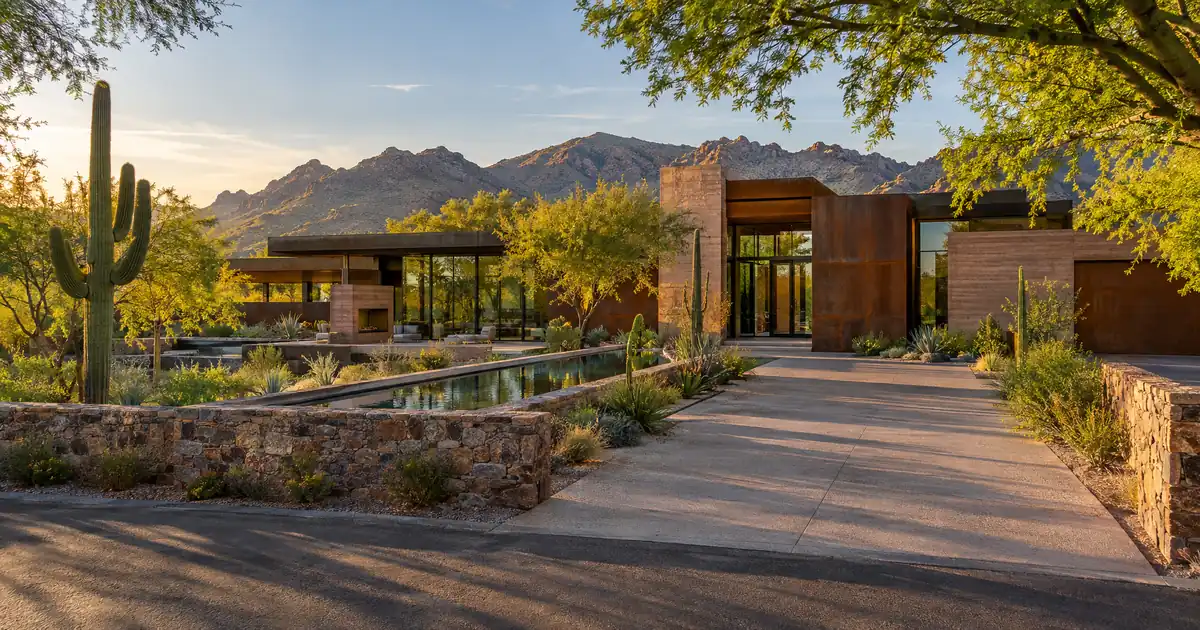
The Quick Read: Start with a policy written for paying guests, then size it to rebuild cost rather than to the purchase price or the loan balance. On a super jumbo file, the premium counts in the monthly obligation, so every added layer lowers the coverage ratio. Quote hazard, wind and flood together before you go under contract, and run the ratio on the total.
- A standard homeowners or landlord policy often excludes nightly rentals.
- Airbnb’s host protection is a platform backstop, not a replacement policy.
- Dwelling limits should track replacement cost, with ordinance-or-law coverage added.
- Liability, umbrella and flood layers each change the debt-service math.
- The named insured should match how title is held, such as an LLC, subject to program terms.
A luxury short-term rental carries more insurance risk than a typical rental, and the lender reads the policy as part of the loan file. This guide walks through what to buy, in what order, and where each choice shows up in the ratio. It is written for business-purpose investors, and every program figure below is a ceiling through select wholesale programs, subject to underwriting. Nothing here is a commitment to lend.
Short-Term Rental Calculator
Run the STR numbers in your market
Rate source: Freddie Mac 30-yr average via FRED® — Federal Reserve Bank of St. Louis · effective Oct 15, 2026
Prefilled with starting assumptions — enter your nightly rate, occupancy, taxes, and insurance for a more accurate picture.
Short-term rental income is documented with a 12-month history or a market data report. Program parameters update from Lendmire’s centralized guideline source.
As of Oct 15, 2026 · General Freddie Mac market benchmark, not a Lendmire loan offer. Nightly rate, occupancy, taxes, and insurance are editable estimates. Qualifying income for short-term rentals varies by program — some use appraisal market rent, others use documented STR history or projections — and is confirmed in underwriting. Not a Loan Estimate, approval, or commitment to lend. Program availability and eligibility are subject to lender guidelines, credit approval, property review, and underwriting.
Key Terms Defined
Replacement cost value (RCV): What it costs to rebuild with similar materials, with no deduction for age.
Actual cash value (ACV): Replacement cost minus depreciation, so a claim pays less.
Loss of rents: Coverage that replaces rental income while a covered loss keeps the property off the market.
Named insured: The person or entity the policy protects, which should match the owner on title.
Mortgagee clause: The wording that lists the lender as a loss payee on the policy.
Surplus lines (E&S): Coverage written by carriers outside a state’s standard admitted market, usually for hard-to-place risks.
Umbrella or excess liability: Extra liability limits that sit above the primary policy and pay only after it is used up.
Why Does a Standard Policy Fail on a Luxury Airbnb?
It fails because most homeowners policies treat regular nightly renting as business use. Hostfully notes that these policies often exclude or limit claims tied to short-term renting, and the usual fix is a home-sharing endorsement or a dedicated short-term-rental policy.
Platform protection does not close the gap. Airbnb’s host coverage applies only to stays booked on Airbnb. Nolo describes the liability piece as primary, at $1 million per occurrence with a $1 million cap per listing location. Direct bookings and stays through other channels are not covered, and the damage protection carries its own exclusions. Treat it as a free backstop on top of a real policy.
A quick disambiguation: this is owner-side property coverage. Guest travel insurance is a different product and does not satisfy a lender.
How Does Insurance Enter the DSCR Math?
The annual premium is divided by twelve and added to the monthly obligation. Rent does not change, so a bigger premium lowers the ratio. Flood premiums count the same way.
On a short-term-rental file, through select wholesale programs, coverage of 1.00 or higher is the typical requirement, and income is set at 80% of gross, based on twelve months of operating history on a refinance or the appraisal’s short-term-rent analysis on a purchase. That discount leaves little room. A thin-margin luxury rental can slip under the line on insurance alone.
Picture an investor whose property clears roughly 1.15x before insurance is finalized. Adding wind and excess flood layers can pull that toward 1.05x, still workable. Adding an umbrella and a larger dwelling limit on top could push it under 1.00x. That is the shape of the trade-off, not a quote.
If a file lands below 1.00x, coverage from 0.75 to 0.99 is a real path through select programs to $2,000,000 at reduced leverage. LTV and terms adjust, subject to underwriting. Short-term-rental files are not on the no-ratio path.
Step-by-Step: How to Shop Insurance for a Luxury Airbnb
Step 1: Pick the policy form. Choose a dedicated short-term-rental policy or a landlord form with a short-term-rental endorsement. A personal homeowners policy is the wrong form. Name the entity that holds title as the insured, subject to lender program eligibility.
Step 2: Set the dwelling limit on replacement cost. The purchase price includes land, and the loan balance reflects leverage, so neither tells you what a rebuild costs. NAIC explains that actual cash value deducts depreciation while replacement cost does not. Custom cabinetry, imported stone, elevators and integrated technology can widen the gap between a standard limit and real rebuild cost. Ask for an extended replacement cushion, which varies by carrier.
Step 3: Add ordinance-or-law coverage. Replacement-cost coverage generally does not pay for code upgrades. An ordinance-or-law endorsement does.
Step 4: Check coinsurance and roof schedules. Some policies require you to insure to a percentage of value. Falling short can reduce even partial-loss payments. Roof claims may settle on an age schedule.
Step 5: Build the liability tower. Start with primary short-term-rental liability. Then add umbrella or excess liability, which pays only after the underlying limit is exhausted. One trap matters here: a personal umbrella follows the base form. Proper Insurance points out that if the base policy excludes short-term renting, the umbrella excludes it too. That vendor also argues a $1 million general liability limit is often enough for most owners, with higher limits tied to asset value and risk tolerance. Treat that as one carrier’s view.
Step 6: Layer flood. The federal flood program caps single-family building coverage at $250,000 and contents at $100,000, per the FEMA coverage summary. On a luxury home that leaves a large gap. ValuePenguin explains that excess flood sits above the federal policy with no legal maximum, so each company sets its own. Check the required underlying coverage, attachment point and deductibles, because the excess form may not mirror the primary.
Step 7: Compare admitted and surplus-lines carriers. Luxury, coastal, wildfire and prior-loss risks often land in the surplus-lines market. Bankrate explains that these policies are placed through surplus-lines brokers and carriers on eligible lists. Forms and exclusions vary widely, and non-admitted carriers generally lack state guaranty-fund backing, so financial strength matters. Whether a given program accepts a non-admitted carrier is a program question to settle before binding.
Step 8: Run the ratio on the total. Quote hazard, wind and flood before contract, then compute coverage with all three in the monthly obligation.
Step 9: Assemble the closing documents. Typically that means the declarations page, a short-term-rental use endorsement or note, loss-of-rents coverage and a binder. The usual errors are in the mortgagee clause, the entity name and the limits.
Quote-Comparison Scorecard
| Item to compare | What to look for | Why it matters |
|---|---|---|
| Dwelling basis | Replacement cost, ERC cushion | Avoids depreciation shortfall |
| Short-term-rental use | Written in the form, not implied | Prevents claim denial |
| Loss of rents | Wait and indemnity period | Protects income |
| Liability limits | Primary plus excess | Sizes exposure |
| Amenity exclusions | Pool, hot tub, watercraft | Common hidden carve-outs |
| Named insured | Matches title or LLC | Avoids lender conditions |
| Flood and wind | Percentage deductibles, layers | Moves the ratio |
Special Exposures on Luxury Properties
Pools, hot tubs and waterfront. These raise liability exposure, and umbrella carriers often list pool accidents and waterfront as examples. Ask whether any amenity is excluded outright.
Contents and art. High-value furnishings and art may need scheduling. Many investors remove irreplaceable items from the rental altogether.
Coastal and wildfire deductibles. Many coastal policies use percentage-of-limit deductibles for wind. On a very large limit, that percentage can become a very large number, so confirm it is acceptable before binding.
Local rules. Short-term rental rules can vary by city, county, HOA, and property type, so investors should confirm local rules before relying on projected rental income. Municipal permission must be documented for the specific property.
DSCR vs. conventional financing
There are two common ways to finance an investment property, and they qualify you differently — here’s how investors weigh them.
Why investors choose it
- Qualifies on the property’s rental income — no personal tax returns, W-2s, or pay stubs needed to document income.
- No personal debt-to-income ceiling to clear, so existing mortgages and obligations don’t cap your borrowing the same way.
- Can be closed in an LLC, keeping the property inside a business entity.
- Built for scaling — not held to the limit on number of financed properties that conventional financing applies.
- Underwriting centers on the deal: generally qualifies when the rent covers the payment, a 1.00x coverage ratio being a common baseline (confirmed in underwriting).
- Designed specifically for investment property, including long-term and, where the program allows, short-term rentals.
Where it’s strong
- Often the lowest ongoing financing cost for a buyer who fully qualifies on personal income — a fit for a first property or a cost-first purchase.
Trade-offs for investors
- Requires full personal income documentation and must fit within a debt-to-income limit — salary, existing debts, and other mortgages all count.
- Typically held in your personal name rather than a business entity.
- Caps how many financed properties you can carry, which can become a ceiling as a portfolio grows.
- Evaluates you as a borrower as much as the property, which usually means more paperwork.
How investors usually choose: a first or single property often optimizes for the lowest financing cost; portfolio builders often optimize for leverage, vesting in an LLC, and scaling past conventional caps. The right answer depends on your goals, the property, and current guidelines — both paths run through select lenders in Lendmire’s wholesale network, with eligibility and terms confirmed in underwriting.
What Lenders Look For Across the Network
Across the wholesale network, the pattern is consistent. Most programs want a policy that covers the dwelling, guest liability and lost rental income, with the entity and mortgagee wording matching the file. The strictest overlays above $3,000,000 add tighter credit, with 700 required, and two appraisals once a loan passes $2,000,000.
Leverage steps down as the loan grows, so the insurance conversation connects to the size ladder:
| Loan amount band | Purchase / rate-term LTV | Cash-out LTV |
|---|---|---|
| $150K–$1M | 80% | 75% |
| $1M–$1.5M | 75% | 70% |
| $1.5M–$2M | 75% | 60% |
| $2M–$3M | 75% | 60% |
| $3M–$4M | 65% | — |
| $4M–$6M | 60% on review | — |
| $6M–$10M | 60% on review | — |
Those are ceilings through select wholesale programs, subject to underwriting, at coverage of 1.00 or higher. Above $4,000,000, every request is reviewed case by case before submission. Short-term-rental loans stop at $2,000,000. The cash-out figures shown are for standard rentals, and short-term-rental collateral follows its own program terms. Reserves typically run six months on the subject property.
The bands apply to the loan, not the purchase price. Compute price times leverage first, then read the band for that loan. For the full picture, see the complete DSCR loans guide.
Over-Insuring Versus Under-Insuring
This is a real trade-off, not a puzzle with one answer. Heavy layers lower coverage and can cost leverage or eligibility. Thin layers expose a very large balance to a single bad event. A $2 million home carrying only the federal flood limit leaves most of the building uninsured, as one broker illustration shows.
The practical middle: insure the dwelling to replacement cost, hold a primary liability limit that matches the carrier’s requirements, and add excess layers in proportion to asset value. Then check whether the ratio still clears. If it only clears with thin coverage, the property may be priced too tightly for the leverage you want, and a lower-leverage cell or a different property is the honest answer. The flip point arrives when insurance alone moves the file below 1.00x.
Investors weighing how short-term-rental income is counted can read Lendmire’s piece on how super jumbo DSCR short-term-rental income rules work.
Common Mistakes That Delay Closing
- Binding a homeowners form with no short-term-rental use.
- Naming the individual when the LLC holds title.
- Insuring to purchase price rather than rebuild cost.
- Skipping ordinance-or-law coverage.
- Waiting to quote flood until after contract.
- Relying on an umbrella that follows an excluding base policy.
- Choosing a wind deductible the program has not approved.
- Treating platform host protection as the primary policy.
Questions to Ask Your Insurance Broker
- Is short-term renting written into the form, or only tolerated?
- What is the wind and hurricane deductible, as a percentage of what?
- Does excess flood require a specific underlying policy?
- Is the carrier admitted or surplus lines, and how is it rated?
- Does the umbrella exclude short-term renting?
- What are the loss-of-rents waiting and indemnity periods?
Frequently Asked Questions
Does Airbnb’s host protection replace my own policy?
No. It applies only to Airbnb-booked stays, carries exclusions, and does not cover direct or other-channel bookings. Use it as a backstop above a dedicated short-term-rental policy.
Can I add a short-term-rental endorsement to a homeowners policy instead of buying a standalone policy?
Sometimes. An endorsement or a landlord form with short-term-rental language can work, but limits and exclusions vary by carrier. Compare the endorsement against a standalone policy on liability limits and loss of rents, and confirm the file’s requirements.
Will a premium increase at renewal hurt my loan?
It will not change the loan, but it lowers your coverage ratio going forward. Plan for it by keeping cushion above 1.00x at origination, especially in coastal or high-risk areas where premiums move more.
Can an LLC be the named insured?
Generally yes, and it should match how title is held, subject to lender program eligibility. A mismatch between the policy and the title is a common source of underwriting conditions.
Does a bigger loan change what the lender wants in coverage?
The coverage itself is the same in kind, but larger balances draw tighter scrutiny on limits, flood layering and deductibles, and above $4,000,000 each request is reviewed case by case.
Next Step
If you are buying or refinancing a high-balance rental property and want to see how the numbers work, Lendmire can help you compare super jumbo DSCR loan options based on the property income, the loan balance, credit profile, leverage, and investor goals. Reach the team at 828-256-2183 or request a quote. Tax treatment varies by how the property is held and used; consult a qualified professional.
For current guidelines and terms, see Lendmire’s super jumbo DSCR loan programs page.
Lendmire’s self-employed mortgages page presents both super jumbo programs, bank statement and DSCR, side by side.
About Lendmire
Lendmire (NMLS# 2371349) is a mortgage brokerage focused on DSCR investor financing, helping arrange programs through wholesale and investor-lending channels in 41 markets, including Washington, D.C. DSCR loans are evaluated by the lender on property cash flow rather than personal income, subject to lender guidelines, supporting LLC closings and accommodating investors with four or more financed properties. Scotsman Guide Top Mortgage Workplace in both 2025 and 2026.
Get Started
Ready to find the right loan for you?
In about 30 seconds you can review financing options available for your investment property. No commitment required.
Informational only. Not a Loan Estimate, approval, or commitment to lend. Program availability and eligibility are subject to lender guidelines, credit approval, property review, and underwriting.
References
1. Hostfully: Airbnb insurance
2. Nolo: Insurance questions when renting out your home short term
3. NAIC: Actual cash value vs. replacement cost
4. Proper Insurance: Umbrella policies and STRs
5. FEMA NFIP Summary of Coverage
6. ValuePenguin: Excess flood insurance
7. Bankrate: Surplus lines home coverage
8. Allen Thomas Group: High-value flood coverage
This article is part of Lendmire’s super jumbo DSCR loan program — full qualification details, guidelines, and scenarios live on the program page.
Related reading: Can Luxury Rentals in Two States Share One Super Jumbo DSCR Loan? · How to Structure a Super Jumbo DSCR Loan for 20+ Properties · How to Package Rentals in Five States Into One Super Jumbo DSCR Loan
Brandon Miller
Founder & CEO, Mortgage Loan Originator, Lendmire LLC
- Mortgage Loan Originator · NMLS# 1129696 · Verify on NMLS Consumer Access
- North Carolina Real Estate Broker · License# 343312 · Verify on NCREC
- North Carolina Insurance Producer · License# 19053198 · Property, Casualty, Life, Health · Verify on NAIC SBS
- Lendmire LLC · Firm NMLS# 2371349 · Verify firm licensure
Disclosure information. Lendmire is a state-licensed mortgage brokerage under NMLS# 2371349. Lendmire is not a depository institution, direct lender, or financial advisor — all loans referenced are placed through wholesale lender partners and are subject to each lender's underwriting standards. This article is provided for general informational purposes and is not a commitment to lend, nor does it constitute financial, legal, or tax advice. Loan programs, terms, rates, and qualification standards change without notice and depend on borrower profile, property type, and the state in which the subject property is located. Equal Housing Opportunity provider. NMLS Consumer Access: nmlsconsumeraccess.org.