
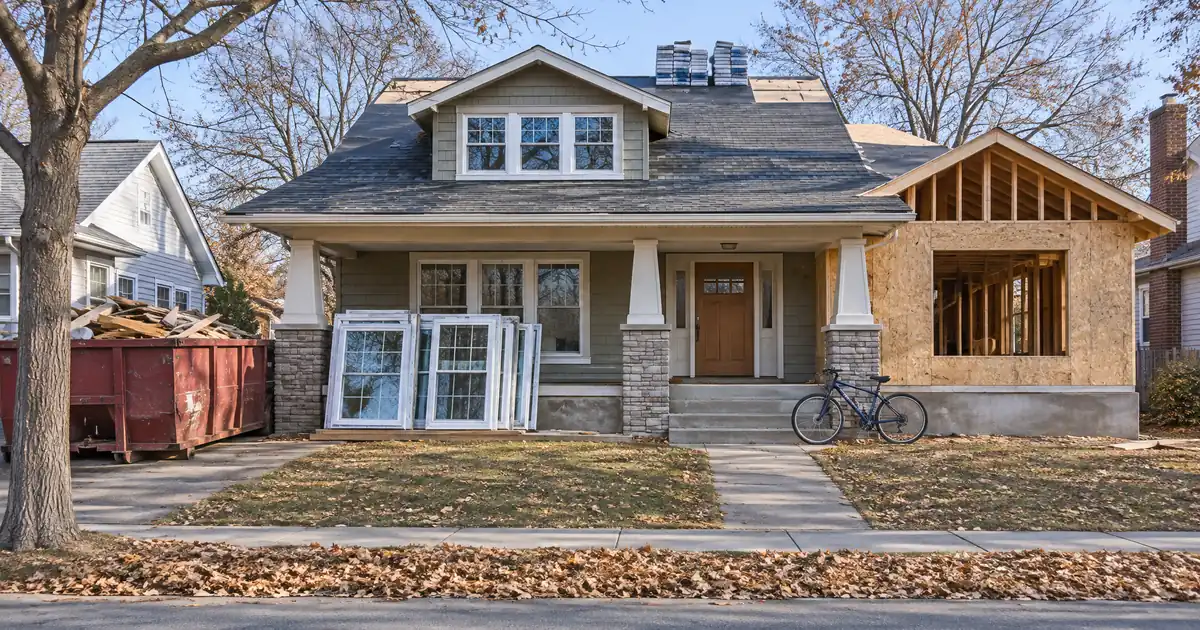
At a Glance: Right after a rehab, a long-term rental loan usually fits better, because it counts a lease or appraiser’s market rent and needs no booking history, while a short-term rental cash-out refinance typically expects about 12 months of hosting history and lower leverage, subject to lender guidelines.
- A new rehab has no hosting history, and short-term rental programs typically expect about 12 months of it.
- Short-term rental cash-out typically tops out around 70% LTV, while cash-out on a standard rental tops out around 75% across most of the network.
- Seasoning generally runs from the day the deed is recorded, not the day the rehab ends, and inside that window loans are typically sized on cost basis.
- A payoff-only refinance can retire the bridge loan if no cash is coming back, though a second closing is needed if you want cash out later.
- Clearing 1.00 coverage does not mean positive cash flow, since DSCR measures rent against PITIA only.
The Quick Read: The deciding factor right after a rehab is which income a lender will count and how much history it needs, not the renovation itself. A short-term rental (STR) cash-out refinance suits an investor with a documented booking record who accepts lower leverage. A long-term rental loan suits a freshly finished property with a lease or an appraiser’s market rent and no booking history.
- Many investors refinance into a long-term rental loan first and revisit the STR route once bookings exist.
- Seasoning, the waiting period since you bought the property, is the other timing test to plan around.
- Long-term rental purchases typically land at 75%-80% LTV, while STR purchases go up to 75% on the strongest files.
- Coverage of 1.00 is a minimum ratio test and is not the same as positive cash flow.
DSCR Cash-Out Calculator
Run the cash-out numbers in your market
Rate source: Freddie Mac 30-yr average via FRED® — Federal Reserve Bank of St. Louis · effective Nov 5, 2026
Prefilled with starting assumptions — enter your property’s value, balance, taxes, and insurance for a more accurate picture.
Program parameters update from Lendmire’s centralized guideline source. Taxes and insurance are editable estimates.
As of Nov 5, 2026 · General Freddie Mac market benchmark, not a Lendmire loan offer. Property value, balance, taxes, and insurance are editable estimates. Maximum loan-to-value varies by lender, program, property type, and seasoning. Not a Loan Estimate, approval, or commitment to lend. Program availability and eligibility are subject to lender guidelines, credit approval, property review, and underwriting.
Think of this as a referee’s call, not a pitch. Both loans are DSCR loans, meaning they are sized on whether the property’s income covers its monthly obligation. The difference is the income they count. Lendmire is a broker that arranges both through select lenders in its wholesale network. Program details below are typical ranges, subject to lender guidelines and not a commitment to lend. The complete DSCR loans guide covers the shared basics.
Side-by-Side
The table shows typical ranges from the network’s guidelines. Individual lenders vary, and every file is underwritten on its own facts.
| Factor | STR Cash-Out Refinance | Long-Term Rental Loan |
|---|---|---|
| Income counted | Booking records or a projection | Lease or appraiser market rent |
| History expected | About 12 months of hosting | None beyond a lease or rent schedule |
| Cash-out leverage | Up to about 70% LTV | Up to about 75% LTV |
| Credit score | 640 minimum | 620 floor in parts, about 660 typical |
| Coverage floor | 1.00 on refinances | 1.00 where select programs start |
| Seasoning | Deed clock plus hosting clock | Deed clock, about 6 months for cash-out |
| Reserves | Vary by lender and size | Vary, commonly about 6 months |
| Property types | Manufactured, log, barndominium not offered | Same exclusions |
Two notes on that table. First, a long-term rental purchase typically lands at 75%-80% LTV, while STR purchases go to 75%. Second, the 1.00 floor is where many select programs start. A separate select-lender path takes coverage below 1.00, with leverage and terms adjusted.
Key Terms Defined
DSCR (debt service coverage ratio): Monthly rent divided by the full monthly obligation. A result of 1.00 means rent equals the obligation.
PITIA: Principal, interest, taxes, insurance, and any association dues. This is the obligation that rent is measured against.
Seasoning: The waiting period a lender wants after you acquire a property before it sizes a loan on appraised value. It is lender policy, not law.
Cost basis: What you paid for the property plus documented rehab spending. Inside the seasoning window, loans are typically sized on this figure.
Payoff-only refinance: A refinance that retires the bridge loan without handing you extra cash. A bridge loan is short-term financing used to buy and renovate.
Cash-out refinance: A refinance that pays off the existing loan and returns the leftover equity to you.
Hosting history: Real bookings and payouts from a short-term rental, as opposed to a forecast.
What Changes Right After a Rehab
The rehab changes the property, but it does not change the paperwork clock. Seasoning generally starts when the deed is recorded in your name. Finishing the work, signing a lease, or listing the unit does not restart or shorten it.
That matters because of how lenders size the loan. Inside the seasoning window, the amount is typically tied to cost basis, meaning price plus documented rehab. After the window, the appraised value can drive it. Keep your rehab receipts, the settlement statement, and the bridge payoff letter together, because cost-based sizing depends on them.
Two tests then run side by side. One is equity: how much the leverage cap allows against value or cost. The other is coverage: whether rent covers PITIA. The lower of the two limits sets the loan, so rent can cap your proceeds before equity does. A larger down payment can lift coverage, but it never erases leverage caps, credit floors, reserve rules, or property eligibility.
There is also a choice many investors overlook. If no cash is coming back, a payoff-only refinance can retire the bridge. The cash-out leverage cap and seasoning expectation do not apply the same way. The cost is a second closing if you want cash out later.
When the Short-Term Rental Cash-Out Refinance Is the Better Fit
This route fits an investor whose property already has a booking record and who wants to underwrite on that income. On short-term-rental collateral, cash-out typically tops out around 70% LTV, with a 640 minimum score. Lenders usually expect about 12 months of hosting history.
Coverage floors differ by transaction. Across the network, STR purchases generally need 1.10, while refinances start at 1.00. These are separate figures for separate transactions, not one blended floor.
The strongest case looks like this:
- The property has operated as an STR for about a year, with platform or bank records to prove it.
- The booking income clears coverage by a wide margin, even after the lender’s expense adjustment.
- You accept the lower leverage cap in exchange for being underwritten on higher income.
- Local rules permit short-term rental use.
Income evidence usually comes in three forms. The first is trailing 12-month platform or bank records. The second is a third-party projection from a data service. AirDNA’s BRRRR explainer notes that the strategy can work for vacation rentals and that requirements differ by lender, so discuss your rental strategy upfront. The third is an appraiser’s STR income analysis.
A fresh rehab usually cannot meet this test on day one. Without hosting history, the STR cash-out route typically waits until bookings accumulate. The bridge loan has to survive that wait, so the carrying period belongs in your plan before the bridge closes.
When the Long-Term Rental Loan Is the Better Fit
This route fits a property that is finished, vacant or newly leased, and has no booking history. It is also the stronger choice when STR use is unclear or restricted. The income basis is a signed lease or the appraiser’s market rent. A single-family property uses a rent schedule from Form 1007, and a two-to-four-unit property uses Form 1025.
Leverage runs higher. Cash-out on a standard rental tops out around 75% LTV across most of the network, with about six months of seasoning as the common expectation. Credit expectations are typically lighter: a 620 floor exists in parts of the network, most programs want around 660, and 700+ unlocks the strongest tiers. Loan sizes on standard programs run up to $3,000,000, and above $2,500,000 the network generally holds to 30-year fixed structures. Extended terms, interest-only periods, and ARMs are available through select lenders.
Coverage works the same way on this side. Divide rent by PITIA and compare the result with the floor. A 1.00 floor is where many select programs start. Stronger ratios generally open better leverage and terms.
Reserves vary by lender, leverage, loan size, and transaction type. About six months of PITIA is common. Conservative rate-term files at modest leverage under $1,500,000 can see reserves waived. Loans above that size typically step up to around nine months.
The long-term route also works as a first step. A property with no booking record often refinances into a long-term loan, either payoff-only or with cash out after seasoning. You get to recycle capital sooner and let the STR record build afterward. You give up the income upside of underwriting on bookings, and you take on a second refinance if you later want STR terms.
LLC vesting is available on both products, subject to lender program eligibility. Properties such as manufactured homes, log homes, and barndominiums are not offered on either side.
Why the Appraisal Does Not Settle the Income Question
The appraisal forms DSCR files use are borrowed from the agency world, and that creates confusion. Only the form names carry over. Agency selling rules do not govern DSCR loans.
A Fannie Mae appraiser update says Form 1007 requires comparables leased on a monthly basis. It also says the form cannot be used to estimate a nightly fee for a short-term rental.
McKissock, an appraiser education provider, explains that Form 1007 values real property, and that assessing business income is outside an appraiser’s scope. The lender decides which income counts.
HousingWire argues that STRs behave like operating businesses. It says Form 1007 was designed only to estimate long-term monthly market rent. Class Valuation, an appraisal management firm, says narrative STR income analyses are more defensible and that misusing legacy forms can distort DSCR calculations.
The practical lesson is simple. Nightly rate times thirty is not market rent, and a rent schedule is not proof of booking income. Which method a lender accepts can swing your ratio.
A Hypothetical Walk-Through
Run through this with modeled assumptions, not market data. Picture an investor who finishes a rehab on a single-family house after buying it with a bridge loan. The appraiser’s market rent supports coverage around 1.15x on a long-term loan. A third-party STR projection suggests coverage closer to 1.4x, but the house has never taken a booking.
Under typical network guidelines, the STR path stalls. There is no hosting history, and leverage would be capped near 70% LTV anyway. The long-term path works on the lease or market rent. If cash is coming back, the investor waits out the seasoning window. Inside it, the loan is sized on cost basis. Otherwise, a payoff-only refinance can retire the bridge. Final terms depend on lender guidelines, property type, leverage, and the borrower’s complete credit picture.
Now move forward a year. The property has booking records, and trailing income clears coverage comfortably. A refinance into an STR cash-out becomes realistic, at lower leverage but on higher underwritten income. Whether that trade makes sense depends on how much extra proceeds the income lift buys against the 70% versus 75% cap difference.
One caution applies either way. DSCR compares rent to PITIA only. Repairs, vacancy, management, utilities, and capital expenses sit outside the ratio, so clearing 1.00 does not mean the property produces positive cash flow. STR operators should be especially careful, since cleaning, furnishing, and vacancy can shrink real margins well below what coverage suggests.
Mistakes to Avoid After a Rehab
- Starting the seasoning clock in your head at rehab completion. It runs from deed recording.
- Treating a rent schedule as STR proof. Appraisal forms do not verify booking income.
- Assuming a strong coverage ratio waives seasoning. Coverage and seasoning are separate tests.
- Assuming a lender that waives seasoning will size on value. Some lenders advertise flexibility, but requirements differ by lender, and AirDNA notes the strategy can work for vacation rentals. Confirm which value basis applies.
- Skipping the bridge exit plan. The bridge term has to cover rehab, lease-up or hosting, seasoning, the appraisal, and underwriting.
- Assuming a bigger STR projection means a bigger loan. The STR leverage cap is lower, expense adjustments apply, and history is required.
A short document checklist helps either route: the recorded deed, settlement statement, rehab receipts, bridge payoff, appraisal with rent schedule, the lease if one exists, and platform or bank records for any STR history.
The Verdict
You trade lower leverage for underwriting on higher income. Pick the long-term rental loan when the rehab just finished, the house has a lease or an appraiser’s market rent, and you want higher leverage and a simpler document file.
The toss-up case is a finished house with strong STR potential and no history. The long-term loan can be the stepping stone, with the STR refinance revisited once bookings exist. The stronger play depends on how long you can carry the bridge and whether you need the cash now. Whichever way you lean, plan the exit before the bridge closes.
Frequently Asked Questions
Can I refinance right after finishing a rehab?
Often yes, but the structure changes. Inside the seasoning window, loans are typically sized on cost basis rather than appraised value. A payoff-only refinance can retire the bridge, while cash-out generally expects about six months of seasoning from the recorded deed. Individual lenders vary.
Does the short-term rental path require booking history?
Typically, yes. STR programs usually expect about 12 months of hosting history. Without it, many files fall back to the appraiser’s long-term market rent. Some lenders accept projections, but that is lender-specific.
Can one loan serve both strategies?
Not usually. The two products underwrite different income and carry different leverage caps. Many investors start with the long-term loan and revisit STR financing once a booking record exists.
Does a high DSCR mean the property is cash-flow positive?
No. DSCR measures rent against PITIA only. Repairs, vacancy, management, utilities, and capital spending are outside the calculation, so positive cash flow needs its own analysis.
What about LLC ownership?
LLC vesting is generally available on DSCR loans in the network, depending on program guidelines. Confirm the entity structure before the bridge loan closes so the deed matches the refinance borrower.
Next Step
If you are buying or refinancing a rental property and want to see how the numbers work, Lendmire can help you compare DSCR loan options based on the property income, credit profile, leverage, and investor goals. Lendmire arranges these loans through select lenders across a wholesale network covering 41 markets, including Washington, D.C.
For how equity extraction works on an investment property, see Lendmire’s guide to cash-out refinance on an investment property.
About Lendmire
Lendmire is a non-QM mortgage brokerage (NMLS# 2371349) arranging DSCR investor loans in 41 markets, including Washington, D.C. DSCR eligibility is generally reviewed around property-level rental income rather than personal income, subject to lender and program guidelines, a fit for self-employed investors and LLC-owned portfolios. Lendmire was recognized as a Scotsman Guide Top Mortgage Workplace in 2025 and 2026.
Get Started
Ready to find the right loan for you?
See your offer in seconds. No credit pull, no obligation.
Informational only. Not a Loan Estimate, approval, or commitment to lend. Program availability and eligibility are subject to lender guidelines, credit approval, property review, and underwriting.
References
2. Fannie Mae Appraiser Update
3. McKissock
4. HousingWire: Short-Term Rentals Are Breaking the Appraisal Playbook
5. Class Valuation: Why Short-Term Rentals Require a New Approach to Appraisal Risk
This article is part of Lendmire’s investment property cash-out refinance program — full qualification details, guidelines, and scenarios live on the program page.
Related reading: Can a Furnished Mid-Term Rental Qualify for a Short-Term Rental Cash-Out? · Short-Term Rental Cash-Out Refinance vs Long-Term Rental Loan Without an Escrow Account · Can a DSCR Cash-Out Refinance Remove an Ex From the Rental’s Loan?
Brandon Miller
Founder & CEO, Mortgage Loan Originator, Lendmire LLC
- Mortgage Loan Originator · NMLS# 1129696 · Verify on NMLS Consumer Access
- North Carolina Real Estate Broker · License# 343312 · Verify on NCREC
- North Carolina Insurance Producer · License# 19053198 · Property, Casualty, Life, Health · Verify on NAIC SBS
- Lendmire LLC · Firm NMLS# 2371349 · Verify firm licensure
Compliance and disclosures. Lendmire (NMLS# 2371349) is a licensed mortgage broker and is not a direct lender, depository institution, financial advisor, or tax professional. Content in this article is general market analysis and educational information — not financial, legal, or tax advice for any specific situation. Lendmire does not guarantee loan approval; every transaction is subject to underwriting by the funding lender. Mortgage pricing and loan program guidelines are subject to change at any time without notice and vary by borrower characteristics, property type, and state regulations. Lendmire complies with Equal Housing Opportunity. Licensure verification: NMLS Consumer Access.