
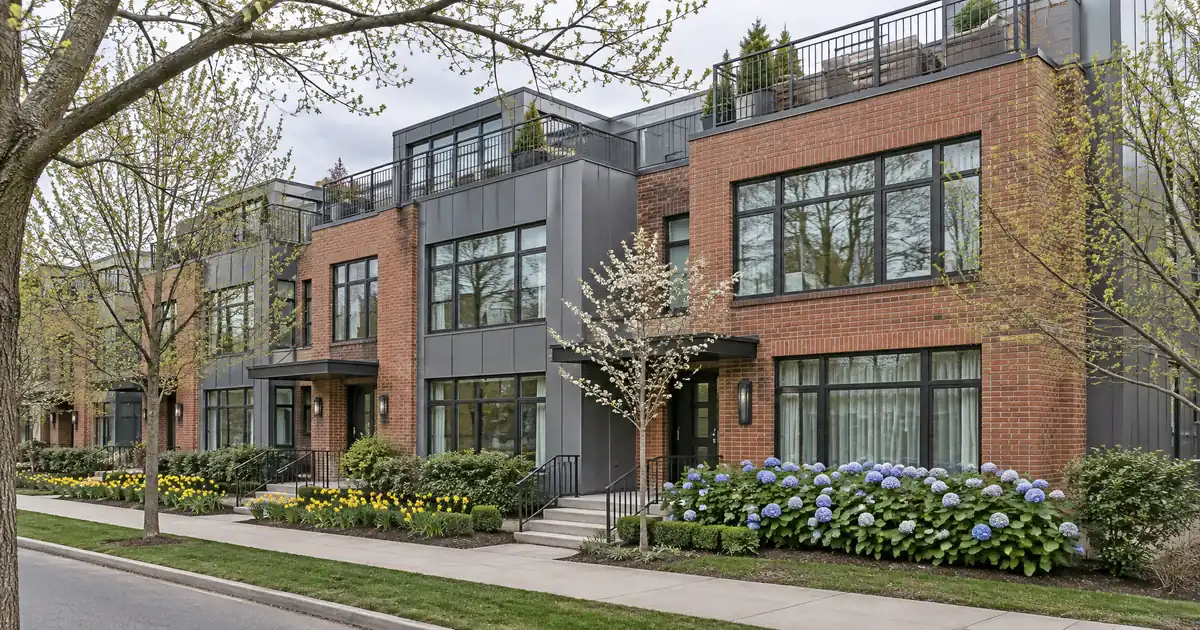
The Quick Read: A condotel cash-out refinance is a two-test file: the lender must accept the building, and the unit’s documented short-term income, net of the operator’s split, must cover the full payment. Both tests have to pass before equity is available. Program details are subject to lender guidelines and are not a commitment to lend.
- Cash-out on short-term-rental collateral generally tops out around 70% LTV across the wholesale network.
- Expect a 640 minimum score and about 12 months of hosting history.
- Coverage starts at 1.00 on a refinance, measured against the full payment including association dues.
- The building review comes first and can end the file before income is ever discussed.
- Cash-out proceeds generally do not count toward reserves.
What Is a Condotel, and Why Does It Change the File?
A condotel is a condo unit inside a building run like a hotel. Owners hold title to individual units. A hotel operator, a front desk, or a rental program handles bookings. Many owners rent through Airbnb or a similar platform on their own, and others are placed in a pool run by the operator.
DSCR Cash-Out Calculator
Run the cash-out numbers in your market
Rate source: Freddie Mac 30-yr average via FRED® — Federal Reserve Bank of St. Louis · effective Nov 5, 2026
Prefilled with starting assumptions — enter your property’s value, balance, taxes, and insurance for a more accurate picture.
Program parameters update from Lendmire’s centralized guideline source. Taxes and insurance are editable estimates.
As of Nov 5, 2026 · General Freddie Mac market benchmark, not a Lendmire loan offer. Property value, balance, taxes, and insurance are editable estimates. Maximum loan-to-value varies by lender, program, property type, and seasoning. Not a Loan Estimate, approval, or commitment to lend. Program availability and eligibility are subject to lender guidelines, credit approval, property review, and underwriting.
That structure changes the loan. On a standard rental, the lender looks at one unit and one lease. On a condotel, the lender looks at the whole building first. Hotel-style operation, transient use, and commercial space all affect whether a lender will touch the project at all.
The practical result is a smaller pool of lenders. The complete DSCR loans guide covers the baseline product. This article covers what changes when the collateral is a condotel.
Why Agency Financing Is Closed to These Units
Agency-backed loans are a brief contrast here, not the path. Fannie Mae’s Ineligible Projects page lists projects that are primarily transient in nature, projects run by a hotel or resort management company that also facilitates short-term rentals, and projects advertising daily rental rates. The Condo Status Finder says plainly that projects operating as a hotel or managing short-term rentals cannot be financed, even when units are individually owned.
Once a building fails that screen, financing moves to non-agency lenders. A lender commenting on BiggerPockets explains that a non-warrantable condo falls to portfolio loans. DSCR programs are one of those non-agency paths.
The same logic cuts a second way. A buyer on another BiggerPockets thread found out after pre-approval that the loan could not be used on a condotel. The lesson carries to refinancing: confirm the building is acceptable before assuming equity is reachable.
How Underwriting Treats the File, Step by Step
The review runs in a fixed order. Each step can stop the file.
1. Building screen. The lender asks whether it accepts the project at all. It reviews the condo questionnaire, the hotel or operator agreements, whether rental participation is mandatory or voluntary, master insurance, litigation, commercial space, and how many units one investor owns.
2. Income documentation. On a refinance, an existing Airbnb is supported by history, not a projection. That means platform statements or operator statements. STR programs in the network typically expect about 12 months of hosting experience. A market-data projection is generally a purchase tool or a fallback for thin history.
3. Net, not gross. In a condotel, the owner’s income is what remains after the operator’s split, fees, and dues. Lenders review what reaches the owner. Gross booking totals can look strong while the owner’s share falls well short.
4. The coverage calculation. Qualifying income is divided by PITIA: principal, interest, taxes, insurance, and association dues. On a short-term-rental refinance, 1.00 is where the select programs start. Higher ratios open stronger pricing and leverage.
5. Valuation. The appraisal needs condotel comparables and has to support the unit’s features and use. Resort towers with few recent sales can produce thin comp sets. A well-documented appraisal reconsideration packet, with recent in-building sales and condition notes, is the usual remedy when value comes in light.
6. Cash-out limits. The existing loan is paid first. Leverage is capped around 70% LTV on short-term-rental collateral. Loan size on standard programs runs up to $3,000,000. About 6 months of seasoning is the common expectation on a recent purchase. These specifics are subject to lender guidelines and a full review of property, leverage, and credit.
7. Entity and legality documents. Entity paperwork, rental-program agreements, and proof that short-term rental is permitted at the property complete the package. Short-term rental rules can vary by city, county, HOA, and property type, so investors should confirm local rules before relying on projected rental income.
What Actually Decides the Outcome
Five items decide the file, roughly in this order: whether the building is acceptable, whether net income covers the payment, whether the leverage and loan-size caps leave room for cash-out, whether credit, reserves, and seasoning clear, and whether short-term rental is legally allowed.
The first one is the quiet killer. An investor can have plenty of equity, a clean score, and strong bookings, and still be stopped by the building. The second is the one most owners misjudge, because gross revenue is what shows on the Airbnb dashboard, while the lender counts what the owner actually receives.
Worked Example: Coverage and Equity, Both Tests
Run the numbers on a condotel unit modeled with percentages only.
Say the existing mortgage balance equals 50% of the appraised value. At a 70% LTV cap on short-term-rental cash-out, the maximum new loan is 70% of value. That leaves roughly 20% of value as the gross equity pull, before payoff costs, closing costs, and any lender-required cash-in-hand. Net proceeds land below that figure. Terms depend on the lender’s guidelines, the property type, the leverage, and a full review of the credit profile.
Now run coverage. Assume the platform statements show gross bookings that would cover PITIA at about 1.25x. If the operator’s split cuts the owner’s share by roughly half, the number drops to about 0.63x. Splits vary by project, so treat that as a modeled assumption, not a market statistic.
At 0.63x, the file does not clear the 1.00 floor that select STR programs start from. Options a lender could review include a separate select-lender path that takes coverage below 1.00 with leverage and terms adjusted, a smaller loan amount, or a larger equity cushion. Qualification stays subject to lender guidelines, credit review, and the building review.
A larger loan is not the fix. Paying down the balance can lower the payment and lift the ratio, but it never removes the leverage cap, the credit floor, the reserve rule, or building eligibility. The strongest files clear both tests: enough equity and enough coverage.
Credit, Reserves, and Seasoning
STR programs in the network generally want a 640 or higher score. Stronger scores open better leverage tiers, so a borrower near the floor should expect tighter terms.
Reserves vary by lender, leverage, loan size, and transaction type. About 6 months of PITIA is a common starting point, with larger loans stepping up. The cash-out itself generally cannot be counted toward reserves, so the investor needs liquidity that sits outside the proceeds. Plan for that before applying.
Seasoning is a separate timing test from hosting history. About 6 months of ownership is the common expectation before cash-out on a recent purchase, documented by the settlement statement. The program also usually expects about 12 months of landlord or host experience, so a unit with less than a full hosting history may fall short there. Files that assume both away get sent back for more documentation.
Where the General Rule Breaks
Condotel versus any non-warrantable condo. A condo can be non-warrantable because of investor concentration, litigation, or commercial space, without being a hotel. A condotel is the hotel-operation version. They overlap, but they are not the same classification, and lenders treat them differently.
Mandatory versus voluntary rental program. Mandatory pooling can make income easier to document because the operator reports it. It also removes owner control and personal-use flexibility. A unit rented independently, with no pool and no hotel-branded desk, may be reviewed differently from a unit locked into an operator’s booking system. How each lender treats the difference varies.
No operating history. A newly acquired or newly converted unit may not fit programs that expect trailing history. The usual answer is to wait until the history exists, not to substitute a projection.
Seasonal swings. Condotel income often peaks in a few months. A file that clears coverage only on peak months, or only on gross, can fail on net across the full trailing period.
Fallback to long-term rent. If the short-term path fails, a long-term market rent opinion from the appraisal’s rent schedule may be usable. In resort markets it often lacks comps and may not cover the payment. The single-unit rent schedule is the 1007 form, and the 2–4 unit version is the 1025 small residential income property report.
Changing building status. A BiggerPockets commenter on this financing pitfall thread notes that a warrantable condo can become non-warrantable, which shrinks the buyer pool. Building status is not permanent, and a change between purchase and refinance can narrow the lender pool.
Ineligible property types. Manufactured homes, log homes, and barndominiums are not offered in the network’s DSCR programs. That applies regardless of use.
Does DSCR Coverage Mean the Unit Cash Flows?
No. DSCR compares qualifying income to PITIA only. Repairs, vacancy, management, utilities, furnishing, and capex sit outside the calculation. Clearing 1.00 means the income covers the payment on paper. It says nothing about what is left afterward.
This matters more on condotels than on most rentals. Operator splits, resort fees, and furnishing replacement can consume a large share of revenue. One commenter on the condotel thread called condotels a poor investment because the operator is usually the one earning the money. That is one opinion, but it points at the right underwriting habit: model the owner’s net, not the booking total.
Cash Out, Hold, or Sell?
The decision is practical. Cash-out makes sense when net income clears coverage with room, the building is acceptable to the lender pool, and the proceeds have a use that earns more than the added debt costs.
It makes less sense when coverage is borderline, when the building has a history of lender pushback, or when the unit is hard to resell. A unit that must stay a rental is difficult to sell to an owner-occupant, which narrows exit options. Because selling is harder, the investor should weigh cash-out against holding or selling with the full picture of those limits in mind, ideally before buying.
The 1.00 programs are not the same as the select-lender path for files below 1.00, which adjusts leverage and terms and is not simply the same program with a lower floor. The network’s DSCR cash-out refinance requirements page lays out the broader qualification picture.
Documents to Gather Before Applying
- Trailing platform statements, or operator statements if the unit is in a rental program.
- The rental-program or hotel-operator agreement, showing whether participation is mandatory.
- The condo questionnaire, current budget, master insurance certificate, and any litigation disclosures.
- Entity documents if the unit is titled in an LLC, subject to program terms.
- The existing mortgage statement and the settlement statement from the purchase, which documents seasoning.
- Proof of reserves held outside the cash-out proceeds.
- Evidence that short-term rental is permitted for the property and building.
Key Terms Defined
Condotel: A condo unit in a building operated like a hotel, often with a front desk and a rental program.
Rental pool: An arrangement where the operator books units and splits revenue with owners.
PITIA: Principal, interest, taxes, insurance, and association dues, the full monthly obligation used in the coverage ratio.
DSCR: Debt service coverage ratio, qualifying income divided by PITIA.
Seasoning: The ownership period a lender expects before allowing cash-out on a recent purchase.
Non-warrantable condo: A condo project that falls outside agency guidelines for reasons such as litigation, investor concentration, or hotel-style operation.
Frequently Asked Questions
Can a condotel used as an Airbnb be cash-out refinanced at all?
Yes, through non-agency DSCR programs that accept the building. Cash-out on short-term-rental collateral generally tops out around 70% LTV across the network, subject to lender guidelines. The building review decides whether any lender in the pool will take the file.
How is Airbnb income documented on a refinance?
Trailing history carries it: platform statements or operator statements, with about 12 months of hosting experience typically expected. Projections are mostly a purchase tool. In a rental pool, the lender looks at what reaches the owner after the operator’s split.
What credit score and coverage do these files need?
Short-term-rental programs typically expect a 640 minimum score, and stronger scores open better leverage. Coverage of 1.00 is where select programs start on a refinance. A separate select-lender path takes coverage below 1.00, with leverage and terms adjusted.
Do cash-out proceeds count toward reserves?
Generally no. Reserves commonly run around 6 months of PITIA and vary by lender, leverage, and loan size. The investor needs liquidity beyond the cash-out itself.
Does clearing 1.00 mean the unit is cash-flow positive?
No. The ratio compares income to PITIA only. Operator splits, vacancy, repairs, utilities, and furnishing costs sit outside the calculation.
Next Steps
If you are buying or refinancing a rental property and want to see how the numbers work, Lendmire can help you compare DSCR loan options based on the property income, credit profile, leverage, and investor goals. Start with the building: confirm it is lender-acceptable, then test the coverage on net income.
Investors weighing their equity options can start with Lendmire’s guide to cash-out refinance on an investment property.
About Lendmire
Lendmire (NMLS# 2371349) is a mortgage brokerage built around DSCR investor lending, with programs available in 41 markets, including Washington, D.C. DSCR lenders commonly evaluate rental-income coverage instead of personal income paperwork, a practical fit for LLC-owned and multi-property investors. Terms vary by lender, property, leverage, and program. Scotsman Guide named Lendmire a Top Mortgage Workplace in both 2025 and 2026.
Get Started
Ready to find the right loan for you?
See your offer in seconds. No credit pull, no obligation.
Informational only. Not a Loan Estimate, approval, or commitment to lend. Program availability and eligibility are subject to lender guidelines, credit approval, property review, and underwriting.
References
1. Fannie Mae Selling Guide: Ineligible Projects
2. Fannie Mae Condo Status Finder
3. BiggerPockets: Condo financing
5. BiggerPockets: Financing pitfall of a condo
This article is part of Lendmire’s investment property cash-out refinance program — full qualification details, guidelines, and scenarios live on the program page.
Related reading: Where to Get a Short-Term Rental Cash-Out Refinance as a Foreign National Investor · When a Short-Term Rental Cash-Out Refinance Makes Sense With a 30-Year Term · Short-Term Rental Cash-Out Refinance Requirements From Application to Closing Step by Step
Brandon Miller
Founder & CEO, Mortgage Loan Originator, Lendmire LLC
- Mortgage Loan Originator · NMLS# 1129696 · Verify on NMLS Consumer Access
- North Carolina Real Estate Broker · License# 343312 · Verify on NCREC
- North Carolina Insurance Producer · License# 19053198 · Property, Casualty, Life, Health · Verify on NAIC SBS
- Lendmire LLC · Firm NMLS# 2371349 · Verify firm licensure
Legal disclosures. Lendmire (NMLS# 2371349) is a state-licensed mortgage brokerage that arranges financing through wholesale lender relationships. Lendmire is not a direct lender, depository institution, or registered financial advisor. The discussion above is general informational content about real estate financing — it is not financial, legal, or tax advice, and readers should consult licensed professionals for guidance on their individual circumstances. Loan inquiries are subject to lender underwriting; this article does not represent a commitment to lend. Loan terms, rates, and qualification standards vary by borrower, property, and state, and are subject to change at any time. Equal Housing Opportunity. NMLS Consumer Access: nmlsconsumeraccess.org.