
The Quick Read: Meeting the insurance conditions on a condotel DSCR file means lining up several policies, not buying one. The association’s master policy, the owner’s unit policy, flood coverage where it applies, and a short-term-rental layer each cover a different piece, and the lender reviews them together. Premiums feed the payment side of the ratio, so quote the coverage before you trust a projected number.
- A condotel is legally a condominium but runs like a hotel, so one policy rarely covers everything.
- The master policy covers the building, not your unit’s interior, contents, or guest liability.
- A standard homeowners or landlord policy typically excludes paying-guest activity.
- Flood is separate, and an association flood policy may not be available in a hotel-style building.
- Insurance cost sits inside the coverage math, so a higher premium lowers the ratio.
Across the wholesale network, short-term-rental files on a purchase typically top out at 75% LTV, while refinances and cash-outs on short-term-rental collateral run up to 70%. Most programs expect a 640+ score and about 12 months of hosting history, with a 1.00 coverage floor on both purchases and refinances, subject to lender guidelines. Insurance does not change those caps. It decides whether the file is clean enough to review.
Short-Term Rental Calculator
Run the STR numbers in your market
Rate source: Freddie Mac 30-yr average via FRED® — Federal Reserve Bank of St. Louis · effective Oct 15, 2026
Prefilled with starting assumptions — enter your nightly rate, occupancy, taxes, and insurance for a more accurate picture.
Short-term rental income is documented with a 12-month history or a market data report. Program parameters update from Lendmire’s centralized guideline source.
As of Oct 15, 2026 · General Freddie Mac market benchmark, not a Lendmire loan offer. Nightly rate, occupancy, taxes, and insurance are editable estimates. Qualifying income for short-term rentals varies by program — some use appraisal market rent, others use documented STR history or projections — and is confirmed in underwriting. Not a Loan Estimate, approval, or commitment to lend. Program availability and eligibility are subject to lender guidelines, credit approval, property review, and underwriting.
What Is a Condotel, and Why Does It Complicate Insurance?
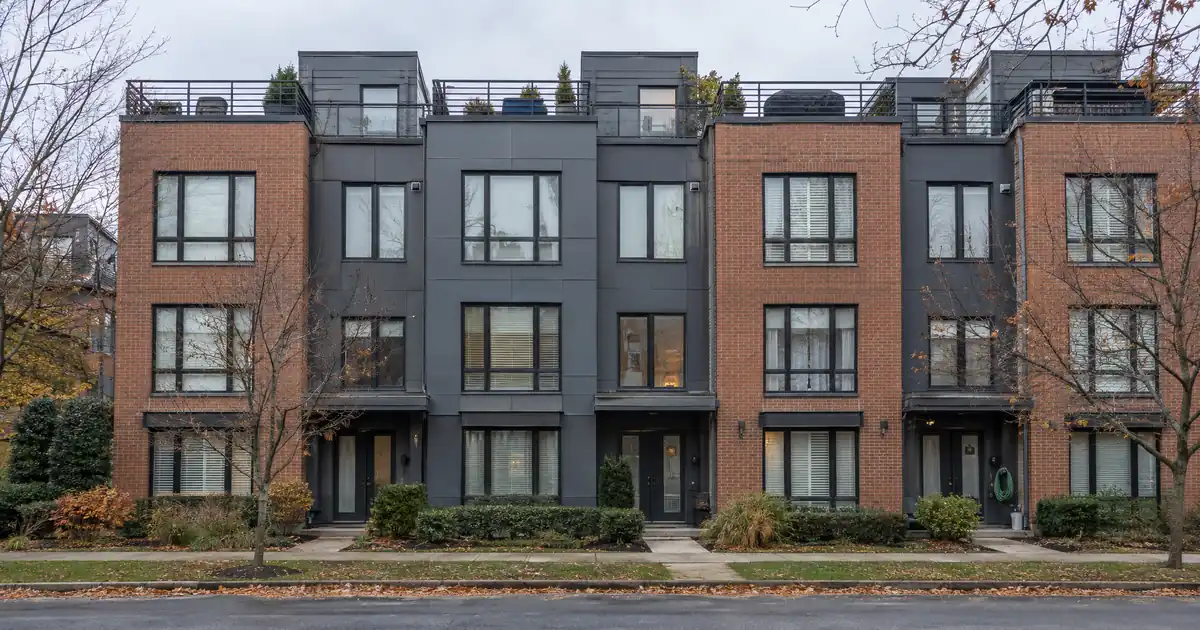
A condotel is a condominium that operates like a hotel, with short-term rentals and a front desk, as described in this overview of condo hotels. That hybrid is the problem. Insurers and lenders see a condo on the title and hotel activity in the building.
On a normal condo file, the lender reviews two layers: the project-level master policy and the unit-level policy the borrower buys. A condotel adds a third question. Who insures the furnishings, the guest liability, and the lost rental income? The answer depends on the building’s documents and on any rental program the owner joins.
Plenty of files stall here. The borrower assumes the HOA handles insurance. The HOA handles the building. Everything inside the unit, and everything about renting it to guests, falls to the owner.
Key Terms Defined
Master policy: The association’s policy covering the building structure and common areas, not individual units.
HO-6: The unit owner’s condo policy, covering interior items, personal belongings, liability, loss of use, and loss assessment.
Bare walls vs. all-in: A bare-walls master covers only the shared structure and common areas, while an all-in master also covers fixtures, appliances, and alterations inside the unit.
Loss assessment: Coverage for the owner’s share when the association bills owners for a building-wide loss or a master deductible.
PITIA: Principal, interest, taxes, insurance, and association dues, the full monthly obligation in the coverage ratio.
RCBAP: The federal flood program’s residential condominium building policy, sold only to associations.
DSCR: Debt service coverage ratio, meaning monthly rent divided by the full monthly obligation.
What Does the Master Policy Cover, and What Is Left to You?
The master policy covers the building and common areas. It does not extend to individual units, as State Farm’s explainer on HO-6 insurance lays out. The owner’s HO-6 covers the unit’s interior, belongings, liability, loss of use, and loss assessment.
How much interior coverage you need turns on the master policy type. A bare-walls master leaves the interior to you. An all-in master covers more of it. Read the declarations page and the declaration documents before pricing anything.
Then read the CC&Rs. Where they make interior structures used only by the owner the owner’s responsibility, the master carrier may deny interior claims for lack of insurable interest, according to a practitioner post on the Insurance Journal forum. That is one practitioner’s view, not a rule, but it is a reason to read the documents before closing and not after a loss.
State law can also move the line. Some states’ condo statutes exclude interior finishes, cabinets, and appliances from the master policy. Treat that as an illustration of why the building’s governing documents matter, not as a national rule.
How Do You Build the Coverage Stack, Step by Step?
Here is the order that keeps a condotel file clean.
1. Collect the master policy evidence. Ask the association or property manager for the master declarations and the current certificate of insurance.
2. Choose the right unit form for rental use. A standard homeowners policy typically does not cover rental activity, especially paying guests, as BiggerPockets explains in its article on pool liability and short-term rental coverage. Landlord policies have their own gaps: they assume nothing in the unit is the owner’s personal property and generally skip mechanical breakdown without an endorsement, as BiggerPockets explains in its piece on landlord policy gaps. Carriers treat a short-term stay as a business activity.
3. Cover the short-term-rental items. That means guest liability, medical payments, legal defense, property damage from guest misuse, and loss of rental income. Furnished contents need their own look, because a standard HO-6 contents allowance rarely fits a fully furnished rental.
4. Add loss assessment and deductible assessment coverage. In a condotel, a building-wide loss or a high master deductible gets passed to owners. IRMI’s HO-6 design article advises raising loss assessment limits to $50,000 or $100,000, buying deductible assessment coverage sized to the maximum deductible the declaration allows, and adding special-perils contents coverage.
5. Check flood on its own track. HO-6 policies exclude flood. More on that below.
6. Put the premium into the coverage math. The unit policy, loss assessment, any flood premium, and association dues all sit in the monthly obligation. A higher premium lowers the ratio.
7. Assemble the evidence package. More on that in a moment.
What Goes Wrong With Flood in a Hotel-Style Building?
Flood is where condotels differ most from ordinary condos. The federal flood program sells its association policy, the RCBAP, only to condominium associations, and FEMA’s brochure for condominium associations encourages unit owners to buy their own contents or building coverage as well.
Here’s the catch. An RCBAP is not available when 25% or more of the building is non-residential, according to the federal brochure’s eligibility language. A hotel-style building with a lobby, restaurant, or commercial space can fall outside it. Don’t assume the association carries flood; ask the association directly.
Where an RCBAP does exist, the building limit is the lesser of replacement cost or $250,000 times the number of units, with a coinsurance penalty on underinsured buildings, as Greene Insurance’s RCBAP overview details. The same page notes that business-interruption losses are excluded, so lost rental income from a flood is a separate question from building coverage. The maximum limit is also not the same as full replacement cost. The amount purchased and the coinsurance terms control.
For a condotel in a flood zone, an unresolved flood question can leave the file short of documents, so settle it before submission.
What Changes if the Building Runs a Rental Program?
Some condotels require owners to join an in-house rental pool. Others make it optional. Either way, insurance responsibility may be split with the operator. The rental or management agreement and the CC&Rs spell out who insures furnishings, who insures the interior, and what the owner must still carry.
Investors on a BiggerPockets condotel forum thread describe buildings that require joining the in-house program, with steep fees. Treat that as anecdote, not a rule, and read your own building’s agreement.
Two other points to settle early:
- Policy form. Some insurers write an HO-6 with a rented-to-others endorsement for long-term rentals, while many require a dwelling-fire form, per Risman’s guidance on insuring a rented condo. Short-term use is a separate restriction to check.
- Specialty forms. Some short-term-rental condo coverage is written on commercial habitational forms instead of an HO-6. Ask the agent which form applies to your building.
Short-term rental rules can vary by city, county, HOA, and property type, so investors should confirm local rules before relying on projected rental income.
Which Policy Responds? Three Loss Scenarios
| Loss | Likely responder | Common gap |
|---|---|---|
| Water damage inside the unit | HO-6, or master if all-in | Interior left to owner by CC&Rs |
| Guest injured in the unit | Short-term-rental liability | Homeowners policy excludes guests |
| Building-wide casualty | Master, then loss assessment | Owner bills exceed assessment limit |
The pattern is consistent. Each loss lands on a different policy, and each policy has a different gap. The wrong form can also mean a denied claim during a guest stay.
How Does Insurance Flow Into the Coverage Ratio?
The ratio divides monthly rent by the full monthly obligation: principal, interest, taxes, insurance, and association dues. Condotel buildings often stack high dues, special-assessment exposure, and short-term-rental-grade premiums on the same file. Each dollar added to the denominator lowers the ratio.
Run it this way. Picture an investor whose condotel unit clears roughly 1.2x on projected rent using last year’s insurance number. A new quote with a higher unit premium, added loss assessment coverage, and a flood policy can pull that toward the 1.00 line. The rent didn’t change. The denominator did.
Short-term-rental files on a purchase and on a refinance both start at a 1.00 floor on most programs in the network. Coverage below 1.00 is available through select lenders in the network, with leverage and terms adjusted. Either way, quote the insurance before relying on a projected ratio.
One caution. Clearing 1.00 is not the same as positive cash flow. The ratio compares rent to the monthly obligation only. Repairs, vacancy, management fees, utilities, and capex sit outside it. Loss assessment exposure is a real risk even when it never shows up in the ratio.
Program details here come from select wholesale-network guidelines. They vary by borrower, property, and loan scenario, and nothing here is a commitment to lend. For the broader mechanics, see the complete DSCR loans guide.
DSCR vs. conventional financing
There are two common ways to finance an investment property, and they qualify you differently — here’s how investors weigh them.
Why investors choose it
- Qualifies on the property’s rental income — no personal tax returns, W-2s, or pay stubs needed to document income.
- No personal debt-to-income ceiling to clear, so existing mortgages and obligations don’t cap your borrowing the same way.
- Can be closed in an LLC, keeping the property inside a business entity.
- Built for scaling — not held to the limit on number of financed properties that conventional financing applies.
- Underwriting centers on the deal: generally qualifies when the rent covers the payment, a 1.00x coverage ratio being a common baseline (confirmed in underwriting).
- Designed specifically for investment property, including long-term and, where the program allows, short-term rentals.
Where it’s strong
- Often the lowest ongoing financing cost for a buyer who fully qualifies on personal income — a fit for a first property or a cost-first purchase.
Trade-offs for investors
- Requires full personal income documentation and must fit within a debt-to-income limit — salary, existing debts, and other mortgages all count.
- Typically held in your personal name rather than a business entity.
- Caps how many financed properties you can carry, which can become a ceiling as a portfolio grows.
- Evaluates you as a borrower as much as the property, which usually means more paperwork.
How investors usually choose: a first or single property often optimizes for the lowest financing cost; portfolio builders often optimize for leverage, vesting in an LLC, and scaling past conventional caps. The right answer depends on your goals, the property, and current guidelines — both paths run through select lenders in Lendmire’s wholesale network, with eligibility and terms confirmed in underwriting.
What Documents Does the File Typically Need?
On most condotel files, the insurance evidence package includes:
1. The HO-6 or short-term-rental declarations page showing the insured unit address and an effective date on or before closing.
2. Master policy evidence from the association.
3. A paid receipt or invoice for the premium.
4. Flood evidence, where the building or zone calls for it.
5. The rental or management agreement, if the building runs a program.
Check the named insured as well. If the unit will be titled in an LLC, the policy should match the borrowing entity, subject to lender program eligibility. A policy in the owner’s personal name on an entity-titled file is a classic preventable gap.
Hazard limits, liability minimums, and rent-loss requirements differ from lender to lender, and the declarations have to satisfy the specific program the file lands in. Lendmire’s team confirms the insurance conditions of the target lender before the quotes are bound, not after.
What About the Booking Platform’s Host Protection?
It is a supplement, not the policy of record. A lender wants a policy that names the property, the insured, and the mortgagee. Platform protection is not a substitute for your own coverage, and it doesn’t replace the unit, liability, and loss-of-rent layers above. Treat it as extra cushion at most.
Common Mistakes on Condotel Insurance
- Assuming the master policy covers the unit. It doesn’t extend to individual units and never covers personal property.
- Using a homeowners or landlord policy for guest stays. Standard policies typically exclude rental activity.
- Assuming HO-6 covers flood. It doesn’t.
- Assuming the association’s flood policy replaces your own. The two solve different needs.
- Forgetting a tenant’s belongings. The owner’s HO-6 doesn’t protect a tenant’s belongings or liability, as The HOA Guide’s HO-6 explainer points out.
- Skipping the master deductible. It is typically passed to owners as an assessment.
Questions to Put to Your Agent, Manager, and Association
- Is the master policy bare-walls or all-in, and what is the deductible?
- Does the building carry flood, and is it an RCBAP or something else?
- What does the rental agreement say about who insures furnishings and the interior?
- Which unit form does the carrier use for a hotel-style building?
- Is loss of rental income included, and does it cover flood?
- What loss assessment limit fits the maximum deductible in the declaration?
Several carriers decline hotel-style units outright. Learn that early, while there is still room to switch buildings or carriers.
Where Does This Leave the Investor Decision?
Price both layers before the file goes in: the master policy’s adequacy and your unit coverage. If the numbers still work with realistic premiums, the building is a candidate. If they only work on last year’s quote, they don’t work.
Tax treatment can depend on how the funds are used and how the property is held; investors should keep clear records and speak with a qualified tax professional before relying on any deduction.
If you are buying or refinancing a rental property and want to see how the numbers work, Lendmire can help you compare DSCR loan options based on the property income, credit profile, leverage, and investor goals.
Frequently Asked Questions
Does the HOA master policy cover my condotel unit?
No. It covers the building and common areas and does not extend to individual units. Whether it also covers interior fixtures depends on whether it is bare-walls or all-in, plus the CC&Rs and state law. Personal property and guest liability are never covered by it.
Can I use a standard homeowners or landlord policy for Airbnb stays?
Usually not. Standard homeowners policies typically exclude rental activity involving paying guests, and landlord policies carry gaps on owner-owned contents and mechanical breakdown. Carriers treat short-term stays as a business activity, so the unit needs a policy written for that use.
Does an HO-6 policy cover flood?
No. Flood is excluded and needs its own coverage. The federal association policy is sold only to associations and is unavailable when 25% or more of the building is non-residential, so check the building’s flood arrangement individually.
How does insurance affect the DSCR on a condotel?
Premiums for the unit policy, loss assessment, flood, and association dues all sit in the monthly obligation. Higher premiums lower the ratio. Short-term-rental files in the network typically start at a 1.00 floor on both purchases and refinances, subject to lender guidelines, with purchase leverage up to 75% and refinance leverage up to 70%.
What proof of insurance does a lender typically want?
A declarations page showing the unit address and an effective date on or before closing, master policy evidence, a paid receipt, and flood evidence where it applies. The named insured should match the borrowing entity, subject to lender program eligibility.
About Lendmire
Lendmire is a non-QM mortgage brokerage (NMLS# 2371349) arranging DSCR investor loans in 41 markets, including Washington, D.C. DSCR eligibility is generally reviewed around property-level rental income rather than personal income, subject to lender and program guidelines, a fit for self-employed investors and LLC-owned portfolios. Lendmire was recognized as a Scotsman Guide Top Mortgage Workplace in 2025 and 2026.
Investors focused on short-term rentals can review DSCR loans for Airbnb and short-term rentals.
Get Started
Ready to find the right loan for you?
In about 30 seconds you can review financing options available for your investment property. No commitment required.
Informational only. Not a Loan Estimate, approval, or commitment to lend. Program availability and eligibility are subject to lender guidelines, credit approval, property review, and underwriting.
References
2. State Farm: What Is HO-6 Insurance
4. BiggerPockets: pool liability and short-term rental coverage
5. BiggerPockets: landlord policy gaps for short-term rentals
6. IRMI: 10 Steps to a Well-Designed HO-6 Policy
7. FEMA NFIP Flood Insurance for Condominium Associations
8. FEMA NFIP brochure (city-hosted copy)
10. BiggerPockets condotel forum
11. Risman rented-condo insurance
12. The HOA Guide’s HO-6 explainer
This article is part of Lendmire’s short-term rental loan program — full qualification details, guidelines, and scenarios live on the program page.
Related reading: How to Document Trustee Borrowing Authority for a DSCR Loan · Can One Borrower Hold Unlimited Cross-Collateral DSCR Loans? · Does a DSCR Lender Use IO Payments on a Non-Warrantable Condo?
Brandon Miller
Founder & CEO, Mortgage Loan Originator, Lendmire LLC
- Mortgage Loan Originator · NMLS# 1129696 · Verify on NMLS Consumer Access
- North Carolina Real Estate Broker · License# 343312 · Verify on NCREC
- North Carolina Insurance Producer · License# 19053198 · Property, Casualty, Life, Health · Verify on NAIC SBS
- Lendmire LLC · Firm NMLS# 2371349 · Verify firm licensure
Important disclosures. Lendmire (NMLS# 2371349) is a licensed mortgage brokerage. Lendmire is not a direct lender, depository institution, or financial advisor. All loan inquiries are subject to lender underwriting; this article does not constitute a commitment to lend. Rates, terms, and program guidelines are subject to change without notice and vary by borrower profile, property type, and state. Information in this article is general in nature and is not financial, legal, or tax advice. Equal Housing Opportunity. NMLS Consumer Access: nmlsconsumeraccess.org.