Best Hard Money Lenders For Beginners

The real skill isn’t finding a lender — it’s understanding how the underwriting works well enough to vet any lender against it.

 Lendmire Research
The real skill isn’t finding a lender — it’s understanding how the underwriting works well enough to vet any lender against it.
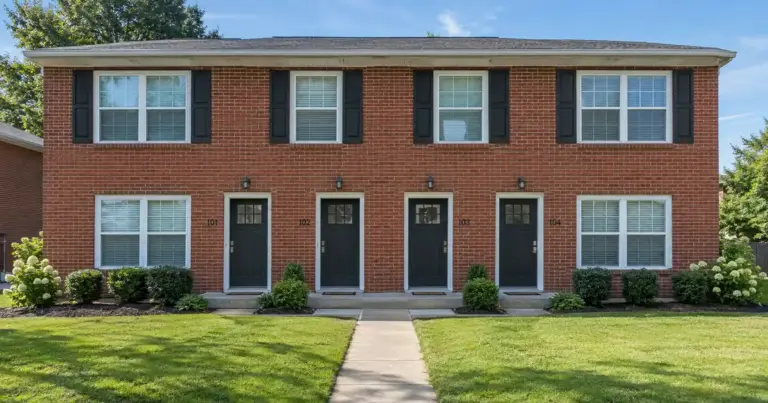
– 2-4 unit properties use a different appraisal form than single-family rentals — one that combines valuation and rental income into a single report.

It’s a real, select-lender path, not a marketing term, and it exists alongside standard DSCR programs that still require rent to cover the payment.

The underwriting math just adds HOA or condo association dues to the usual payment stack before comparing it against rent.
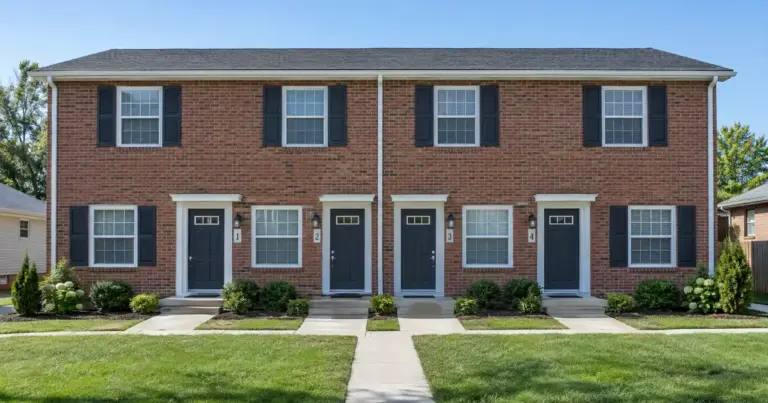
– A 2-4 unit DSCR loan uses one blended payment (PITIA) against combined rent from every unit in the building — not a separate loan per unit.
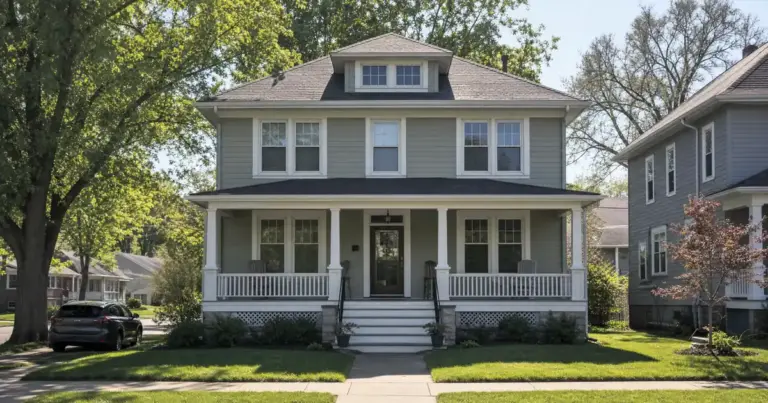
The tradeoff shows up in two places: the DSCR math on the new payment, and any prepayment penalty still ticking on the old loan.
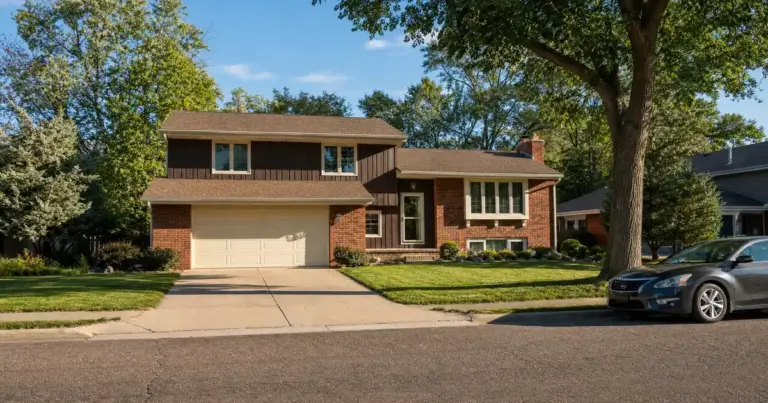
Terms typically run 6 to 18 months, credit floors start around 620, and the strongest leverage goes to investors with a track record of finished projects.

Investors who understand which tier applies to their deal walk into underwriting with realistic expectations instead of guesses.
– Hard money underwriting starts with the property and the plan, not the paycheck.

The property’s rent doesn’t drive approval on this particular product — the borrower’s own credit and income do.

Get those three differences straight and the rest of the product makes sense fast.
– Income comes from 12-24 months of deposit history, not tax returns — personal accounts and business accounts get calculated differently.

It exists because self-employed owners, gig workers, and real estate investors often have real cash flow that a 1040 understates.

This guide walks through the mechanics, the variations, and where the standard rule breaks.