How A Family Office’s Entity Docs Are Reviewed For A Luxury DSCR Loan?

Layered structures, where a trust owns a holding LLC that owns the property-holding entity, are the main thing that slows a file down.

Layered structures, where a trust owns a holding LLC that owns the property-holding entity, are the main thing that slows a file down.
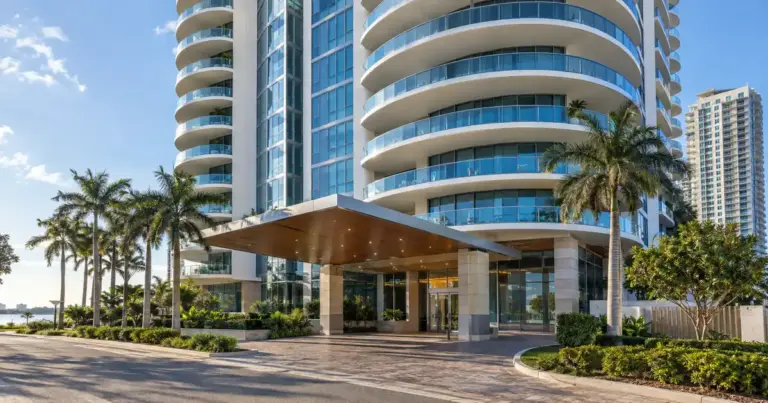
The catch is the HOA dues — they sit inside the payment calculation and can quietly sink an otherwise strong file.

Resort Property DSCR Loan Weighs Seasonality Against Reserves — A resort property DSCR loan doesn’t just look at rent divided by payment.

Wait to transfer an already-owned property into an LLC and you risk triggering the mortgage’s due-on-sale clause.

Title separately confirms the entity name matches every document at the closing table.

Can HOA Litigation Stop A Luxury Short-term Rental DSCR Loan: what investors need to know about large-balance DSCR financing, from Lendmire.

On large loans this matters twice as much, because a second independent appraisal often has to reach a similar number before the file can move forward.

Here’s how each path actually works, and where investors get it wrong. Picture an investor under contract on a duplex.

One is cash: how many months of PITIA — principal, interest, taxes, insurance, and any HOA dues — the borrower keeps liquid after closing.
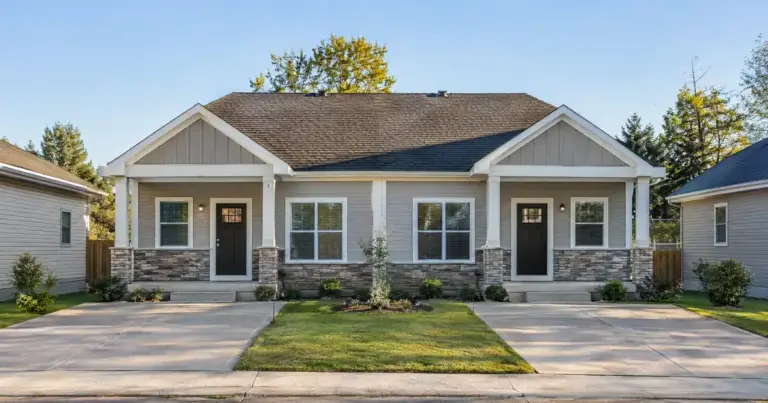
Does A Duplex Get The Same Leverage As A Single-family DSCR Loan — Mostly, yes.

– Above $2 million, two independent appraisals are typically required due to thin comparable data on unique luxury properties.

Get the entity paper clean before you apply, and a newly formed LLC closes like any other.

A strong July does not decide your loan. That single fact trips up more seasonal STR borrowers than any other underwriting quirk.

Because the loan is being used to acquire a rental, it’s classified as business-purpose credit rather than consumer credit.