Apartment Investment Property Refinance Mortgage Lending

Apartment Investment Property Refinance Mortgage Lending — Apartment refinancing splits into two lanes the moment you count units.

Apartment Investment Property Refinance Mortgage Lending — Apartment refinancing splits into two lanes the moment you count units.

Can I Refinance A Hard Money Loan — Yes — refinancing out of a hard money loan is the standard exit, not a workaround.

Apartment Investment Property Refinance Mortgage Lenders — The lender universe splits hard on one number: unit count.
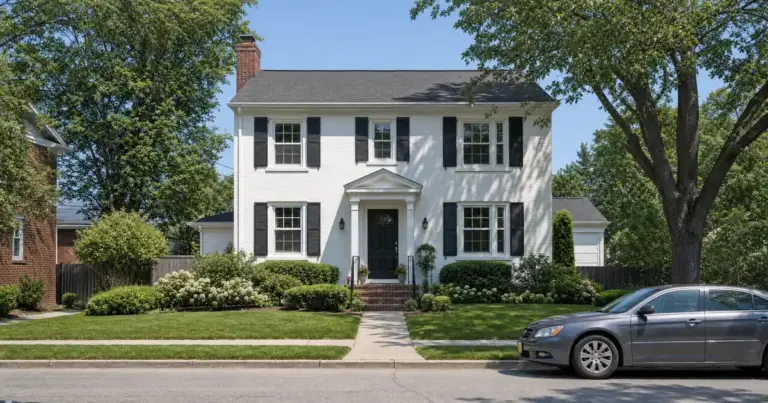
An FHA Streamline Refinance can be used on a property that has become a rental, even without owner-occupancy, and without a new appraisal.

Get the lane wrong before you start shopping, and the leverage, the documentation, and the whole conversation change under you.

Get that fork wrong at the start, and the wrong appraisal form, the wrong income concept, and the wrong lender end up on the file.

Apartment Investment Property Refinance Loans — Refinancing an apartment property splits into two different worlds depending on unit count.

A conventional refinance is possible too, but it leans on tax-return history and an appraisal form that was never built for nightly-rate income.

A conventional mortgage refinance is built around a fixed lease or owner-occupancy — neither of which describes a nightly-rate rental.

Points on a rental loan are never deducted in full the year they’re paid — they’re spread across the loan’s life.

A duplex, triplex, or fourplex refinances through residential-style DSCR or non-QM channels, qualifying primarily on rent covering the payment.

Apartment Investment Property Refinance Loan Finance — Unit count decides everything before a lender even looks at the numbers.

Getting the classification right up front determines the appraisal form, the documentation, and the leverage ceiling for everything downstream.

A one-to-four-unit rental refinances through DSCR and non-QM channels, qualifying primarily on rental income covering the payment.
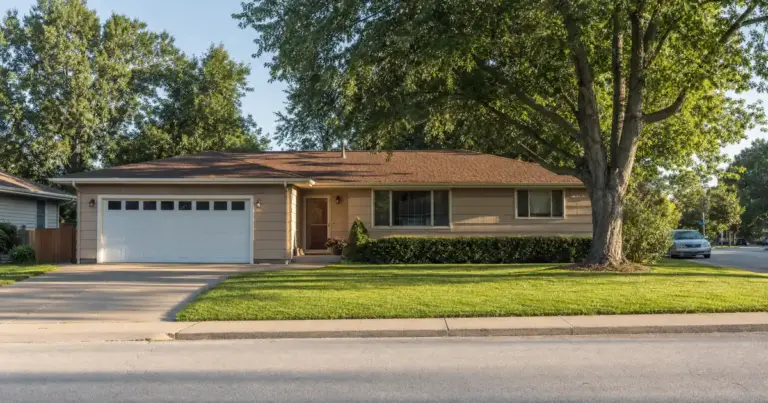
Seasoning, the new appraisal, and the property’s coverage ratio decide how much of that equity actually shows up at closing — appraised value alone doesn’t.