Down Payment For An Airbnb Loan
Cash-out refinances on an existing Airbnb typically require more equity, capping closer to 70% LTV.

Cash-out refinances on an existing Airbnb typically require more equity, capping closer to 70% LTV.
If the owner occupies it part of the year and controls the booking calendar, it’s usually a conventional second-home loan.
It’s also called rent-to-rent or lease arbitrage. No purchase, no mortgage, no DSCR loan involved.
Some lenders skip STR income entirely and underwrite the property as a long-term rental instead.
Everything downstream — the coverage-ratio math, the leverage tiers, the credit floors — runs through the same DSCR machinery used for a long-term rental.
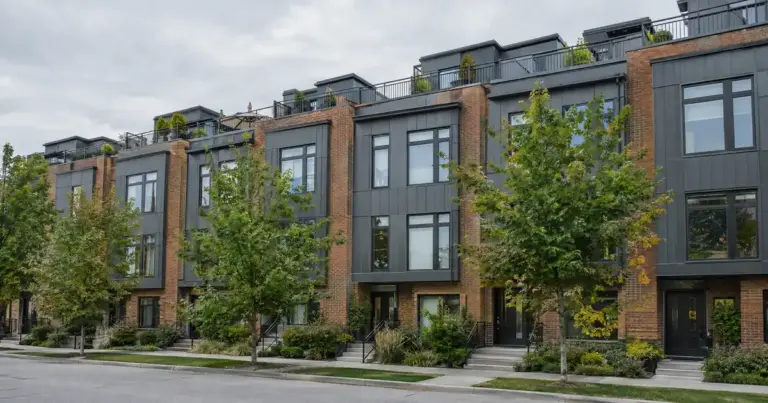
Fannie Mae, Freddie Mac, FHA, and VA guidelines exclude most condotel projects outright, which pushes financing into the non-QM/DSCR space.
The loan itself isn’t a separate product. It’s a standard investor DSCR file with a different way of proving the income side of the math.
Before a DSCR lender will fund a short-term rental loan, the file needs proof of a policy actually built for STR use.
Clear all three and most 1-4 unit residential properties qualify for DSCR financing built on short-term rental income.
Get the report wrong — thin comps, no occupancy adjustment, wrong forecast window — and the file stalls before it ever reaches DSCR math.
Without that track record, lenders don’t just turn the file away — they lean on a market-data projection or an appraiser’s rental analysis instead.
Federal beneficial-ownership reporting for domestic LLCs has been eliminated, but state entity law and lender document requirements haven’t changed at all.
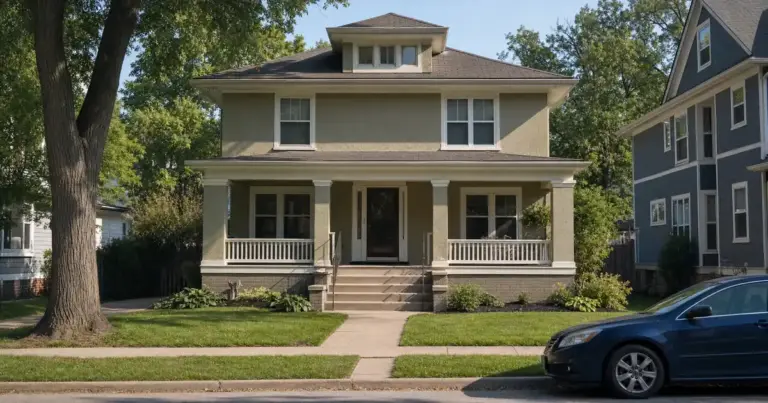
Appraisal Requirements For Short Term Rental Properties — No single national rulebook tells an appraiser how to value a nightly rental.
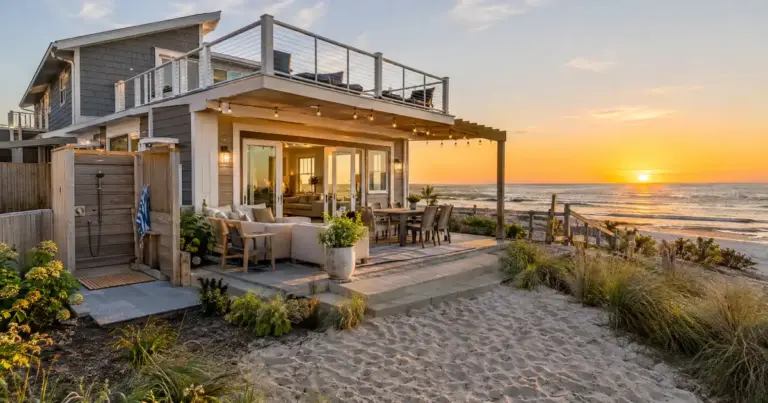
Your score sets how much leverage you get, and the property’s rent still has to cover the payment.
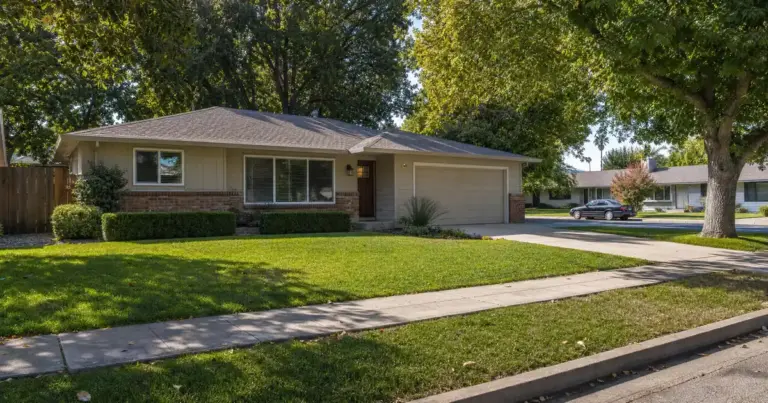
The number moves based on loan size, coverage ratio, credit, leverage, and how much operating history the property has.