
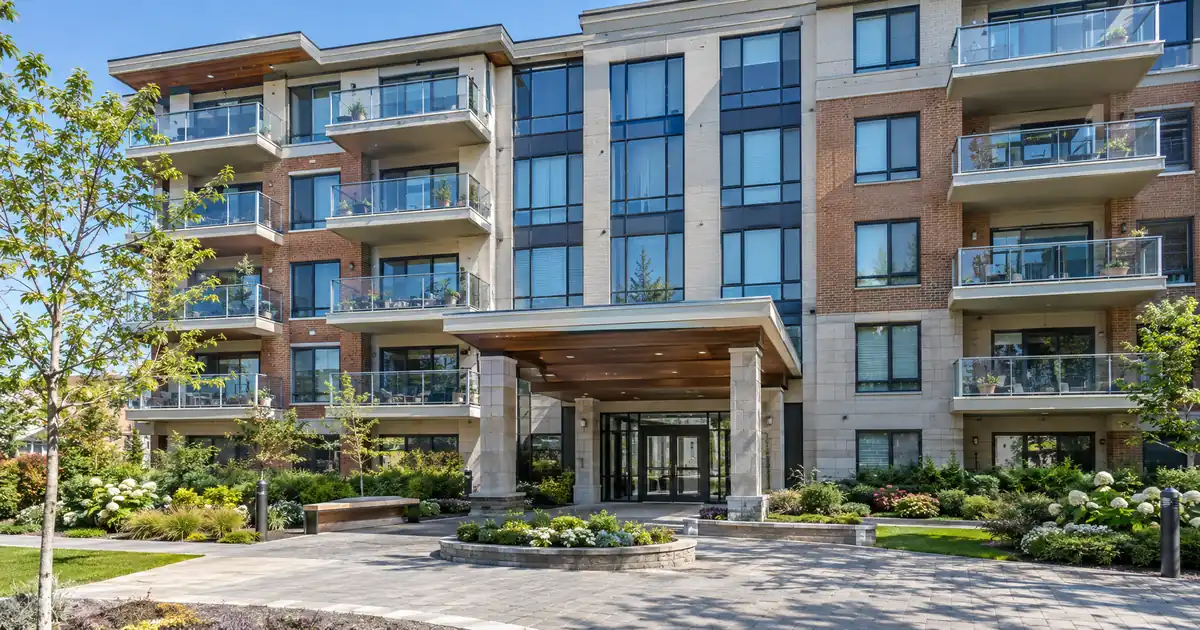
The Quick Read: Fannie Mae, Freddie Mac, and FHA exclude condotel units by name, and VA is unlikely to approve them either. This pushes financing almost entirely into the DSCR and non-QM lending space. Underwriting follows a set order. First, lenders classify the building. Second, they document the rental-pool income. Third, they check the borrower’s credit and reserves. Most purchase files land at around 75% loan-to-value. Select lenders offer higher leverage for stronger files and sub-1.00 coverage options for weaker ones. This guide walks through the mechanics, the structures, and the specific edge cases where the general rule doesn’t hold.
Key Takeaways
- Condotels are ineligible for conventional (Fannie Mae/Freddie Mac), FHA, and VA financing.
- DSCR loans are the main financing channel. They qualify the property’s rental income instead of routing through agency project-approval rules.
- Lenders qualify the building before they qualify the borrower. A strong credit file can’t save a disqualified project.
- Standard rent-schedule appraisal forms don’t work for nightly hotel-style income. Lenders use rental-pool statements and past income history instead.
- Leverage, coverage floors, and credit tiers vary by lender, even within the same network. Two files on the same unit can get different answers depending on which lender reviews it.
Key Terms Defined
Condotel (condo-hotel): A condominium unit owned by one person, inside a project that runs like a hotel. It usually has a rental desk, short-term bookings, and a management company that controls who stays there.
DSCR Calculator
Run the numbers in your market
Rate is an editable market assumption — the live benchmark loads when available.
Prefilled with starting assumptions — enter your own rent or nightly figures, taxes, insurance, and HOA for a more accurate picture.
Program parameters update from Lendmire’s centralized guideline source. Taxes and insurance are editable estimates.
Fallback assumption · General Freddie Mac market benchmark, not a Lendmire loan offer. Rent, nightly rate, occupancy, taxes, and insurance are editable estimates. Short-term rental figures are estimates only and vary significantly by season, property type, management approach, and local short-term-rental rules — confirm local regulations before relying on them. Qualifying income for short-term rentals varies by program — some use appraisal market rent, others use documented STR history or projections — and is confirmed in underwriting. Not a Loan Estimate, approval, or commitment to lend. Program availability and eligibility are subject to lender guidelines, credit approval, property review, and underwriting.
Non-warrantable: A condo project that doesn’t meet Fannie Mae and Freddie Mac’s rules for buying or backing a loan. Reasons include too many short-term rentals or not enough master insurance.
Rental pool agreement: A contract, often required, that puts a unit into a shared booking system. The project’s operator manages bookings and splits the revenue among owners.
DSCR (debt-service coverage ratio): The ratio of a property’s rental income to its full monthly payment — principal, interest, taxes, insurance, and any HOA dues. This is the main number lenders check on these loans.
No-ratio loan: A DSCR loan that skips the coverage math. The borrower qualifies on credit, reserves, and equity instead.
Seasoning: The minimum time a borrower must own a property before a lender will consider a cash-out refinance on it.
Why Won’t Fannie Mae, Freddie Mac, FHA, or VA Finance a Condotel?
The exclusion is written into their guidelines. It’s not up to an individual underwriter. Fannie Mae’s Selling Guide states plainly that it won’t buy or back mortgages secured by condo or co-op hotels. HUD’s condo approval guidance goes further. It names condotels as an ineligible project type, right alongside timeshares and houseboat projects, in its own project eligibility guidance. VA runs its own separate condo-project review. It hasn’t accepted HUD/FHA approvals as a substitute since 2009. But VA still screens for the same things — residential use and owner-occupancy. That means a hotel-operated building is unlikely to pass VA review either.
The problem isn’t the buyer. It’s how the project operates. Fannie Mae’s eligibility rules flag any project “professionally managed by hotel or resort management companies.” These projects are likely to push owners toward short-term rentals — and in most cases, that alone makes them ineligible. Fannie Mae tracks all its condo projects, and only about 3.6% carry an outright “ineligible” status. Condotel features are one of the handful of recurring reasons, right alongside weak master insurance and pending lawsuits.
That’s a narrow door for conventional or agency financing. It’s why non-QM lending has become the default channel instead. Trade coverage of the non-QM market calls condotels a property type “conforming lenders typically avoid,” per Scotsman Guide. The same coverage calls non-QM programs a real advantage for investors who want to diversify into niche property types the agency channel won’t touch.
How Underwriting Actually Works, Step by Step
Underwriting on a condotel file follows a set order. You can’t skip ahead. A strong borrower can’t save a disqualified building.
Step one: the project gets classified before the borrower does. Lenders in Lendmire’s wholesale network of DSCR lenders start by checking whether the building itself is something they’ll finance at all. They look at the hotel-style front desk, any mandatory rental pool, the ratio of non-residential space, and the HOA’s financial health. This happens before a credit pull even matters.
Step two: income documentation departs from the standard rental model. A normal single-family rental gets its qualifying income from Fannie Mae’s Form 1007 rent schedule. That’s a monthly, market-comparable number. Condotel income works differently — it’s nightly, business-style, and often reduced by a management-company revenue split. Appraisal industry training is clear on this: appraisers “cannot take the nightly income and multiply that by 30” to create a monthly figure, according to McKissock’s appraisal education coverage. That coverage also notes that judging business income is the lender’s job, not the appraiser’s. In practice, condotel DSCR files usually qualify off trailing rental-pool statements, the operator’s income history, or nightly booking data blended into a modeled monthly figure. It’s a lender-specific documentation path, not a form-driven one.
Step three: the rental-pool structure gets underwritten as part of the deal. Because condotel cash flow runs through a third-party operator, the terms of that arrangement become part of the credit file. Investor discussion on BiggerPockets explains why lenders treat this as risk: rental income “can be unpredictable,” and poor management can directly hurt “the borrower’s ability to make mortgage payments.” Revenue splits, personal-use caps, and HOA fee structures all differ from project to project. A coverage ratio built on an optimistic guess about any of these won’t survive underwriting.
DSCR loans exist for exactly this kind of business-purpose transaction. They’re built for non-owner-occupied investment properties. Because they’re business-purpose loans, not owner-occupied mortgages, they get reviewed on a different track. Property income and project eligibility carry the file — not personal debt-to-income math. For more on how that qualification works across property types, Lendmire’s complete DSCR loans guide covers the framework in more depth.
The Structures Available Through the DSCR Channel
Not every condotel file looks the same. The network prices leverage and coverage differently depending on how the numbers come in. The table below shows how the main structures typically compare.
| Structure | Typical LTV | Coverage Floor | Best Fit |
|---|---|---|---|
| Standard purchase DSCR | 75%-80% | 1.00x floor on select programs | Solid trailing income, 660+ credit |
| High-leverage purchase | Up to 85% | 1.00x or higher, lender-set | Strong credit (700+), stronger reserves |
| Sub-1.00 coverage | Reduced leverage | Below 1.00x, select lenders | Softer trailing income, appreciation thesis |
| No-ratio | Reduced leverage | Not calculated | Borrower already owns a primary residence |
| Cash-out refinance | Up to 75% | 1.00x floor on select programs | Existing owners pulling equity |
Coverage rules aren’t set by one industry-wide standard. Each lender sets its own. A 1.00x floor is what select programs use — it isn’t universal. Coverage below 1.00 doesn’t automatically kill a file either. It’s available through select lenders in the network. They just adjust leverage and terms to offset the softer ratio — usually a lower loan-to-value or extra reserves instead of a decline. No-ratio structures skip the coverage math entirely. But that path is usually reserved for borrowers who already own a primary residence and are qualifying mainly on credit and equity, not the unit’s rental performance.
Credit tiers move the leverage ceiling a lot. Some parts of the network go as low as a 620 floor. Most programs prefer something closer to 660. A 700+ score typically unlocks the strongest leverage tiers, including the higher-leverage purchase options. Standard condotel-eligible programs generally allow loan sizes up to roughly $3,000,000. Balances above about $2,500,000 are usually structured as 30-year fixed rather than adjustable. Reserve requirements vary by lender, leverage, and loan size. They commonly land around 6 months of PITIA. That can step up toward 9 months on larger balances above roughly $1,500,000. On conservative, lower-leverage rate-and-term files, reserves are sometimes waived.
Term structures flex too. The 30-year fixed is the backbone of the market. But extended 40-year terms and interest-only periods are available through select lenders. These fit investors chasing coverage-ratio headroom instead of paying down equity — a structure covered in more depth in Lendmire’s interest-only DSCR loan guide. Adjustable-rate structures exist too, for investors who want them specifically. Many of these programs also allow loans to LLC-titled entities, subject to lender program eligibility. That matters for condotel investors, who often hold vacation-rental units inside a holding entity for liability reasons.
Two Sides of Eligibility: Borrower and Building
A condotel file has to clear two separate reviews. Missing either one stops the loan, no matter how strong the other side looks.
Borrower-side factors typically include: credit score (with tiers around 620, 660, 680, and 700+ opening progressively better leverage), how many months of reserves the borrower has on hand, the down payment percentage relative to the target loan-to-value, and — for purchase or cash-out deals — how well the rental income documentation matches what the lender wants to see.
Building-side factors typically include: whether the project has a mandatory rental-pool agreement or allows self-managed rentals, the ratio of nonresidential to residential space in the building, whether master insurance and HOA reserves are adequate, and any pending lawsuits against the association. These are the same categories Fannie Mae cites as its top reasons for condo-project ineligibility overall — weak master insurance and critical repair issues chief among them. Non-QM underwriters review similar documentation on condotel files, but the accept/decline line is set by the individual lender, not by an agency rule.
Where the General Rule Breaks: Edge Cases
The condotel exclusion is broad, but it’s not the same in every case. A few situations deserve their own explanation.
Self-managed vs. brand-operated units. A unit inside a resort tower that its owner rents out independently — no mandatory rental pool, no hotel-branded front desk — may get treated differently than one locked into a branded hotel’s booking system. That’s because the disqualifying features attach to how the project is marketed and run, not to the individual unit.
Project status overrides individual credit strength. Because the classification happens at the project level, a buyer with excellent credit and income can still find a specific building completely closed to agency financing. This often surfaces only after a purchase contract is signed, since pre-approval letters are usually issued before the specific project gets reviewed.
FHA’s non-residential-use test is a separate rule from the flat condotel exclusion. HUD applies its own cap. If more than 25% of a building’s total space is used for nonresidential purposes, the project is disqualified on its own — regardless of whether it’s a condotel. A building can fail on either rule alone, or on both.
Ineligible property types stay ineligible regardless of income. Manufactured homes (single- and double-wide), log homes, and barndominiums aren’t offered through the network’s DSCR programs. That’s worth knowing if an investor is comparing a condotel unit against other property types for the same rental strategy.
Investment-property HELOCs have a hard ceiling. For investors thinking about pulling equity from another rental to fund a condotel purchase, investment-property HELOC lines cap at $500,000 total across the network. There’s no higher tier above that.
State overlays add another layer. Purchases in Connecticut, Florida, Illinois, and New Jersey generally cap near 75% LTV. Overlay-state deals typically top out around a $2,000,000 loan amount, regardless of property type.
Short-term-rental treatment applies its own separate parameters. Because a condotel works like an STR, the file usually gets reviewed under short-term-rental parameters instead of standard DSCR purchase parameters. Purchase leverage on STR files typically tops out around 75% LTV. Refinance tops out around 70%. Cash-out also tops out around 70%. Keep these separate from standard DSCR purchase leverage — STR purchase and refinance parameters are each set on their own, not blended into one figure. Programs generally expect a 640+ credit score and roughly 12 months of hosting history. Coverage expectations are also lender-specific here. A 1.00x floor is what select programs apply — it isn’t a market-wide rule. Purchase and refinance files are each measured against their own requirement, not averaged together. More detail on how STR income gets documented and qualified lives in Lendmire’s short-term rental financing guide and its Airbnb-specific DSCR coverage.
Refinancing and Cash-Out on an Existing Condotel
An owner refinancing an existing condotel typically faces a 70% LTV ceiling on cash-out, in line with short-term rental parameters. Lenders generally expect about 6 months of seasoning before they’ll consider a cash-out request. That seasoning clock and leverage cap apply no matter where the original purchase loan came from. The same project-eligibility review that applied at purchase gets revisited at refinance too. A building’s status can change over time as lawsuits resolve, insurance renews, or rental-pool terms shift.
Investors weighing a cash-out refinance against a straight rate-and-term refinance on a condotel should read Lendmire’s guide to investment property refinancing. For units with meaningful short-term rental history, the dedicated guide on refinancing a short-term rental is also worth a look. The coverage documentation on a refinance often draws from different data than a purchase does — trailing platform income instead of projected or comparable income. Tax treatment on any cash-out proceeds can depend on how the funds get used and how the property is titled. Investors should keep clean records and check with a qualified tax professional before assuming any deduction applies.
Running the Numbers: A Practical Scenario
Consider a resort-market condotel unit listed at $450,000, purchased with 25% down at 75% LTV. Say the trailing twelve-month rental-pool statements, once modeled into a monthly income figure, clear roughly 1.15x against the full monthly obligation. That file sits above the 1.00x floor select programs use as a starting point. It leaves room for either standard terms or a push toward the higher-leverage tier if credit supports it. Every figure here varies by lender and program — guidelines, property type, leverage, and credit profile all apply.
Now soften the income assumption. Say the same unit’s trailing statements — after accounting for the operator’s revenue split and off-season vacancy — model out to something closer to 0.90x on a straight coverage basis. That’s below where many programs start. But it isn’t a dead end. Sub-1.00 coverage is available through select lenders in the network, generally with reduced leverage or added reserves built in to offset the softer ratio. For an investor who already owns a primary residence and would rather not lean on the condotel’s income at all, a no-ratio structure is a separate path worth asking about. It’s available only through select lenders, and generally reserved for that specific profile.
Files like these tend to follow a pattern across the wholesale network. The coverage math on a straight long-term-rent basis often comes in tighter than the trailing platform income suggests. That’s because rental-pool statements bake in occupancy assumptions a conservative underwriter won’t take at face value. The stronger files bring both things to the table — a clean twelve-month operator statement and a fallback long-term-rent estimate that still holds up on its own against whatever coverage requirement the reviewing lender applies.
Where This Leaves an Investor
A larger down payment lowers the monthly obligation and can lift the coverage ratio. But it never overrides a disqualified building, a credit floor, or a reserve requirement. The strongest condotel files clear both the equity test and the income test — not just one. If a project has a hotel-style front desk and a mandatory rental pool, the agency channel is closed by definition. The practical question shifts from “which conventional lender might approve this” to “which non-QM lender’s overlays fit this specific building and this specific borrower.” Lendmire (NMLS# 2371349) is a non-QM DSCR mortgage broker that arranges DSCR loans for investors through a wholesale network of lenders spanning 40 states plus Washington, D.C. Lendmire can help compare how different programs treat a specific project’s rental-pool documentation, coverage ratio, and leverage before an investor commits to a contract. Investors can also request a personalized quote or reach Lendmire directly at 828-256-2183 to talk through a specific building’s eligibility before writing an offer. Final terms depend on lender guidelines, property type, leverage, and the borrower’s complete credit picture.
Nothing in this guide is a commitment to lend. Loan approval, pricing, and terms are never guaranteed. They remain subject to lender underwriting, credit approval, and program guidelines that can change without notice. This guide is for general information only. It isn’t financial, legal, or tax advice. Review details are subject to lender overlays and should be confirmed directly before relying on them.
Frequently Asked Questions
Can you actually get a mortgage on a condotel?
Yes, but not through Fannie Mae, Freddie Mac, FHA, or VA — those channels exclude the property type by name. DSCR and other non-QM programs are the practical route. Underwriting is built around the building’s project status and the unit’s rental income, not agency project-approval rules.
How do you qualify for a DSCR loan on a condotel?
The building clears review first — front-desk operations, rental-pool terms, nonresidential space ratio, master insurance, HOA reserves, and any lawsuits. Then the unit’s income gets documented, usually from trailing rental-pool or operator statements rather than a standard rent schedule. Credit, reserves, and down payment come last, and the coverage requirement is whatever the reviewing lender applies to that program.
What credit score does a condotel DSCR loan typically require?
Some parts of the network go as low as 620, but most programs want something closer to 660. A 700+ score generally unlocks the strongest leverage tiers, including higher-leverage purchase options up to roughly 85% LTV. Exact thresholds vary by lender, loan size, and property condition.
Can a condotel ever qualify for FHA or VA financing?
It’s uncommon. HUD names condominium hotels as an ineligible project type outright. VA’s independent condo-review process screens for the same residential-use and owner-occupancy characteristics that hotel-operated buildings typically fail. A project’s FHA status also doesn’t guarantee anything about its VA status, since the two run separate review systems.
What happens if the condotel’s rental income comes in below the required coverage ratio?
It doesn’t automatically disqualify the file. Coverage below 1.00x is available through select lenders in the network, generally with reduced leverage or added reserves to offset the softer number. A no-ratio structure is a separate option for borrowers who already own a primary residence and don’t need the property’s income to qualify at all.
Can an LLC purchase a condotel using a DSCR loan?
Many programs in the network allow loans to LLC-titled entities, subject to lender program eligibility. This is common for investors holding vacation or short-term-rental units inside a holding entity. The underlying project-eligibility and coverage review still applies regardless of how title is held.
For current guidelines and terms, see Lendmire’s DSCR loan programs page.
About Lendmire
Lendmire (NMLS# 2371349) is a non-QM mortgage broker serving investors in 41 markets, including Washington, D.C. Lendmire helps structure DSCR scenarios that are commonly evaluated around a property’s rental income rather than personal income paperwork, subject to lender guidelines. Lendmire was named a Scotsman Guide Top Mortgage Workplace in 2025 and 2026. Lendmire places loans through wholesale investor lenders and is not a direct lender.
Get Started
Ready to find the right loan for you?
In about 30 seconds you can review financing options available for your investment property. No commitment required.
Informational only. Not a Loan Estimate, approval, or commitment to lend. Program availability and eligibility are subject to lender guidelines, credit approval, property review, and underwriting.
References
1. Fannie Mae Selling Guide — General Property Eligibility
2. HUD Condominium Project Approval Guidance
3. Scotsman Guide — Non-QM Mortgage Growth Coverage
4. McKissock — Form 1007’s Impact on Short-Term Rental Appraisals
5. BiggerPockets — Why Condotels Are Difficult to Fund
This article is part of Lendmire’s DSCR loan program — full qualification details, guidelines, and scenarios live on the program page.
Related reading: Condotel Loan Requirements Explained · How To Finance A Luxury Condo As A Short-term Rental DSCR Loan · Can I Get An FHA Loan In A Condo That Allows Short Term Rentals?
Brandon Miller
Founder & CEO, Mortgage Loan Originator, Lendmire LLC
- Mortgage Loan Originator · NMLS# 1129696 · Verify on NMLS Consumer Access
- North Carolina Real Estate Broker · License# 343312 · Verify on NCREC
- North Carolina Insurance Producer · License# 19053198 · Property, Casualty, Life, Health · Verify on NAIC SBS
- Lendmire LLC · Firm NMLS# 2371349 · Verify firm licensure
Disclosure information. Lendmire is a state-licensed mortgage brokerage under NMLS# 2371349. Lendmire is not a depository institution, direct lender, or financial advisor — all loans referenced are placed through wholesale lender partners and are subject to each lender's underwriting standards. This article is provided for general informational purposes and is not a commitment to lend, nor does it constitute financial, legal, or tax advice. Loan programs, terms, rates, and qualification standards change without notice and depend on borrower profile, property type, and the state in which the subject property is located. Equal Housing Opportunity provider. NMLS Consumer Access: nmlsconsumeraccess.org.