
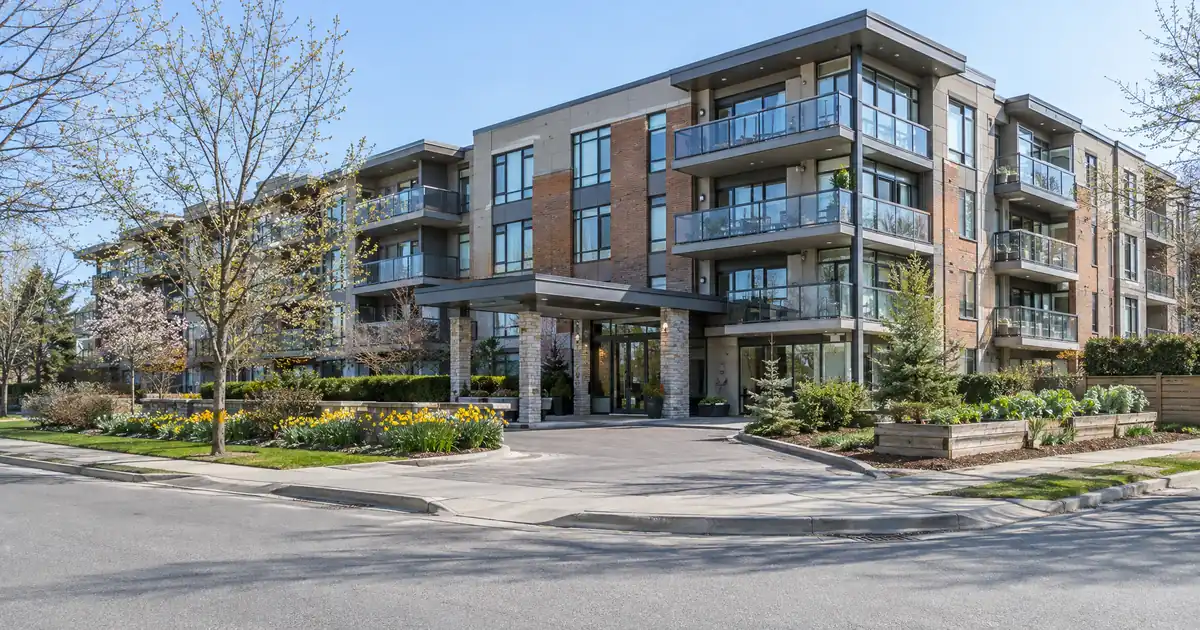
The Quick Read: A condo with a fresh lease goes through two separate reviews: a unit-level rent test and a building-level project review. The new lease supports the file, but the appraiser’s market rent still sets the ceiling on the rent a lender will credit. Rent has to cover the full payment, including HOA dues, and the building has to pass the lender’s own project review.
- Rent is compared with principal, interest, taxes, insurance and HOA dues. Dues lower coverage.
- A lease above market rent earns no extra credit. A lease below market can cap the number.
- The HOA questionnaire, budget, reserve study and insurance certificate decide the building review.
- Purchase leverage typically runs 75%-80% LTV, subject to lender guidelines.
- A strong lease does not fix a weak building, and a strong building does not fix thin coverage.
DSCR loans are business-purpose loans for non-owner-occupied rentals, so they are reviewed differently from a standard owner-occupied mortgage. Across Lendmire’s wholesale network, condos are routinely placed. The friction is rarely the borrower. It is the paperwork from the association and the gap between what the lease says and what the appraisal says. The complete DSCR loans guide covers the basics. This piece covers the condo-specific mechanics.
DSCR Calculator
Run the numbers in your market
Rate source: Freddie Mac 30-yr average via FRED® — Federal Reserve Bank of St. Louis · effective Oct 15, 2026
Prefilled with starting assumptions — enter your own rent or nightly figures, taxes, insurance, and HOA for a more accurate picture.
Program parameters update from Lendmire’s centralized guideline source. Taxes and insurance are editable estimates.
As of Oct 15, 2026 · General Freddie Mac market benchmark, not a Lendmire loan offer. Rent, nightly rate, occupancy, taxes, and insurance are editable estimates. Short-term rental figures are estimates only and vary significantly by season, property type, management approach, and local short-term-rental rules — confirm local regulations before relying on them. Qualifying income for short-term rentals varies by program — some use appraisal market rent, others use documented STR history or projections — and is confirmed in underwriting. Not a Loan Estimate, approval, or commitment to lend. Program availability and eligibility are subject to lender guidelines, credit approval, property review, and underwriting.
Key Terms Defined
Warrantable condo: A project that meets the standards of the agencies that buy conventional loans. It is a financing label, not a quality grade.
Non-warrantable condo: A project that misses one or more of those standards. Common causes are heavy investor ownership, litigation, or one owner holding many units.
HOA questionnaire: A form the lender sends to the association. It covers ownership mix, finances, insurance, litigation and building condition.
Rent schedule: The appraiser’s market-rent opinion, documented on the standard single-family comparable rent form.
Executed lease: A signed lease with the tenant. It supports the rent figure but does not replace the appraisal.
PITIA: Principal, interest, taxes, insurance and association dues. It is the denominator in the coverage ratio.
Does a DSCR Condo Have to Be Warrantable?
No. Warrantability is a Fannie Mae and Freddie Mac concept built for conventional lending. DSCR files are not agency loans, and select lenders in the network run their own property-eligibility review. A non-warrantable building still draws more scrutiny and can mean lower leverage or tighter terms.
Agency rules are a useful contrast, and they have been moving. Fannie Mae Lender Letter LL-2026-03 retired the 50% investment-property concentration limit for established projects reviewed under full review, while keeping the 50% presale requirement for new projects. Community Associations Institute confirms the investor limit was eliminated and that review waivers now reach projects of up to 10 units. So a building tagged non-warrantable for investor mix alone may no longer carry that tag for conventional loans. That does not set DSCR eligibility. It does mean the building’s label is worth rechecking.
The Two Reviews Your File Goes Through
| Review | What it tests | What fixes a failure |
|---|---|---|
| Unit level | Credited rent vs PITIA | More equity, lower balance, higher rent |
| Building level | Project health and rules | Usually nothing. Change the building |
The first review is arithmetic. The second is a pass or fail on the association. Equity can repair the first. Nothing the borrower does repairs the second.
How a Just-Signed Lease Fits the Rent Test
A new lease is evidence, not the answer. The appraiser documents market rent on the rent schedule form. Freddie Mac’s form says the lender uses it to get market rent from the appraiser, and it asks about structure, location and lease terms. Condos are one-unit properties, so they use this form rather than the 2-4 unit version.
Most programs in the network credit the lower of the signed lease and the appraiser’s market rent. Treat that as a convention, not a federal rule. Here is how it plays out.
| Lease situation | Rent the file leans on | What to send |
|---|---|---|
| Lease above market | Market rent | Lease, payment proof |
| Lease below market | The lease, often | Lease, payment proof |
| Vacant unit | Appraisal rent only | Nothing extra |
| Month-to-month or expired | Market rent, lease as support | Lease history |
| Related-party tenant | Market rent, closer look | Lease, payment records |
Run your coverage on the lower of the two numbers before you make an offer. A discounted lease signed just to fill the unit can cap the credited rent. Re-leasing at market before the appraisal can help. Many lenders also want proof the first month and deposit were paid. The exact proof varies by lender, so confirm it before you apply.
One more point. A lease does not start an ownership clock. Seasoning on a refinance runs from the date you took title, shown on the settlement statement. On a cash-out refinance, about 6 months of seasoning is the common expectation across the network.
Where HOA Dues Hit the Ratio
DSCR is the rent the lender credits divided by PITIA. Dues sit in the denominator. The same rent and price on a condo with a heavy HOA load gives lower coverage than an identical house.
Investors who run the ratio on principal and interest alone get a falsely high result. And clearing 1.00 does not mean the unit cash-flows. Vacancy, repairs, management, utilities and capex sit outside the calculation.
For context on the thresholds: 1.00 is where select programs start, and stronger coverage opens better pricing and leverage. A separate select-lender path takes coverage below 1.00, with leverage and terms adjusted. Picture a condo whose lease sits right at the appraiser’s number. Add a dues increase announced before closing, and a file that cleared can drop under the line. Ask for the current dues and any pending increase in writing before you lock the numbers.
What the Lender Checks in the Building
The lender sends the association a questionnaire and usually asks for the budget, the reserve study and the litigation file. Here is how the common items sort.
| Factor | What the reviewer looks at | Usual effect |
|---|---|---|
| Developer control | Is the project finished and turned over | Can stop the file |
| Owner mix | Owner-occupied, second home, investor | Adjusts leverage |
| One owner, many units | Share held by a single entity | Adjusts or stops |
| Litigation | Pending suits, attorney letter | Can stop the file |
| Delinquent dues | Share of units behind | Can stop the file |
| Master insurance | Coverage and flood status | Can stop the file |
| Reserves | Separate accounts, reserve study | Adjusts or stops |
| Commercial space | Share of the building | Adjusts |
| Rental pooling | Hotel-style features | Often a hard stop |
| Structural issues | Disclosed deficiencies | Can stop the file |
Small buildings behave differently. In a four-unit building, one late owner is a large share of the whole, and your own purchase changes the ratios. Buying several units in one building compounds it. Each loan is separate, but each added unit raises the building’s investor share and your concentration, and lenders may cut leverage or add conditions.
Where the General Rule Breaks
Rental restrictions. If the governing documents ban or cap rentals, no loan structure fixes it. Read the rental section of the declaration before you offer. Our piece How to Vet HOA Rental Rules Before Your First DSCR Condo STR Appraisal covers what to look for. HOAs can also amend rules after purchase, and whether new rules bind earlier buyers varies by state. Ask an attorney.
Short-term rentals. The rent schedule form is built for monthly rent. McKissock’s appraisal education blog notes it is not designed for short-term rental properties and that the lender decides the income. Multiplying a nightly rate by 30 is not a supported shortcut. In the network, short-term rental purchases top out at 75% LTV, with a 640+ score and about 12 months of hosting history expected, and a 1.00 coverage floor on purchases. The exact numbers vary by lender and program and follow a full review of property, leverage, and credit.
Condotels and mandatory rental pools. These are typically a hard stop or a separate program, depending on the lender.
Special assessments. A one-time lump sum often becomes a reserves or cash-to-close issue. A recurring one may be added to the monthly obligation, depending on the program.
LLC ownership. Title, lease and insurance names should match. Some governing documents restrict entity ownership, and entity loans are subject to lender program eligibility.
Ineligible property types. Manufactured homes, log homes and barndominiums are not offered through the network’s DSCR programs.
From Contract to Closing Table, Step by Step
1. Request the HOA package first. Ask for the questionnaire, budget, reserve study, insurance certificate and rental rules before you finalize the offer. These are often the slowest documents to arrive.
2. Order the appraisal with the lease in the file. The appraiser produces market rent. The lender then compares it with the lease.
3. Send lease evidence. That means the signed lease, the deposit and the first month’s payment record.
4. Run coverage on the lower rent. Use dues-inclusive PITIA. If the number lands under 1.00, ask about the select-lender path below that line, where leverage and terms adjust.
5. Clear the project review. The lender reads the questionnaire. Any “yes” on litigation or structural issues triggers follow-up documents.
6. Confirm borrower overlays. Credit tiers run from a 620 floor in parts of the network to roughly 660 on most programs, and 700+ for the strongest leverage. Reserves commonly run about 6 months of PITIA, stepping up to about 9 months above $1,500,000. Reserves vary by lender, leverage and loan size.
DSCR vs. conventional financing
There are two common ways to finance an investment property, and they qualify you differently — here’s how investors weigh them.
Why investors choose it
- Qualifies on the property’s rental income — no personal tax returns, W-2s, or pay stubs needed to document income.
- No personal debt-to-income ceiling to clear, so existing mortgages and obligations don’t cap your borrowing the same way.
- Can be closed in an LLC, keeping the property inside a business entity.
- Built for scaling — not held to the limit on number of financed properties that conventional financing applies.
- Underwriting centers on the deal: generally qualifies when the rent covers the payment, a 1.00x coverage ratio being a common baseline (confirmed in underwriting).
- Designed specifically for investment property, including long-term and, where the program allows, short-term rentals.
Where it’s strong
- Often the lowest ongoing financing cost for a buyer who fully qualifies on personal income — a fit for a first property or a cost-first purchase.
Trade-offs for investors
- Requires full personal income documentation and must fit within a debt-to-income limit — salary, existing debts, and other mortgages all count.
- Typically held in your personal name rather than a business entity.
- Caps how many financed properties you can carry, which can become a ceiling as a portfolio grows.
- Evaluates you as a borrower as much as the property, which usually means more paperwork.
How investors usually choose: a first or single property often optimizes for the lowest financing cost; portfolio builders often optimize for leverage, vesting in an LLC, and scaling past conventional caps. The right answer depends on your goals, the property, and current guidelines — both paths run through select lenders in Lendmire’s wholesale network, with eligibility and terms confirmed in underwriting.
Document Checklist by Who Supplies It
Borrower: entity documents if applicable, reserves statements, ID, and the purchase contract or prior settlement statement on a refinance.
HOA or management company: completed questionnaire, current budget, reserve study, master insurance certificate, litigation status, delinquency data, and the rental rules.
Lease file: the signed lease, deposit and first-month evidence, any HOA lease-registration or approval form, and a name match across lease, insurance and title.
When the Building Is the Problem
Some issues reduce leverage. Others end the file. Heavy investor mix or a concentrated owner usually lands in the first group. Active litigation, structural deficiencies, a building still under developer control, or pooled rentals land in the second.
If the project fails, the property is the problem, not the borrower. Options are a different unit, a different building, or a different lender in the network whose review is looser. Our piece Warrantable Condo Approval on a Bank Statement Loan shows how the building review works when income documentation is the other variable.
Check the agency angle too. Because of the recent changes, a building once considered non-warrantable may now qualify for conventional financing. DSCR remains the path when personal income documentation is the barrier.
What the Decision Looks Like in Practice
Say you own a condo that was just leased, and you want to buy or refinance. Do three things in order.
First, test coverage on the lower of lease and market rent, with dues in the payment. Second, pull the HOA package before spending on the appraisal. Third, confirm leverage. Purchase files typically land at 75%-80% LTV, and a select high-leverage program reaches 85% with roughly a 700+ score. Cash-out tops out around 75%. A larger down payment can lift coverage, but it never erases a failed building review.
Tax treatment varies; consult a qualified professional.
If you are buying or refinancing a rental property and want to see how the numbers work, Lendmire can help you compare DSCR loan options based on the property income, credit profile, leverage, and investor goals. Lendmire is a broker arranging financing through select lenders in its wholesale network across 41 markets, including Washington, D.C. Qualification is subject to lender guidelines and is not a commitment to lend.
Frequently Asked Questions
Does a new lease change the HOA review?
No. The project review looks at the building, not your lease. The lease only matters if the association requires registration or approval of leases, so check the rental rules and submit any form it asks for.
Does the lease start my seasoning clock?
No. Seasoning on a refinance runs from the date you took title, as shown on the settlement statement. A lease signed last month does not shorten the roughly 6 months commonly expected before cash-out.
What if my lease is above the appraiser’s rent?
The extra rent is ignored. Lenders typically credit the lower of the lease and the appraiser’s market rent. A lease below market can become the cap, so test coverage on the lower figure.
Can an investor-heavy building still work for a DSCR loan?
Often yes, with adjustments. Heavy investor mix usually changes leverage or terms rather than ending the file. Fannie Mae’s own investor limit was retired for established projects, though individual lenders set their own limits.
Do I need an appraisal rent schedule on a vacant condo?
Yes. A vacant unit runs on the appraiser’s market rent alone, since there is no lease to compare against.
About Lendmire
Lendmire, NMLS# 2371349, is a non-QM mortgage broker serving real estate investors in 41 markets, including Washington, D.C., through DSCR investor loan programs. Qualification is generally reviewed around the subject property’s rental income, not the borrower’s W-2 history — a practical fit for LLC-titled portfolios and self-employed investors. All scenarios remain subject to lender review and program guidelines. Two consecutive Scotsman Guide Top Mortgage Workplace recognitions (2025, 2026).
Get Started
Ready to find the right loan for you?
In about 30 seconds you can review financing options available for your investment property. No commitment required.
Informational only. Not a Loan Estimate, approval, or commitment to lend. Program availability and eligibility are subject to lender guidelines, credit approval, property review, and underwriting.
References
1. Fannie Mae Lender Letter LL-2026-03
2. Community Associations Institute advocacy summary
3. Freddie Mac Form 1000 / Fannie Mae Form 1007
4. McKissock Learning: Form 1007 and short-term rental appraisals
This article is part of Lendmire’s DSCR loan program — full qualification details, guidelines, and scenarios live on the program page.
Related reading: DSCR Insurance Requirements for a Portfolio of 10+ Doors in LLCs · How Much Each Lever Lifts a DSCR on a Rental Just Under the Floor · Can a Tiny-Home Rental Qualify for a DSCR Loan?
Brandon Miller
Founder & CEO, Mortgage Loan Originator, Lendmire LLC
- Mortgage Loan Originator · NMLS# 1129696 · Verify on NMLS Consumer Access
- North Carolina Real Estate Broker · License# 343312 · Verify on NCREC
- North Carolina Insurance Producer · License# 19053198 · Property, Casualty, Life, Health · Verify on NAIC SBS
- Lendmire LLC · Firm NMLS# 2371349 · Verify firm licensure
Compliance and disclosures. Lendmire (NMLS# 2371349) is a licensed mortgage broker and is not a direct lender, depository institution, financial advisor, or tax professional. Content in this article is general market analysis and educational information — not financial, legal, or tax advice for any specific situation. Lendmire does not guarantee loan approval; every transaction is subject to underwriting by the funding lender. Mortgage pricing and loan program guidelines are subject to change at any time without notice and vary by borrower characteristics, property type, and state regulations. Lendmire complies with Equal Housing Opportunity. Licensure verification: NMLS Consumer Access.