
The Quick Read: No, not through Lendmire’s wholesale network, because condotels are not an eligible property type for rental home equity lines, so a landlord who owns one usually moves to a DSCR cash-out refinance instead. A standard condo, including a non-warrantable one, can still qualify.
- Condotels, manufactured homes, co-ops, log homes, commercial and mixed-use properties are not offered on the network’s equity lines.
- An investment-property line tops out at 70% CLTV and $500,000, with a 700 minimum credit score.
- Title must sit with an individual or a revocable living trust. An LLC cannot hold it.
- A DSCR cash-out refinance qualifies primarily on property-level rental income covering the payment, subject to lender guidelines.
- Many buildings are marketed as condos and still classed as condotels, so check the label before you apply.
A landlord with a hotel-style unit hits this wall often. The property type ends the file before credit is ever reviewed. Here is why, how to check your building, and what to do next.
How large a line the equity supports.
An equity line is sized by combined loan-to-value, occupancy, and credit — not by rental coverage. Switch the occupancy or the credit band and the ceiling moves with it.
Investment-property lines require a 700 minimum credit score; second-home lines start at a 640 minimum and primary-residence lines at 600, and the combined-LTV ceiling steps down as the credit band drops on primary-residence and second-home lines and holds on investment-property lines; the line cap steps down on primary-residence lines and holds at every tier on investment-property and second-home lines.
A debt-to-income ratio above 45% requires 680+ credit. Profiles under 640 are limited to single-family homes. At least 75% of the approved line is drawn at closing. Ceilings, floors, and caps update from Lendmire’s centralized guideline source.
Line estimate
Illustrative estimate only — not a quote, Loan Estimate, approval, or commitment to lend. The rate is an editable assumption; equity-line pricing is variable through both the draw and repayment periods and never converts to fixed. Occupancy and credit drive the ceiling together: an investment property tops out at 70% combined LTV (minimum credit 700, line cap $500,000); a second home tops out at 90% combined LTV (minimum credit 640, line cap $500,000), with the ceiling stepping down as the credit band drops (the cap holds at every tier); a primary residence tops out at 90% combined LTV (minimum credit 600), and its $750,000 maximum line is available only at 75% combined LTV or below with a 700-or-better credit profile (720 on the longer-runway program) and a full appraisal. Lines above $500,000 require a full appraisal. Credit, debt-to-income, property type, and full underwriting review all affect the final line.
Why Doesn’t a Condotel Qualify for a Rental HELOC?
A rental HELOC is a personally underwritten second-lien product. The lender’s collateral is the unit, and a condotel unit’s value depends on a hotel operation: occupancy, the management company, and the association’s finances. Wholesale lenders on the network decline that risk for this product.
No regulator makes this rule. It is a product-design and lender-appetite decision. The CFPB’s HELOC explainer describes a HELOC as an open-end line you can borrow against repeatedly, and it says nothing about condotels. Lenders set the property list themselves.
The risk concerns are consistent across the files the brokerage sees. Rental income is hard to predict. A third-party operator controls the revenue. Hospitality demand swings. The association’s financial health matters more than in an ordinary building.
Market-wide, NerdWallet reports that fewer lenders offer HELOCs on investment properties and that qualification is strict. On Lendmire’s network, the investment-property line is capped at 70% CLTV, and the figures above are subject to lender guidelines and full file review.
What Counts as a Condotel?
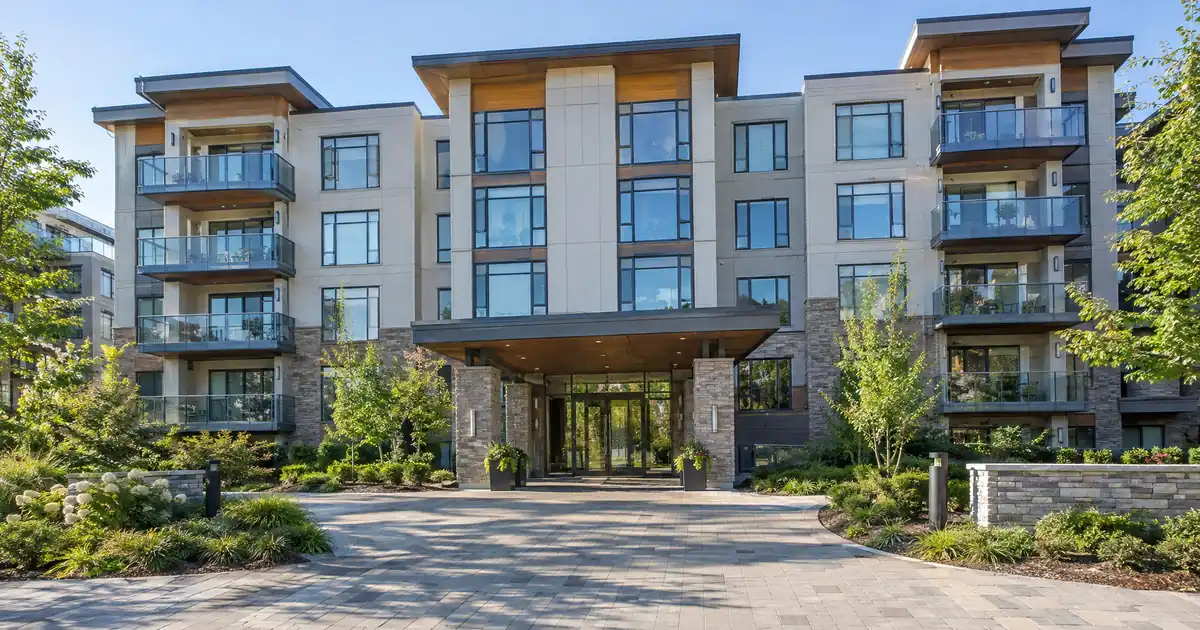
A condotel is a condominium project operated like a hotel. Investopedia defines it as a condo project run as a hotel, with a registration desk and cleaning service, where owners can place a unit in a rental program.
Lenders in the network look at operations, not paperwork. Separate deeds and an HOA do not make a building a normal condo. These features usually do the opposite:
- A rental desk or front-desk check-in
- Mandatory or optional rental pooling
- Short-term booking run by the project
- On-site hospitality such as a restaurant or spa
- Limits on owner occupancy
A building can be marketed as a condo and still be classed as a condotel. Ask how the project is labeled in the legal documents, not in the listing.
Is My Unit Actually a Condotel? A Checklist
Run these steps before you spend time on an application.
1. Get the project’s declaration, bylaws, and rental-program agreement from the association or management company.
2. Ask in writing whether there is a rental pool, a front desk, or a management agreement that handles bookings.
3. Check for owner-occupancy limits or mandatory participation in a rental program.
4. Look at the association’s budget and any pending litigation or special assessments.
5. Ask a lender how the project is classified before you assume anything. A lender’s label controls, not the marketing.
If the answers point to hotel operations, drop the HELOC route. If the project is a plain condo, the line may be open.
Condotel, Non-Warrantable Condo, or Plain Condo?
These three get mixed up constantly. The file treatment differs.
| Property type | Rental HELOC on the network | DSCR cash-out path |
|---|---|---|
| Plain condo | Eligible | Eligible |
| Non-warrantable condo | Eligible | Eligible, project review applies |
| Condotel | Not offered | Available, tighter leverage |
| Co-op | Not offered | Varies by lender |
A non-warrantable condo is usually one with heavy investor ownership, one owner holding many units, pending litigation, or a large commercial component. That label does not stop a rental HELOC on this network. Condotel status does.
DSCR loans sit outside agency project rules. For contrast only, Fannie Mae’s Selling Guide lists projects that operate as hotels as ineligible for agency loans. That explains why the condotel label exists. It does not govern DSCR files.
What Does a Landlord With a Condotel Do Instead?
The working alternative is a DSCR cash-out refinance. A HELOC adds a line beside the existing first mortgage. A DSCR cash-out replaces that first mortgage with a new loan, so you swap the whole structure rather than add to it.
Across the wholesale network, DSCR lenders review condotels as business-purpose investment loans. The file qualifies primarily on property-level rental income covering the payment, subject to lender guidelines. The label changes which lender can touch the deal, not whether any lender can. Condotels typically sit under a tighter leverage cap than ordinary non-warrantable condos.
Typical ranges on the network: cash-out tops out around 75% LTV on most files, with about 6 months of seasoning common. Most programs want a score near 660, and a 620 floor exists in parts of the network. Short-term rental collateral steps down to around 70% on cash-out. Reserves vary by lender, leverage, and loan size, commonly around 6 months of PITIA.
Coverage matters too. A 1.00 ratio is where many select programs start. A separate select-lender path takes coverage below 1.00, with leverage and terms adjusted. Clearing 1.00 is not the same as positive cash flow, because repairs, vacancy, management fees, and utilities sit outside the calculation. In a condotel, HOA dues count in PITIA, and they can be heavy.
For the full picture, see the complete DSCR loans guide.
Why Title Matters Before Property Type Does
A rental HELOC on this network needs title in the individual borrower’s name or a revocable living trust. An LLC, corporation, partnership, or irrevocable trust cannot hold it. A condotel already deeded to an LLC would fail on title even if the property type were acceptable.
DSCR loans are the sharper tool here. They can close in an LLC, subject to lender program eligibility. For investors who hold property in entities, that is the structural difference.
HELOC vs DSCR Cash-Out for a Condotel Owner
| Factor | Rental HELOC | DSCR cash-out |
|---|---|---|
| Tested on | Personal credit and DTI | Rent against payment |
| Lien | Line beside first mortgage | Replaces first mortgage |
| Title | Individual or revocable trust | LLC possible per program |
| Condotel | Not offered | Available, tighter leverage |
| Typical cap | 70% CLTV, $500,000 | About 75% LTV on most files |
A HELOC suits an investor with strong personal credit and low DTI. DSCR suits someone whose personal income does not tell the story. A condotel owner usually falls under DSCR either way.
Short-Term Rental Condo vs Condotel
An owner who rents a plain condo on Airbnb does not own a condotel. Short-term rental income can qualify separately from condotel status. The difference is operations: a plain condo has no front desk and no rental pool.
For short-term rental collateral, the network typically wants a 640+ score and about 12 months of hosting history, with purchase leverage up to 75% and cash-out around 70%. Short-term rental rules can vary by city, county, HOA, and property type, so investors should confirm local rules before relying on projected rental income.
Practical Scenario
Picture two owners with the same equity. One owns a plain condo in a conventional building, with title in a revocable trust, a 720 score, and moderate DTI. That owner can look at a rental HELOC up to 70% CLTV on the investment line. The other owns a unit in a project with a front desk and a rental pool, titled in an LLC. That owner fails on property type and on title. The second owner’s route is a DSCR cash-out, where rent coverage near 1.0x or better and the project review drive the file. Same equity, different tools.
Risks to Plan For
Do not count on a HELOC as a cheap standby reserve against a condotel. Plan for a full refinance as the equity-access tool.
A HELOC also carries its own risks. The CFPB notes a lender may freeze additional draws if the home’s value drops or the borrower’s finances change. On the network, pricing floats across both the draw and repayment period and never converts to fixed.
On condotel cash flow, operator splits and HOA fees weigh on returns. Resale can also be harder when credit markets tighten. Tax treatment can depend on how the funds are used and how the property is held; investors should keep clear records and speak with a qualified tax professional before relying on any deduction.
One more strategy point: a recently bought rental often has no equity room, so a line sometimes has to sit on a primary home or an older rental instead. That is a planning note, not a condotel financing option.
Key Terms Defined
Condotel: A condo-style unit in a project with hotel features such as a front desk, rental pool, or on-site hospitality.
CLTV: Combined loan-to-value, which adds all liens on the property and divides by its value.
Non-warrantable condo: A condo project that falls outside standard project rules, often because of investor concentration or litigation.
PITIA: Principal, interest, taxes, insurance, and association dues, the payment that rent is measured against in a DSCR file.
DSCR cash-out refinance: A new first mortgage that replaces the old one and pays out equity, underwritten on rental income against the payment.
Frequently Asked Questions
Can I put a condotel in an LLC and still get a rental HELOC?
No. Title for a rental HELOC on this network must sit with an individual or a revocable living trust. DSCR loans can close in an LLC, subject to lender program eligibility, which is why most entity-held condotels go that route.
My bank said no to my condo. Is it a condotel?
Not necessarily. Many banks decline condos or non-primary properties for reasons unrelated to hotel operations. Ask the lender how it classified the project, then check the project documents for a rental pool or front desk.
Does renting on Airbnb make my condo a condotel?
No. Short-term rental use by an owner is different from a project with a front desk and a rental pool. The label turns on how the building operates, though short-term rental underwriting has its own history and score expectations.
Can a non-warrantable condo get a rental HELOC?
Yes, on this network, up to 70% CLTV on an investment line with a 700 minimum score, subject to lender guidelines. Condotels are a separate category and are not offered.
What is the largest line available on an investment property?
$500,000 total, at 70% CLTV. There is no higher investment tier. Lines above $500,000 apply to primary residences only.
If you are considering a home equity line and want to see how the numbers work, Lendmire can help you compare HELOC options based on the property, the equity available, credit profile, combined leverage, and your goals.
About Lendmire
Lendmire — NMLS# 2371349 — is a mortgage broker that arranges home equity lines of credit in its 16 full-service states through wholesale lenders, on primary residences, second homes and investment properties. Every line is subject to the lender’s guidelines and full underwriting. Scotsman Guide named Lendmire a Top Mortgage Workplace in both 2025 and 2026.
Investors who want the broader program framework can review how DSCR loans work.
Get Started
Ready to find the right loan for you?
In about 30 seconds you can review financing options available for your home or investment property. No commitment required.
Informational only. Not a Loan Estimate, approval, or commitment to lend. Program availability and eligibility are subject to lender guidelines, credit approval, property review, and underwriting.
References
1. CFPB – What is a Home Equity Line of Credit (HELOC)?
2. NerdWallet – Can You Get a HELOC on an Investment Property?
4. Fannie Mae Selling Guide – Ineligible Projects
This article is part of Lendmire’s investment property HELOC program — full qualification details, guidelines, and scenarios live on the program page.
Related reading: Cash-Out Refinance Title Requirements on an Inherited Tenanted Rental · Probate and Title Requirements for an LLC-Held Inherited Rental Refinance · How to Stress-Test DSCR on a Short-Term Rental Cash-Out Refinance
Brandon Miller
Founder & CEO, Mortgage Loan Originator, Lendmire LLC
- Mortgage Loan Originator · NMLS# 1129696 · Verify on NMLS Consumer Access
- North Carolina Real Estate Broker · License# 343312 · Verify on NCREC
- North Carolina Insurance Producer · License# 19053198 · Property, Casualty, Life, Health · Verify on NAIC SBS
- Lendmire LLC · Firm NMLS# 2371349 · Verify firm licensure
Required disclosures. Lendmire (NMLS# 2371349) operates as a licensed mortgage broker, not a direct lender or depository. The discussion in this article is general in nature and should not be relied upon as financial, legal, or tax advice — every investment scenario is unique and should be reviewed by a qualified professional. Any loan inquiry is subject to lender underwriting, and this article is not a commitment to lend or a guarantee of approval. Mortgage rates, loan terms, and program guidelines vary by borrower, property, and state, and may change without notice. Equal Housing Opportunity. Verify licensure at NMLS Consumer Access.