
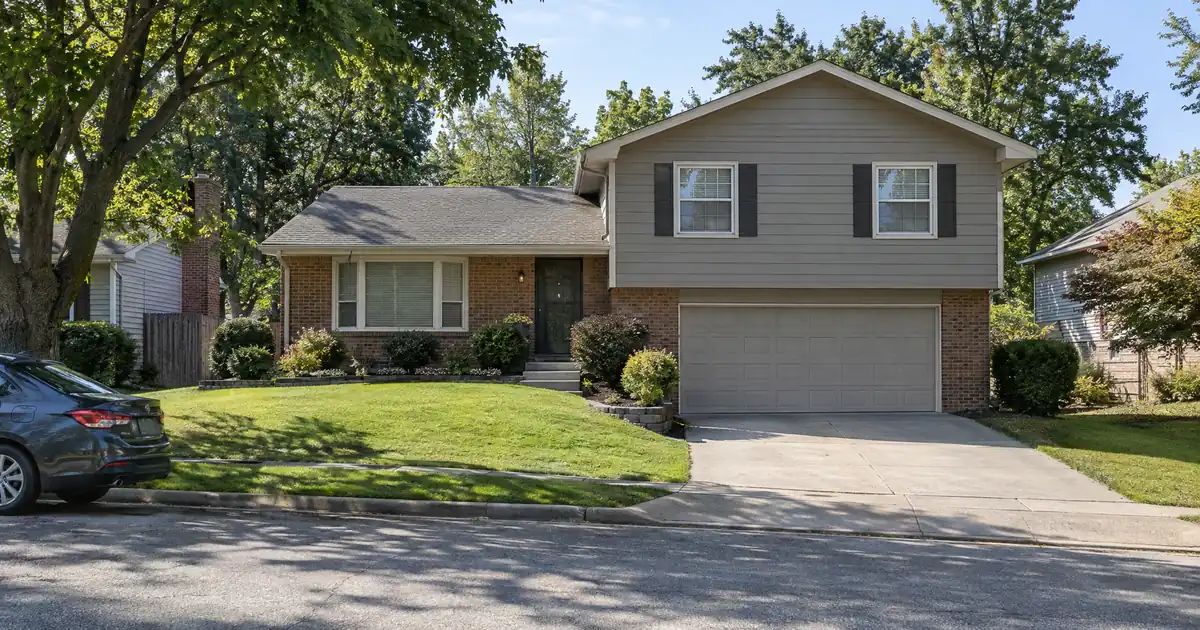
The Quick Read: It depends on the next loan you apply for: a lender that scores your personal income counts the HELOC payment as your debt, while a DSCR lender tests only the rental property’s rent against that property’s own payment and generally leaves a HELOC secured by a different property out of the ratio. Paying cash for the rental does not erase the line. The debt simply sits on whichever property backs it.
- Income-based loans (DTI): the HELOC payment generally counts, and a new mortgage stacks on top of it.
- DSCR loans: the ratio uses rent and the subject property’s payment only, so a HELOC on another property typically stays out of that number.
- Still in the file: credit, reserves, and verified cash are reviewed either way, so the line never fully disappears.
- Watch the lien: a HELOC placed on the newly bought property can change what the next lender will do, subject to lender guidelines.
Key Terms Defined
DTI (debt-to-income ratio) is your monthly debt payments divided by your gross monthly income.
DSCR (debt service coverage ratio) is the property’s monthly rent divided by its monthly housing payment.
PITIA is principal, interest, taxes, insurance, and association dues, the full monthly obligation on a property.
HELOC is a home equity line of credit, a revolving line secured by a property you own.
CLTV (combined loan-to-value) is all loans against a property added together, divided by its value.
Seasoning is the waiting period a lender wants between owning a property and refinancing it.
How large a line the equity supports.
An equity line is sized by combined loan-to-value, occupancy, and credit — not by rental coverage. Switch the occupancy or the credit band and the ceiling moves with it.
Investment-property lines require a 700 minimum credit score; second-home lines start at a 640 minimum and primary-residence lines at 600, and the combined-LTV ceiling steps down as the credit band drops on primary-residence and second-home lines and holds on investment-property lines; the line cap steps down on primary-residence lines and holds at every tier on investment-property and second-home lines.
A debt-to-income ratio above 45% requires 680+ credit. Profiles under 640 are limited to single-family homes. At least 75% of the approved line is drawn at closing. Ceilings, floors, and caps update from Lendmire’s centralized guideline source.
Line estimate
Illustrative estimate only — not a quote, Loan Estimate, approval, or commitment to lend. The rate is an editable assumption; equity-line pricing is variable through both the draw and repayment periods and never converts to fixed. Occupancy and credit drive the ceiling together: an investment property tops out at 70% combined LTV (minimum credit 700, line cap $500,000); a second home tops out at 90% combined LTV (minimum credit 640, line cap $500,000), with the ceiling stepping down as the credit band drops (the cap holds at every tier); a primary residence tops out at 90% combined LTV (minimum credit 600), and its $750,000 maximum line is available only at 75% combined LTV or below with a 700-or-better credit profile (720 on the longer-runway program) and a full appraisal. Lines above $500,000 require a full appraisal. Credit, debt-to-income, property type, and full underwriting review all affect the final line.
Why a Cash Purchase Doesn’t Erase the HELOC
Picture an investor who draws on the line against a primary home and buys a rental outright. The rental has no mortgage. The investor still owes the line, and that line is reported and underwritten on the person, not the rental.
So “cash purchase” describes the closing table, not your balance sheet. The seller got paid in full, and the settlement statement shows no financing. Your credit report tells a different story. It shows a new or larger balance on the property that secures the line.
Whether that balance matters depends entirely on how the next lender qualifies you. That one question is the whole answer.
How a DSCR Lender Treats It
A DSCR loan is reviewed primarily on property-level rental income covering the payment, subject to lender guidelines. The lender divides the subject property’s rent by that property’s PITIA. A HELOC secured by a different property is not in that denominator, and its payment generally stays out of the coverage ratio.
DSCR loans are designed for non-owner-occupied investment properties. Because they are business-purpose investor loans, they are reviewed differently from a standard owner-occupied mortgage. That difference is why the lender can look at the property instead of your paycheck.
Here is the catch. “Left out of the ratio” is not the same as “invisible.” The lender still pulls credit. It still checks reserves, the appraisal, and the rent schedule. If you pulled cash from the line, the lender still verifies where the money sits. A lender also decides for itself how to treat any other debt, including whether a loan reports to credit and whether you personally guaranteed it.
Across Lendmire’s wholesale network, the pattern is consistent. The HELOC does not move the DSCR number, but it does shape the rest of the file. Heavy draws that drain your cash can thin the reserves a lender wants to see, commonly around 6 months of PITIA, though reserves vary by lender, leverage, loan size, and transaction type.
For the full picture of how these loans work, see Lendmire’s complete DSCR loans guide.
What an Income-Based Lender Does Instead
On a DTI-based loan, the HELOC counts. Your personal income is the test, so every personal debt goes in the numerator.
For contrast only, the conventional agency model shows the logic. Freddie Mac’s Seller/Servicer Guide says HELOC payments belong in monthly DTI when a balance is outstanding. If no payment appears on the credit report or in the file, it assumes a payment of 1.5% of the balance. That is an agency rule, and it does not govern DSCR loans.
The same agency world also has a delayed-financing exception. Fannie Mae’s Selling Guide allows a cash-out refinance soon after a cash purchase when the purchase money came from an unsecured loan or a loan secured by another asset, such as a HELOC on a different property. It measures a six-month window from purchase to disbursement of the new loan. DSCR lenders set their own seasoning and cash-out rules, so treat this as background, not a promise.
| Next loan | HELOC payment in the ratio? | What the test uses |
|---|---|---|
| Income-based (DTI) | Yes | Your income vs. all debts |
| DSCR purchase or refinance | Generally no, if secured elsewhere | Rent vs. subject PITIA |
| Another HELOC | Yes | Credit, DTI, combined leverage |
Individual lenders can add overlays on top of any of these. Some count a higher payment than the credit report shows, and some look at the full line instead of the drawn balance.
How the HELOC Itself Gets Underwritten
The line you used for the cash purchase had its own test, and it was personal. A HELOC checks credit, DTI, and housing history. It does not test rental cash flow.
For investment-property lines placed through Lendmire’s wholesale partners, the typical guidelines look like this:
- Leverage: up to 70% CLTV on an investment property.
- Line size: up to $500,000, with a 700 minimum credit profile.
- DTI: 50% maximum, qualified on the interest-only payment calculated on the maximum draw.
- Structure: a first or second lien, with a 5-year draw followed by a 25-year repayment period on investment lines.
- Title: an individual or an inter vivos revocable living trust. An LLC cannot hold title on this product.
Notice how the DTI is calculated. The line is tested at the maximum draw, not at what you actually pull. So the old idea that a line only counts if you draw on it does not hold on these files. An undrawn line can still shape a DTI-based decision, because the lender may size the payment on the full amount.
Primary-residence and second-home lines follow different, looser tiers. All of this is subject to lender guidelines and full file review. This is not a commitment to lend. Lendmire is a broker, not the lender. The investor HELOC is available only in Lendmire’s 16 full-service states, which is narrower than its DSCR reach.
Walking Through the Sequence
Run the numbers on a common path. An investor with a paid-down primary home draws a HELOC, buys a rental with cash, and wants the money back out.
1. Draw and buy. The line funds the purchase. The rental closes with no lien.
2. Season it. The investor collects rent and documents the lease. Many DSCR cash-out files expect about 6 months of seasoning, though lenders set their own.
3. Refinance on DSCR. The lender tests rent against the new payment. Say the property clears roughly 1.2x coverage. Cash-out on a standard rental tops out around 75% LTV across most of the network.
4. Pay down the line. Proceeds can retire the HELOC and free the equity for the next deal. The exact numbers vary by lender and program and follow a full review of property, leverage, and credit.
The DSCR step ignores the HELOC payment, which is why the strategy works for investors who are already carrying other debt. A DSCR lender also looks at one property at a time. Your personal DTI does not cap how many properties you can finance.
Two quick notes on that last step. Closing a DSCR loan in an LLC is common, subject to lender program eligibility, which is a real difference from the HELOC. And 1.00 coverage is where many select programs start; stronger ratios generally open better leverage and pricing. A separate select-lender path accepts coverage below 1.00, with leverage and terms adjusted.
Where This Goes Wrong
A lien on the new property. Placing a HELOC or any other lien on the rental after the cash purchase can break delayed-financing treatment where it applies, and you cannot undo that later. A HELOC on a different property generally does not cause that problem.
Hard-money or bridge purchases. These are not cash purchases. A refinance out of one is treated as a standard cash-out, with standard leverage limits.
A conventional loan next. If your next move is an income-based mortgage, the HELOC payment and the new mortgage both stack in the ratio. That can use up the room fast.
A lender-specific overlay. One lender may treat the line differently than another. This is a genuine toss-up on some files, and asking before you apply costs nothing.
The nickname problem. A so-called DSCR HELOC is a market nickname, not a standard product. A true revolving HELOC on a rental is underwritten on you and is rare. The rent-qualified version is usually a closed-end second lien or a DSCR cash-out refinance.
Owner-occupied property. If you live in the property, DSCR is the wrong tool. A HELOC or another owner-occupied product is the likelier route.
Does the HELOC Payment Still Hurt Cash Flow?
Yes. It is invisible to the DSCR test and very real to your bank account.
Clearing 1.00 coverage is not positive cash flow. DSCR compares rent to PITIA only. Repairs, vacancy, management, utilities, and capital expenses sit outside the calculation, and so does your HELOC payment. A rental can clear the ratio and still lose money once those costs and the line payment hit.
A DSCR lender also does not see how thin your monthly margin gets, but you will. Before you rely on the line to fund a purchase, add the HELOC payment to your own cash-flow math, not the lender’s.
What Investors Should Do First
Sequence matters more than people expect. A few rules of thumb from files across the network:
- Decide the next loan before you draw. If the next loan is DTI-based, run the HELOC payment into your ratio first. A borrower already near 40% DTI has little room against a 50% maximum.
- Keep the lien off the new property. Borrow against something else, or buy with other funds.
- Keep cash trails clean. Save the settlement statement, bank statements tracing the funds, the HELOC paperwork, the lease, and any renovation receipts.
- Don’t count the line as reserves. Lenders vary on whether an undrawn line helps. Most want money actually sitting in the account.
- Ask about seasoning early. DSCR lenders set their own waiting periods, and the answer changes your timeline planning.
An honest tradeoff: a HELOC solves the cash problem, but it can create a ratio problem later if another loan is scored on income. Investors with high DTI or several financed properties often end up at DSCR for that reason. Buying with all your own cash avoids the issue, but it ties up capital that a financed deal would not.
For a side-by-side view, see Lendmire’s piece HELOC as Down Payment vs Full Cash Purchase of a Rental.
Tax treatment can depend on how the funds are used and how the property is held; investors should keep clear records and speak with a qualified tax professional before relying on any deduction.
Common Misconceptions
Paying cash means I have no debt. Not if the cash came from a line. The debt moved to another property’s lien. It still shows on your credit.
DSCR means the HELOC is invisible. It is absent from one test only. Credit, reserves, and the appraisal are still reviewed, and the line affects your cash position.
Delayed financing means no seasoning on any loan. That is an agency exception, and it only waives the waiting period. DSCR lenders write their own rules.
A HELOC on the new property keeps me eligible. A lien added after a cash purchase can forfeit delayed-financing treatment.
I only count it if I draw. On network lines, the qualifying payment is figured on the maximum draw.
Frequently Asked Questions
Does an unused HELOC still count in DTI?
On a DTI-based loan, often yes. Many lenders size the payment on the limit or on the maximum draw, not the balance. Network investment lines are qualified on the interest-only payment at the maximum draw, so the line can affect your ratio even with a zero balance.
Will a HELOC on my primary home hurt a DSCR refinance on the rental?
Generally not in the coverage ratio, since the line is secured by a different property. The lender still reviews your credit, reserves, and verified cash. A big draw that leaves you thin on reserves is the likelier problem.
Can I put the HELOC on the rental I just bought?
You can, but it carries consequences. A lien on a newly bought cash property can break delayed-financing treatment where it applies. An investment-property line also runs up to 70% CLTV, up to $500,000, with a 700 minimum credit profile. Title must sit with an individual or a revocable trust, not an LLC.
Can I hold the rental in an LLC if I used a HELOC to buy it?
The HELOC itself cannot be held by an LLC on this product. Title for a DSCR cash-out refinance can generally go in an LLC, subject to program terms. A property already deeded to an LLC needs a vesting change for a HELOC instead.
Does a HELOC count as reserves for a DSCR loan?
Rules vary by lender. Many prefer cash actually in the account. Reserves commonly run around 6 months of PITIA, but conservative rate-and-term files at modest leverage under $1,500,000 can see them waived, and larger loans typically step up to about 9 months.
Next Step
If you are considering a home equity line and want to see how the numbers work, Lendmire can help you compare HELOC options based on the property, the equity available, credit profile, combined leverage, and your goals. On the investor side, DSCR programs reach investors across 41 markets, including Washington, D.C., arranged through select lenders in Lendmire’s wholesale network. Any illustrative calculator estimate is just that: an estimate, not a quote.
The cleaner your plan for the next loan, the less the HELOC matters, and the sooner you know which test your rental will face, the better you can sequence the whole move.
About Lendmire
Lendmire (NMLS# 2371349) is a mortgage broker. Home equity lines of credit — on a primary residence, a second home or an investment property — are arranged through wholesale lenders in Lendmire’s 16 full-service states, and every line is underwritten by the lender under its program guidelines. Scotsman Guide named Lendmire a Top Mortgage Workplace in both 2025 and 2026.
Get Started
Ready to find the right loan for you?
In about 30 seconds you can review financing options available for your home or investment property. No commitment required.
Informational only. Not a Loan Estimate, approval, or commitment to lend. Program availability and eligibility are subject to lender guidelines, credit approval, property review, and underwriting.
References
1. Freddie Mac Seller/Servicer Guide, Section 5401.2
2. Fannie Mae Selling Guide, B2-1.3-03 Cash-Out Refinance Transactions
This article is part of Lendmire’s home equity line of credit program — full qualification details, guidelines, and scenarios live on the program page.
Related reading: HELOC Tiers for a First-Time Equity Borrower on a Primary Home · How a HELOC Funds Four Years of Tuition for a Parent Borrower · How Much Home a First-Lien HELOC Down Payment Supports After DTI
Brandon Miller
Founder & CEO, Mortgage Loan Originator, Lendmire LLC
- Mortgage Loan Originator · NMLS# 1129696 · Verify on NMLS Consumer Access
- North Carolina Real Estate Broker · License# 343312 · Verify on NCREC
- North Carolina Insurance Producer · License# 19053198 · Property, Casualty, Life, Health · Verify on NAIC SBS
- Lendmire LLC · Firm NMLS# 2371349 · Verify firm licensure
Legal disclosures. Lendmire (NMLS# 2371349) is a state-licensed mortgage brokerage that arranges financing through wholesale lender relationships. Lendmire is not a direct lender, depository institution, or registered financial advisor. The discussion above is general informational content about real estate financing — it is not financial, legal, or tax advice, and readers should consult licensed professionals for guidance on their individual circumstances. Loan inquiries are subject to lender underwriting; this article does not represent a commitment to lend. Loan terms, rates, and qualification standards vary by borrower, property, and state, and are subject to change at any time. Equal Housing Opportunity. NMLS Consumer Access: nmlsconsumeraccess.org.