
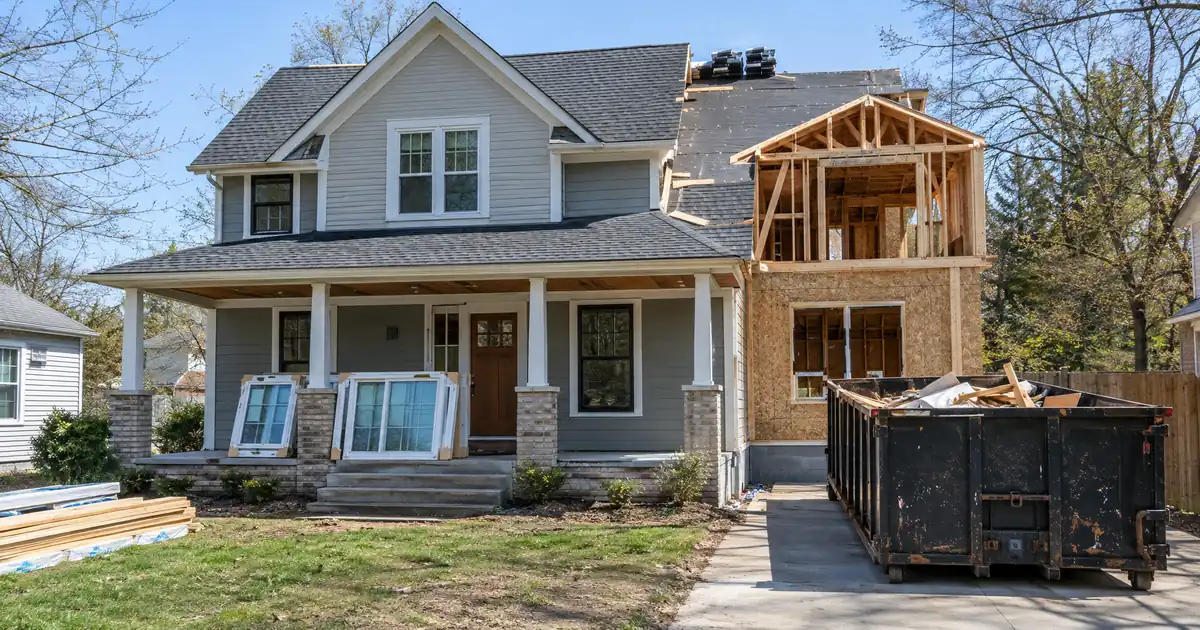
The Quick Read: A HELOC is a personal credit line secured by a property you already own, while hard money is a short-term loan secured by the flip itself. The HELOC fits investors with strong equity and clean personal credit who want flexible cash. Hard money fits investors whose strength is the deal, not the paperwork. Most files lean one way based on three things: where the equity sits, how the flip will be titled, and how the exit works.
- A HELOC qualifies you as a person. Hard money qualifies the property, the plan, and the exit.
- A HELOC can be frozen or reduced mid-project. Hard money commits at closing, and rehab money releases in draws.
- A HELOC puts the property that secures the line at risk. Hard money puts the flip at risk, and you typically guarantee it personally.
- Many investors refinance out of hard money into long-term rental financing once the property is stabilized.
The honest answer on who each is for: a HELOC suits the investor with a paid-down home or rental, steady documented income, and the patience to keep a line open for repeat use. Hard money suits the investor who needs the loan sized to the project, wants the flip held in an LLC, or lacks home equity to borrow against. Neither is better in the abstract. They solve different problems.
What this loan actually costs to carry.
Hard money is sized against the project and priced by time. Enter the deal and see how much the program will lend, the cash required at closing, the carry while you hold it, and what is left at the exit.
Leverage tiers on the current program: 85% with fewer than 2, 90% with 2 or more, 93% with 5 or more completed projects — every tier capped at 75% of after-repair value. Loan amounts up to $5,000,000, larger by exception; terms of 6 to 18 months, interest-only, no prepayment penalty. The rehab portion funds in draws against completed work, not at closing.
Program parameters shown update from Lendmire’s centralized guideline source. Rate, points, and months are editable assumptions, not quoted terms.
Cost cap sets the loan · positive spread
Illustrative estimate only — not a quote, Loan Estimate, approval, or commitment to lend. Rate, points, and months are editable assumptions. Hard money is business-purpose financing for real estate investors, not a consumer mortgage. Leverage on the current program tops out at 93% of project cost for investors with a documented track record, capped at 75% of after-repair value, with rehab funding up to 100% of the documented budget released in draws; actual terms vary by lender, borrower experience, property, and exit. Lendmire is a mortgage broker, not a lender.
Side-by-Side
The HELOC column below reflects published industry norms and consumer-credit structure. The hard money column reflects typical program structure in the wholesale network, and every figure varies by lender, property, and experience. Nothing here is a commitment to lend.
| Factor | HELOC | Hard Money |
|---|---|---|
| Review basis | Your credit, income, and equity | Property, rehab plan, and exit |
| What secures it | A property you already own | The flip property |
| Documentation | Personal income and debt review | Contract, scope of work, budget, entity file |
| Property types | Owner’s existing property | Non-owner-occupied 1-4 units |
| Entity vesting | Individual or trust, typically | LLC common, with a personal guaranty |
| Rehab money | Cash you draw yourself | Holdback released in draws |
| Reserve expectations | Reviewed within personal finances | Proof of funds for down payment and costs |
| Timeline | Setup comes before the deal | Tied to the purchase contract |
| Main risk | Line frozen; secured property at risk | Short term; exit must work |
How a HELOC Works for a Flip
A HELOC is an open-end line. The CFPB describes it as credit you can borrow against repeatedly, using home equity as collateral. Equity is simply the property’s value minus what you owe on the mortgage. Lenders review your income, debts, and credit history before they set the limit.
The line gives you cash, not a purchase loan. You draw the funds and use them to buy and renovate, or as a down payment alongside other financing. Because the flip is not the collateral, its condition does not drive the line’s size. That is a real advantage on a heavy rehab.
The catches are practical. Many lines are variable, and the CFPB’s HELOC booklet warns that falling behind can cost you the property that secures the line. It also notes some lenders charge up-front costs such as appraisal and application fees. And the line can be reduced or frozen. Federal rules under 12 CFR 1026.40 limit when a lender may do that, but a significant drop in value or a material financial change can still trigger it.
Which property secures the line matters too. Many flippers use their own home, which puts that home behind the deal. Lines on rental property are scarcer and tighter, and terms differ by occupancy. Check whether the line’s terms restrict renting out the secured property before you rely on it.
How Hard Money Works for a Flip
Hard money is an asset-based, short-term loan secured by the property being bought. Across our wholesale network, the lender looks at the purchase price, the rehab budget, the after-repair value (ARV, meaning what the property should be worth once the work is done), and your exit plan. Personal income carries less weight, though credit, reserves, and experience still shape the terms.
Typical structure on the programs we place, varying by lender, property, and experience:
- Fix-and-flip leverage runs about 85% of project cost with fewer than two completed projects, about 90% at two or more, and about 93% at five or more. Every tier is capped at 75% of ARV.
- Up to 100% of the rehab budget funds in draws against completed work. That is a rehab-budget figure, not a purchase LTV.
- Bridge purchases without rehab run up to roughly 80% of purchase price.
- Terms run 6 to 18 months, interest-only, with no prepayment penalty.
- Credit starts around a 620 score, with added conditions below 660. First-time investors typically land in the lower leverage tiers.
- Loan amounts go up to $5,000,000, with larger loans by exception.
Two tests size the loan: loan-to-cost and loan-to-ARV. The lower result governs. So a loan that looks generous against cost can shrink when the ARV cap bites. There is no true 100% purchase program. Investors who want a “zero down” outcome are usually stacking other cash or capital into the down payment, not finding a loan that funds the entire price.
Draws deserve a plain explanation. Rehab money is not wired at closing. You pay contractors first, submit a draw request, and an inspector verifies the work before reimbursement. Investors on BiggerPockets describe the same pattern, including per-draw fees that lead some to limit the number of draws. The upshot: you need enough working cash to front early work.
When a HELOC Is the Better Fit
A HELOC is the stronger tool in a handful of situations.
You have deep, reliable equity. If a paid-down home or rental can support the line, you borrow against assets you already control. No project underwriting is required.
Your income documents cleanly. A W-2 or well-documented self-employed investor can qualify on personal credit and debt-to-income. That makes a HELOC a natural fit for someone whose personal profile is stronger than their flipping résumé.
You want to pay interest only on what you draw. A HELOC accrues on the drawn balance. A hard money loan carries interest on the funded loan balance, with rehab funds accruing as they release.
You flip repeatedly in small amounts. A revolving line can be reused between projects, which a one-time loan cannot.
The rehab is heavy or unusual. Because the flip does not secure the line, a gut renovation does not complicate sizing.
The tradeoffs are real. The line can be frozen before you draw, so draw funds before you go under contract if you plan to rely on it. Your own property is on the line if the flip stalls. And a HELOC will not put the flip in an LLC, since lines are personal credit. If asset protection matters, you move cash from your personal name into the entity, which adds a step.
When Hard Money Is the Better Fit
Hard money earns its place when the deal is the strength and the borrower file is not the point.
You lack home equity, or do not want your home behind the deal. The collateral is the flip, not your residence. That separation matters to many investors.
You want the flip held in an LLC. Hard money generally accommodates entity borrowers, typically with a personal guaranty from the principals. The entity vesting is the sharpest structural difference between the two products.
You need leverage sized to the project. On the strongest tier, 93% of project cost, capped at 75% of ARV, goes further than most equity lines can on their own. That tier is reserved for experienced investors, and subject to lender guidelines.
You want built-in oversight. Inspected draws impose a discipline that a HELOC does not. With a HELOC, budget control is entirely yours. Some investors find the draw process a nuisance. Others find it keeps a renovation honest.
A refinance exit is planned. Many investors refinance out of hard money into long-term DSCR financing once the property is stabilized and rented. Lendmire brokers that path. Rent coverage is then measured against the full monthly obligation. Clearing 1.00 on that test is not the same as positive cash flow, since repairs, vacancy, and management sit outside the calculation.
The tradeoffs: the term is short, so the exit has to work on schedule. You carry a personal guaranty. And fees on draws and inspections add up on a long project.
The Hybrid Question
Investors sometimes use HELOC cash as the down payment on a hard money loan. It can work, but two issues come up. A hard money lender may ask about the source of borrowed down-payment funds. And a line can be frozen before you draw. If you plan this route, open the line well before you need it and draw the money before you go under contract.
Layering also stacks obligations. You carry the line’s repayment alongside the hard money loan, and the safety margin shrinks if the project runs long. A delay hurts more when two lenders are waiting for repayment, and your own property secures one of them.
Which Fits Your File
Run through these questions in order:
1. Do you have equity you can borrow against without straining your finances? If not, hard money is the more realistic path.
2. Must the flip sit in an LLC? If yes, hard money is the more natural fit. Lines are generally tied to individuals or trusts.
3. Is your documented income stronger than your flipping track record? A HELOC leans on your personal profile. Hard money leans on the deal and your experience tier.
4. How would you cover a delay? A HELOC’s exposure is your property. Hard money’s exposure is the flip plus your guaranty.
5. What is the exit? A sale pays off either. A hold-and-rent exit points toward a refinance into DSCR financing, and Lendmire’s complete DSCR loans guide explains how that stage works.
Tax treatment can depend on how the funds are used and how the property is held; investors should keep clear records and speak with a qualified tax professional before relying on any deduction.
Common Mistakes
Treating a HELOC as guaranteed cash. Approval does not lock the funds. Lines can be reduced or frozen under the circumstances federal rules allow.
Assuming hard money funds the whole rehab on day one. It does not. Draws follow completed work, so plan your working capital.
Assuming hard money ignores the borrower. Credit, reserves, and experience still affect leverage and structure. Underwriting stays asset-based, but you are still part of the file.
Underestimating the timeline. Short terms leave less room than investors expect. Build in a buffer, and know your exit before you close.
Ignoring the leverage gap. A loan sized to cost can be pulled back by an ARV cap. Check both tests.
And for investors weighing leverage on a purchase plus full rehab, see Lendmire’s piece Hard Money vs DSCR Cash-Out Leverage on Purchase Plus Full Rehab.
Key Terms Defined
HELOC: A revolving credit line secured by property you own, with a draw period followed by repayment.
Hard money loan: A short-term, asset-based loan secured by the property being bought and renovated.
ARV (after-repair value): The estimated value of the property once renovations are complete.
Loan-to-cost: The loan amount as a share of total project cost, meaning purchase price plus rehab.
Holdback and draws: Rehab funds held by the lender and released in stages after the work is verified.
DSCR: Debt service coverage ratio, which compares a property’s rent to its monthly obligation. Qualification runs primarily on property-level rental income covering the payment, subject to lender guidelines.
Frequently Asked Questions
Can I use a HELOC to buy and rehab a flip outright?
Sometimes, if the line is large enough and the cash is drawn before you need it. The line supplies money, not a purchase loan, so you close with cash. The risk is that a lender can reduce or freeze the line, and your own property secures it.
Can HELOC funds serve as a hard money down payment?
Often, yes, though the hard money lender may ask where the funds came from. Draw the money before you go under contract. Terms vary by lender, property, and experience.
Does hard money work for a first flip?
Yes, it can work for a first flip. First-time investors typically qualify at the lower leverage tiers, around 85% of project cost, capped at 75% of ARV. Credit generally starts near 620, with added conditions below 660. Nothing is guaranteed, and each file is underwritten individually.
What happens if the flip does not sell on schedule?
Hard money terms run 6 to 18 months, so a delay means refinancing, extending where a lender allows it, or selling. Many investors refinance a stabilized property into long-term DSCR financing. With a HELOC, your own property stays exposed until the balance is repaid.
Can a lender freeze a HELOC mid-rehab?
Yes, under defined circumstances. A significant decline in value or a material change in your finances can allow a reduction or freeze under 12 CFR 1026.40. This risk is the main reason to draw funds early.
If you are buying, rehabbing or refinancing an investment property on a short timeline and want to see how the numbers work, Lendmire can help you compare hard money options based on the project, the exit plan, leverage, and your goals. Lendmire is a broker arranging financing through select lenders across 41 markets, including Washington, D.C. Loans are subject to lender guidelines and are not a commitment to lend.
About Lendmire
Lendmire (NMLS# 2371349) is a mortgage brokerage focused on DSCR investor financing, helping arrange programs through wholesale and investor-lending channels in 41 markets, including Washington, D.C. DSCR loans are evaluated by the lender on property cash flow rather than personal income, subject to lender guidelines, supporting LLC closings and accommodating investors with four or more financed properties. Scotsman Guide Top Mortgage Workplace in both 2025 and 2026.
Get Started
Ready to find the right loan for you?
In about 30 seconds you can review financing options available for your investment property. No commitment required.
Informational only. Not a Loan Estimate, approval, or commitment to lend. Program availability and eligibility are subject to lender guidelines, credit approval, property review, and underwriting.
References
3. BiggerPockets – rehab draws thread
This article is part of Lendmire’s hard money loan program — full qualification details, guidelines, and scenarios live on the program page.
Related reading: HELOC Tiers for a First-Time Equity Borrower on a Primary Home · How a HELOC Funds Four Years of Tuition for a Parent Borrower · How Much Home a First-Lien HELOC Down Payment Supports After DTI
Brandon Miller
Founder & CEO, Mortgage Loan Originator, Lendmire LLC
- Mortgage Loan Originator · NMLS# 1129696 · Verify on NMLS Consumer Access
- North Carolina Real Estate Broker · License# 343312 · Verify on NCREC
- North Carolina Insurance Producer · License# 19053198 · Property, Casualty, Life, Health · Verify on NAIC SBS
- Lendmire LLC · Firm NMLS# 2371349 · Verify firm licensure
Legal disclosures. Lendmire (NMLS# 2371349) is a state-licensed mortgage brokerage that arranges financing through wholesale lender relationships. Lendmire is not a direct lender, depository institution, or registered financial advisor. The discussion above is general informational content about real estate financing — it is not financial, legal, or tax advice, and readers should consult licensed professionals for guidance on their individual circumstances. Loan inquiries are subject to lender underwriting; this article does not represent a commitment to lend. Loan terms, rates, and qualification standards vary by borrower, property, and state, and are subject to change at any time. Equal Housing Opportunity. NMLS Consumer Access: nmlsconsumeraccess.org.