
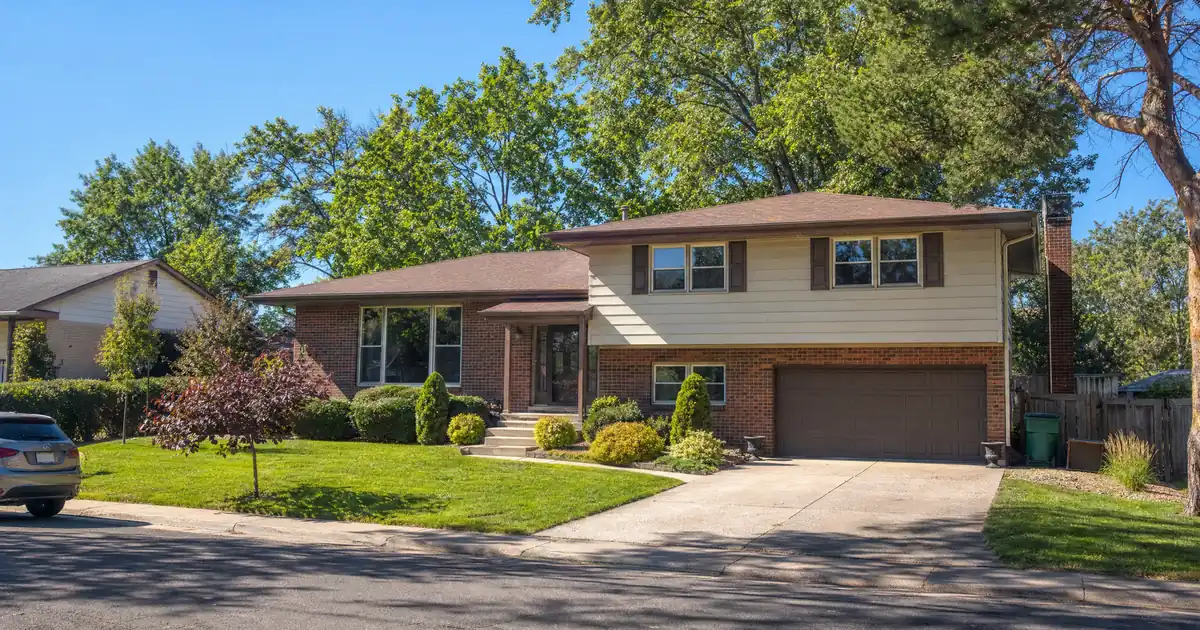
This article covers the refinance options for underwater investment property that rental owners can realistically pursue when equity has disappeared. Being underwater means you owe more than the property appraises for. On a rental, this almost always closes the door on a standard refinance. It doesn’t matter how well the property cash flows. Government streamline programs exist for underwater borrowers. But they’re built around owner-occupied loans. They don’t apply to a straight rental. Your real options are narrower. You can wait for value or principal paydown to close the gap. You can bring cash to the table to buy your loan-to-value down to program limits. Or you can hold the loan as-is until the numbers move. There’s no rental-property equivalent of the old HARP program. And DSCR coverage — however strong — can’t manufacture equity that isn’t there.
DSCR Calculator
Run the numbers in your market
Rate source: Freddie Mac 30-yr average via FRED® — Federal Reserve Bank of St. Louis · effective Jul 30, 2026
Prefilled with starting assumptions — enter your own rent or nightly figures, taxes, insurance, and HOA for a more accurate picture.
Program parameters update from Lendmire’s centralized guideline source. Taxes and insurance are editable estimates.
As of Jul 30, 2026 · General Freddie Mac market benchmark, not a Lendmire loan offer. Rent, nightly rate, occupancy, taxes, and insurance are editable estimates. Short-term rental figures are estimates only and vary significantly by season, property type, management approach, and local short-term-rental rules — confirm local regulations before relying on them. Qualifying income for short-term rentals varies by program — some use appraisal market rent, others use documented STR history or projections — and is confirmed in underwriting. Not a Loan Estimate, approval, or commitment to lend. Program availability and eligibility are subject to lender guidelines, credit approval, property review, and underwriting.
Is My Rental Property Actually Underwater?
Underwater means your loan balance is higher than what the property would actually appraise for today. Not what you think it’s worth. Not what a listing site estimates. What a licensed appraiser would sign off on. That distinction matters more on a rental than a primary home. A refinance appraisal is an independent third-party opinion. You can’t negotiate around a number you don’t like the way you might in a purchase deal.
Here’s the mechanic that trips people up. Loan-to-value, or LTV, is the loan amount divided by the current appraised value — not the original purchase price. If you bought at a market peak and values pulled back, your original purchase-price math no longer matters. The appraisal resets the whole equation. If your balance sits above what the new appraised value supports at program maximums, the file is underwater relative to that ceiling. Full stop. It doesn’t matter how the rent looks on paper.
Key takeaways:
- Underwater is defined by loan balance vs. appraised value, not vs. your own estimate of worth
- A refinance appraisal resets value from scratch — purchase price doesn’t carry forward
- Strong rental income can’t offset a value shortfall; LTV and coverage are evaluated separately
- Government streamline programs generally don’t apply to investment property
- Waiting, paying down principal, or bringing cash to the closing table are the standard paths back to eligibility
Why Conventional and Government Refinance Options Mostly Don’t Apply
Most owner-occupied streamline programs are built around occupancy. A straight rental almost never qualifies. The Federal Housing Administration technically allows an underwater investment property to refinance without a new appraisal. But only in a narrow case. The loan already has to be FHA-insured. That almost always means it started as a primary residence and later converted to a rental. Per HUD’s own streamline refinance guidance, that pathway is no-cash-out only. Cash back at closing is capped near $500. If your rental was financed with a DSCR loan from day one, this option was never on the table. DSCR loans aren’t FHA-insured. And they aren’t underwritten as owner-occupied to begin with.
The old fallback for conventional underwater borrowers was HARP. It expired years ago. It was never replaced with a general-purpose low-equity refinance for rentals. Fannie Mae’s current High-LTV Refinance Option is a narrow, occupancy-restricted successor. DSCR loans aren’t sold into agency channels in the first place. So this option is a non-factor here anyway.
That leaves the honest answer. For a business-purpose rental loan, there’s no regulator-mandated underwater refinance path. It comes down entirely to private lender guidelines. The guideline that decides everything is loan-to-value. If you want the fuller picture on how DSCR loans actually work, Lendmire’s complete DSCR loans guide walks through the mechanics start to finish.
What Actually Determines Your Payment: PITIA, Not Just the Loan
Whatever refinance path you’re evaluating, coverage gets measured against your full monthly obligation. That’s principal, interest, taxes, insurance, and any association dues — known together as PITIA. Rental income gets compared to that total. This produces your coverage ratio, or DSCR: rent divided by PITIA. A ratio of 1.00 means rent exactly covers the payment obligation. Above 1.00 means cushion.
Across the wholesale network of DSCR lenders Lendmire works with, 1.00 is the standard floor. And clearing it isn’t the same as positive cash flow. Repairs, vacancy stretches, property management fees, utilities, and capital expenditures all sit outside that ratio. A property clearing 1.20x on paper can still lose money in a bad year if the roof needs replacing. Coverage below 1.00 does exist through select lenders in the network. But leverage and terms adjust accordingly. It’s not a program most borrowers should assume they’ll land in. A no-ratio option is available for DSCR below 1.00 with stronger credit or higher down payment; qualification on that path rests on credit and equity rather than a rent-coverage calculation.
None of this changes the underwater math, though. A property clearing 1.30x coverage with a loan balance above the new appraised value still doesn’t clear a refinance. Coverage and value answer different questions. One measures cash flow. The other measures equity. An underwater file fails on the equity side no matter how the income looks.
The Mechanics: How the Refinance Process Actually Plays Out
Step one is the appraisal, and it’s the only opinion that counts. An independent appraiser evaluates condition, location, and comparable sales to set current market value. This is the number the whole file gets built around. There’s no negotiating it the way you might a purchase price.
Step two, LTV gets calculated off that fresh appraised value. If your balance exceeds what the appraisal supports at the program’s maximum leverage, that’s the wall. Across most of the wholesale network Lendmire places files with, purchase leverage typically lands in the 75%-80% range. Select high-leverage programs reach 85% for borrowers around a 700 credit score. Cash-out refinances top out lower — generally around 75% LTV. Most lenders in the network expect roughly six months of seasoning since purchase before considering a cash-out.
Step three, rent gets independently documented, separate from your DSCR calculation. Appraisers typically use a standardized rent-schedule methodology to arrive at market rent for a single-family rental. An analogous form covers 2-4 unit properties. This matters on short-term rental properties especially. An appraiser generally shouldn’t just multiply a nightly rate by 30 and call it monthly rent. That skips vacancy, platform fees, and furnishing costs. A soft or improperly derived STR rent figure can make an otherwise-solid file look weaker than it is, or the reverse.
Step four, credit and reserves get evaluated alongside value and coverage. Credit floors in parts of the network start around 620. Most programs prefer something closer to 660. The strongest leverage tiers open up around 700-plus. Reserve requirements vary by lender, leverage, and loan size. They commonly land around six months of PITIA. Conservative rate-term files at modest leverage sometimes see reserves waived. Larger loans above roughly $1.5 million step up toward nine months.
None of steps three or four matter, though, if step two produces an LTV above what the program allows. That’s the entire underwater problem in one sentence: value caps the loan regardless of everything else on the file.
What Are My Real Options If I’m Underwater on a Rental?
Three paths exist, and none of them is a quick fix. They’re patience, cash, or waiting it out. First, you can wait for market appreciation and continued principal paydown to close the gap naturally. This is how most underwater situations resolve historically. Second, you can bring outside cash to the closing table specifically to buy your balance down to whatever LTV the new program requires. Lenders will generally consider this “cash-in” structure case by case, since the underwriting is LTV-driven. Third, you can simply hold the current loan as-is until value or balance shifts enough to make refinancing viable again.
Here’s a DSCR broker’s honest read on markets with heavy negative-equity concentration. The strongest workaround files tend to be cash-in refinances where the investor has genuine liquidity and a clear reason to refinance now — rate improvement, term restructuring, or consolidating multiple rental loans. Files that try to stretch value assumptions to make the numbers pencil rarely work. Lenders in the network see through optimistic comps quickly. A file built on a hopeful appraisal outcome rarely survives underwriting intact.
If you’re weighing whether a refinance even makes sense once you clear the equity hurdle, Lendmire’s piece on whether you should refinance your investment property is a useful next stop. It walks through the broader cost-benefit question beyond just the underwater scenario.
The Recourse Problem Nobody Warns You About
Here’s the part that surprises a lot of rental owners. Putting the property in an LLC does not by itself eliminate personal liability if the loan goes bad. Most DSCR loans made to individual investors on one-to-four unit rental property carry a personal guaranty behind the entity. That makes them full recourse. The LLC shields you from operational liability — tenant disputes, contractor claims. But it doesn’t convert the mortgage into a non-recourse instrument. If you’re underwater and considering just walking away, that guaranty typically follows you personally regardless of how the property is titled.
True non-recourse structures do exist. But they’re generally reserved for larger commercial-scale deals, seasoned-sponsor portfolios, and certain self-directed retirement-account structures. Not the typical single-rental DSCR file. And even where a non-recourse label applies, most still carry carve-outs for fraud, misrepresentation, waste, or bankruptcy interference. “Non-recourse” rarely means zero exposure in every scenario.
If your original rental started life as a primary residence with a VA loan before you moved and rented it out, the streamline landscape looks a little different. The companion piece on refinancing a primary residence into an investment property covers it if the reverse situation applies to you.
How Common Is This, Really?
Negative equity in rentals is a real but contained pocket, not a systemic crisis. ATTOM’s Q4 2025 Home Equity & Underwater Report found 3.0 percent of mortgaged homes seriously underwater nationally. That’s up slightly from 2.8 percent the prior quarter. And it’s sharply regional — Louisiana leads at 10.7 percent, while Vermont sits near 0.7 percent. For scale, negative equity peaked at 26 percent of mortgaged properties during the 2009 downturn, according to Cotality. Today’s numbers aren’t close to that territory.
Because DSCR loans are business-purpose credit, they’re generally exempt from the Regulation Z consumer protections that shape owner-occupied loan modifications and servicing rules. That’s a distinction worth knowing if you’re comparing your rental’s options to what a homeowner friend describes going through.
Frequently Asked Questions
Can you refinance an investment property loan?
Yes, if the property has positive equity and meets the lender’s leverage, credit, and coverage requirements. Refinancing an underwater rental is far more limited, since most programs cap loan-to-value at the appraised value and can’t lend past it. The loan type matters too. DSCR loans qualify primarily on the property’s rental income covering the payment, subject to lender guidelines, rather than personal income documentation.
Can you refinance an investment property?
Generally yes, as long as the numbers clear. You need enough equity to meet LTV limits, and rent that covers the monthly obligation at whatever coverage ratio the program requires. An underwater property fails at the value step regardless of how strong the rental income looks.
How to refinance investment property?
Start with an appraisal to establish current value. Then compare your balance to program LTV maximums — typically 75%-80% on standard purchase-style leverage and around 75% on cash-out across most of the wholesale network. From there, credit, reserves, and rental-income documentation round out the file before it moves to underwriting.
How soon can you refinance an investment property?
Seasoning requirements vary, but many lenders in the network expect roughly six months of ownership before considering a cash-out refinance. Rate-term refinances sometimes move with less seasoning depending on the lender. This is separate from — and doesn’t fix — an underwater equity position, which depends on appraised value, not time held.
Does being underwater hurt my ability to get a DSCR loan on another property?
Not directly. DSCR underwriting evaluates each property’s own income and value independently, so an underwater rental doesn’t automatically disqualify you elsewhere. That said, if the underwater loan carries a personal guaranty and shows on your credit or liability picture, a lender may factor that exposure into overall risk review.
About Lendmire
Lendmire, NMLS# 2371349, is a mortgage broker arranging DSCR investor financing through select lenders across a wholesale network spanning 41 markets, including Washington, D.C. If you’re evaluating whether your rental’s numbers support a refinance — underwater or not — Lendmire can help you compare options against the property’s income, your credit profile, and available leverage. Reach the team at 828-256-2183 or through a pricing quote request. For a broader walkthrough of investment-property refinance strategy generally, Lendmire’s investor refinance guide covers scenarios beyond the underwater case. Scotsman Guide named Lendmire a Top Mortgage Workplace in both 2025 and 2026.
Tax treatment on any refinance or cash-in transaction can depend on how funds are used and how the property is held. Keep clear records and talk to a qualified tax professional before relying on any deduction assumption.
This article is general information, not legal or tax advice. Investors facing an underwater rental should consult a qualified attorney or CPA about their specific situation. Nothing here is a commitment to lend, and any refinance scenario described is subject to lender approval and to borrower, property, and program guidelines that vary file to file.
Get Started
Ready to find the right loan for you?
In about 30 seconds you can review financing options available for your investment property. No commitment required.
Informational only. Not a Loan Estimate, approval, or commitment to lend. Program availability and eligibility are subject to lender guidelines, credit approval, property review, and underwriting.
References
1. HUD — Streamline Refinance Your Mortgage
2. ATTOM — Q4 2025 U.S. Home Equity & Underwater Report
3. Cotality — Borrowers Gained Over $280B in Home Equity in 2024
This article is part of Lendmire’s DSCR loan program — full qualification details, guidelines, and scenarios live on the program page.
Related reading: Can I Refinance Rental House Through HARP? · How To Use Interest-only Payments To Qualify A Short-term Rental DSCR Loan · Non-Recourse DSCR Loans Explained
Brandon Miller
Founder & CEO, Mortgage Loan Originator, Lendmire LLC
- Mortgage Loan Originator · NMLS# 1129696 · Verify on NMLS Consumer Access
- North Carolina Real Estate Broker · License# 343312 · Verify on NCREC
- North Carolina Insurance Producer · License# 19053198 · Property, Casualty, Life, Health · Verify on NAIC SBS
- Lendmire LLC · Firm NMLS# 2371349 · Verify firm licensure
Legal disclosures. Lendmire (NMLS# 2371349) is a state-licensed mortgage brokerage that arranges financing through wholesale lender relationships. Lendmire is not a direct lender, depository institution, or registered financial advisor. The discussion above is general informational content about real estate financing — it is not financial, legal, or tax advice, and readers should consult licensed professionals for guidance on their individual circumstances. Loan inquiries are subject to lender underwriting; this article does not represent a commitment to lend. Loan terms, rates, and qualification standards vary by borrower, property, and state, and are subject to change at any time. Equal Housing Opportunity. NMLS Consumer Access: nmlsconsumeraccess.org.