
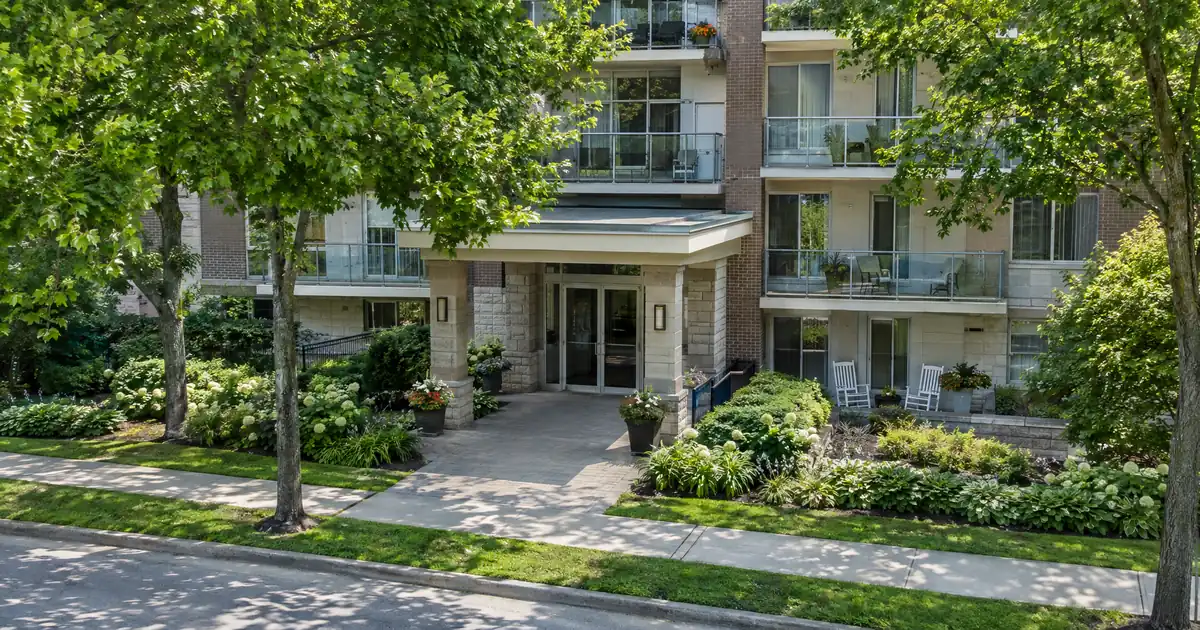
The Quick Read: On a condotel, the short-term-rental (STR) projection counts the income the unit earns as a hotel-style rental, and the long-term rent fallback counts the lower monthly rent an appraiser can support from leased comps. The STR basis suits investors with hosting history and operator statements. The fallback suits files with thin records, or investors who want to see the worst case before they sign. Eligibility depends on lender guidelines, credit approval, and property review.
- The condotel has to pass the program’s property rules before either income basis is compared.
- The STR basis needs operator statements or an STR analysis. The fallback needs a clean appraisal with monthly-lease comps.
- Both bases use the same formula: qualifying monthly income divided by the full monthly housing obligation.
- The two can give very different ratios on the same unit.
- Clearing 1.00 coverage is not the same as positive cash flow.
Here is the honest answer on who each option is for. The STR projection is for the investor who already runs short-term rentals, can show about 12 months of hosting history, and owns a unit whose real income no monthly lease would capture. The long-term rent fallback is for the investor who has no track record yet, or who wants a conservative number to stress-test the deal. Many files get run both ways before anyone picks.
Short-Term Rental Calculator
Run the STR numbers in your market
Rate source: Freddie Mac 30-yr average via FRED® — Federal Reserve Bank of St. Louis · effective Oct 15, 2026
Prefilled with starting assumptions — enter your nightly rate, occupancy, taxes, and insurance for a more accurate picture.
Short-term rental income is documented with a 12-month history or a market data report. Program parameters update from Lendmire’s centralized guideline source.
As of Oct 15, 2026 · General Freddie Mac market benchmark, not a Lendmire loan offer. Nightly rate, occupancy, taxes, and insurance are editable estimates. Qualifying income for short-term rentals varies by program — some use appraisal market rent, others use documented STR history or projections — and is confirmed in underwriting. Not a Loan Estimate, approval, or commitment to lend. Program availability and eligibility are subject to lender guidelines, credit approval, property review, and underwriting.
Side-by-Side
The table compares the two income bases the way most programs treat them. The Lendmire-side figures come from select lenders in its wholesale network. Where the table describes the other basis, it shows published industry norms, which vary by lender.
| Factor | STR Projection / History | Long-Term Rent Fallback |
|---|---|---|
| Review basis | Operator or platform income, or an STR analysis | Appraiser’s monthly market rent, or a lease |
| Core documents | Operator statements, management agreement | Appraisal with leased comps, or a signed lease |
| Income counted | Often reduced from gross (about 80% on many network files) | Typically the lower of market rent or lease |
| Property types | Condotel must pass program rules | Same property rules apply |
| Entity vesting | LLC or entity, subject to program eligibility | Same |
| Experience | About 12 months of hosting history | Usually less demanding |
| Reserves | Vary by lender, leverage, and loan size | Vary the same way |
| Timeline | Described qualitatively: more documents to assemble | Described qualitatively: mostly appraisal-driven |
How the DSCR Works on a Condotel
DSCR stands for debt service coverage ratio. It divides the property’s qualifying monthly income by PITIA: principal, interest, taxes, insurance, and HOA dues. BiggerPockets describes DSCR loans as underwritten mainly on the property’s revenue rather than the borrower’s traditional personal-income documentation. Its worked example sets $10,000 of monthly revenue against $5,000 of PITIA, for a ratio of 2.00.
The formula never changes. Only the top number does. Condotel HOA dues can be large, and they sit in the bottom number either way.
A condotel is a unit with hotel-style operations: a front desk, housekeeping, and a rental program. Agency and government-backed loans rule condotels out, which is why they land in non-QM investor lending. Property rules, such as rental-pool terms and kitchen requirements, are checked before income is compared. Ineligible types such as manufactured homes, log homes, and barndominiums are not offered in the network’s DSCR programs at all.
For the wider picture, see the complete DSCR loans guide.
What Each Income Basis Actually Counts
Across the wholesale network, qualifying income for short-term rentals varies by program. Some programs use the appraisal’s market rent. Others use documented STR history or projections, confirmed in underwriting.
The STR basis. On an operating unit or a refinance, expect about 12 months of operator or platform statements, plus the rental-management agreement showing the owner and operator split. On a purchase, the appraisal’s short-term-rent analysis typically stands in for history. Most network files count STR income at roughly 80% of gross, as a cushion for vacancy, seasonality, and operating costs.
Gross versus net matters here. Gross booking revenue is the highest figure and may overstate what the owner keeps. A net revenue share is the owner’s contractual cut after the operator takes its portion. It runs lower and sits closer to real cash flow. Which one a lender uses depends on the program.
The fallback. The appraiser delivers a monthly market-rent opinion from leased comps. That means Form 1007 for one unit or Form 1025 for two to four units. Most DSCR programs use the lower of that market rent or an actual signed lease. When a lender finances an STR, it generally steps outside the 1007/1025 process and leans on platform booking data.
The forms were not built for nightly rentals. Per Fannie Mae’s appraiser update, Form 1007 documents estimated monthly market rent. That guidance, as reproduced in a Nevada Real Estate Division meeting packet, says multiplying a nightly fee by 30 is incorrect because it ignores furnishings, services, vacancy, and business expenses. Fannie Mae appears here only for the form’s design. It does not set DSCR rules.
When the STR Projection Is the Better Fit
The STR basis fits when the unit’s real earning power sits well above any monthly lease. A resort-tower condotel is the classic case. Nightly revenue can be far stronger than anything the long-term comps show, and the loan amount may depend on that gap.
It also fits when you can document the income. Think of an investor with operator statements covering a full year and a management agreement on hand. Network STR files expect experienced-investor status: about 12 months owning income property within the last 36. Credit typically needs to reach 640 or above.
Leverage runs lower on STR collateral. A purchase tops out around 75% LTV on the strongest files, and a refinance or cash-out reaches about 70% on short-term-rental collateral. Coverage typically starts at 1.00 for both a purchase and a refinance on select programs, and stronger ratios open better terms. Condotels can carry tighter caps than other short-term rentals, so confirm the property-specific limit with the program before assuming the general figures apply.
Run the stress test even when you pick this path. A strong projection can still fail if local rules, HOA documents, or hotel agreements restrict short-term rental use. Short-term rental rules can vary by city, county, HOA, and property type, so investors should confirm local rules before relying on projected rental income.
When the Long-Term Rent Fallback Is the Better Fit
The fallback fits when history is thin, the condotel is new to you, or you want the downside number. It also fits when the operator’s statements are messy or the rental program is in flux.
Picture a buyer eyeing a unit that has changed management twice. Trailing revenue no longer describes the operation. The appraiser’s lease-based rent is the realistic case, and the ratio it produces is the number to underwrite your own risk against.
The fallback has a real weakness on condotels. Some buildings have few or no units that rent monthly. Then the appraiser has little to build a market rent on, and two appraisers can land far apart. Expect a lower qualifying income than the projection in most resort settings.
If the fallback ratio lands under 1.00, there are options. Coverage below 1.00 is available through select lenders in the network, with leverage and terms adjusted. A larger down payment can also lift the ratio by trimming the monthly obligation. But a bigger down payment never erases leverage caps, credit floors, reserve rules, or property eligibility. The strongest files clear both tests: enough equity and enough rental coverage.
Which Number Controls Your File?
Four questions decide it. Does the unit have operating history? Is the building’s rental program mandatory or voluntary? Do long-term comps exist nearby? Does the appraisal’s figure support the projection?
If you have history and the program accepts it, the STR basis usually leads. If you have none, the appraisal’s STR analysis stands in on a purchase. If the projection and the appraisal disagree, expect the lender to work from the more conservative supported figure. An appraiser values the real property, not the income, and the lender ultimately decides how income counts, as McKissock notes. Plan for the lower number and treat the higher one as upside.
Here is a modeled picture, not a market fact. Say a unit’s STR basis clears about 1.3x after the 80% factor, while its lease-based fallback sits near 0.9x. The same unit is a comfortable file on one basis and a sub-1.00 file on the other. That spread tells you how much of the deal rides on the hotel operation.
Condotel Risks Both Paths Share
Operator dependence is the big one. Revenue splits can take a management cut before the owner is paid, so net can sit well below gross. If a brand affiliation or management contract lapses, the income basis resets and the fallback becomes the realistic case.
Rental pools add legal wrinkles. Condo Hotel Center explains that a pooled rental arrangement, combined with profit representations in the sales process, can turn a purchaser’s interest into a security. That is an older legal-trade source, so treat it as a caution, not a ruling. Developer income projections may be unavailable or unreliable.
Gross revenue is also not owner profit. DSCR compares income to PITIA only. Repairs, vacancy, management, utilities, and capex sit outside it. Clearing 1.00 does not mean positive cash flow, so run your own break-even occupancy before contract.
Tax treatment can depend on how the funds are used and how the property is held; investors should keep clear records and speak with a qualified tax professional before relying on any deduction.
DSCR vs. conventional financing
There are two common ways to finance an investment property, and they qualify you differently — here’s how investors weigh them.
Why investors choose it
- Qualifies on the property’s rental income — no personal tax returns, W-2s, or pay stubs needed to document income.
- No personal debt-to-income ceiling to clear, so existing mortgages and obligations don’t cap your borrowing the same way.
- Can be closed in an LLC, keeping the property inside a business entity.
- Built for scaling — not held to the limit on number of financed properties that conventional financing applies.
- Underwriting centers on the deal: generally qualifies when the rent covers the payment, a 1.00x coverage ratio being a common baseline (confirmed in underwriting).
- Designed specifically for investment property, including long-term and, where the program allows, short-term rentals.
Where it’s strong
- Often the lowest ongoing financing cost for a buyer who fully qualifies on personal income — a fit for a first property or a cost-first purchase.
Trade-offs for investors
- Requires full personal income documentation and must fit within a debt-to-income limit — salary, existing debts, and other mortgages all count.
- Typically held in your personal name rather than a business entity.
- Caps how many financed properties you can carry, which can become a ceiling as a portfolio grows.
- Evaluates you as a borrower as much as the property, which usually means more paperwork.
How investors usually choose: a first or single property often optimizes for the lowest financing cost; portfolio builders often optimize for leverage, vesting in an LLC, and scaling past conventional caps. The right answer depends on your goals, the property, and current guidelines — both paths run through select lenders in Lendmire’s wholesale network, with eligibility and terms confirmed in underwriting.
Pre-Offer Checklist
Settle these before the appraisal is ordered:
1. Confirm the condotel passes program property rules, including rental-pool terms. 2. Collect 12 months of operator or platform statements, if the unit has history. 3. Get the rental-management agreement and read the revenue split. 4. Ask whether long-term comps exist in the building or nearby. 5. Check HOA and hotel documents for rental restrictions. 6. Plan your entity. Loans to LLCs are available subject to program terms. 7. Run the ratio both ways before you write the offer.
Verdict: Run Both, Underwrite the Lower
Neither option wins on its own. The projection is the stronger basis when you can document real income and the building supports it. The fallback is the stronger planning tool, because it shows what the deal looks like if the hotel story fades. The sound approach is to qualify on the number the program accepts and judge your own risk against the lower one.
If you are buying or refinancing a rental property and want to see how the numbers work, Lendmire can help you compare DSCR loan options based on the property income, credit profile, leverage, and investor goals. Lendmire is a broker arranging financing through select lenders in its wholesale network across 41 markets, including Washington, D.C.
Key Terms Defined
DSCR: the ratio of a property’s qualifying monthly income to its monthly obligation.
PITIA: principal, interest, taxes, insurance, and HOA dues, the monthly obligation in the ratio.
Condotel: a condo unit in a building with hotel-style operations and a rental program.
Form 1007 / Form 1025: appraisal forms that document market rent for one unit and for two to four units.
Fallback: the long-term market rent used when STR income is not the basis.
Frequently Asked Questions
Can I qualify on a projection with no history?
On a purchase, the appraisal’s short-term-rent analysis typically stands in for operating history. Programs differ, and network STR files expect about 12 months of hosting or income-property experience from the borrower.
Why is the projection reduced?
A projection is not proven income. Most network files count STR income at roughly 80% of gross, which cushions vacancy, seasonality, and operating costs.
What if long-term comps don’t exist in the building?
The appraiser then has little to support a market rent, and results can swing between appraisers. In that case the STR analysis and operator data carry more weight in the file.
What if the appraisal comes in below my projection?
Plan around the lower supported number. A larger down payment may help the ratio, but it will not override leverage caps or property rules.
Is STR always better than long-term rent for DSCR?
No. It produces a higher qualifying income when documented, but it carries more paperwork, lower leverage, and more operator risk. The fallback is simpler and more conservative.
Investors focused on short-term rentals can review DSCR loans for Airbnb and short-term rentals.
About Lendmire
Lendmire, NMLS# 2371349, is a non-QM mortgage broker serving real estate investors in 41 markets, including Washington, D.C., through DSCR investor loan programs. Qualification is generally reviewed around the subject property’s rental income, not the borrower’s W-2 history, a practical fit for LLC-titled portfolios and self-employed investors. All scenarios remain subject to lender review and program guidelines. Two consecutive Scotsman Guide Top Mortgage Workplace recognitions (2025, 2026).
Get Started
Ready to find the right loan for you?
In about 30 seconds you can review financing options available for your investment property. No commitment required.
Informational only. Not a Loan Estimate, approval, or commitment to lend. Program availability and eligibility are subject to lender guidelines, credit approval, property review, and underwriting.
References
1. BiggerPockets: DSCR Loans and Short-Term Rental Investors
2. Fannie Mae Appraiser Update, June 2024
4. McKissock: Form 1007 and Short-Term Rental Appraisals
This article is part of Lendmire’s short-term rental loan program — full qualification details, guidelines, and scenarios live on the program page.
Related reading: STR Endorsement vs Commercial Policy for a DSCR Airbnb Loan · How DSCR Is Calculated on a Condotel Short-Term Rental Loan? · How Much More Down a Cabin or Condotel STR Needs on DSCR
Brandon Miller
Founder & CEO, Mortgage Loan Originator, Lendmire LLC
- Mortgage Loan Originator · NMLS# 1129696 · Verify on NMLS Consumer Access
- North Carolina Real Estate Broker · License# 343312 · Verify on NCREC
- North Carolina Insurance Producer · License# 19053198 · Property, Casualty, Life, Health · Verify on NAIC SBS
- Lendmire LLC · Firm NMLS# 2371349 · Verify firm licensure
Required disclosures. Lendmire (NMLS# 2371349) operates as a licensed mortgage broker, not a direct lender or depository. The discussion in this article is general in nature and should not be relied upon as financial, legal, or tax advice — every investment scenario is unique and should be reviewed by a qualified professional. Any loan inquiry is subject to lender underwriting, and this article is not a commitment to lend or a guarantee of approval. Mortgage rates, loan terms, and program guidelines vary by borrower, property, and state, and may change without notice. Equal Housing Opportunity. Verify licensure at NMLS Consumer Access.