
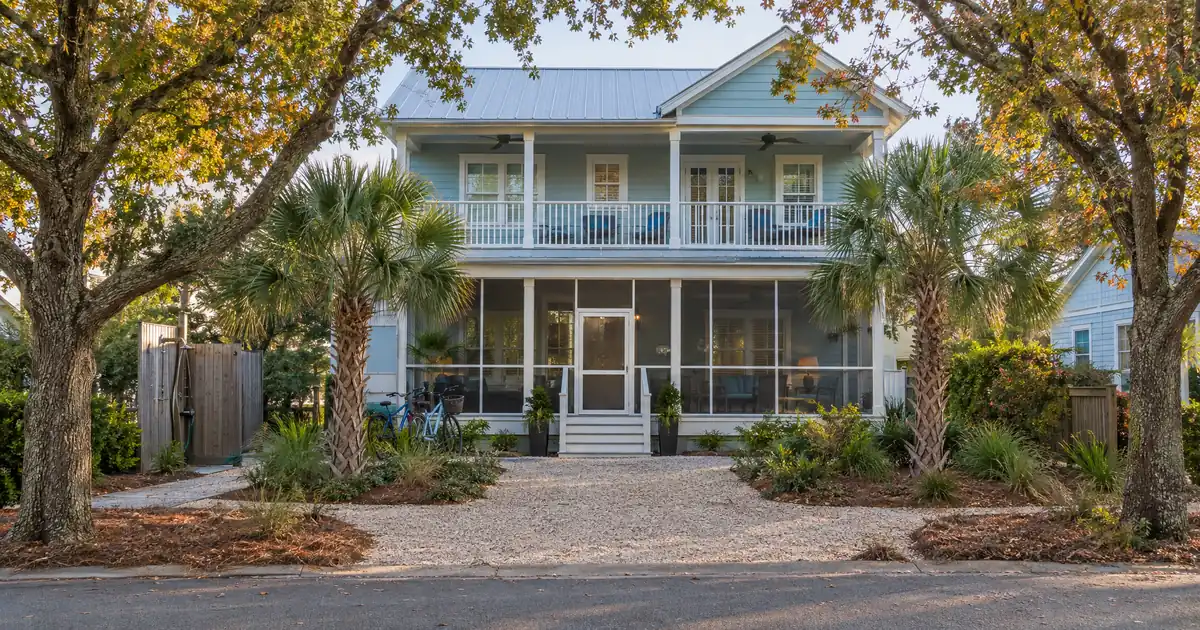
The Quick Read: The loan structure is the same in both market types, so the choice comes down to how reliable the income evidence is and what can block short-term rental use. Suburban properties tend to carry more legal-eligibility risk, while resort properties tend to carry more seasonality and condo or HOA risk. Both can work on a DSCR loan, subject to lender guidelines.
- Short-term rental purchases typically reach up to 75% LTV (loan-to-value, the loan as a share of the property’s value) on the strongest files, and refinances and cash-outs up to 70%.
- Expect a 640+ credit score and about 12 months of hosting experience.
- Coverage starts at 1.00 on both purchases and refinances in these programs.
- Clearing 1.00 does not mean the property makes money.
- The legality check comes before the loan is sized, in either market.
Here is the honest answer on who each option is for. A suburban short-term rental suits the investor who wants steadier demand, a lower entry price, and a fallback if the rental plan changes. A resort-market rental suits the investor who wants higher peak earning power and can live with swings and extra building rules. Neither is a ranking. They are different bets with different failure points.
Short-Term Rental Calculator
Run the STR numbers in your market
Rate source: Freddie Mac 30-yr average via FRED® — Federal Reserve Bank of St. Louis · effective Oct 15, 2026
Prefilled with starting assumptions — enter your nightly rate, occupancy, taxes, and insurance for a more accurate picture.
Short-term rental income is documented with a 12-month history or a market data report. Program parameters update from Lendmire’s centralized guideline source.
As of Oct 15, 2026 · General Freddie Mac market benchmark, not a Lendmire loan offer. Nightly rate, occupancy, taxes, and insurance are editable estimates. Qualifying income for short-term rentals varies by program — some use appraisal market rent, others use documented STR history or projections — and is confirmed in underwriting. Not a Loan Estimate, approval, or commitment to lend. Program availability and eligibility are subject to lender guidelines, credit approval, property review, and underwriting.
This article compares the two for DSCR financing. If you want the full mechanics first, Lendmire’s complete DSCR loans guide covers them.
Side-by-Side
The table shows how the two compare on loan structure and on the issues that decide whether a file works. Because the loan structure is shared, the real differences sit in the rows where the two columns diverge. Where the table describes lender practice, it reflects published industry norms, and exact terms vary by lender.
| Factor | Suburban STR | Resort-market STR |
|---|---|---|
| Review basis | Property income vs. PITIA | Property income vs. PITIA |
| Typical income evidence | Thinner comps, mixed demand | Deeper comps, strong seasonality |
| Main legal gate | Residential zoning | Condo or HOA rental rules |
| Long-term rent fallback | Often close to STR income | Often far below STR income |
| Property types | Single-family, small multifamily | Condos, cabins, single-family |
| Entity vesting | LLC possible, subject to program | LLC possible, subject to program |
| Documentation | Hosting history or market report | Hosting history or market report |
| Reserve expectations | Vary by lender and leverage | Often stepped up for seasonal files |
PITIA means principal, interest, taxes, insurance, and association dues. DSCR, the debt service coverage ratio, divides qualifying income by that monthly total. On your side of the table, the loan works the same either way.
How Does the Income Get Counted?
Short-term rental income is counted through one of three routes, and the route matters more than the market type. A property already operating as a rental can use its trailing platform or bank history, typically on a refinance. A purchase with no history usually uses a third-party market projection. A third route falls back on the appraiser’s long-term rent schedule.
Here is why the third route can hurt. Fannie Mae’s appraiser guidance describes Form 1007 as the form that documents monthly market rent on a single-family investment property. DSCR loans are not agency products, so this is contrast only. But the form is the one appraisers use. A copy hosted by the Nevada Real Estate Division lists how short-term rentals differ from leases: nightly terms, furnishings included, and added services. It also says the appraiser counts only real property in value.
McKissock adds that the 1007 leaves out vacancy and business expenses, and that the lender decides the final income figure. HousingWire lists nightly pricing, seasonal demand, event spikes, and cleaning costs as factors the form cannot report. The author leads a private lending division, so treat it as practitioner commentary.
Across the wholesale network, the practical takeaway is simple. Ask early which income route a program uses. A resort property can cover its payment on short-term income and still fail on a long-term rent fallback.
When Suburban Is the Better Fit
Suburban is the better fit when you want a fallback and a simpler income story. In many suburbs, the long-term rent for a family home sits closer to what the same house would earn as a short-term rental. That narrows the gap if a lender leans on the appraiser’s rent schedule. This is a broker inference, not a sourced statistic, and it varies by property.
Suburban also tends to suit investors who prefer a steadier booking pattern over the highest peaks. AirDNA observes that urban and lower-price listings often earn higher occupancy at lower daily rates. That profile can be easier to live with if you manage remotely and dislike empty months.
It also fits when the property is a single-family home or a small multifamily. On two to four units, appraisers use Form 1025, the small residential income report, and some of the income may come from long-term leases.
The catch is legality. Residential zoning is often the main barrier in suburbs. In Miami, for example, one operator guide says the suburban T3 zone is typically the most restrictive, with many T3 neighborhoods banning stays under 30 days. Some cities allow only owner-occupied rentals. Short-term rental rules can vary by city, county, HOA, and property type, so confirm local rules before relying on projected rental income. HOAs add a second layer, because a city permit does not override a covenant.
Comp quality is the other suburban risk. Sparse listings, or listings mixed with mid-term demand, can make a market projection less dependable. A thin comp set can produce a lower projected income, and that lowers coverage.
When Resort-Market Is the Better Fit
Resort is the better fit when peak earning power matters and you can tolerate swings. Destination markets often have deep comp sets, which gives a projection more to work with. They also tend to host the districts where short-term use is allowed on purpose. Minut’s guide notes that Clearwater restricts short-term rentals in most residential zones but makes exceptions in resort or tourism districts. KRS Holdings says Virginia Beach limits short-term rentals to two resort overlay districts and grandfathered properties.
Seasonality is the central risk. AirDNA data shows the Outer Banks averaging about 64% occupancy across a year, from about 35% in December to about 91% in July. That is one destination, not a national pattern. But it shows how an average hides the swing. A file that submits only a peak-season window is a common mistake on resort deals, and a lender will not accept it as a full picture.
The twelve-month average is what smooths this out. If you are refinancing, about 12 months of actual records is the usual expectation. If you are buying, a market projection matched to the property’s bedrooms, bathrooms, and guest count does the work.
Seasonality also cuts both ways. AirDNA notes that low seasonality does not automatically mean a better market, since highly seasonal markets can still post high average monthly revenue per available room.
Condos and condotels add a layer. Resort buildings often carry their own rental rules, and a zoning permit says nothing about the condo declaration. Read the declaration before you write an offer. Property type matters for financing too: manufactured homes, log homes, and barndominiums are not offered in the network’s DSCR programs, which can rule out some rustic mountain and lake properties.
What Does the Loan Look Like in Each Case?
The loan terms are the same in both markets. Across the wholesale network, short-term rental purchases typically reach up to 75% LTV on the strongest files, and refinances and cash-outs up to 70%, all subject to lender guidelines. Credit usually needs to be 640 or higher, and lenders usually expect about 12 months of hosting experience. Coverage starts at 1.00 on both purchases and refinances in these programs. Loan size runs up to $3,000,000 on standard programs, with smaller balances routed through select lenders.
Coverage below 1.00 is a separate path. It is available through select lenders in the network, with leverage and terms adjusted. No-ratio structures are available only through select lenders, generally for borrowers who already own a primary residence. Reserves vary by lender, leverage, loan size, and transaction type, and commonly sit around six months of PITIA. Lenders often ask for more on seasonal files.
Picture a suburban single-family home and a resort condo, both bought at 75% LTV with the same loan size. The suburban file might clear around 1.1x on a market projection and sit near that level on the appraiser’s fallback. The resort file might clear a similar ratio on a twelve-month average and drop well under 1.00 on a long-term rent schedule. Those ratios are modeled assumptions for illustration, not market data. The point is the spread between routes, not either number. The exact numbers vary by lender and program and follow a full review of property, leverage, and credit.
A larger down payment can lift coverage by shrinking the payment. It does not erase leverage caps, credit floors, reserve rules, or property eligibility. The strongest files clear both tests: enough equity and enough rental coverage.
Coverage Is Not Cash Flow
DSCR compares income to PITIA only. Repairs, vacancy, cleaning, management, utilities, platform fees, and capital costs sit outside the ratio. A file can clear 1.00 and still lose money.
This matters more in resort markets, where cleaning turnover, management, and condo dues can run heavy, and in suburbs, where a slow month stings because there is no peak to offset it. Size the loan to your real operating numbers and keep reserves for slow months. Tax treatment varies by property and use; consult a qualified professional before relying on any deduction.
If you are weighing a refinance later, Lendmire’s piece Short-Term Rental Cash-Out Refinance: The 12-Month Rental History vs the Market Data Report shows what lenders look at.
DSCR vs. conventional financing
There are two common ways to finance an investment property, and they qualify you differently — here’s how investors weigh them.
Why investors choose it
- Qualifies on the property’s rental income — no personal tax returns, W-2s, or pay stubs needed to document income.
- No personal debt-to-income ceiling to clear, so existing mortgages and obligations don’t cap your borrowing the same way.
- Can be closed in an LLC, keeping the property inside a business entity.
- Built for scaling — not held to the limit on number of financed properties that conventional financing applies.
- Underwriting centers on the deal: generally qualifies when the rent covers the payment, a 1.00x coverage ratio being a common baseline (confirmed in underwriting).
- Designed specifically for investment property, including long-term and, where the program allows, short-term rentals.
Where it’s strong
- Often the lowest ongoing financing cost for a buyer who fully qualifies on personal income — a fit for a first property or a cost-first purchase.
Trade-offs for investors
- Requires full personal income documentation and must fit within a debt-to-income limit — salary, existing debts, and other mortgages all count.
- Typically held in your personal name rather than a business entity.
- Caps how many financed properties you can carry, which can become a ceiling as a portfolio grows.
- Evaluates you as a borrower as much as the property, which usually means more paperwork.
How investors usually choose: a first or single property often optimizes for the lowest financing cost; portfolio builders often optimize for leverage, vesting in an LLC, and scaling past conventional caps. The right answer depends on your goals, the property, and current guidelines — both paths run through select lenders in Lendmire’s wholesale network, with eligibility and terms confirmed in underwriting.
Which Investor Fits Which Market?
A few profiles make the choice clearer. This is a thinking-out-loud exercise, because the answer really does turn on the investor.
- First-time investor, remote owner: Suburban often fits better. The fallback rent is closer, and the booking pattern is steadier.
- Cash-flow-first, comfortable with swings: Resort can fit, if the condo rules allow rentals and reserves cover the slow months.
- Appreciation-first: The sources describe tradeoffs, not a ranking. AirDNA’s outlook release names coastal, mountain and lake, and suburban areas of large cities among the more favorable segments for investors.
- Buyer with a sub-1.00 file: Ask about the select-lender path, where leverage and terms adjust. If the short-term plan looks thin, a mid-term or long-term rental may be the better fit.
- Buyer who wants optionality: Weigh how each property would hold up under a long-term rent schedule, since that is the fallback.
The Verdict
Neither market type wins on its own. Suburban trades peak income for a steadier story and a closer fallback, at the cost of tighter zoning and thinner comps. Resort trades a smoother legal path in designated districts and stronger peaks for seasonality and building rules. In both, the legality check comes first and the income route comes second.
If you are buying or refinancing a rental property and want to see how the numbers work, Lendmire can help you compare DSCR loan options based on the property income, credit profile, leverage, and investor goals. Programs change and every file is underwritten individually, and nothing here is a commitment to lend. The investor who reads the condo declaration and the zoning code before the comp report usually avoids the costliest surprise.
Key Terms Defined
- DSCR: the ratio of qualifying rental income to the monthly PITIA.
- LTV: the loan amount as a percentage of the property’s value.
- Form 1007: the appraisal form that documents monthly market rent on a single-family property.
- Form 1025: the appraisal form for small residential income properties of two to four units.
- CC&Rs: covenants, conditions, and restrictions, the rules an HOA can enforce, including bans on short stays.
- Seasonality: the swing in bookings and rates across the year.
Frequently Asked Questions
Is a resort-market rental easier to finance than a suburban one?
Not automatically. The loan structure is the same, and approval is subject to lender guidelines, credit, and property review. A resort file can be easier to support with comps, while a suburban file can be easier to support with a long-term rent fallback.
Will the appraisal show my Airbnb income?
No. Form 1007 measures monthly rent, and appraisers cannot multiply a nightly rate by 30. The lender decides the final income figure, often using hosting history or a market projection.
Does clearing 1.00 mean the property makes money?
No. Coverage compares income to PITIA only. Repairs, vacancy, management, and utilities sit outside the ratio, so a file can pass and still lose money.
Can I buy in an LLC?
Often yes, subject to lender program eligibility. Vesting in an LLC is common for investors, and the details depend on the program.
Does a city permit mean I can rent short-term?
No. HOA and condo rules operate separately from a city permit.
Investors focused on short-term rentals can review DSCR loans for Airbnb and short-term rentals.
About Lendmire
Lendmire — NMLS# 2371349 — is a DSCR and non-QM mortgage brokerage with investor loan programs in 41 markets, including Washington, D.C. DSCR eligibility is commonly reviewed by the lender around property-level rent rather than personal income documentation, subject to lender guidelines, and the brokerage helps arrange financing for LLC-owned portfolios beyond conventional financed-property limits. Recognized by Scotsman Guide as a Top Mortgage Workplace in 2025 and 2026.
Get Started
Ready to find the right loan for you?
In about 30 seconds you can review financing options available for your investment property. No commitment required.
Informational only. Not a Loan Estimate, approval, or commitment to lend. Program availability and eligibility are subject to lender guidelines, credit approval, property review, and underwriting.
References
1. Fannie Mae Appraiser Update
2. Nevada Real Estate Division copy of the Fannie Mae short-term rental update
4. HousingWire
5. AirDNA
6. Your Home Hospitality (Miami zoning)
9. KRS Holdings
10. AirDNA
This article is part of Lendmire’s short-term rental loan program — full qualification details, guidelines, and scenarios live on the program page.
Related reading: How to Qualify a Suburban Texas Short-Term Rental on a DSCR Loan · How to Qualify an LTR Conversion for a Short-Term Rental DSCR Loan · How to Refinance a Short-Term Rental for a Lower Payment
Brandon Miller
Founder & CEO, Mortgage Loan Originator, Lendmire LLC
- Mortgage Loan Originator · NMLS# 1129696 · Verify on NMLS Consumer Access
- North Carolina Real Estate Broker · License# 343312 · Verify on NCREC
- North Carolina Insurance Producer · License# 19053198 · Property, Casualty, Life, Health · Verify on NAIC SBS
- Lendmire LLC · Firm NMLS# 2371349 · Verify firm licensure
Important disclosures. Lendmire (NMLS# 2371349) is a licensed mortgage brokerage. Lendmire is not a direct lender, depository institution, or financial advisor. All loan inquiries are subject to lender underwriting; this article does not constitute a commitment to lend. Rates, terms, and program guidelines are subject to change without notice and vary by borrower profile, property type, and state. Information in this article is general in nature and is not financial, legal, or tax advice. Equal Housing Opportunity. NMLS Consumer Access: nmlsconsumeraccess.org.