
The Quick Read: Only in a narrow lane. Through select wholesale programs, a condotel cash-out refinance is capped at 65% LTV and $1,500,000, with $250,000 in cash-in-hand required, subject to underwriting. The building type sets the ceiling, not the size of your equity or the strength of your credit. A condotel therefore uses only the lowest rungs of the super jumbo ladder, and most of that ladder never applies to it. The exact numbers vary by lender and program and follow a full review of property, leverage, and credit.
- A condotel refinance tops out at 65% LTV and $1,500,000, against 75% on a condotel purchase.
- Cash-out on a condotel also calls for $250,000 in cash-in-hand on top of the leverage limit.
- Standard rentals can reach 75% cash-out to $1,000,000 and run past $1,500,000 at lower leverage. Condotels cannot.
- Coverage of 1.00 or higher earns full leverage. Reduced-coverage paths exist through select lenders, but LTV and terms adjust.
- Everything here is subject to underwriting and is not a commitment to lend.
A condotel is a condo unit in a building that runs like a hotel. Lenders treat it as a different animal from an ordinary rental. Here is how the cash-out works, where it stops, and how to decide whether to pull it.
What Is a Condotel, and Why Do Lenders Treat It Differently?
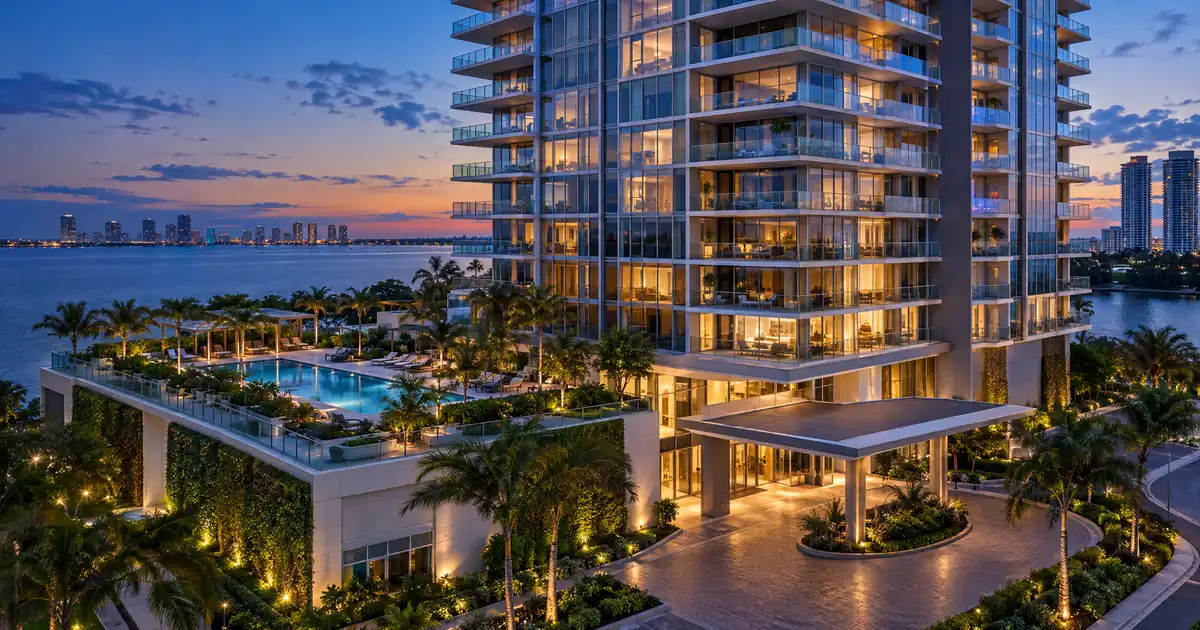
A condotel is an individually owned unit inside a building that operates as a hotel, usually with a front desk, daily rentals, and often a rental pool. Lenders see more income swings and less control over the collateral. So they cap leverage and loan size.
The building decides the classification. Your credit score does not.
Large retail lenders that sell loans to the government-backed agencies generally cannot finance these units. The agencies publish rules that exclude projects with certain characteristics, and a hotel-style operation is one of them. See the Fannie Mae Selling Guide on ineligible projects. Its Condo Status Finder says projects that operate as hotels or manage daily or short-term rentals are ones it cannot finance. That is the agency world, and it is only contrast here. DSCR loans are not agency products.
DSCR loans are designed for non-owner-occupied investment properties. Because they are business-purpose investor loans, they are reviewed differently from a standard owner-occupied mortgage. That is why a condotel has a practical path at all.
Key Terms Defined
DSCR (debt service coverage ratio): Monthly rent divided by the full monthly obligation: principal, interest, taxes, insurance, and HOA dues.
Super jumbo: A large-balance loan tier. On Lendmire’s network, the standard DSCR program stops at $3,000,000 and the super jumbo ladder carries qualified investors past it, up to $10,000,000. Leverage steps down as the balance grows, and smaller balances use the ladder’s lower rungs.
LTV (loan-to-value): The loan balance as a percentage of the property’s appraised value.
Non-warrantable condo: A condo project that falls outside standard agency rules, for example because of high investor concentration or litigation. Condotels are further restricted than these.
Cash-in-hand: A condotel cash-out requirement of $250,000. Its exact mechanics are confirmed per program, so ask your broker how a given lender applies it to your file.
Rental pool: An arrangement where the operator manages the unit and shares rental income with the owner.
How Does the Cash-Out Ceiling Work for a Condotel?
Three limits stack, and the tightest one wins: the refinance leverage cap, the loan-size cap, and the cash-in-hand requirement. Across our wholesale network, a condotel refinance runs to 65% LTV and $1,500,000, plus $250,000 in cash-in-hand. All of it is subject to underwriting. Final terms depend on the lender’s guidelines, the property type, and the borrower’s complete credit picture.
Compare that with standard collateral:
| Property type | Purchase | Cash-out / refinance | Loan cap |
|---|---|---|---|
| Standard rental | Up to 80% to $1M | 75% to $1M | Up to $10M, on review above $4M |
| Non-warrantable condo | Up to 75% | Up to 75% | $1,500,000 |
| Condotel | Up to 75% | Up to 65% | $1,500,000, plus $250,000 cash-in-hand |
All figures are ceilings through select wholesale programs, subject to underwriting.
Here is the part most people miss. The headline super jumbo cash-out ladder is 75% to $1,000,000, 70% to $1,500,000, and 60% to $3,000,000. There is no cash-out above $3,000,000. A condotel never reaches that $3,000,000 ceiling. Its own $1,500,000 cap binds first. So the condotel touches only the lower edge of the super jumbo range.
The property type, not the loan size, sets the limit.
Cash-out proceeds also cannot satisfy reserves. Reserves are typically six months of PITIA on the subject property (twelve for first-time investors), and those must come from other funds.
Why Is the Condotel Cap Lower Than the Purchase Cap?
Lenders weigh three things: how much control they have over the collateral, how easily it resells, and how steady the income is. A condotel scores lower on all three. Resale buyers are a smaller pool. Income swings with season and operator performance. A cash-out loan also puts more debt on the unit than the original purchase did.
So a purchase can reach 75%, while a refinance with cash-out stops at 65%. That gap is the price of pulling equity from a hotel-style asset.
How Is Condotel Income Counted for DSCR?
Lenders want documented income that holds up under review. For a refinance, that usually means about twelve months of operating history. On a purchase, the appraisal’s short-term-rent analysis stands in, and short-term-rental files on our network are counted at 80% of gross. Short-term-rental files also require experienced-investor status: twelve months owning income property in the last thirty-six. Those files run to $2,000,000, so the $1,500,000 condotel cap still binds first. See the BiggerPockets walkthrough of short-term-rental financing for how trailing income is used in the formula.
Coverage of 1.00 or higher earns full leverage. Coverage from 0.75 to 0.99 is a real path through select lenders in the network, but LTV and terms adjust, subject to underwriting. Programs differ for condotels, and each file is reviewed individually.
Condotel coverage is the real pressure point. Rental-pool splits can take a large share of gross income. Management fees and HOA dues also sit in the denominator. Many investors find the coverage number is thinner than the gross rent suggested.
Short-term rental rules vary by city, county, HOA, and property type, so confirm local rules before relying on projected rental income. Municipal permission is documented per property. It is never assumed.
A Worked Example
Picture a resort condotel appraised at $1,800,000. Assume it is owned in an LLC, subject to lender program eligibility. Assume the existing balance is modest and the investor wants cash.
- The refinance cap is 65% LTV, and the loan cannot exceed $1,500,000 either way.
- At 65% of $1,800,000, the leverage test is the one that governs here, not the size cap.
- Payoff of the existing loan comes out first. What remains is cash-out, subject to the cash-in-hand requirement and underwriting.
- Coverage is then tested on twelve months of operating history at 80% of gross, against the full obligation including HOA dues. If the rental pool takes a large share, coverage may land below 1.00. Each figure is subject to lender guidelines and a complete review of property type, leverage, and credit.
At that point you have options. A lender may review a reduced-coverage path with lower leverage. Or you could restructure, wait for more history, or compare programs. The takeaway: the cap, not your equity, is usually what limits the pull.
DSCR vs. conventional financing
There are two common ways to finance an investment property, and they qualify you differently — here’s how investors weigh them.
Why investors choose it
- Qualifies on the property’s rental income — no personal tax returns, W-2s, or pay stubs needed to document income.
- No personal debt-to-income ceiling to clear, so existing mortgages and obligations don’t cap your borrowing the same way.
- Can be closed in an LLC, keeping the property inside a business entity.
- Built for scaling — not held to the limit on number of financed properties that conventional financing applies.
- Underwriting centers on the deal: generally qualifies when the rent covers the payment, a 1.00x coverage ratio being a common baseline (confirmed in underwriting).
- Designed specifically for investment property, including long-term and, where the program allows, short-term rentals.
Where it’s strong
- Often the lowest ongoing financing cost for a buyer who fully qualifies on personal income — a fit for a first property or a cost-first purchase.
Trade-offs for investors
- Requires full personal income documentation and must fit within a debt-to-income limit — salary, existing debts, and other mortgages all count.
- Typically held in your personal name rather than a business entity.
- Caps how many financed properties you can carry, which can become a ceiling as a portfolio grows.
- Evaluates you as a borrower as much as the property, which usually means more paperwork.
How investors usually choose: a first or single property often optimizes for the lowest financing cost; portfolio builders often optimize for leverage, vesting in an LLC, and scaling past conventional caps. The right answer depends on your goals, the property, and current guidelines — both paths run through select lenders in Lendmire’s wholesale network, with eligibility and terms confirmed in underwriting.
Which Condotels Can Be Cashed Out? An Eligibility Screen
Work through these questions before you spend money on an appraisal:
- Does the building operate like a hotel? A front desk, daily rentals, and a managed rental program all point to condotel classification.
- Is there a mandatory rental pool? Mandatory pooling and hotel licensing are classic ineligibility triggers in the agency world. Whether a given non-QM program accepts them is that program’s call.
- Is the project actually a condotel? A building can be tagged a condotel just because units appear on travel sites. Fannie Mae’s condo FAQ says a single unit’s travel-site listing does not by itself make a project ineligible. It also says a condo inside a master PUD resort must be checked for condotel characteristics. Those are agency rules, but they show how classification turns on operations. If your building is mislabeled, a correction can open the standard non-warrantable path at 75% and $1,500,000.
- Is the HOA healthy? Delinquency, litigation, and insurance problems can stop a file in any condo. The Condo Status Finder reports that only about 3.6% of projects were ineligible as of its latest published data, with insurance and critical repairs among the top reasons.
- Is short-term rental permitted for this property? Document it.
If you want to know how a lender will see the building, send the HOA documents early. Most condotel files stall on classification, not on credit.
What About Seasoning, Credit, and Reserves?
Seasoning is the waiting period between buying a property and refinancing it. Programs count it differently, and some lenders want a longer ownership clock before cash-out on a hotel-style unit. Ask for the program’s seasoning rule before you plan an exit. For timing on standard collateral, see Lendmire’s piece How to Time a Super Jumbo Bank Statement Cash-Out After Purchase.
Above $1,500,000, cash-out is not available to borrowers at or below 680. A condotel’s $1,500,000 cap sits right at that edge. Two appraisals apply above $2,000,000, which a condotel will not reach. Entity vesting is welcome, with no layered entities, subject to program terms.
A broker treats the building review as the gate and credit as the second check. A 760 score does not rescue a mandatory-rental-pool building.
Cash Out, Sell, or Keep? Comparing the Paths
| Path | Best when | Watch for |
|---|---|---|
| Condotel DSCR cash-out | Coverage clears and equity is large | 65% cap, $250,000 cash-in-hand |
| Bank statement program | Owner is self-employed and rent is thin | Income is documented under the program |
| Reduced-coverage path | Coverage lands under 1.00 | LTV and terms adjust, subject to underwriting |
| Sell or hold | Cap leaves little cash to pull | Exit costs against carry |
A bank statement route can help an owner whose personal income carries the file, but the building classification still applies. Lendmire’s piece Do Union Residuals Count for a Super Jumbo Bank Statement Cash-Out? shows how income documentation works on that side.
Honestly, this is a toss-up for many owners. The cash-out is capped low, and the cash-in-hand rule means the exit is not a pure equity pull. If you need larger proceeds, a standard rental or a different asset may serve the goal better.
File-Readiness Checklist
- HOA or project questionnaire and budget
- Rental or management agreement, including any rental-pool terms
- Twelve months of booking and income reports
- Entity documents if vested in an LLC
- Proof of reserves from sources other than cash-out
- Evidence of local short-term-rental permission for the property
Tax treatment can depend on how the funds are used and how the property is held; investors should keep clear records and speak with a qualified tax professional before relying on any deduction.
For the full picture of how these programs fit together, see Lendmire’s complete DSCR loans guide.
Frequently Asked Questions
Can I get a conventional loan on a condotel?
Generally no. Agency rules exclude projects that operate as hotels or manage daily rentals, as the Fannie Mae Condo Status Finder explains. DSCR and other non-QM programs are the practical route, through select lenders in a wholesale network.
Does a rental pool disqualify my unit?
Not automatically on every program, but it is a major screen. Mandatory pooling is an agency ineligibility trigger, and each non-QM program decides for itself. The pool also affects coverage, since the operator keeps part of gross income.
Can I use an LLC on a condotel cash-out?
Often yes. Entity vesting is welcome on the network, with no layered entities, subject to lender program eligibility. Confirm the specifics for condotel collateral before you retitle.
Does the HOA count in DSCR?
Yes. DSCR divides rent by the full obligation, which includes HOA dues along with principal, interest, taxes, and insurance. On a condotel, high dues can pull coverage down faster than on a standard condo.
Does a super jumbo loan change the rules for a condotel?
Not in your favor. The super jumbo ladder steps leverage down as balances grow and stops cash-out above $3,000,000. A condotel never gets that far, because its own caps of 65% LTV on a refinance and $1,500,000 bind first. It uses only the lower rungs of the ladder, subject to underwriting. Leverage, reserves, and pricing vary by lender and program; the final terms follow the full file review.
If you are buying or refinancing a high-balance rental property and want to see how the numbers work, Lendmire can help you compare super jumbo DSCR loan options based on the property income, the loan balance, credit profile, leverage, and investor goals. Lendmire is a mortgage broker arranging business-purpose investor financing through select lenders in 41 markets, including Washington, D.C. Reach the team at 828-256-2183.
A deeper walk-through of investment-property equity extraction lives in Lendmire’s guide to cash-out refinance on an investment property.
Self-employed borrowers can compare program options on Lendmire’s self-employed mortgages page.
About Lendmire
Lendmire (NMLS# 2371349) is a mortgage brokerage focused on DSCR investor financing, helping arrange programs through wholesale and investor-lending channels in 41 markets, including Washington, D.C. DSCR loans are evaluated by the lender on property cash flow rather than personal income, subject to lender guidelines, supporting LLC closings and accommodating investors with four or more financed properties. Scotsman Guide Top Mortgage Workplace in both 2025 and 2026.
Get Started
Ready to find the right loan for you?
In about 30 seconds you can review financing options available for your investment property. No commitment required.
Informational only. Not a Loan Estimate, approval, or commitment to lend. Program availability and eligibility are subject to lender guidelines, credit approval, property review, and underwriting.
References
1. Fannie Mae Selling Guide B4-2.1-03: Ineligible Projects
2. Fannie Mae Condo Status Finder
3. BiggerPockets: Financing Short-Term Rentals
This article is part of Lendmire’s super jumbo DSCR loan program — full qualification details, guidelines, and scenarios live on the program page.
Related reading: Does a Luxury Rental Cash-Out Refinance Become a Super Jumbo DSCR Loan? · Super Jumbo DSCR Reserve Tiers on a Purchase vs Cash-Out Refinance · Cross-Collateral Line vs Single-Property Super Jumbo DSCR Cash-Out
Brandon Miller
Founder & CEO, Mortgage Loan Originator, Lendmire LLC
- Mortgage Loan Originator · NMLS# 1129696 · Verify on NMLS Consumer Access
- North Carolina Real Estate Broker · License# 343312 · Verify on NCREC
- North Carolina Insurance Producer · License# 19053198 · Property, Casualty, Life, Health · Verify on NAIC SBS
- Lendmire LLC · Firm NMLS# 2371349 · Verify firm licensure
Legal disclosures. Lendmire (NMLS# 2371349) is a state-licensed mortgage brokerage that arranges financing through wholesale lender relationships. Lendmire is not a direct lender, depository institution, or registered financial advisor. The discussion above is general informational content about real estate financing — it is not financial, legal, or tax advice, and readers should consult licensed professionals for guidance on their individual circumstances. Loan inquiries are subject to lender underwriting; this article does not represent a commitment to lend. Loan terms, rates, and qualification standards vary by borrower, property, and state, and are subject to change at any time. Equal Housing Opportunity. NMLS Consumer Access: nmlsconsumeraccess.org.