
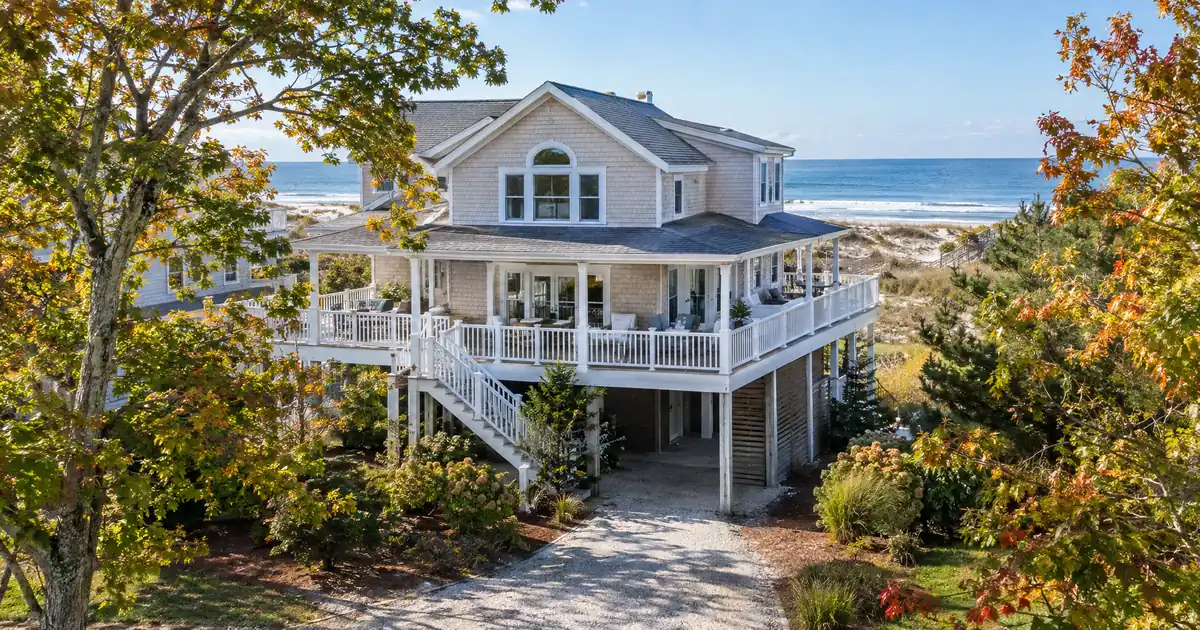
The Quick Read: An LLC Airbnb investor keeps buying past conventional limits by moving to DSCR loans, which qualify primarily on property-level rental income covering the payment, subject to lender guidelines, instead of on personal income or a financed-property count. Each purchase is reviewed on its own property, with the LLC on title and a person signing a personal guaranty.
- Short-term rental purchases typically reach 75% LTV on the strongest files, with refinances and cash-outs on short-term rental collateral up to 70%.
- A 640+ credit score and about 12 months of hosting experience are the usual expectations.
- Coverage starts at 1.00 on select short-term rental programs for both purchases and refinances.
- The LLC does not remove personal liability. The guarantor’s credit, reserves and experience carry the file.
- Not offered: manufactured homes, log homes, barndominiums.
Conventional financing stops an investor because of a counting rule, and the rule has nothing to do with how good the property is. The mechanics of getting past it are mostly about documents and sequencing.
Short-Term Rental Calculator
Run the STR numbers in your market
Rate source: Freddie Mac 30-yr average via FRED® — Federal Reserve Bank of St. Louis · effective Oct 15, 2026
Prefilled with starting assumptions — enter your nightly rate, occupancy, taxes, and insurance for a more accurate picture.
Short-term rental income is documented with a 12-month history or a market data report. Program parameters update from Lendmire’s centralized guideline source.
As of Oct 15, 2026 · General Freddie Mac market benchmark, not a Lendmire loan offer. Nightly rate, occupancy, taxes, and insurance are editable estimates. Qualifying income for short-term rentals varies by program — some use appraisal market rent, others use documented STR history or projections — and is confirmed in underwriting. Not a Loan Estimate, approval, or commitment to lend. Program availability and eligibility are subject to lender guidelines, credit approval, property review, and underwriting.
Why Conventional Financing Stalls for an LLC Investor
Conventional investor financing stalls on three things: a property-count cap, personal-name title, and a tax-return view of income that undercounts short-term rental revenue. The cap is the headline, but the other two are what hurt Airbnb owners first.
The cap is an agency rule, not a law. Fannie Mae’s Selling Guide sets a maximum of 10 financed properties for a second home or investment property run through its automated underwriting. It counts properties, not mortgages, and your financed primary residence counts too. Extra reserves apply as the count rises. That is the only agency detail this article needs. DSCR loans are not agency products, and none of those caps apply to them.
The title problem comes next. Agency-style loans want a natural person as borrower, with title in a personal name. That defeats the purpose of holding rentals in an LLC. Whether an existing LLC-held property counts toward the next agency purchase turns on personal obligation, not just who holds title, and the details vary by case.
Then there is income. A tax return shows rental income after depreciation and write-offs. A host who runs several Airbnbs often looks thin on paper even when the properties perform. Airbnb revenue is also hard to prove on a return. A stack of strong properties can still fail a personal-income test.
How DSCR Underwriting Treats the Same Investor
A DSCR file asks one question per property: does the rental income cover the full monthly housing payment? That payment is principal, interest, taxes, insurance and any HOA dues, known as PITIA. The coverage number is income divided by that payment.
Here is the file, step by step.
1. Entity and guarantor. The LLC is the borrower and holds title. A person signs a personal guaranty. Credit, reserves and experience attach to the guarantor, not the LLC.
2. Income source. For a short-term rental, income typically comes from market revenue projections or the property’s historical hosting income. Long-term rentals use a market-rent appraisal (the 1007 form) or a lease. Lenders in the network treat short-term revenue conservatively, and the haircut varies by lender, so the same property can show different coverage at different lenders.
3. Documents. Expect a lease or rent schedule or hosting history, an appraisal with rent analysis, proof of insurance, and entity documents: articles of organization, operating agreement, EIN letter and a certificate of good standing. No traditional personal-income documentation and no employment verification are part of the standard DSCR file.
4. Property-level test. Coverage, leverage, and eligibility are read against that one property. Portfolio size is not a rule-based cap, though individual lenders set their own concentration limits.
5. Seasoning on refinances. A cash-out refinance typically expects about 6 months of ownership. On short-term rental collateral, plan on the 12-month hosting history as well.
DSCR loans are designed for non-owner-occupied investment properties. Because they are business-purpose investor loans, they are reviewed differently from a standard owner-occupied mortgage. That is why a business-purpose declaration is part of the file, and why investment status alone does not settle the question: the Compliance Alliance explains that loan purpose, not just the collateral, controls the treatment.
For the full structure, see Lendmire’s complete DSCR loans guide.
Key Terms Defined
DSCR (debt service coverage ratio): Monthly rental income divided by the full monthly housing payment on one property.
PITIA: Principal, interest, taxes, insurance and HOA dues, the payment the income must cover.
Personal guaranty: A signed promise by a person to repay the loan if the LLC does not.
Seasoning: The minimum time you must own or operate a property before a refinance or cash-out is available.
LTV (loan-to-value): The loan amount as a percentage of the property’s value.
Haircut: The discount a lender applies to projected short-term rental revenue before calculating coverage.
What the Short-Term Rental Numbers Look Like
Across the wholesale network, short-term rental files follow tighter rules than standard rentals. On a purchase, leverage tops out at 75% LTV on the strongest files. On a refinance, expect up to 70%, and a cash-out on short-term rental collateral also tops out at 70%. A standard long-term rental cash-out reaches around 75% LTV, so the short-term label costs you leverage. Terms depend on the lender’s guidelines, the property type, the leverage, and a full review of the credit profile.
Credit starts around 640 for short-term rental files. Most programs want about 12 months of landlord or host experience. Coverage starts at 1.00 on select programs, for both purchases and refinances. Stronger ratios open better pricing and leverage. Loan sizes run up to $3,000,000 on standard programs, with smaller balances routed through select lenders.
Sub-1.00 coverage is a separate path. It is available through select lenders in the network, with leverage and terms adjusted.
Reserves vary by lender, leverage, loan size and transaction type. Around 6 months of PITIA is common. Larger loans step up. Reserves are the quiet constraint on repeat buyers, because every closing draws from the same liquid pool.
One caution on reading the number. Clearing 1.00 is not positive cash flow. DSCR compares rent to PITIA only. Repairs, vacancy, management, utilities, cleaning and capex sit outside the calculation. An Airbnb at 1.10 coverage can still lose money in a slow season, so any estimate of monthly cash flow has to subtract those costs from the coverage margin, not read it straight off the ratio.
Structuring the LLC for Repeat Buying
Entity setup decides how clean each file looks. Three structures come up most.
| Structure | Upside | Trade-off |
|---|---|---|
| One LLC for every property | One set of entity documents | One claim can reach every asset |
| One LLC per property | Separates liability by property | More filings and documents |
| Holding company over property LLCs | Central ownership view | Extra layer to document |
Lenders review the operating agreement to see who owns what. Which members must guarantee varies by program. Passive partners with small stakes sometimes avoid signing, but that depends on the lender and the operating agreement, so confirm before you form the entity. Revocable trusts are often accepted. Irrevocable and land trusts need confirmation before you apply.
Entity documents are the most common preventable gap. A missing operating agreement page, a name that differs between the EIN letter and the articles, or an expired good-standing certificate can stall an otherwise clean file. Build one folder per entity and refresh it before each purchase. Subject to lender program eligibility, the same LLC can be reused for the next acquisition without retitling. Lendmire’s piece Conventional vs DSCR for an LLC Buying Its Next Airbnb covers that comparison in more detail.
Where the General Rule Breaks
The easy summary is that DSCR has no limit and the LLC protects you. Both are too simple. These are the edge cases that catch repeat buyers.
An LLC is not non-recourse. The guaranty exposes the signer’s personal assets on default. The LLC separates liability from claims against the property, not from the lender.
Off your credit is not invisible. Guaranteed debt can still surface on later applications that ask about real estate owned and guaranteed obligations. This matters most if you later buy a primary residence with a conventional loan.
No agency count does not mean no limits. The absence of an agency-style count is real. Individual lenders still set concentration limits, and reserves still pile up.
Short-term rental income can be discounted. If the first coverage number comes in low, there are levers: a larger down payment lowers the payment, a different lender may apply a smaller haircut, and documented hosting history can replace a projection. A bigger down payment never erases leverage caps, credit floors, reserve rules or property eligibility. The strongest files clear both tests: enough equity and enough rental coverage.
Property type. Manufactured homes, log homes and barndominiums are not offered in these programs.
Second-home financing is a trap. Financing a property that is primarily an Airbnb as a second home is risky. Lender expectations around use and occupancy differ from how the property operates.
Local rules. Short-term rental rules can vary by city, county, HOA, and property type, so investors should confirm local rules before relying on projected rental income.
The Recycling Loop
Many investors keep buying by refinancing a seasoned property and redeploying the equity. The loop runs in order: buy, stabilize, document hosting history, cash out, and use the proceeds as the next down payment.
The gates are seasoning, appraised value, and post-refinance coverage. A cash-out raises the balance, so coverage drops. A property at a comfortable ratio before the cash-out can land near 1.00 afterward. Run the post-cash-out number before you commit to the next purchase, and remember that stacking several cash-outs across one portfolio compounds the drop.
How the Decision Looks in Practice
Picture an investor with several conventional loans already in personal names and two LLC-held Airbnbs with a year of hosting history. The next target is a short-term rental purchase. The investor weighs leverage first: 75% LTV at most on a short-term rental purchase, so cash to close is the binding constraint, not the count. Then reserves: each closing draws down the pool. Then coverage on the target. If the number lands under 1.00, the choices are a larger down payment, a different lender’s income treatment, or a select-lender sub-1.00 path with adjusted leverage and terms. The exact numbers vary by lender and program and follow a full review of property, leverage, and credit.
Run this checklist before each acquisition:
- Entity documents current and consistent across the articles, EIN letter and operating agreement
- Guarantor credit at 640 or above, ideally 700+ for stronger leverage tiers
- About 12 months of hosting history documented
- Reserves counted across the whole portfolio, not just this closing
- Coverage run on the post-closing payment
- Insurance quote complete for short-term rental use
This approach is not for everyone. It fits investors comfortable with a personal guaranty and a lender’s discounted view of short-term revenue. Thin coverage and thin reserves are the usual reasons to pause.
Tax treatment can depend on how the funds are used and how the property is held; investors should keep clear records and speak with a qualified tax professional before relying on any deduction.
If you are buying or refinancing a rental property and want to see how the numbers work, Lendmire can help you compare DSCR loan options based on the property income, credit profile, leverage, and investor goals. Lendmire is a broker arranging financing through select lenders in its wholesale network across 41 markets, including Washington, D.C. This article is general information, not legal or tax advice; consult a qualified attorney or CPA about your own situation. Programs change, every file is underwritten individually, and nothing here is a commitment to lend.
Frequently Asked Questions
Can an LLC get a DSCR loan on an Airbnb?
Yes, subject to program terms. The LLC is the borrower and holds title, and a person signs a personal guaranty. The guarantor’s credit, reserves and experience are reviewed, not the LLC’s. Expect a 640+ score and about 12 months of hosting history on short-term rental files.
Is there a limit on how many DSCR loans I can have?
There is no agency-style property count. Each file is judged on its own property. Individual lenders set their own concentration limits, and reserves across the portfolio often become the practical ceiling before any rule does.
Does the LLC protect me from personal liability on the loan?
No. The guaranty exposes the signer’s personal assets if the loan defaults. The LLC keeps title and property-level claims separate, but the lender can pursue the guarantor.
Will DSCR loans show up on my personal credit?
Possibly not on the credit report itself, but guaranteed debt can still surface on later applications that ask about real estate owned and guaranteed obligations. That matters most before a primary residence purchase.
How much can I borrow against a short-term rental?
Purchases reach up to 75% LTV on the strongest files. Refinances and cash-outs on short-term rental collateral reach up to 70%. Loan sizes run up to $3,000,000 on standard programs, subject to lender guidelines.
About Lendmire
Lendmire, NMLS# 2371349, is a DSCR and non-QM mortgage brokerage with investor loan programs in 41 markets, including Washington, D.C. DSCR eligibility is commonly reviewed by the lender around property-level rent rather than personal income documentation, subject to lender guidelines, and the brokerage helps arrange financing for LLC-owned portfolios beyond conventional financed-property limits. Recognized by Scotsman Guide as a Top Mortgage Workplace in 2025 and 2026.
Investors focused on short-term rentals can review DSCR loans for Airbnb and short-term rentals.
Get Started
Ready to find the right loan for you?
In about 30 seconds you can review financing options available for your investment property. No commitment required.
Informational only. Not a Loan Estimate, approval, or commitment to lend. Program availability and eligibility are subject to lender guidelines, credit approval, property review, and underwriting.
References
1. Fannie Mae Selling Guide B2-2-03, Multiple Financed Properties for the Same Borrower
2. Compliance Alliance, Regulation Z and Investment Properties
This article is part of Lendmire’s short-term rental loan program — full qualification details, guidelines, and scenarios live on the program page.
Related reading: How to Pick a First Airbnb Loan With No Operating History · Conventional Investment Loans vs DSCR for Your Third Airbnb and Beyond · DSCR vs Conventional Investment Loan for an Airbnb Property
Brandon Miller
Founder & CEO, Mortgage Loan Originator, Lendmire LLC
- Mortgage Loan Originator · NMLS# 1129696 · Verify on NMLS Consumer Access
- North Carolina Real Estate Broker · License# 343312 · Verify on NCREC
- North Carolina Insurance Producer · License# 19053198 · Property, Casualty, Life, Health · Verify on NAIC SBS
- Lendmire LLC · Firm NMLS# 2371349 · Verify firm licensure
Important disclosures. Lendmire (NMLS# 2371349) is a licensed mortgage brokerage. Lendmire is not a direct lender, depository institution, or financial advisor. All loan inquiries are subject to lender underwriting; this article does not constitute a commitment to lend. Rates, terms, and program guidelines are subject to change without notice and vary by borrower profile, property type, and state. Information in this article is general in nature and is not financial, legal, or tax advice. Equal Housing Opportunity. NMLS Consumer Access: nmlsconsumeraccess.org.