
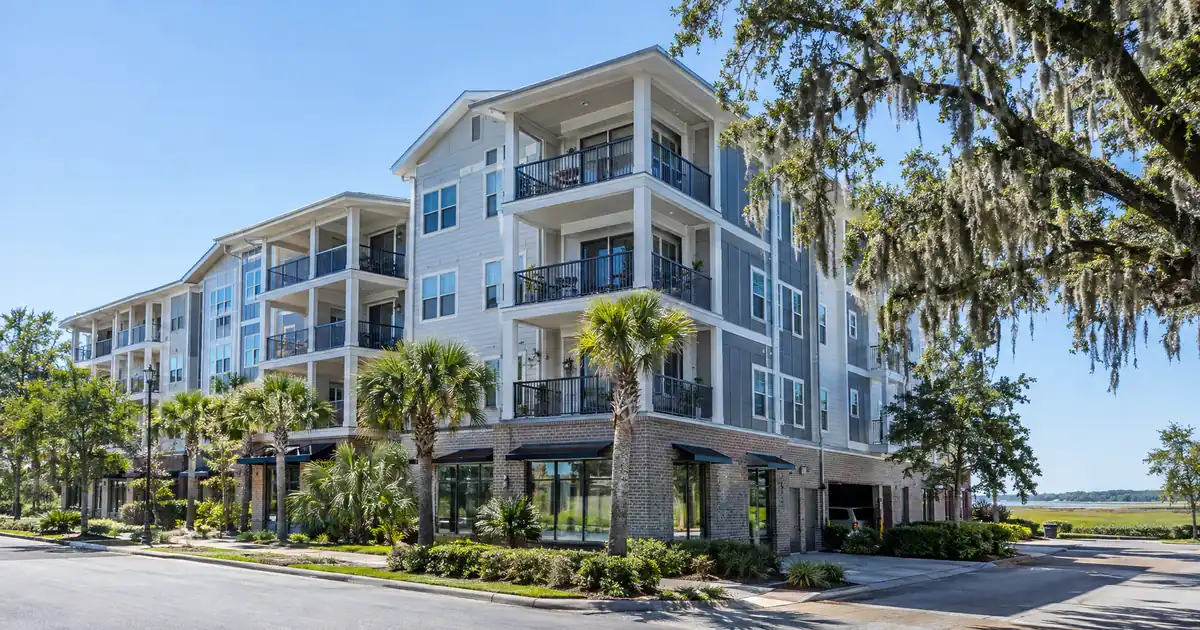
The Quick Read: On a DSCR cash-out refinance, the lender relies on the appraisal for two separate numbers: what the property is worth and what it should rent for. The loan can’t exceed the lower of what those two numbers support.
- The appraised value sets the leverage test. On a cash-out of a standard rental, that ceiling is about 75% LTV.
- The appraiser’s market rent sets the coverage test, and a 1.00 ratio is where select programs start.
- Inside the seasoning window, sizing usually follows what you paid plus documented improvements. After seasoning, it follows the appraisal.
- A lease above market rent generally doesn’t raise the coverage number.
- Strong rent doesn’t automatically mean a higher value.
The label “Port Royal, SC” tells the lender where the property sits. It doesn’t change the mechanics. Every figure below is a program range for a standard investment property, and each is subject to lender guidelines. This is not a commitment to lend.
DSCR Cash-Out Calculator
Run the cash-out numbers in your market
Rate source: Freddie Mac 30-yr average via FRED® — Federal Reserve Bank of St. Louis · effective Oct 29, 2026
Prefilled with starting assumptions — enter your property’s value, balance, taxes, and insurance for a more accurate picture.
Program parameters update from Lendmire’s centralized guideline source. Taxes and insurance are editable estimates.
As of Oct 29, 2026 · General Freddie Mac market benchmark, not a Lendmire loan offer. Property value, balance, taxes, and insurance are editable estimates. Maximum loan-to-value varies by lender, program, property type, and seasoning. Not a Loan Estimate, approval, or commitment to lend. Program availability and eligibility are subject to lender guidelines, credit approval, property review, and underwriting.
What Does a Lender Actually Value on a Rental?
A lender values two things: the property’s market value and its market rent. Value comes from comparable sales. Rent comes from comparable rentals. The two numbers answer different questions and feed different tests.
The appraiser produces both. For a single-family rental, the report pairs the standard value form with Form 1007, the rent schedule. For two to four units, the rent analysis sits inside Form 1025. These are appraisal form names, not DSCR rules. DSCR loans are non-agency products, so the program sets how the rent is used. Fannie Mae’s appraiser guidance describes Form 1007 as an estimate of monthly market rent.
An investor-education overview from TrueCap says the value opinion rests on the sales comparison approach. It also notes that the rent opinion can move a pricing tier.
Here is the part many owners miss. High rent does not raise value on its own. A rental with strong income still appraises against what similar properties sold for. Treat rent as one test and value as another.
How Does Underwriting Treat the Appraisal, Step by Step?
Underwriting follows a set order: order the appraisal, set value, set rent, calculate coverage, then size the loan. Each step can move the final number, so it helps to know where the surprises hide.
1. Order the appraisal. The lender’s appraiser inspects the property. The report carries a value opinion and a rent schedule.
2. Set value. The appraiser picks closed comparable sales. Adjustments cover condition, size and features. The result is one reconciled value. The owner’s target number plays no part.
3. Set rent. The appraiser looks at nearby rental comparables and states a monthly market rent. Many reports lean on about three comps.
4. Calculate coverage. DSCR compares rent to PITIA, meaning principal, interest, taxes, insurance and any association dues. A ratio of 1.00 means rent and that obligation are even. Many select programs start at 1.00. Stronger ratios open better pricing and leverage.
5. Apply the lease rule. With a tenant in place, programs differ. Some credit the lower of the appraiser’s rent and the lease rent. Others use market rent only. Surplus lease rent usually goes unused. Confirm the rent basis before the appraisal is ordered.
6. Size the loan. The loan is the lesser of the leverage cap on the value basis and the amount the rent coverage supports.
7. Check the rest of the file. Credit, reserves and property eligibility all still apply.
Clearing 1.00 does not mean the property cash flows. DSCR counts rent against PITIA only. Repairs, vacancy, management, utilities and capex sit outside the calculation.
Which Number Limits the Loan: Value or Rent?
The lower of the two tests limits the loan. In practice, one side binds, and knowing which one tells you what to fix.
| Situation | Usually binds | What it means |
|---|---|---|
| Strong equity, modest rent | Rent coverage | Loan size follows the coverage ratio |
| Thin equity, strong rent | Leverage cap | The 75% cash-out ceiling limits proceeds |
| Both modest | Either | Reduced proceeds or a payoff-only refinance |
| Low appraisal | Leverage cap | Value, not rent, shrinks the loan |
Picture a rental that appraises well and rents well. The binding limit is usually the 75% cash-out ceiling on a standard investment property. Now picture a high-value home with soft rent. Coverage can bind first. A larger down payment or a lower balance can lift the ratio. It never removes the leverage cap, credit floors, reserves or property eligibility. The strongest files clear both tests.
Net cash is what remains after the existing loan is paid off and costs are covered. Reserves, commonly about 6 months of PITIA across the network and about 9 months above $1,500,000, sit on top of that. So the headline proceeds are a ceiling, not a promise.
Why Does Seasoning Change the Value Basis?
Seasoning decides whether the lender sizes on your cost or on the appraisal. Across most programs, about 6 months of ownership is the common expectation for a cash-out sized on appraised value. The clock runs from the recorded title date.
Inside that window, sizing is usually based on what you paid plus documented improvements. After it, the appraisal drives the loan. An investor who bought low and renovated hard may hold real appraised equity that stays locked until seasoning ends. The market sets a similar pattern. Freddie Mac’s guide shows a six-month ownership concept for agency cash-outs. That is a contrast point only. DSCR programs set their own terms.
A documented scope of work helps here. It lets the appraiser see capital improvements instead of guessing at them. Lendmire’s complete DSCR loans guide covers the program basics.
One related path deserves a note. Some investors refinance a bridge or hard-money loan first on a rate-and-term basis. They take extra cash later, once seasoning is met. On a Port Royal rental, that sequence can make sense if the timing is tight.
What Variations and Structures Exist?
Several structures change how the value and rent tests play out. Cash buyers, vacant properties, small multifamily and different loan terms each get different treatment.
- Cash buyers. A delayed-financing path lets some documented cash buyers recover their purchase cost without waiting out seasoning. Proceeds are generally limited to cost, and it is lender-dependent. A lien at purchase can break the cash-buyer test. Funds sitting in an entity account while the refinance is in your personal name have stalled files before.
- Vacant, rent-ready property. The lender uses market rent only. The quality of the rental comps matters a great deal.
- Leased property. The lender compares the lease against the appraiser’s figure.
- Term structures. The core is the 30-year fixed. Select lenders in the network offer 40-year terms and interest-only periods. ARMs exist for investors who want them.
- Coverage below 1.00. Programs below 1.00 are available through select lenders in the network, with leverage and terms adjusted. This is a separate path from the 1.00 programs.
- Loan size. Standard programs run up to $3,000,000. Above $2,500,000, the network generally holds to 30-year fixed structures.
Lenders working with an LLC-titled rental apply their own entity rules, subject to program terms.
Where Does the General Rule Break?
The general rule is that the appraiser’s value and rent control the loan. Five edge cases bend it.
Short-term rentals. Form 1007 measures monthly rent, not nightly income. Fannie Mae’s appraiser update states that it is not valid for short-term rentals, and that a nightly rate times 30 is not acceptable. STR programs use their own income review. In the network, STR cash-out tops out around 70% LTV, expect a 640+ credit score and about 12 months of hosting history, and the refinance coverage floor is 1.00. Short-term rental rules can vary by city, county, HOA, and property type, so investors should confirm local rules before relying on projected rental income. Terms depend on the lender’s guidelines, the property type, the leverage, and a full review of the credit profile.
Lease above market. The extra is ignored in the ratio. Market rent controls.
Lease below market. A long-term tenant on a below-market lease can pull the rent figure down. That lowers coverage, even if the property could rent for more at turnover.
Thin comparables. Port Royal is a small Lowcountry town, so closed sales nearby can be sparse. Appraisers often reach into neighboring markets for comps. That adds adjustments, and adjustments add variance. Older homes beside new construction make matching harder.
Ineligible property types. Manufactured homes (single- and double-wide), log homes and barndominiums are not offered in the network’s DSCR programs, however well they rent.
A few local items are worth confirming for any specific property rather than assuming: flood zone and elevation, insurance availability, any HOA or condo rules, and tenant demand drivers. Each can affect value, rent or insurability.
What Happens If the Appraisal Comes In Low?
A low appraisal shrinks the loan, so you have four practical options, each with a different cost.
| Option | Effect | Best when |
|---|---|---|
| Take a smaller cash-out | Same refinance, reduced proceeds | You still clear your goal |
| Switch to payoff-only | No cash back, lower leverage need | The goal was lower cost, not cash |
| Wait and reappraise | Time for new comps or seasoning | Market data is likely to improve |
| Request a value review | Better comps submitted for review | The comps clearly missed |
Which makes sense depends on what the cash was for. Pulling equity to buy another rental changes the calculation. If the deal needs the full amount, a short pause beats a forced smaller loan. Pulling cash for a reserve cushion is more flexible.
A lower rent figure is a different problem. If coverage falls short, a larger down payment on a purchase is not the lever on a refinance. Lower balance or a different program is. Select lenders in the network offer sub-1.00 coverage with leverage and terms adjusted.
How Should an Investor Prepare?
Preparation is the one part you control. Gather these before the appraiser arrives.
- The lease and any deposit records, if the unit is tenant-occupied.
- A list of improvements with costs and a scope of work.
- Photos from before any renovation.
- Clear access to every unit and system.
- Your own comps for both sales and rentals, as a reference.
- Proof of where purchase funds came from, if seasoning is involved.
Pre-appraisal quotes are estimates. The appraiser’s rent replaces your assumed one. Plan for the report to land a bit below your hopes and see whether the deal still works.
For credit, most programs want a score around 660. A 620 floor exists in parts of the network, and 700+ opens the strongest leverage tiers. This is the file side of the same coin: equity and coverage clear one test, credit and reserves clear the other.
Key Terms Defined
Appraised value: The appraiser’s opinion of what the property would sell for, based on comparable sales.
Market rent: The appraiser’s opinion of what the property would rent for per month, based on nearby rental comparables.
LTV: Loan-to-value, the loan amount as a share of the property’s value basis.
DSCR: Debt service coverage ratio, monthly rent divided by monthly PITIA.
PITIA: Principal, interest, taxes, insurance and association dues.
Seasoning: How long you’ve owned the property, counted from the recorded title date.
Delayed financing: A path for documented cash buyers to refinance without waiting out seasoning, generally limited to cost.
Frequently Asked Questions
Does strong rent raise a rental’s appraised value?
Not automatically. Value rests mainly on comparable sales, so a property with high rent can still appraise in line with similar homes. Rent drives the coverage test instead. Both numbers matter, but they answer different questions.
Which rent does the lender use if I already have a tenant?
It depends on the program. Some credit the lower of the lease and the appraiser’s market rent. Others use market rent alone. Lease rent above market is generally ignored in the ratio, so confirm the rent basis before the appraisal is ordered.
How long must I own the property before a cash-out?
About 6 months is the common expectation for a cash-out sized on appraised value, counted from the recorded title date. Before that, sizing typically follows what you paid plus documented improvements. Documented cash buyers may have a delayed-financing option, lender-dependent.
What is the maximum cash-out leverage on a standard rental?
Most of the network tops out around 75% LTV on a cash-out of a standard investment property. Short-term rental collateral is lower, around 70%. Net proceeds also depend on rent coverage, reserves and the payoff amount, so the ceiling isn’t a guaranteed cash figure. The exact numbers vary by lender and program and follow a full review of property, leverage, and credit.
Can a Port Royal rental qualify if the appraisal comes in low?
Possibly, with reduced proceeds or a payoff-only structure, subject to lender guidelines and credit approval. Waiting and reappraising, or submitting stronger comps for a value review, are other paths. The best fit depends on what the cash is for.
If you are buying or refinancing a rental property and want to see how the numbers work, Lendmire can help you compare DSCR loan options based on the property income, credit profile, leverage, and investor goals. Reach the team at 828-256-2183 or request a quote. Tax treatment varies; consult a qualified professional.
Whatever the town, the appraisal decides two numbers, and Port Royal owners who bring documented improvements and realistic rent expectations into that report tend to see the fewest surprises.
Investors weighing their equity options can start with Lendmire’s guide to cash-out refinance on an investment property.
For current guidelines and terms, see Lendmire’s DSCR loan programs page.
About Lendmire
Lendmire is a non-QM mortgage brokerage (NMLS# 2371349) arranging DSCR investor loans in 41 markets, including Washington, D.C., through wholesale and investor-lending channels. DSCR loans are evaluated by the lender on rental income rather than personal income, subject to lender guidelines — a fit for LLC-owned portfolios, self-employed investors, and operators scaling beyond conventional loan caps. Recognized as a Scotsman Guide Top Mortgage Workplace in 2025 and 2026.
Get Started
Ready to find the right loan for you?
See your offer in seconds. No credit pull, no obligation.
Informational only. Not a Loan Estimate, approval, or commitment to lend. Program availability and eligibility are subject to lender guidelines, credit approval, property review, and underwriting.
References
1. Fannie Mae: Appraiser Update
2. TrueCap: How Investment Property Appraisals Work
3. Freddie Mac Seller/Servicer Guide: Section 4301.5
This article is part of Lendmire’s investment property cash-out refinance program — full qualification details, guidelines, and scenarios live on the program page.
Related reading: Best Short-Term Rental Cash-Out Refinance Program to Maximize Cash Out · Best Short-Term Rental Cash-Out Refinance Program to Go Fixed · Short-Term Rental Cash-Out Refinance Lenders on a Rental Qualified by Its Rent
Guides: Investment Property Cash-Out Refinance in Port Royal, SC · Investment Property Cash-Out Refinance in South Carolina
Brandon Miller
Founder & CEO, Mortgage Loan Originator, Lendmire LLC
- Mortgage Loan Originator · NMLS# 1129696 · Verify on NMLS Consumer Access
- North Carolina Real Estate Broker · License# 343312 · Verify on NCREC
- North Carolina Insurance Producer · License# 19053198 · Property, Casualty, Life, Health · Verify on NAIC SBS
- Lendmire LLC · Firm NMLS# 2371349 · Verify firm licensure
Compliance and disclosures. Lendmire (NMLS# 2371349) is a licensed mortgage broker and is not a direct lender, depository institution, financial advisor, or tax professional. Content in this article is general market analysis and educational information — not financial, legal, or tax advice for any specific situation. Lendmire does not guarantee loan approval; every transaction is subject to underwriting by the funding lender. Mortgage pricing and loan program guidelines are subject to change at any time without notice and vary by borrower characteristics, property type, and state regulations. Lendmire complies with Equal Housing Opportunity. Licensure verification: NMLS Consumer Access.