Reserves And Leverage On A $1.5M Short-term Rental DSCR Loan
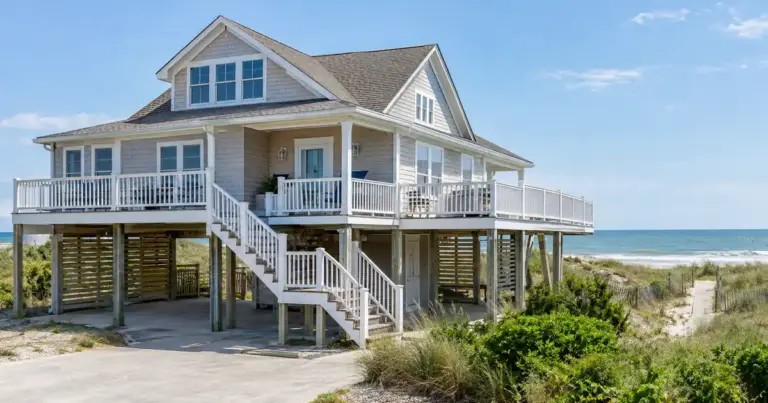
Reserves typically run six months of PITIA on the subject property, doubling to twelve if the investor has no prior landlord history.

 Lendmire Research
Reserves typically run six months of PITIA on the subject property, doubling to twelve if the investor has no prior landlord history.

Leverage steps down, credit floors rise, second appraisals become standard, and cash-out disappears entirely above $3 million.

The right pick depends on whether the bottleneck is the borrower’s documentation or the property’s income story.

Pricing and available terms vary by lender, borrower profile, property type, and full underwriting review.

Two appraisals are already standard by this point, and credit needs to clear 700 with clean event seasoning.

Reserves And Leverage On A $6M DSCR Rental Loan: what investors need to know about large-balance DSCR financing, from Lendmire.
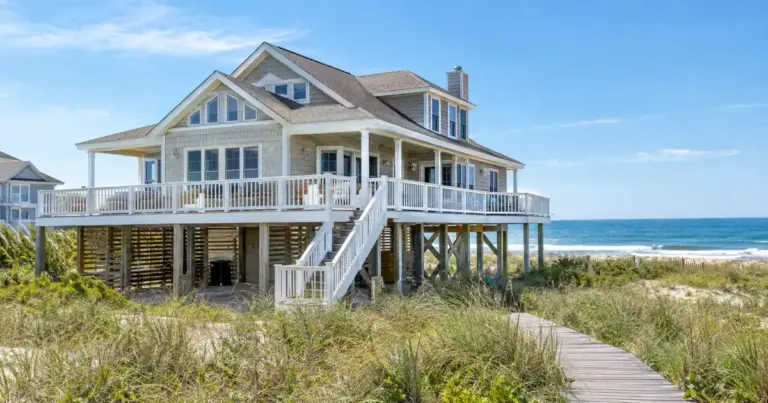
Add two full appraisals once the loan clears $2M, and the file starts to look structurally different from a $900K deal, not just bigger.

Cash-Out Rules on a $1.5M Jumbo DSCR Rental Loan — At $1.5M, a DSCR rental cash-out refinance stops behaving like a standard-size deal.

None of these lines are set by a regulator — they’re lender convention, and they move file to file.
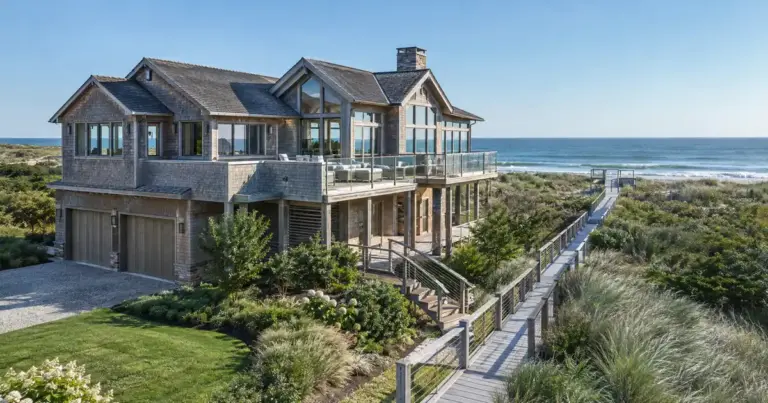
Leverage runs 65% to $5M, 60% to $10M, and 55% out to $30M, with every file above $4M reviewed case by case before submission.

Cash-out Rules On A $4M Super Jumbo DSCR Rental Loan — At $4 million, cash-out is off the table.

A fully amortizing structure fits a borrower who wants a fixed payment path from day one and doesn’t need the extra cash-flow room.

Investment property and second-home leverage sits several points lower than primary-residence leverage at the same size.

Leverage in this band typically runs 75% on purchase and rate-and-term, and 70% on cash-out for standard rental collateral, with a 700 credit floor.
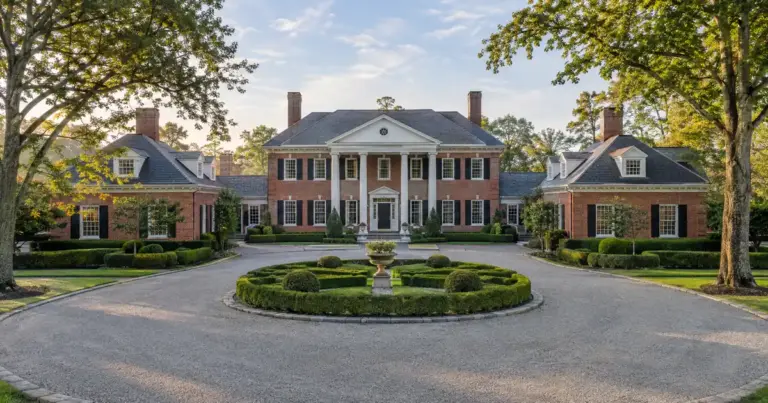
Leverage steps down in bands as the loan gets bigger, not on a smooth curve.