DSCR HELOC for LLC Landlords Who Want Equity Without Refinancing
Learn how a DSCR HELOC for LLC landlords really works, which routes keep the entity, and how Lendmire helps compare options.

DSCR HELOC: home equity lines on rental property qualified on the rent instead of the owner’s income, with LLC vesting — the rent-qualified second lien behind a first mortgage the owner keeps.
Learn how a DSCR HELOC for LLC landlords really works, which routes keep the entity, and how Lendmire helps compare options.
HELOC Behind a DSCR Loan — A home equity line of credit (HELOC) placed behind a DSCR loan keeps your existing first loan in place.

Your first mortgage stays in place. The lender tests whether rent covers both payments together, then checks combined leverage against the property value.
DSCR Second Lien Qualification Gates Every Rental Investor — A DSCR second lien is a loan recorded behind your existing first mortgage.

DSCR Second Lien — A second lien is a separate loan recorded behind your existing mortgage on a rental property.

The fork that actually decides between them is occupancy and title: who lives in the property, and whose name (or trust) sits on the deed.
1099-only Loan or DSCR — These two products do different jobs.
Both products get filed under the non-QM umbrella, but they solve different problems.
This guide walks through both, where short-term rental income gets treated differently than a standard lease, and where the general rule breaks.

Complete Guide To A Condo DSCR HELOC — “Condo DSCR HELOC” is a label, not a product on most lenders’ menus.
One is a standalone equity line reviewed on your own income and credit, not the property’s rent.
True rent-based qualification on a single-family rental almost always shows up in a different structure: a first-lien DSCR cash-out refinance.
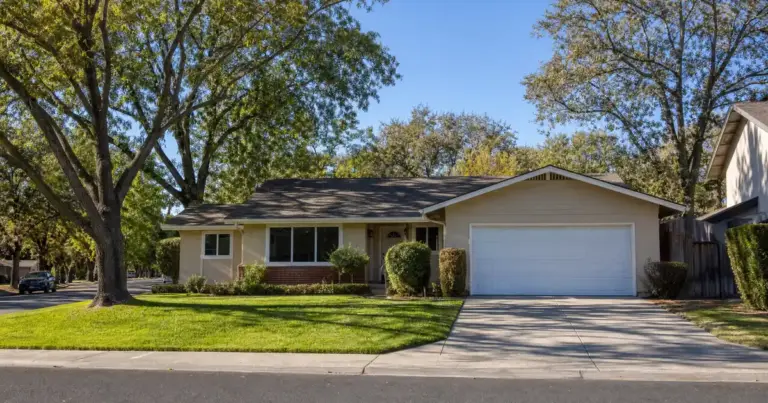
Getting the distinction right before applying saves a file from stalling mid-underwrite.
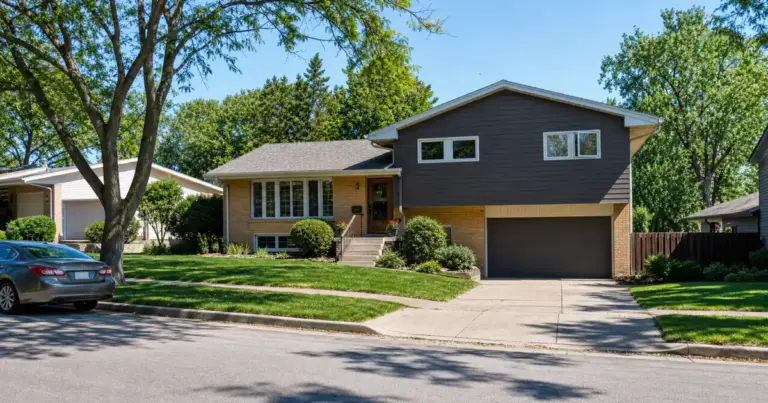
“DSCR HELOC” isn’t one standardized loan — it’s a label the market uses loosely for two different things.