Lake House And Ski Cabin DSCR Loans: Financing Seasonal Rentals

The tricky part is the income itself — a ski cabin might earn most of its money in three winter months, and a lake house in three summer ones.

The tricky part is the income itself — a ski cabin might earn most of its money in three winter months, and a lake house in three summer ones.

The point is cash flow: a lower monthly obligation raises the coverage ratio on the same rent roll.
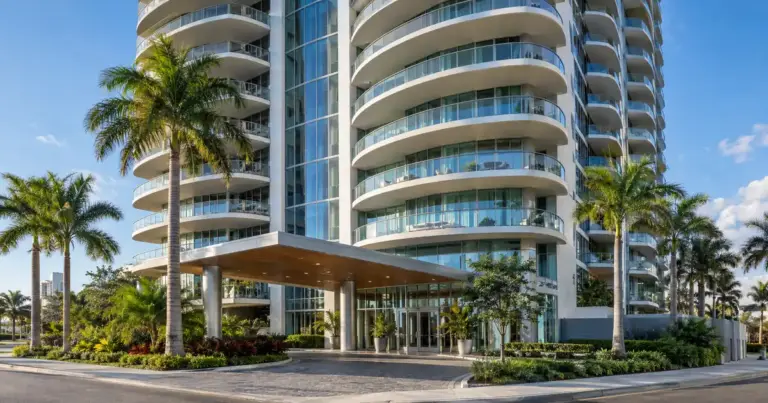
Fannie Mae and Freddie Mac won’t buy loans on buildings that operate like hotels, so those files never reach agency underwriting at all.

Revocable trusts are close to a non-event for underwriting.

The default pattern across most portfolio files is one LLC per property, each with its own note secured only by that property.

It is not the seller’s asking rent, the investor’s projection, or even the signed lease amount.

Existing guest reservations do not transfer to a buyer — the trailing income record does. A calendar full of future reservations feels like proof of value.
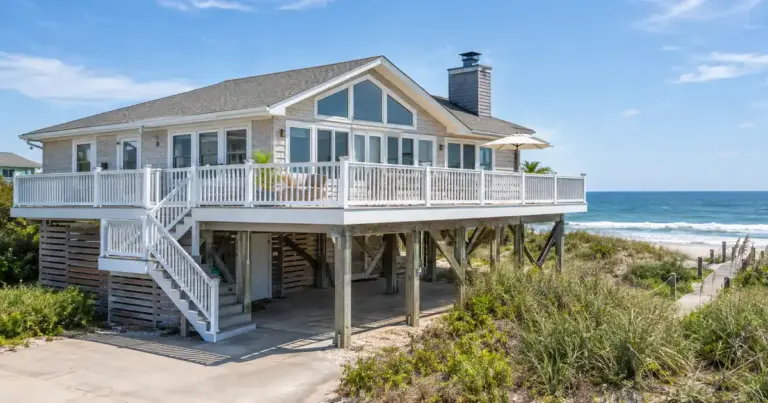
It’s the legal foundation behind most DSCR financing on short-term rentals.

Short-term rental income gets documented separately from the vesting question, usually at a discount to gross platform revenue.

The trade-off is real: bigger loans mean lower leverage, tighter credit floors, and case-by-case underwriting above $4,000,000.

Weak properties can ride on strong ones.

No single number “guarantees” approval — the file, the property, and local rules all matter.

The property qualifies on its rent, not your paycheck.

An interest-only structure strips principal out of that math, which frequently clears the deal.

That matters because physician mortgage programs are built for primary homes only — they won’t touch a vacation rental.