Luxury Short-term Rental DSCR Requirements For Practice Owners

The rest of this piece walks through exactly how that works.

The rest of this piece walks through exactly how that works.

The liquidity-event cash itself has to be sourced, seasoned, and sitting in a personal account before it counts toward down payment or reserves.

DSCR Loan Documents For A Luxury Vacation Rental Owned By A Practice Owner — The lender is qualifying the property, not the practice.
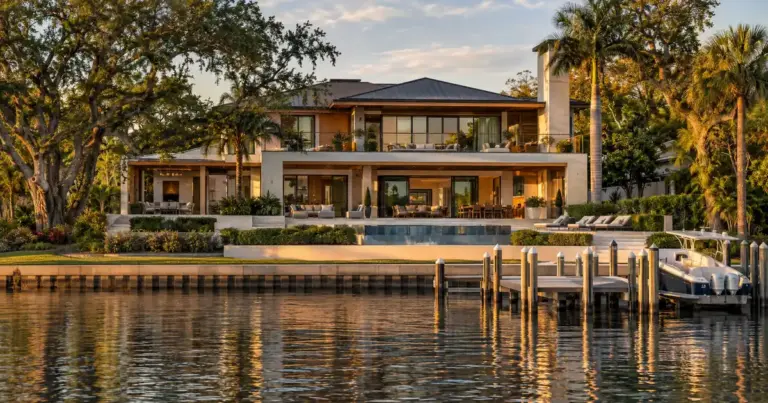
Credit typically needs to sit at 660 or better, reserves usually run six months of the housing payment, and leverage steps down as the loan size climbs.

Luxury short-term rentals in an LLC sit at the intersection of two underwriting complications most investors don’t expect to hit at once.

Investors holding a luxury short-term rental on an interest-only DSCR loan eventually hit a fork in the road.

Above $2,000,000, loan amounts shift out of the short-term-rental bucket into the broader portfolio program, and two appraisals become standard.
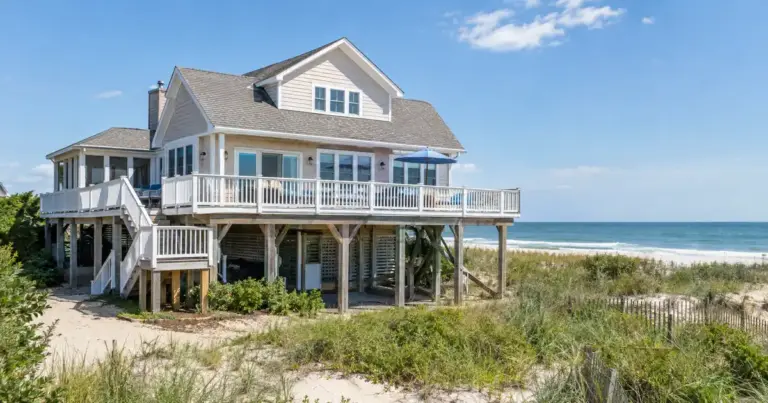
Self-employed owners still submit real documents. They’re just different documents.
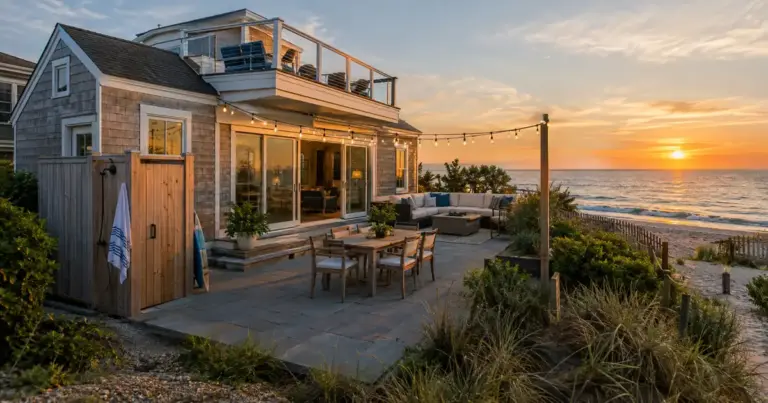
The loan itself qualifies on the property’s rental income, not personal tax returns.

Bank Statement Vs DSCR For A Luxury Short-term Rental Operator — A bank statement loan qualifies you on your personal or business deposits.

The 30-year fixed suits investors who want steady equity growth and don’t need help clearing a coverage ratio.

Short-term rental owners run into this question constantly.

A condo adds a second layer of review: the HOA’s finances, its litigation history, and whether the building even permits short-term stays.

It doesn’t, entirely. Loan size changes leverage, credit requirements, and — sometimes — whether non-recourse is even on the table.

They don’t. The loan program doesn’t care about acreage directly — DSCR underwriting is built around the property’s rental income, not lot geometry.